
Sebastian Hamdan
He/Him


Hello there, I am a designer who is keen on channelling my creativity into productive and beneficial endeavors, from sustainable interventions to designing and branding clear and intuitive services.
He/Him
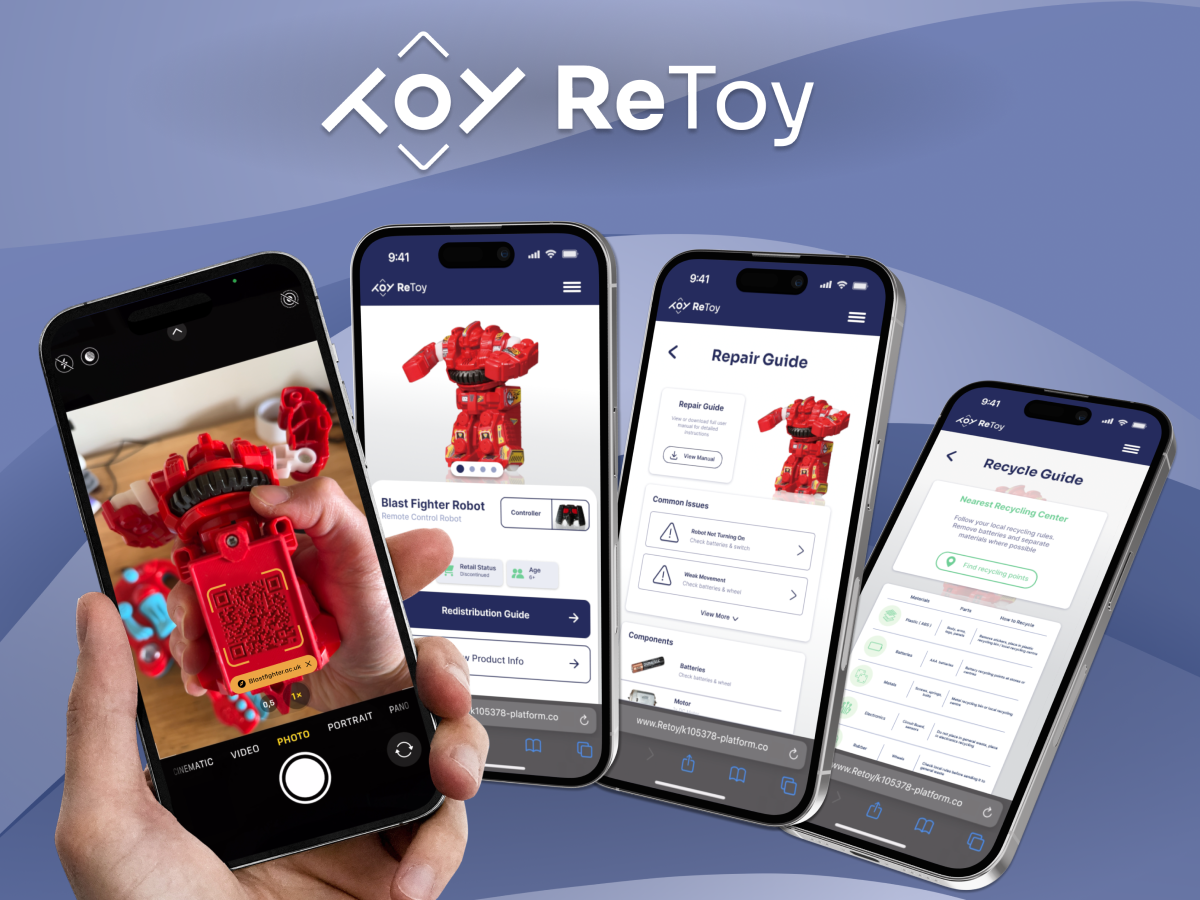
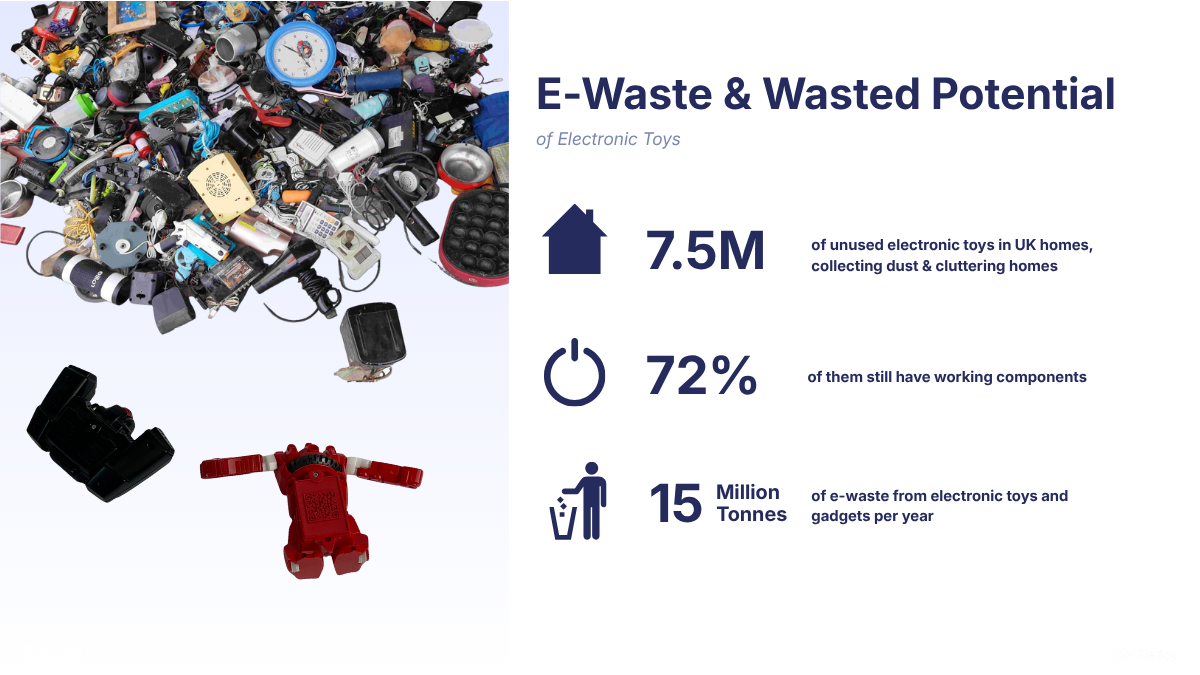
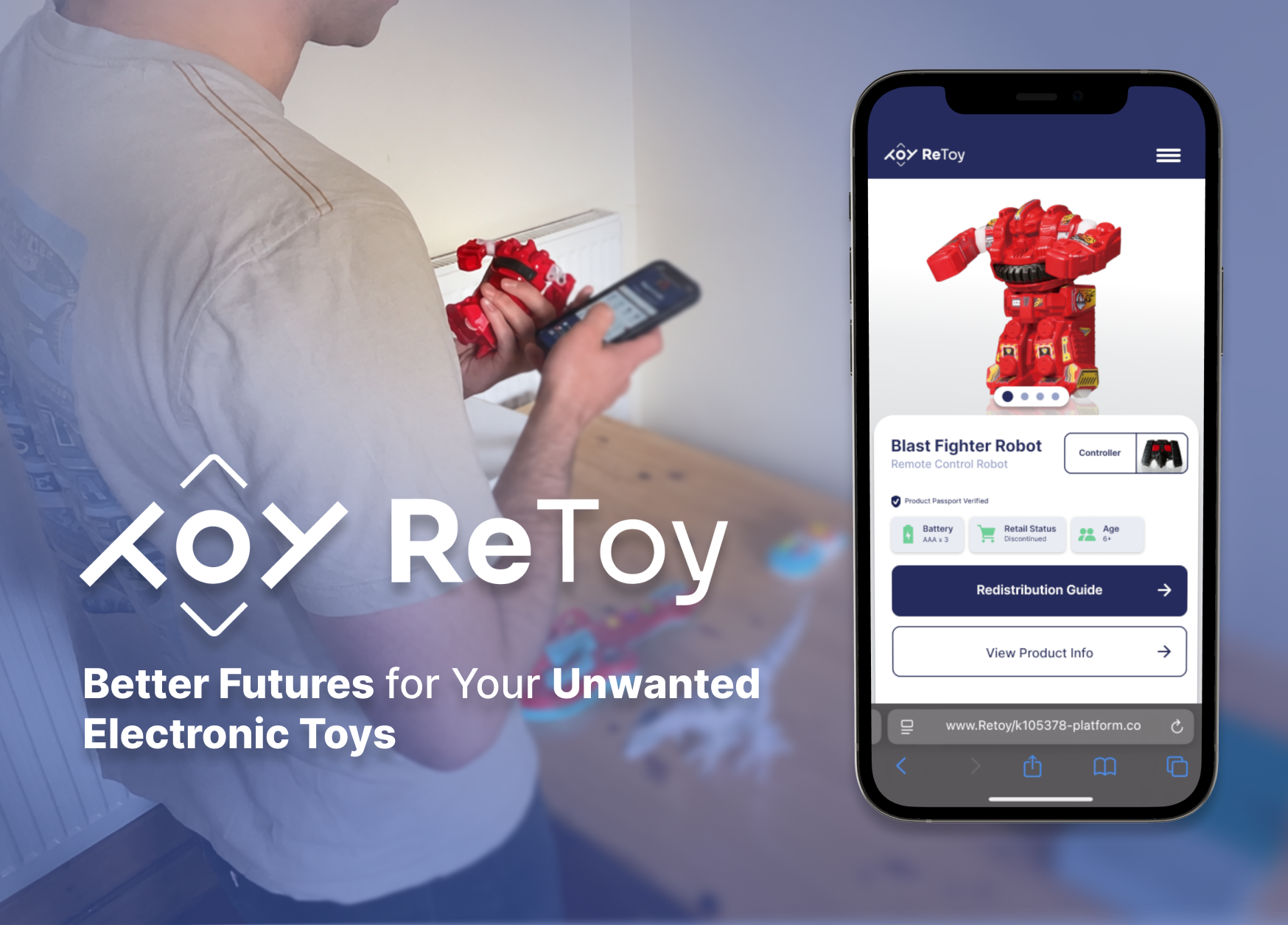
ReToy is a Software as a Service platform that helps toy brands create and host digital product passports for their electronic toys. By scanning a product’s embedded label, families can access clear guidance on how to repair, reuse, resell, donate, or recycle toys when they are no longer wanted or working.
A Digital Product Passport (DPP) is a digital record linked to a product via a smart label that shows materials, repair guidance, reuse options, and recycling information of said product.
DPPs are part of the EU’s Ecodesign for Sustainable Products Regulation, which came into force on 18 July 2024. Product-specific requirements are expected to roll out starting in 2027, beginning with textiles and electronics.
As part of this legislation, DPP information will need to be accessible through third-party digital systems. This is where ReToy would come in.
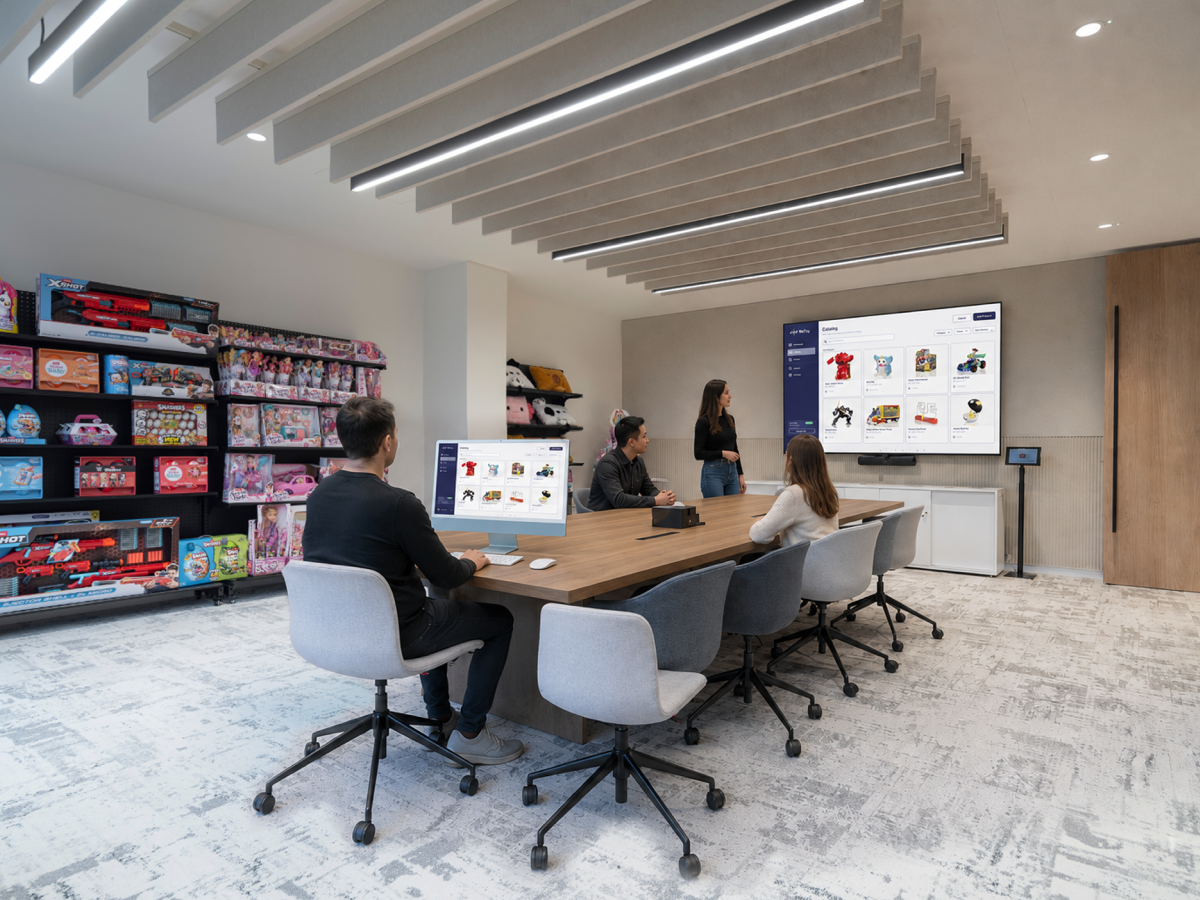
ReToy operates as a SaaS platform for toy manufacturers. Brands can upload the required product files to comply with the upcoming DPP legislation.
The digital product passports would then be hosted as individual web pages.
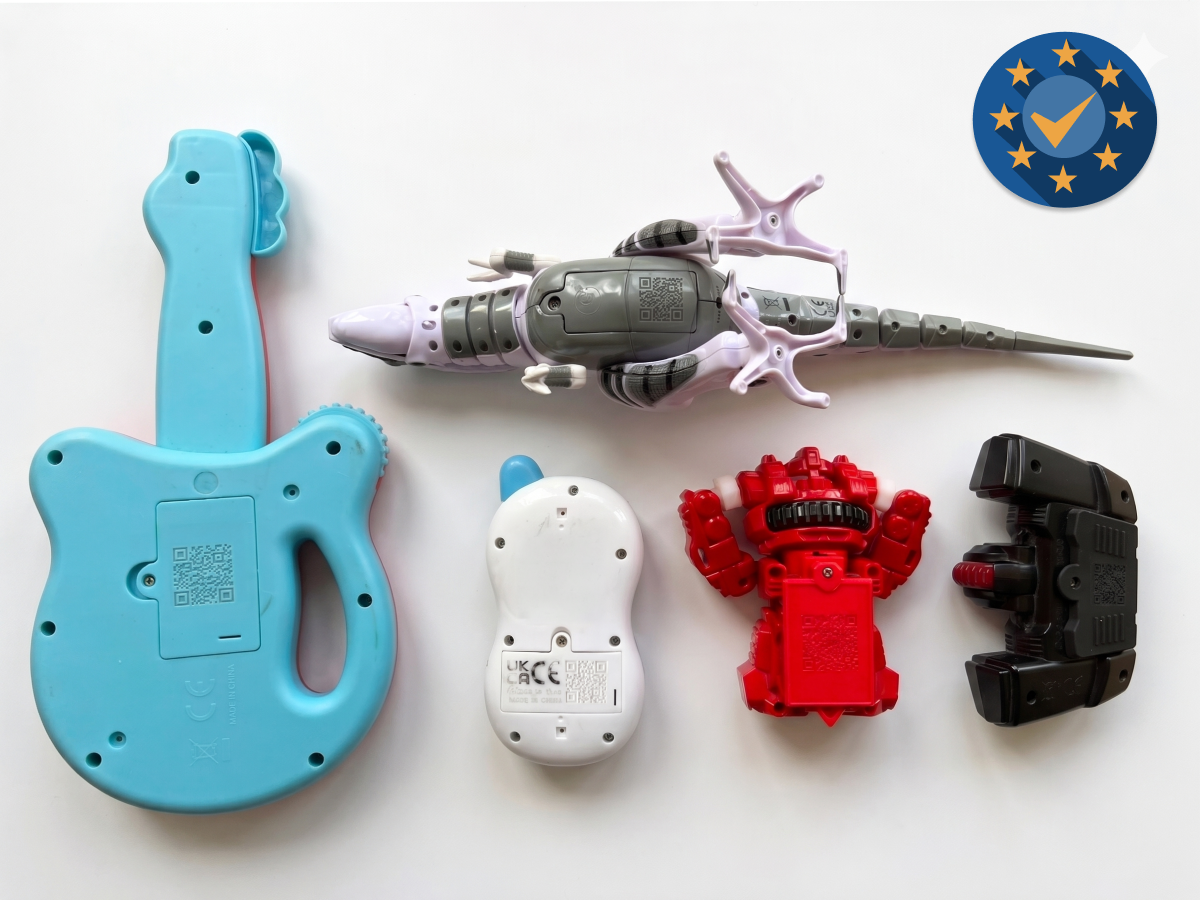
Once the product passports are created, ReToy generates QR codes that link directly to each DPP web page.
These smart labels would be embossed onto the toy’s battery plate during production, ensuring the guidance is always accessible even if the packaging is lost.
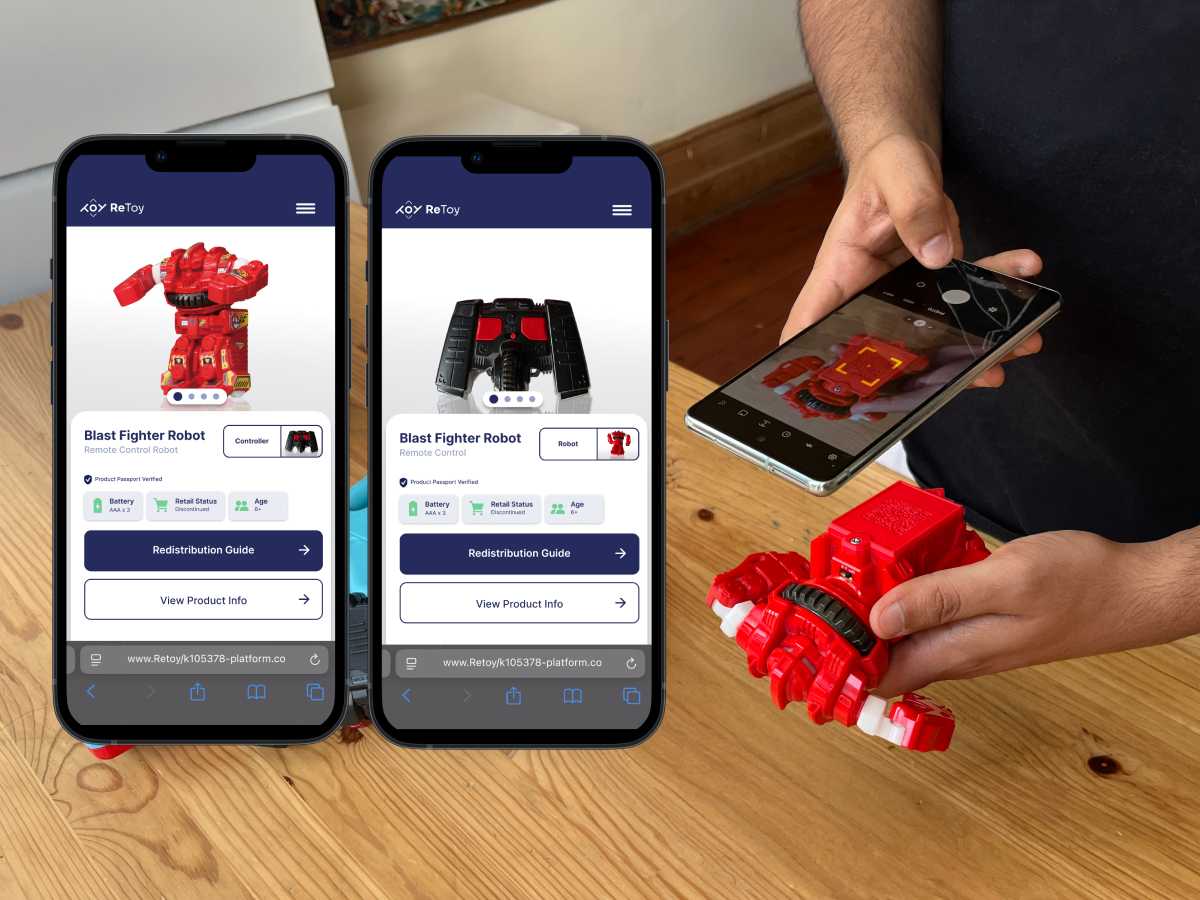
Users scan the embedded QR code to open the product’s DPP page. From there, they can view key product details and access repair, reuse, resale, donation, or recycling guidance.
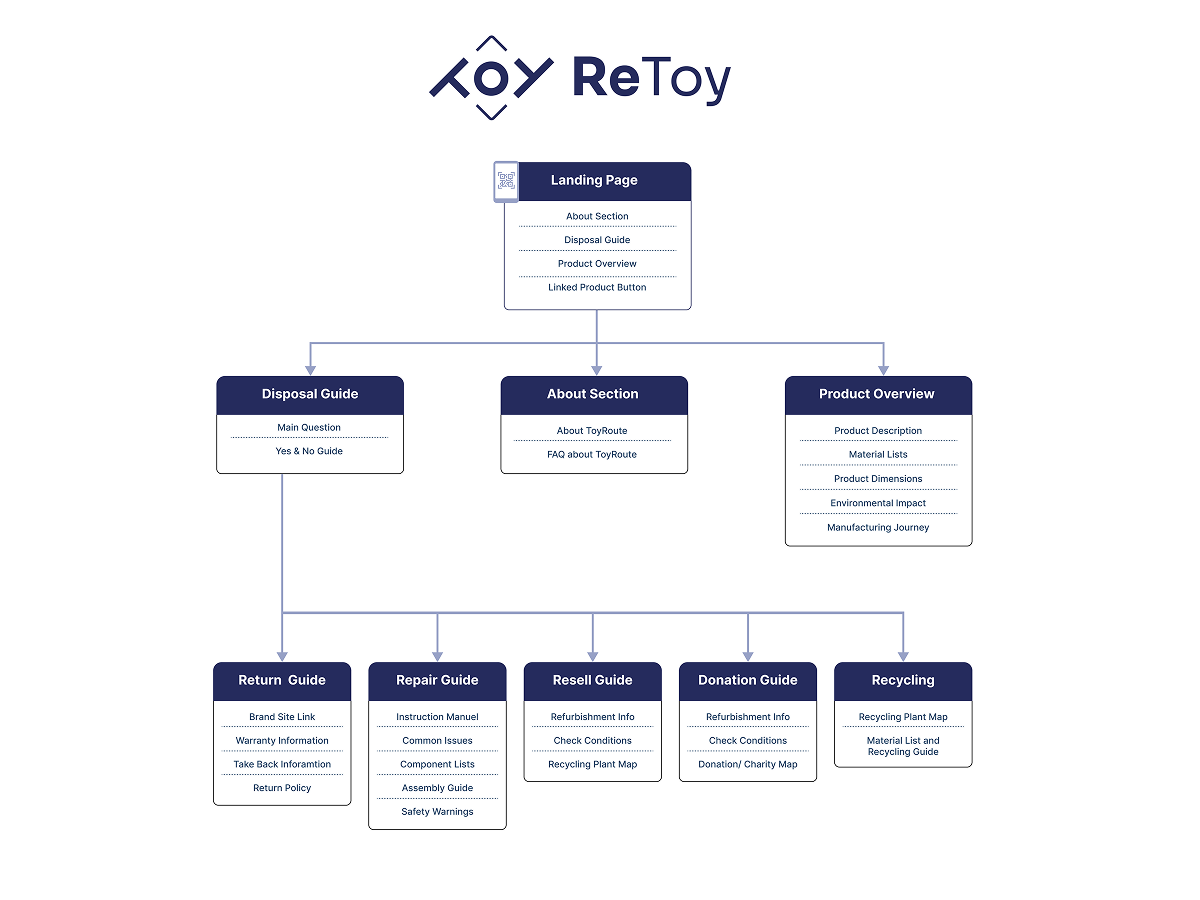
Each DPP features a simple decision system that helps users assess their toy and find the most suitable next step.
By answering clear prompts, users are guided towards the most appropriate end-of-life route based on the toy’s condition.
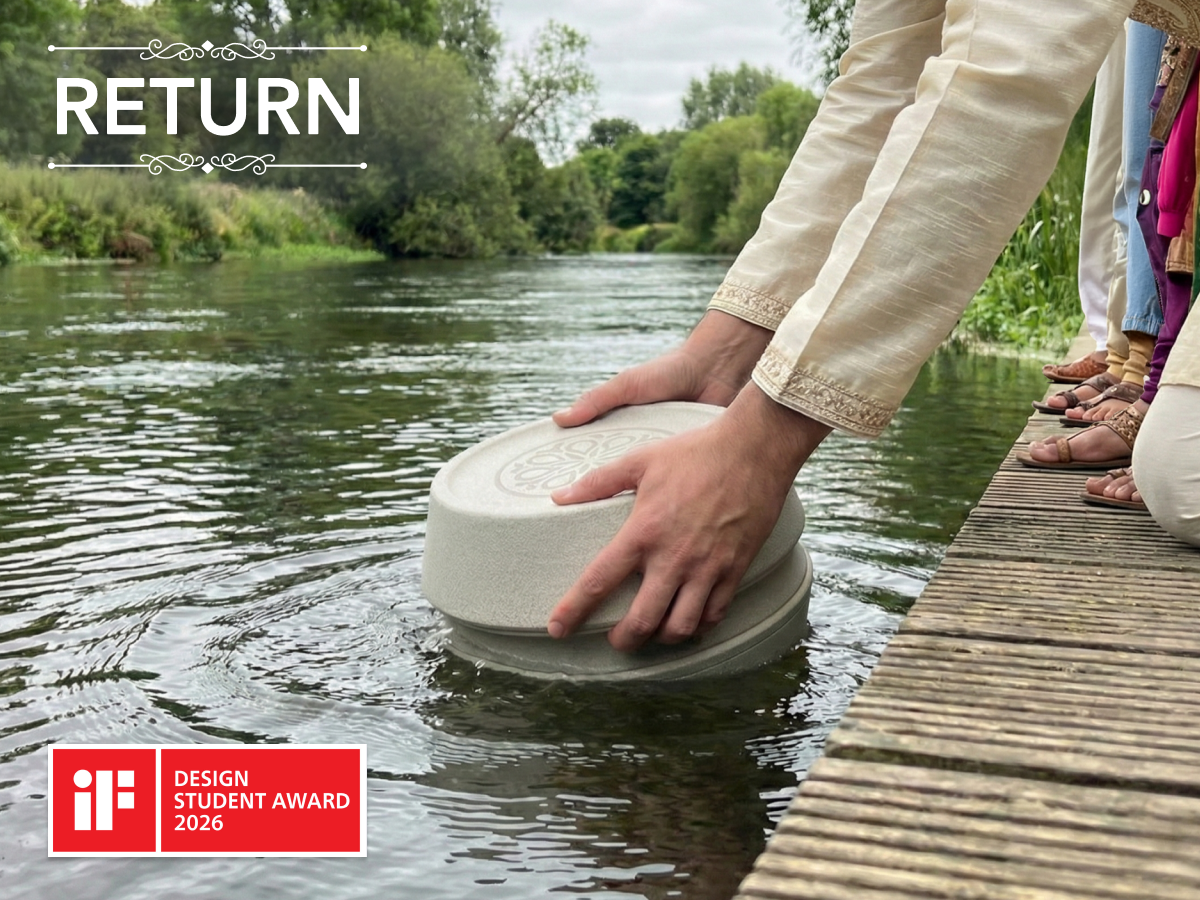
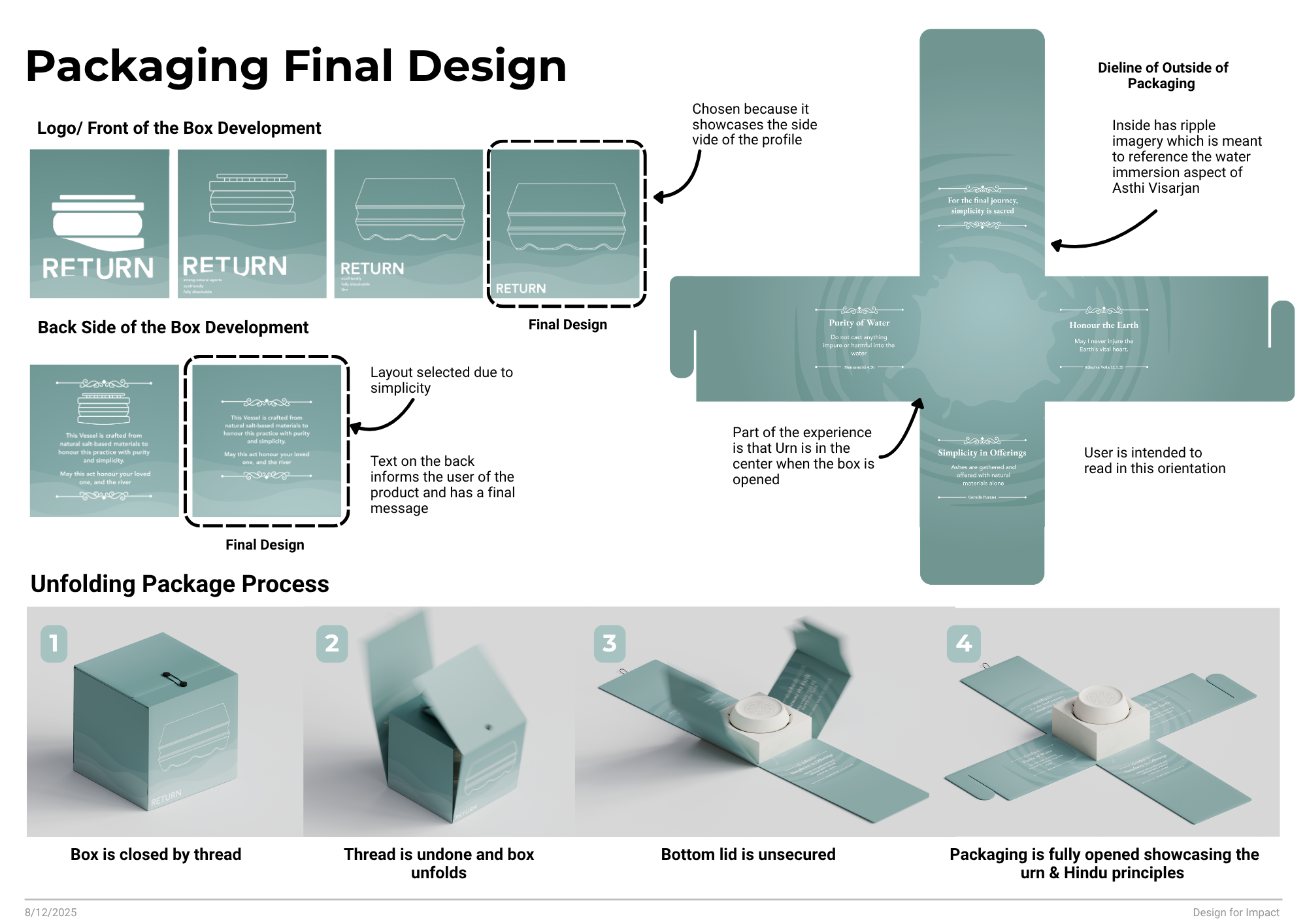
A biodegradable urn, which dissolves in water, is designed for use during Hindu rites (Asthi Visarjan). These rituals have often led to additional pollutants entering river streams.
The urn is designed to hold and release only ashes, as intended by scripture, while leaving nothing harmful in the river. This helps Hindu families carry out pollution-free final rites for their loved ones.
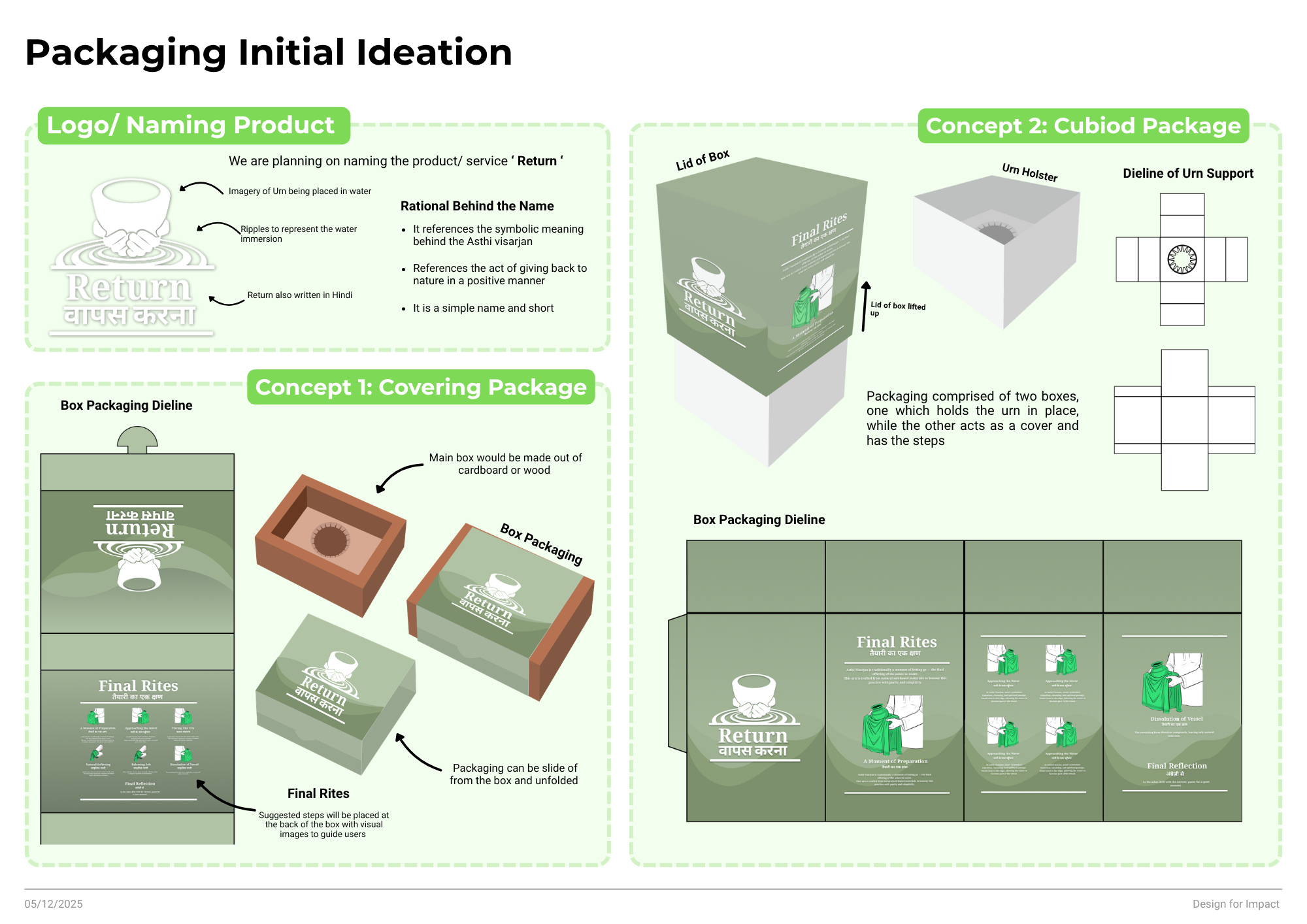
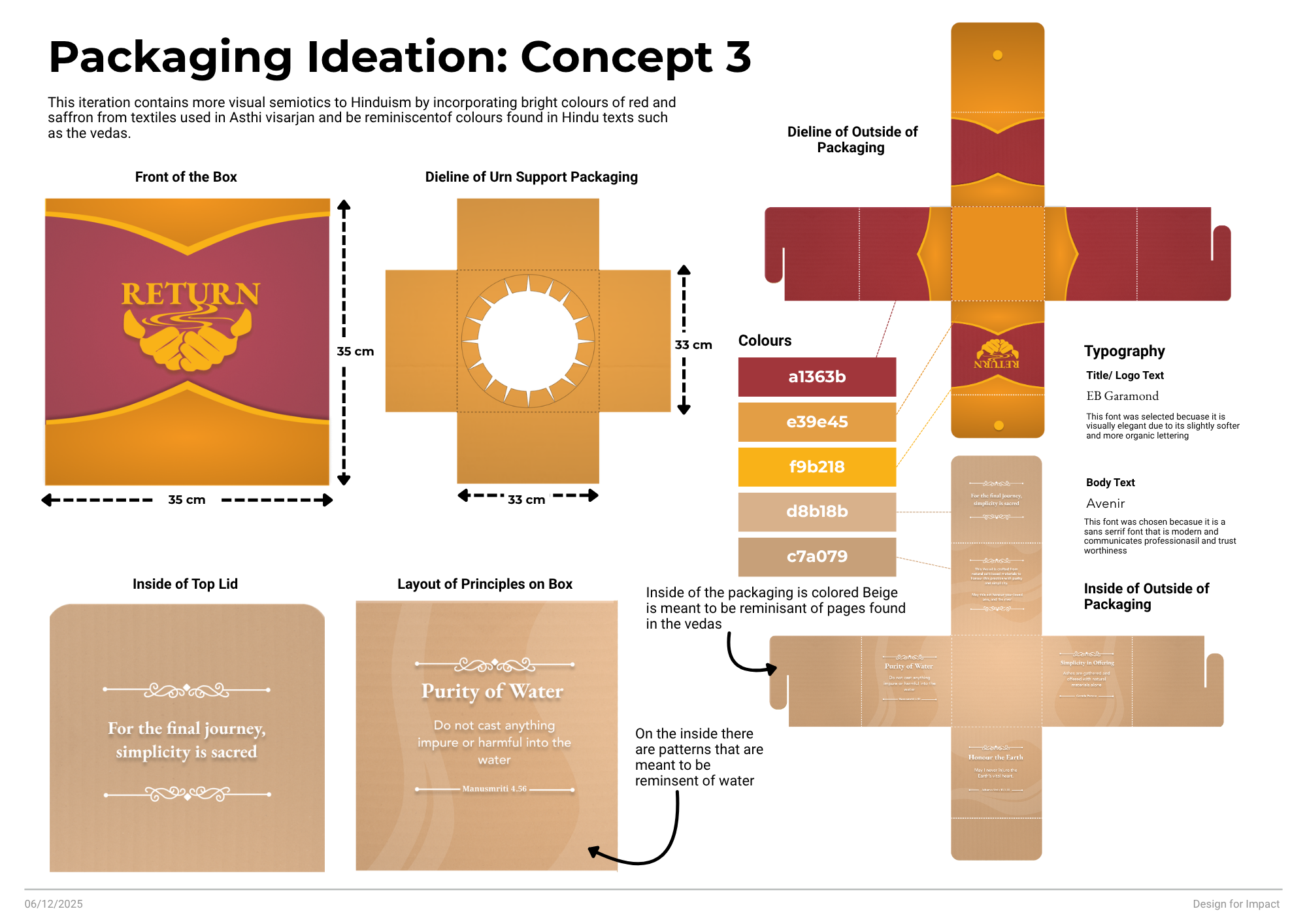
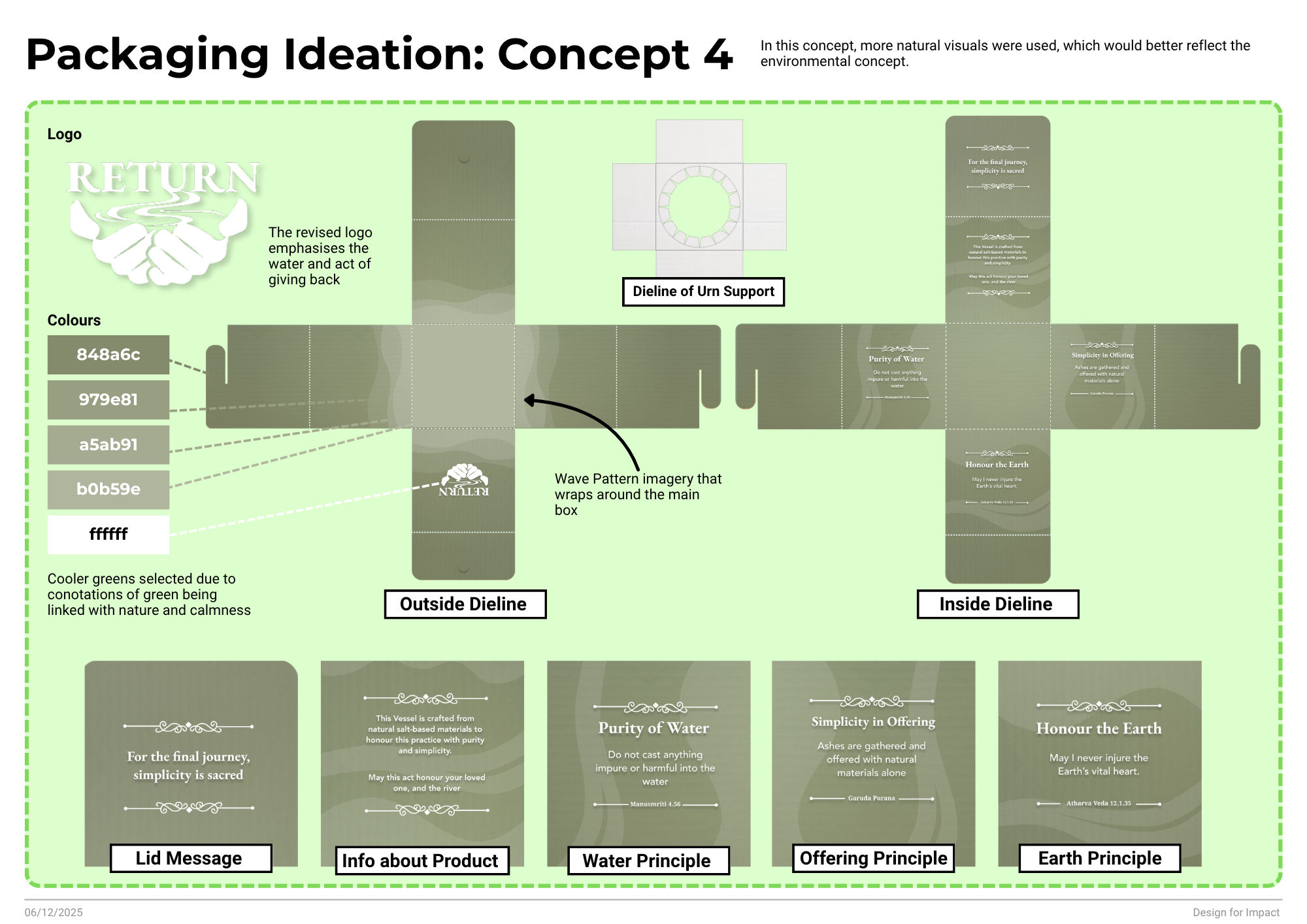
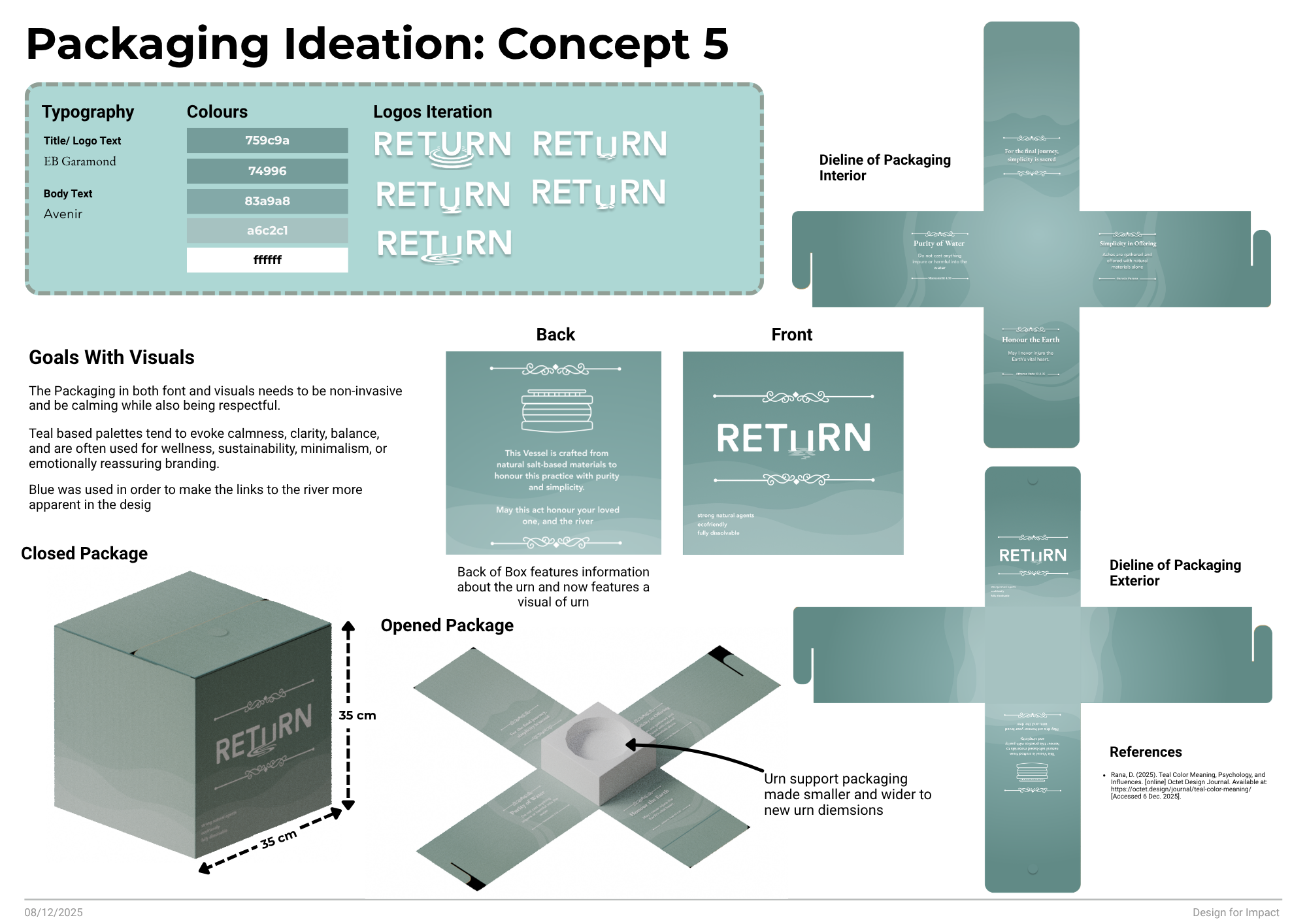
My main contribution to the team was developing the packaging design, focusing on how users would interact with it and how its visual language could communicate the concept, values, and intended experience.
for checking out my work!