Detect the hidden causes of damp, mould and heat loss early to prevent them becoming costly problems.
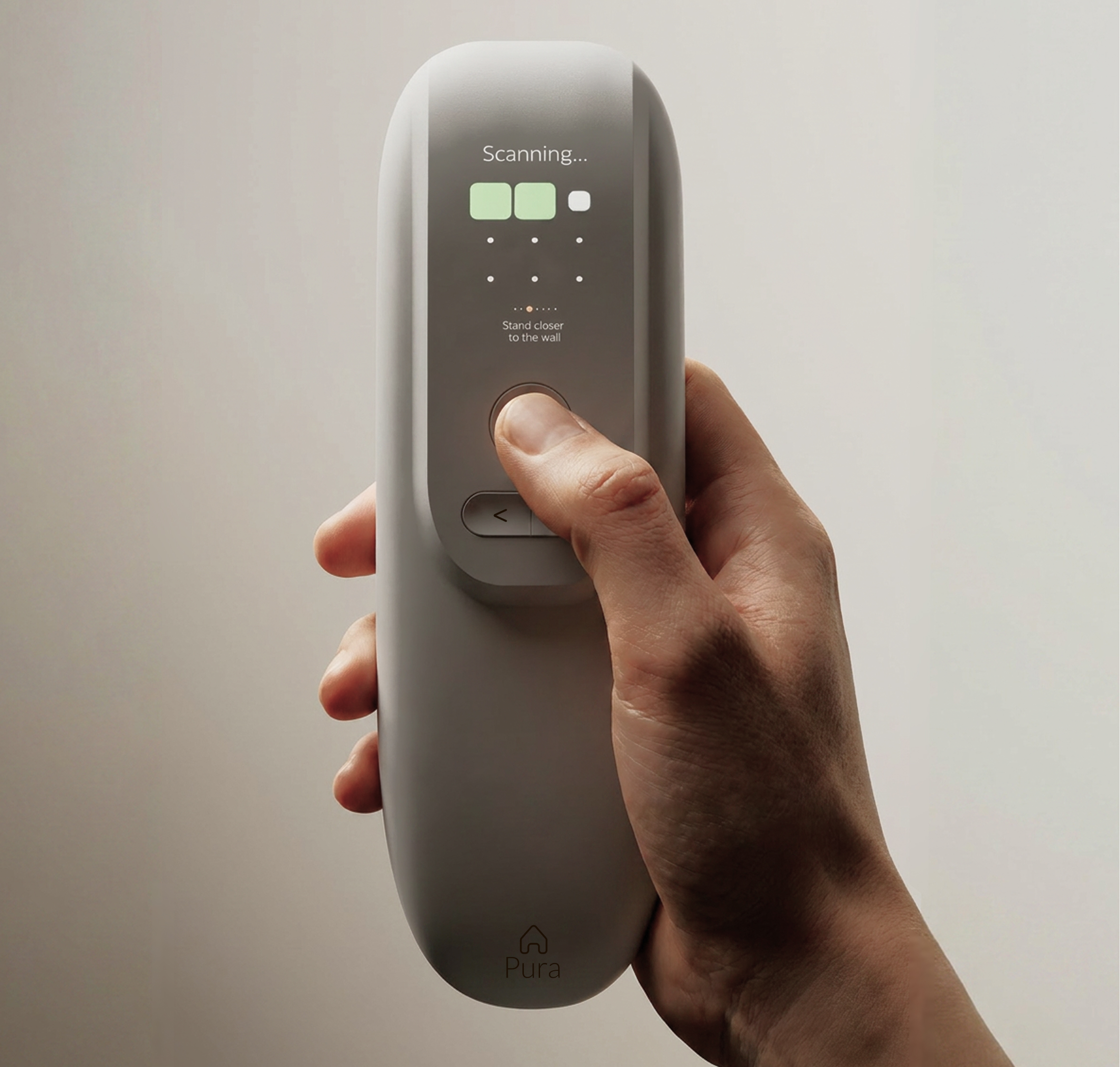
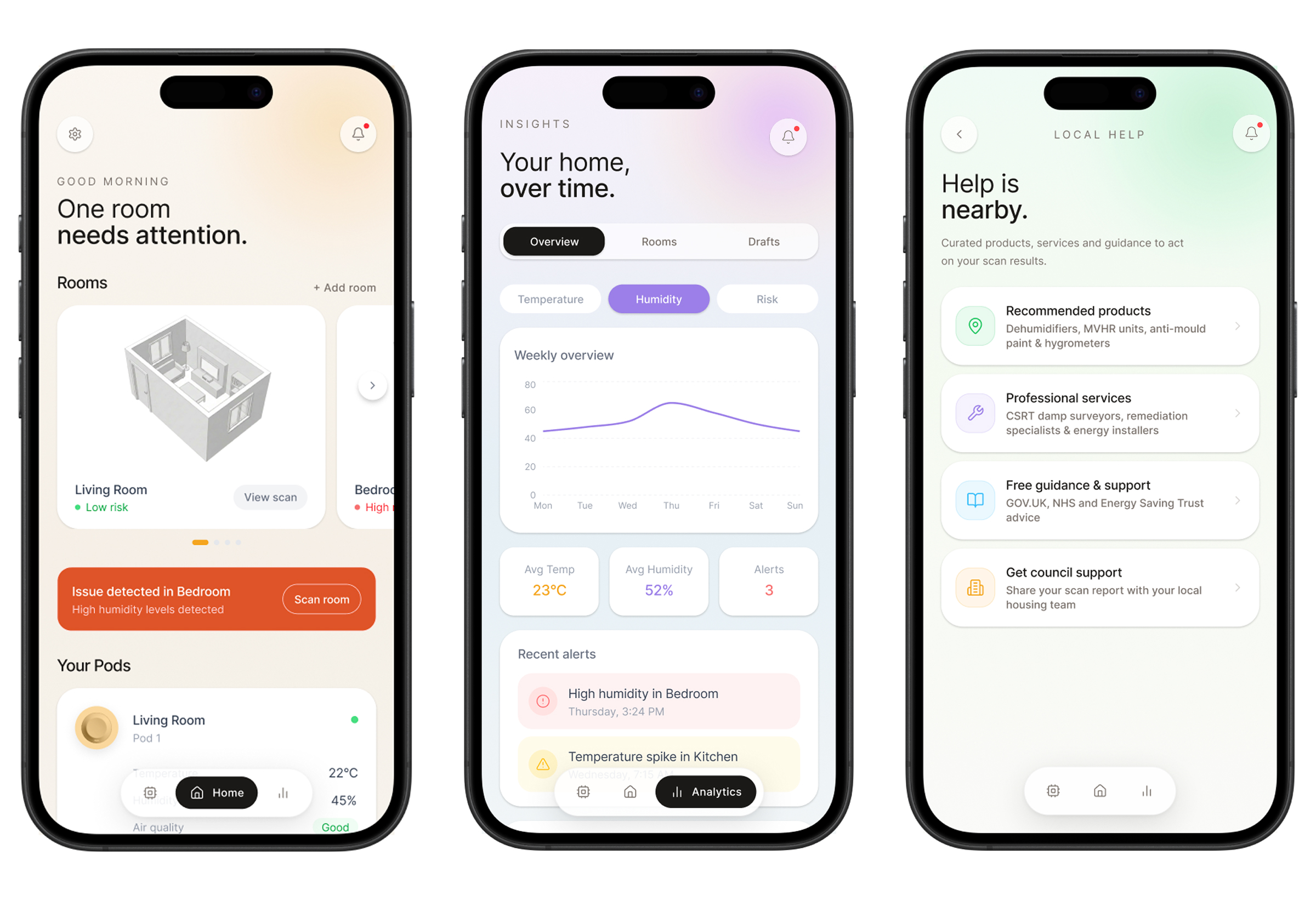
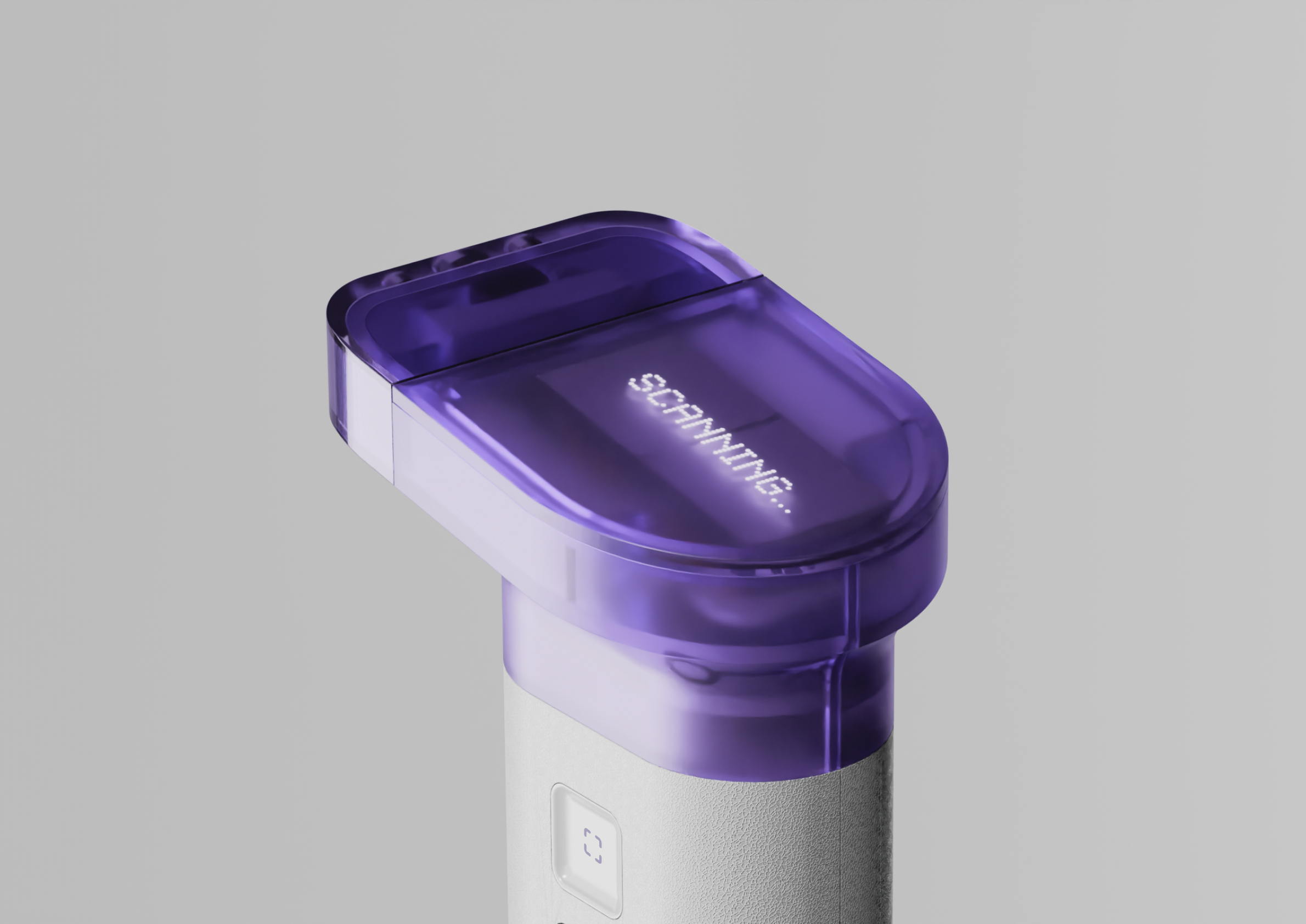
Damp and mould are among the most commonly misdiagnosed defects in UK housing, with assessments frequently over-relying on moisture meter readings leading to unnecessary costly treatments. Heat loss compounds the problem further, driving up energy bills and worsening indoor conditions over time. By the time these problems become visible, their main causes are difficult to identify, leading to structural damage and increased health risks. Pura is a home diagnostic system that identifies the causes of heat loss and moisture risks to guide homeowners through steps to resolve them. It consists of three Pods which track indoor conditions along with the Pura Scanner.



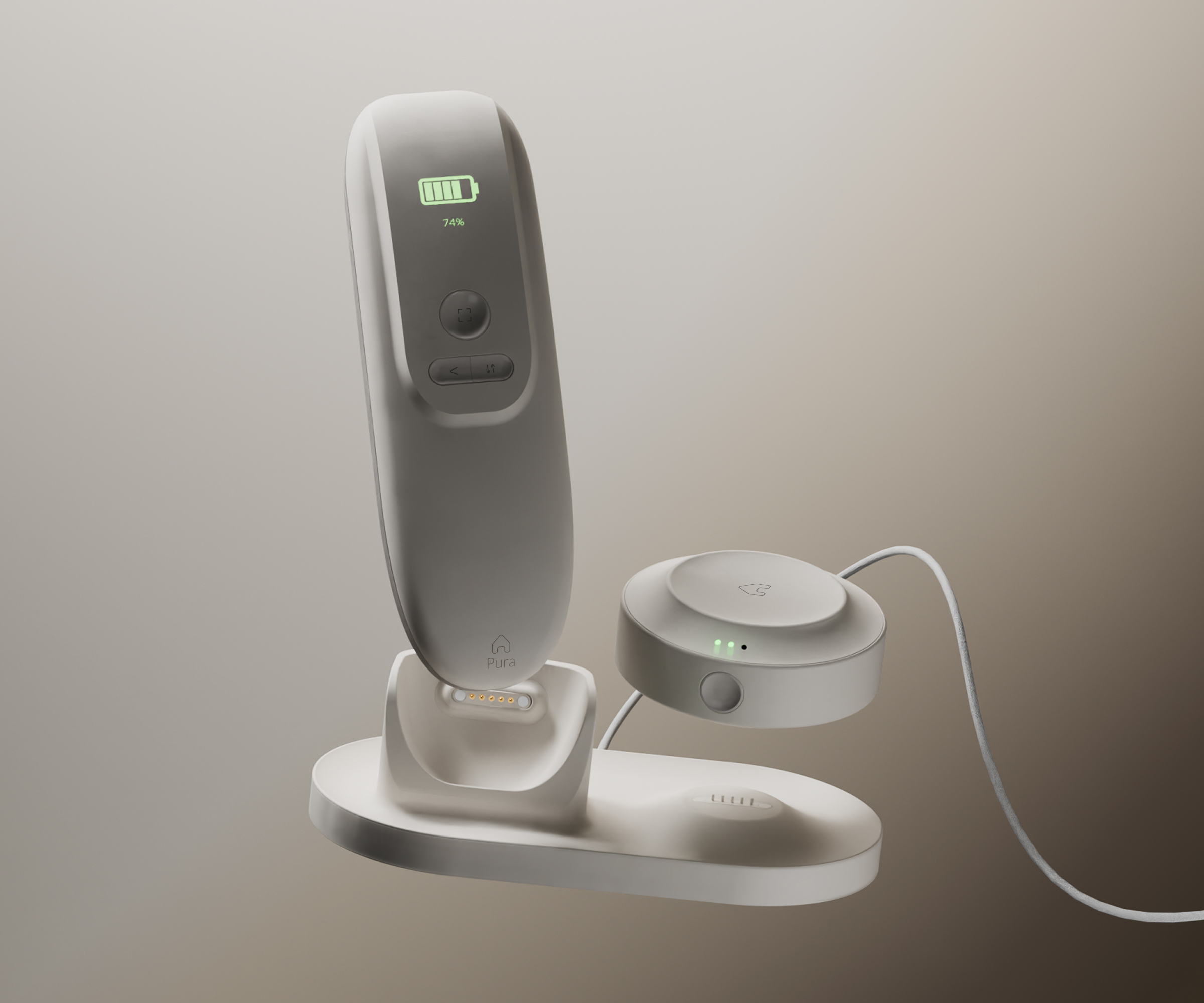
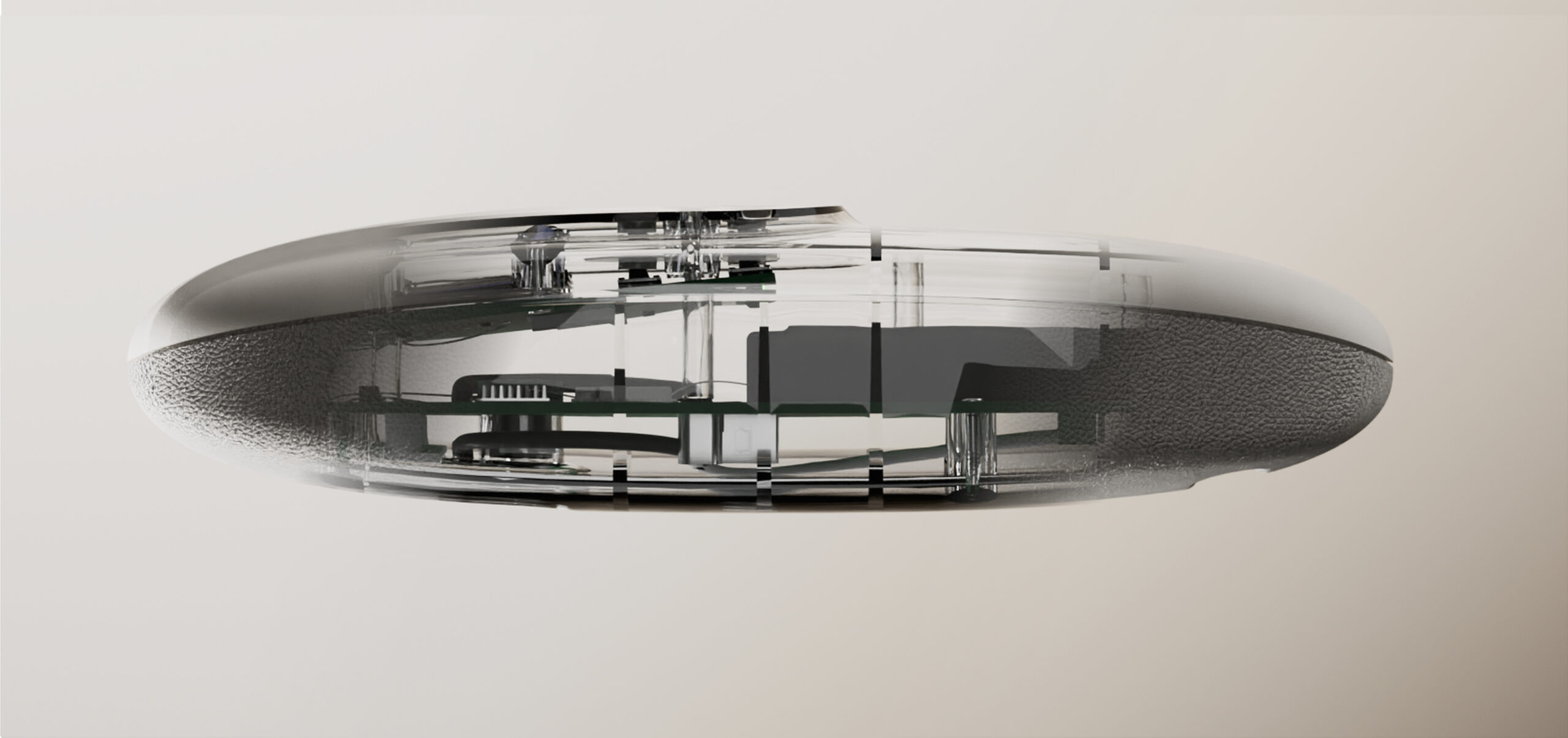
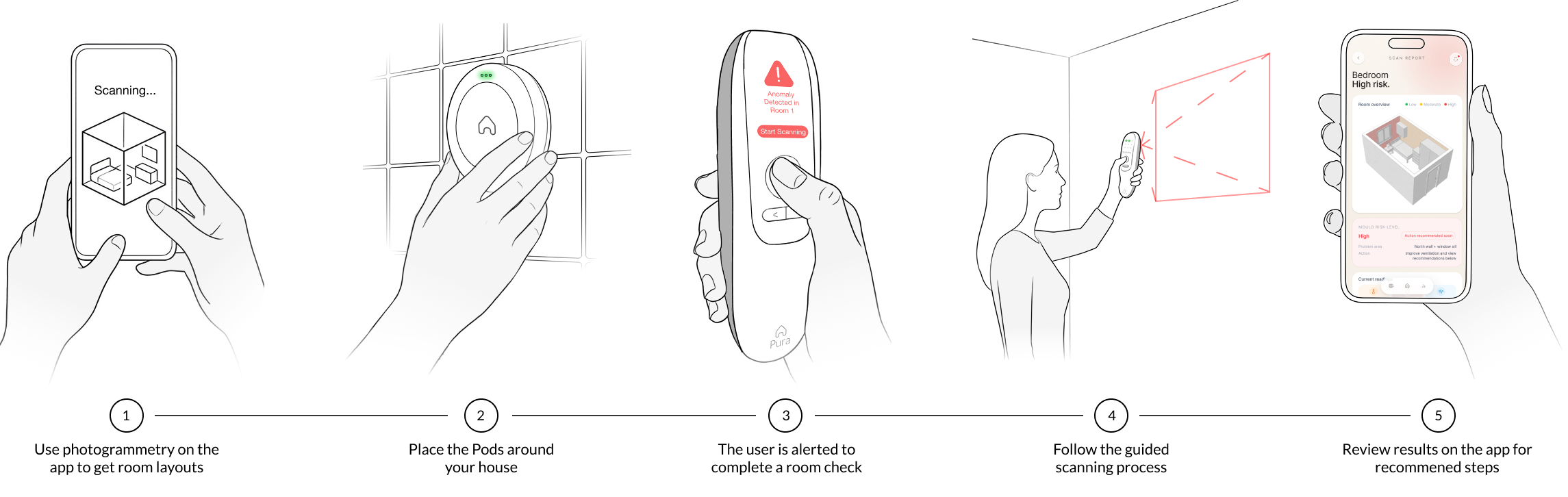
The Pods are placed in each room and when the system detects an anomaly, the user is notified to carry out the following checks with the Pura Scanner:
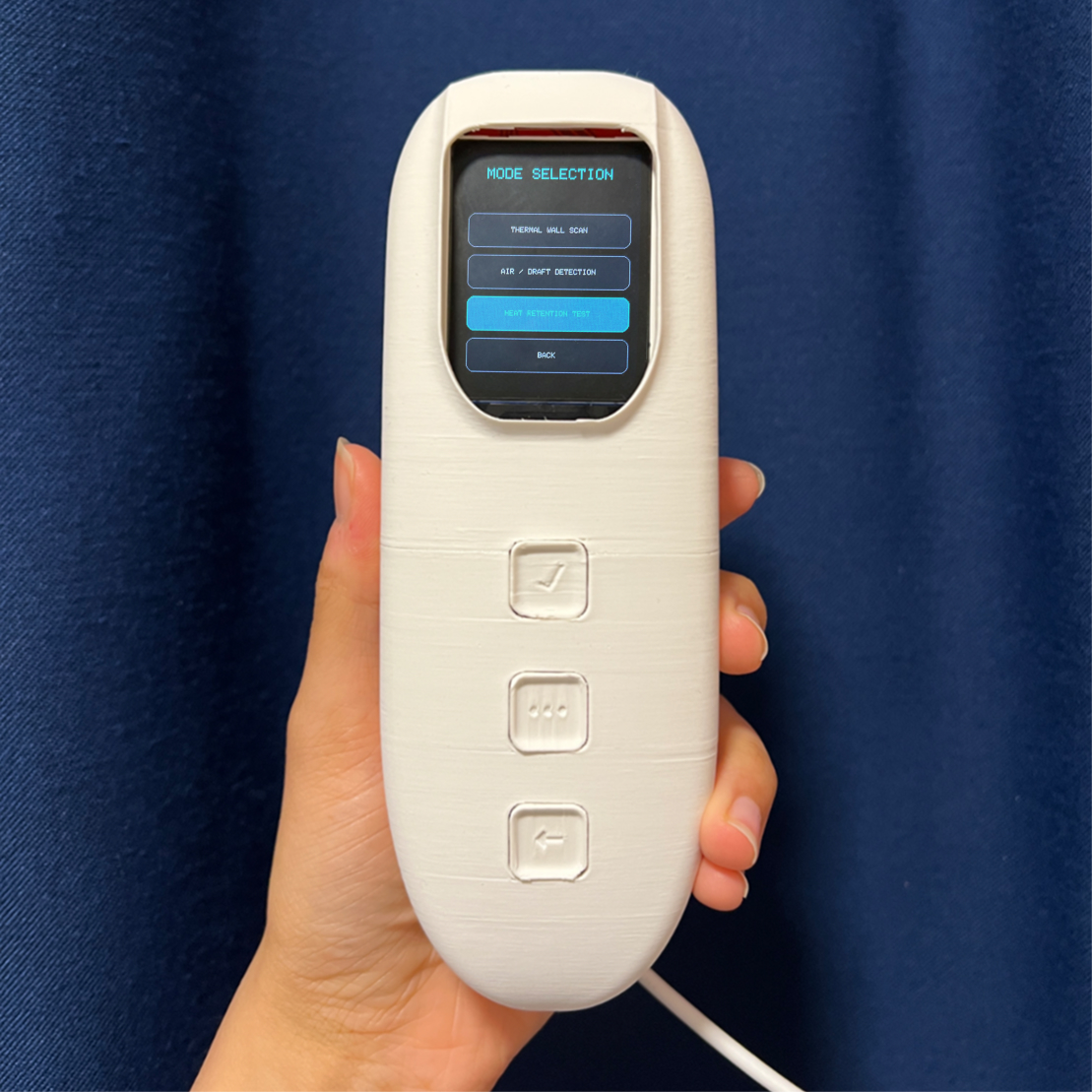
Thermal Map – IR camera creates heat maps and calculates dew point to find areas at risk of mould.
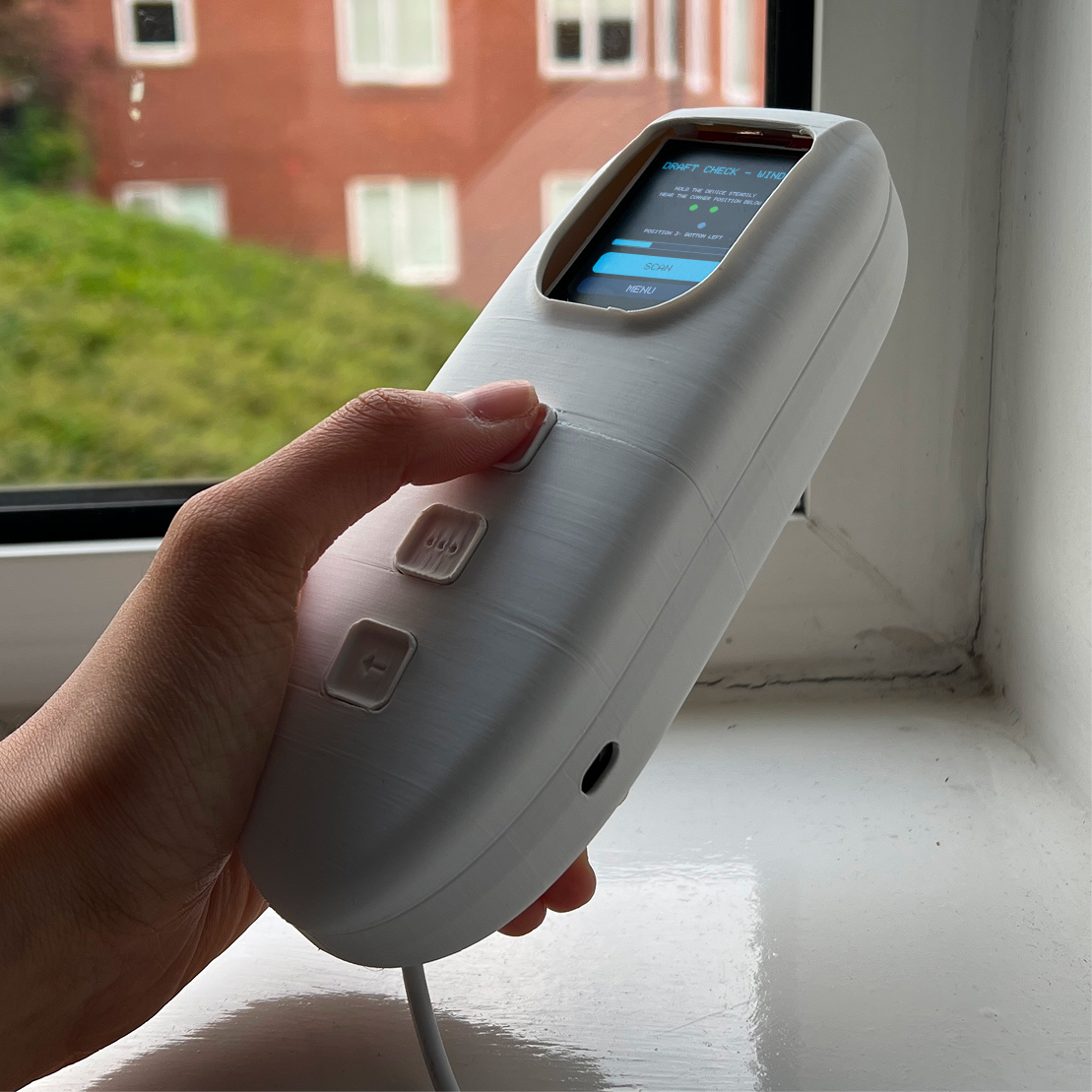
Draught Test – Air speed sensor detects air leakages around windows, doors, and openings.
Heat Retention – Measures temperature decay in rooms to assess insulation performance and heating efficiency.


The results are analysed using a logic framework derived from building physics and viewed on the app. Each combination of findings maps to a specific cause and a targeted action, giving homeowners the confidence to act early and protect the long term performance and efficiency of their home.
Pura can also be used by housing inspectors across the social and private housing sector to support faster, more defensible inspection decisions.
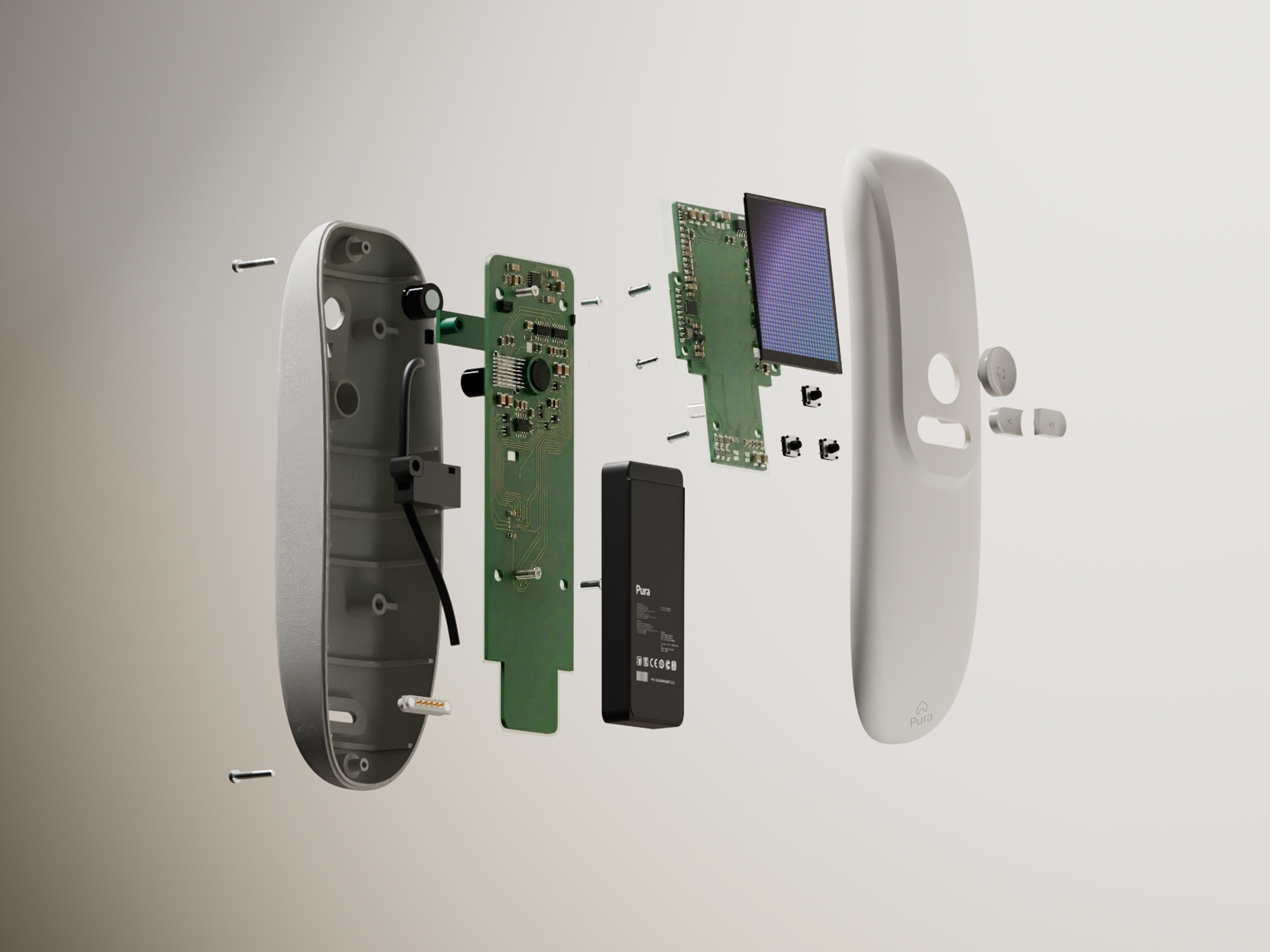
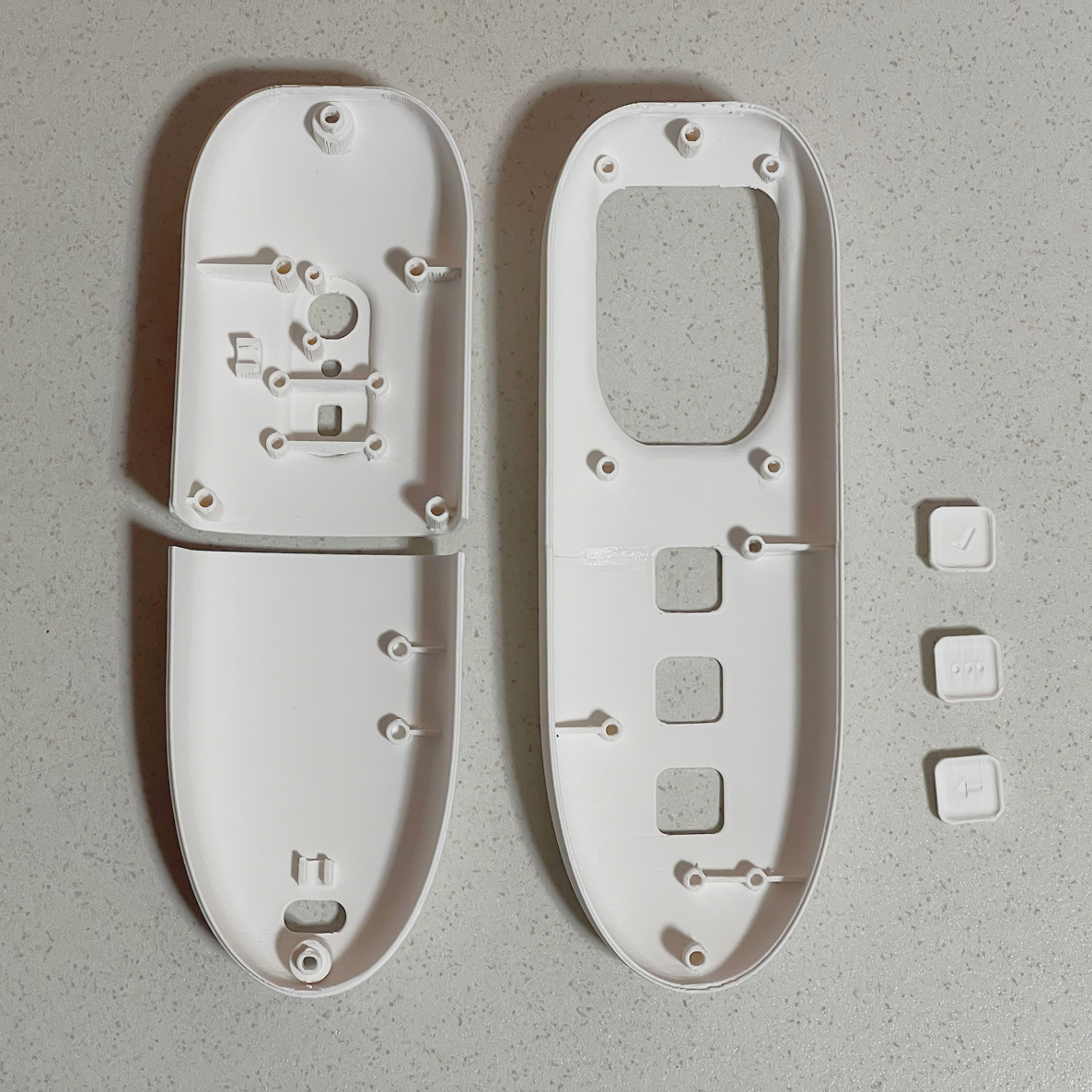
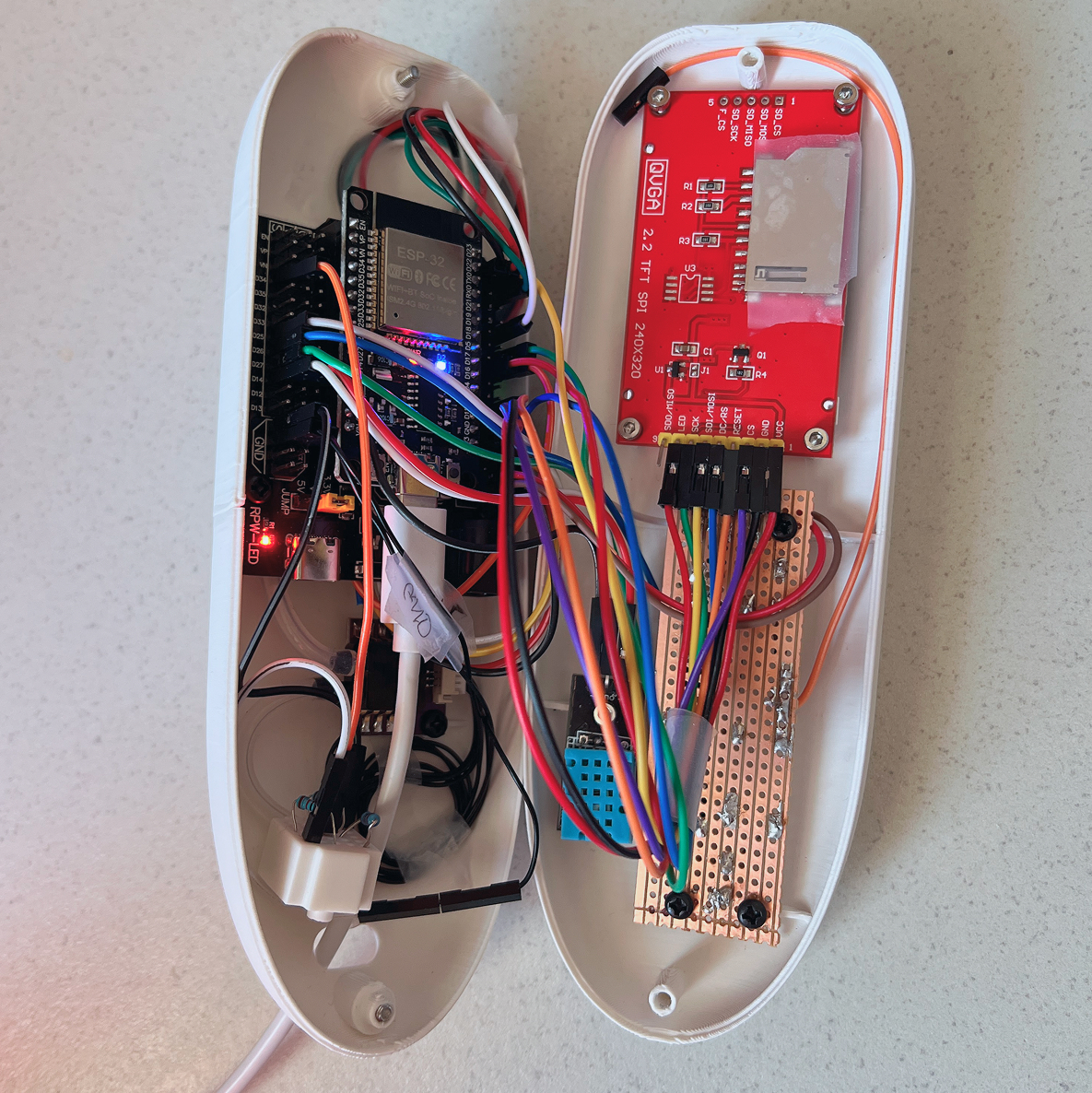
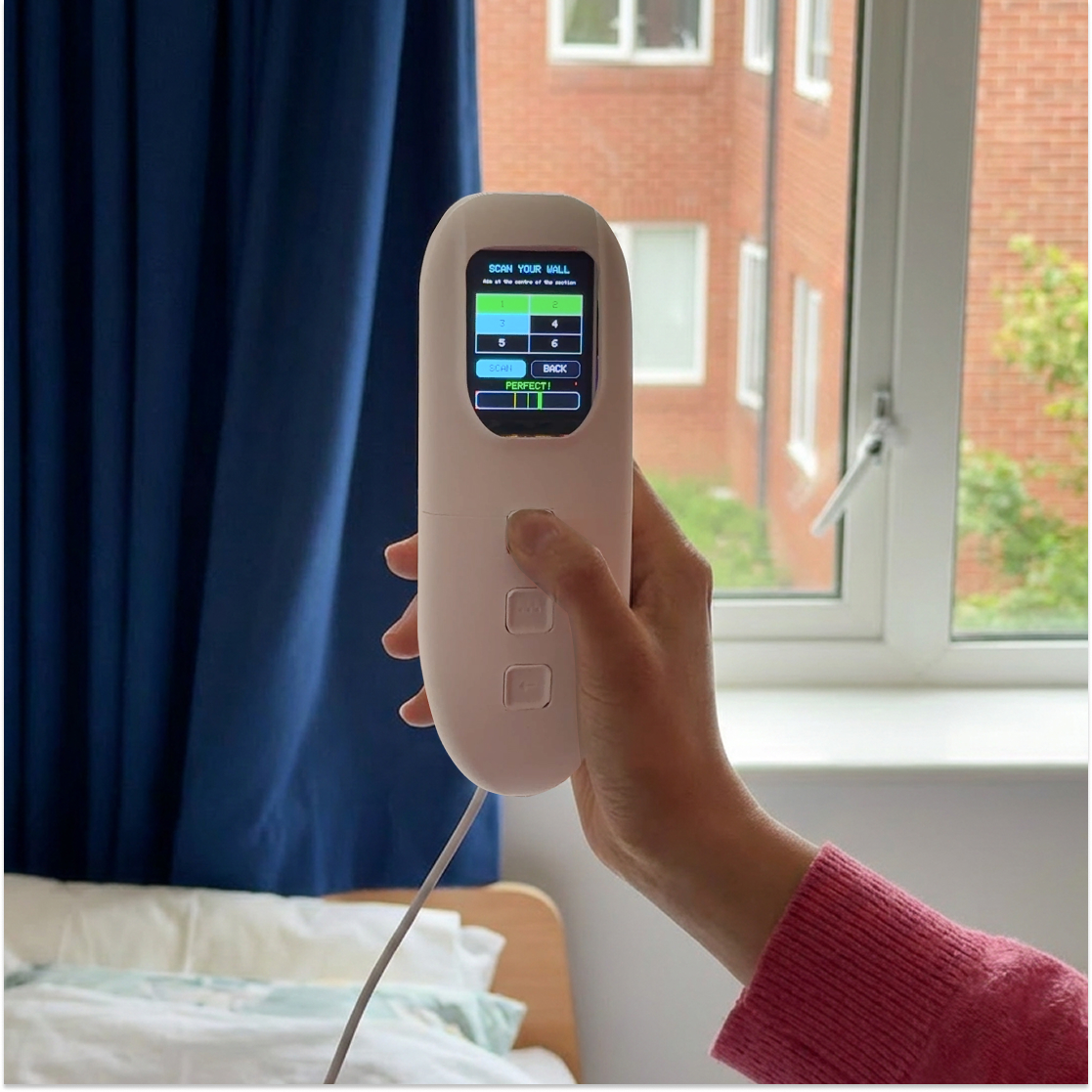
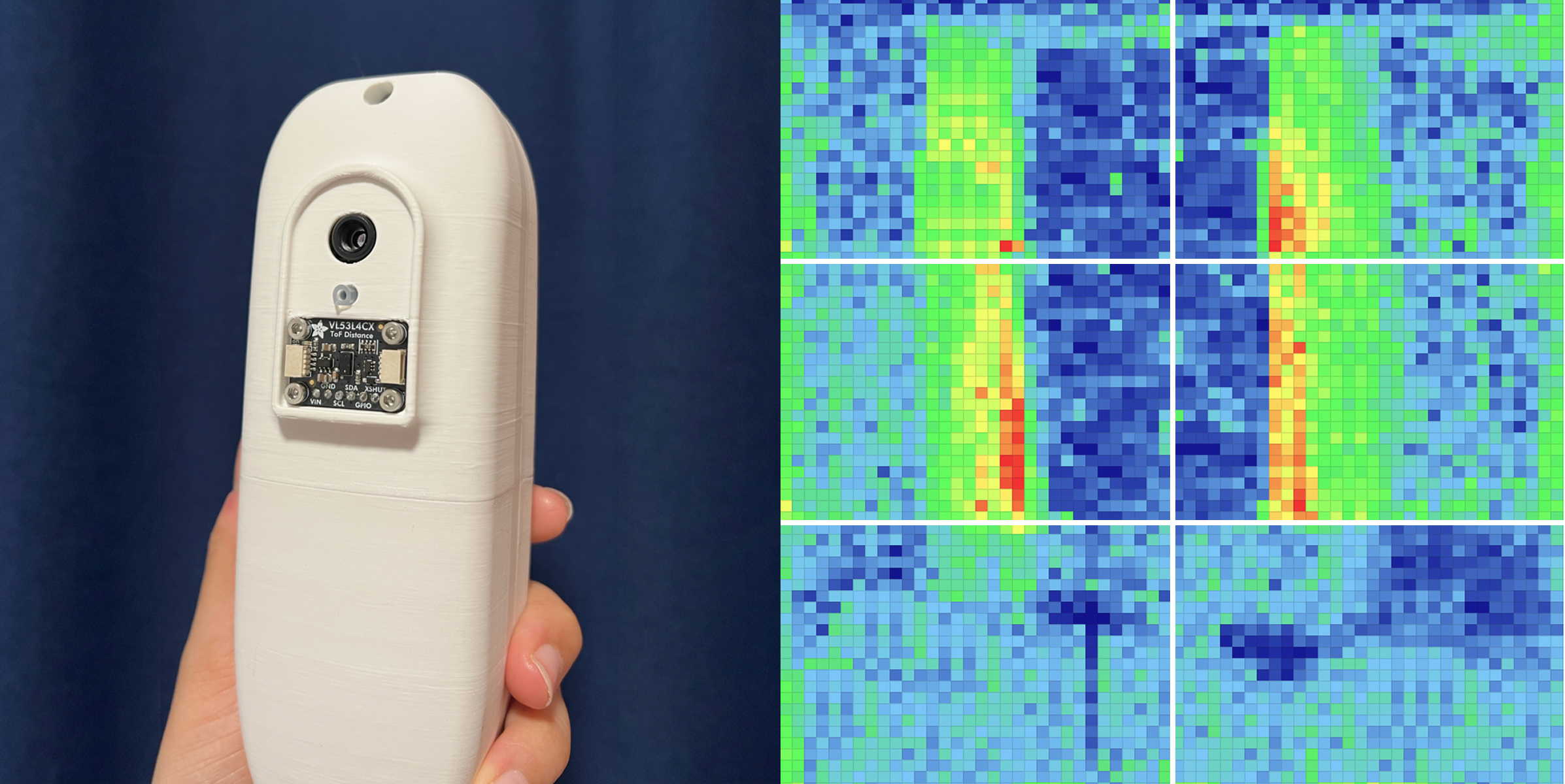
Multiple prototypes were developed and refined, testing component fit and ergonomics at each stage. The final prototype included an ESP32 microcontroller, TFT display, thermal array camera, and differential pressure sensor within a 3D printed enclosure. This was used to develop the mapping of thermal scans, position guidance and airflow calculations before being taken through user testing to evaluate the overall guided scanning experience.


The prototype could capture a full thermal map of a wall by stitching together multiple quadrant scans from the 32×24 pixel thermal camera. The code then calculated the percentage of the wall surface falling into different mould risk categories, comparing each pixel’s temperature against the dew point from humidity and temperature readings in the room. This gave a breakdown of problem areas across the wall which users viewed in a mock up app during testing.

Helix is a handheld wound and scar monitoring device designed to detect early signs of infection and inflammation during recovery, helping patients and clinicians stay informed between appointments. This project was awarded 1st place for the IDC brief.

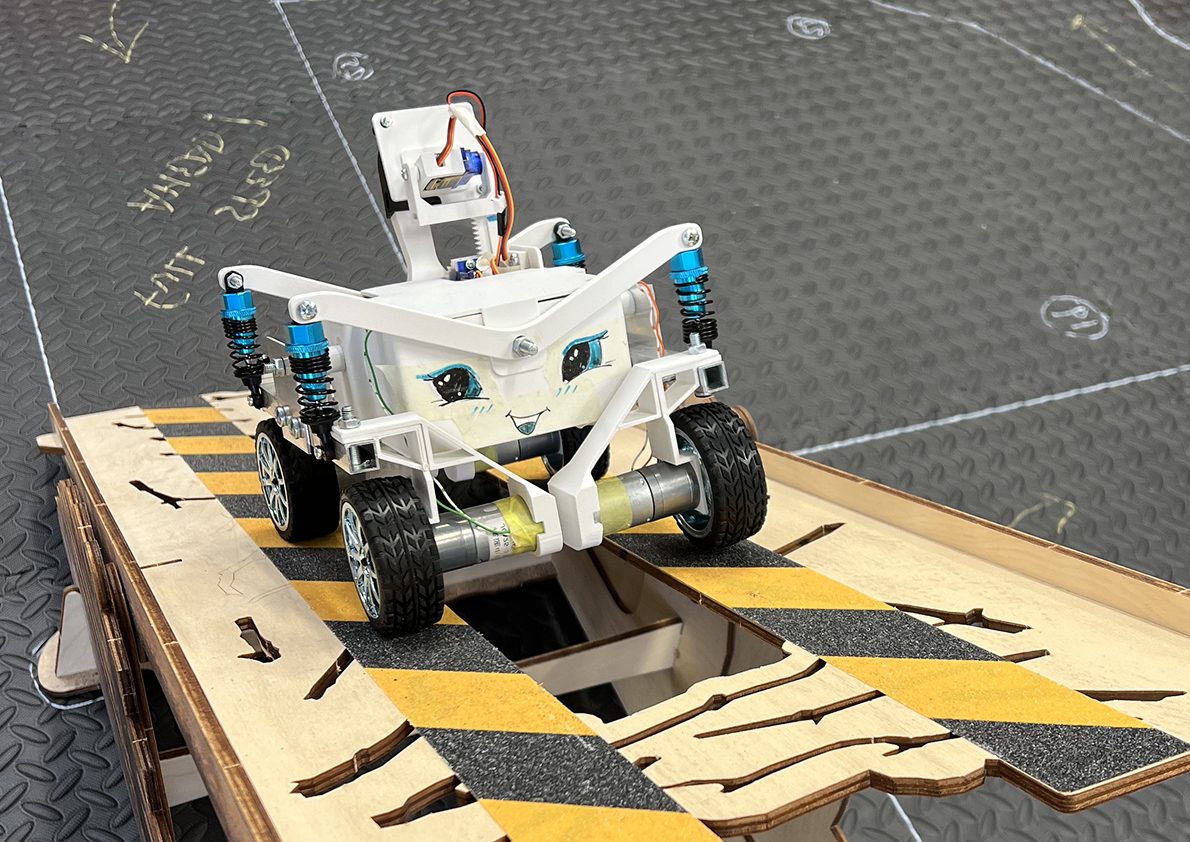
Designed and built a wireless robot capable of navigating a course with obstacles and extinguishing candles placed at different heights.

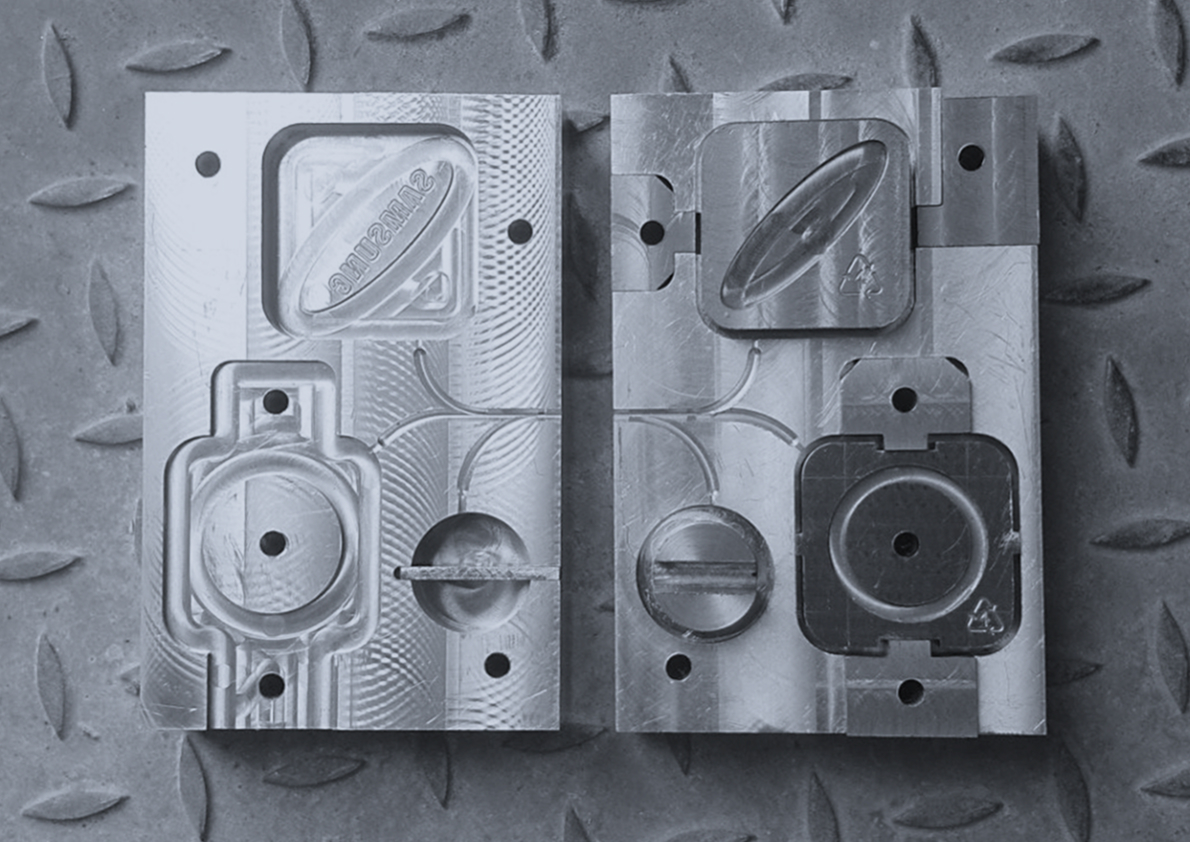
An injection mould tool for a Samsung promotional cable tidier. The mould tool was designed to have uniform wall thickness around the product, proper insert removal and machinable parts in the workshop.
Junior Product Designer at Idea Reality Design Consultancy – 2024/25
During my year at Idea Reality, I contributed to numerous client projects, supporting different stages of work including ideation, concept development, 3D printing and design for manufacture. I developed CAD models and KeyShot renders for presentations and took on responsibilities like communicating with suppliers. Working across a variety of projects and presenting directly to clients improved my confidence as a designer and ability to deliver manufacturable solutions under tight deadlines.