Hi, I'm Naomi! A problem-solving designer focused on creating sustainable and ergonomic designs that enhance user comfort while encouraging environmental awareness. I enjoy combining futuristic ideas with timeless design methods, bringing classic principles into a modern and functional experience.
EduQuest
An inclusive smart board game for neurodiverse learners.
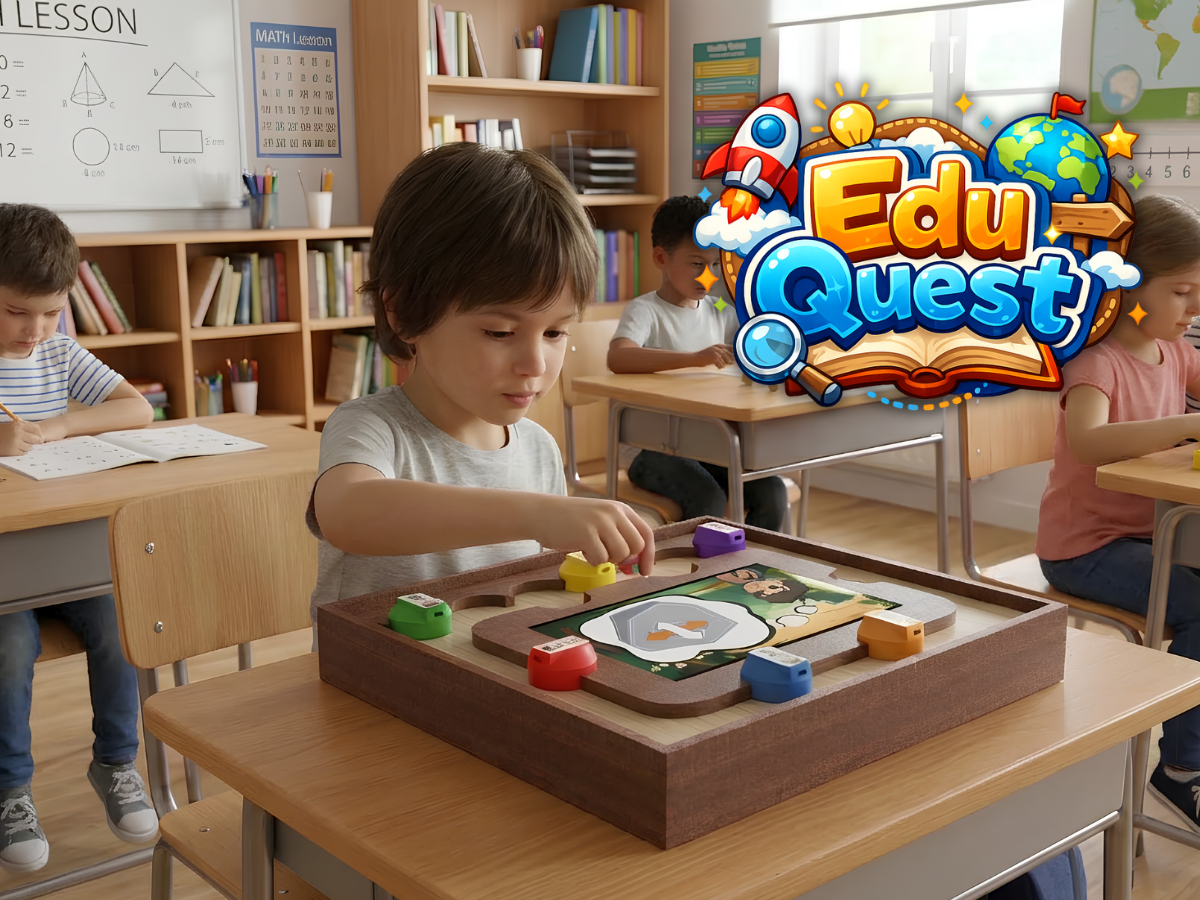
Many neurodiverse children in mainstream primary schools struggle to remain focused and engaged during lessons. Teachers often have limited time and resources to provide personalised support or create additional learning materials tailored to children with ADHD and autism. As a result, some children can fall behind academically or feel less involved in classroom activities.
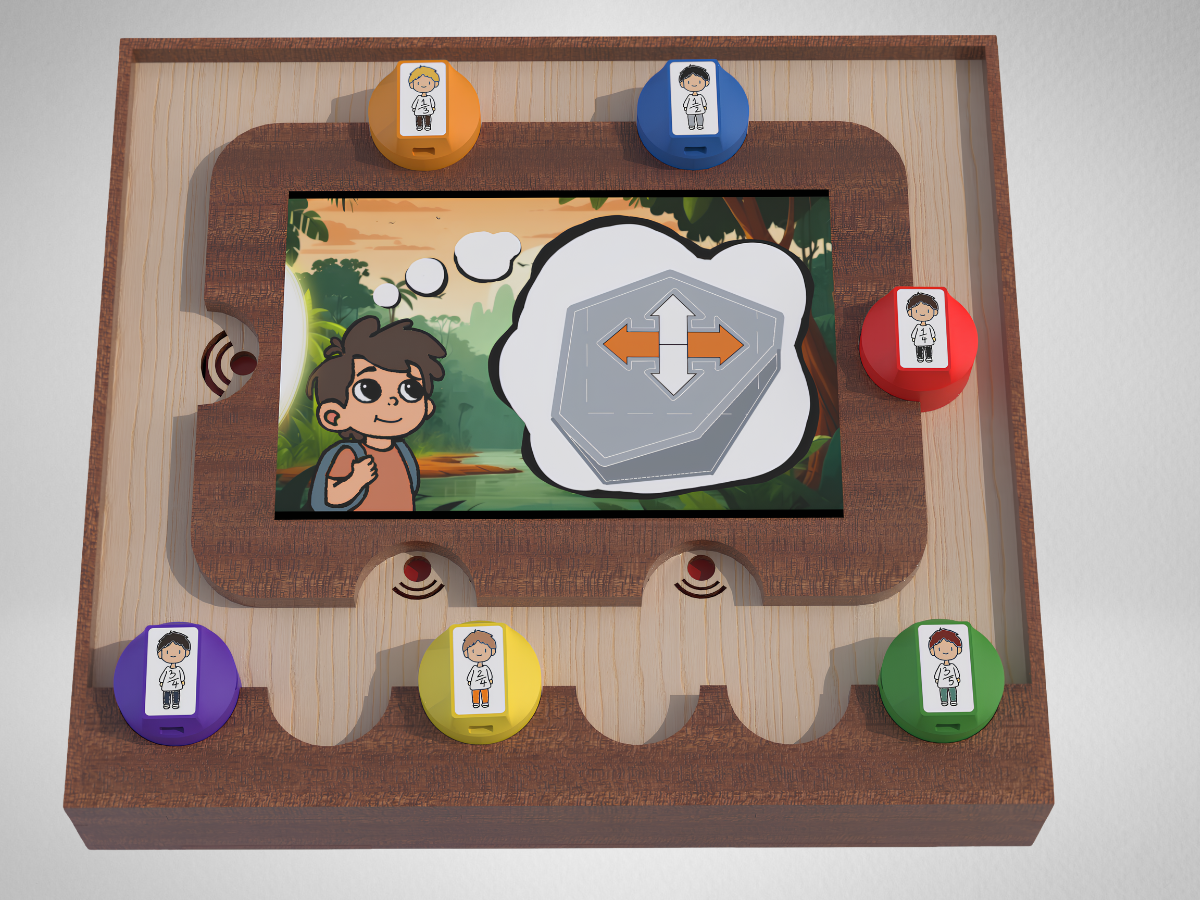
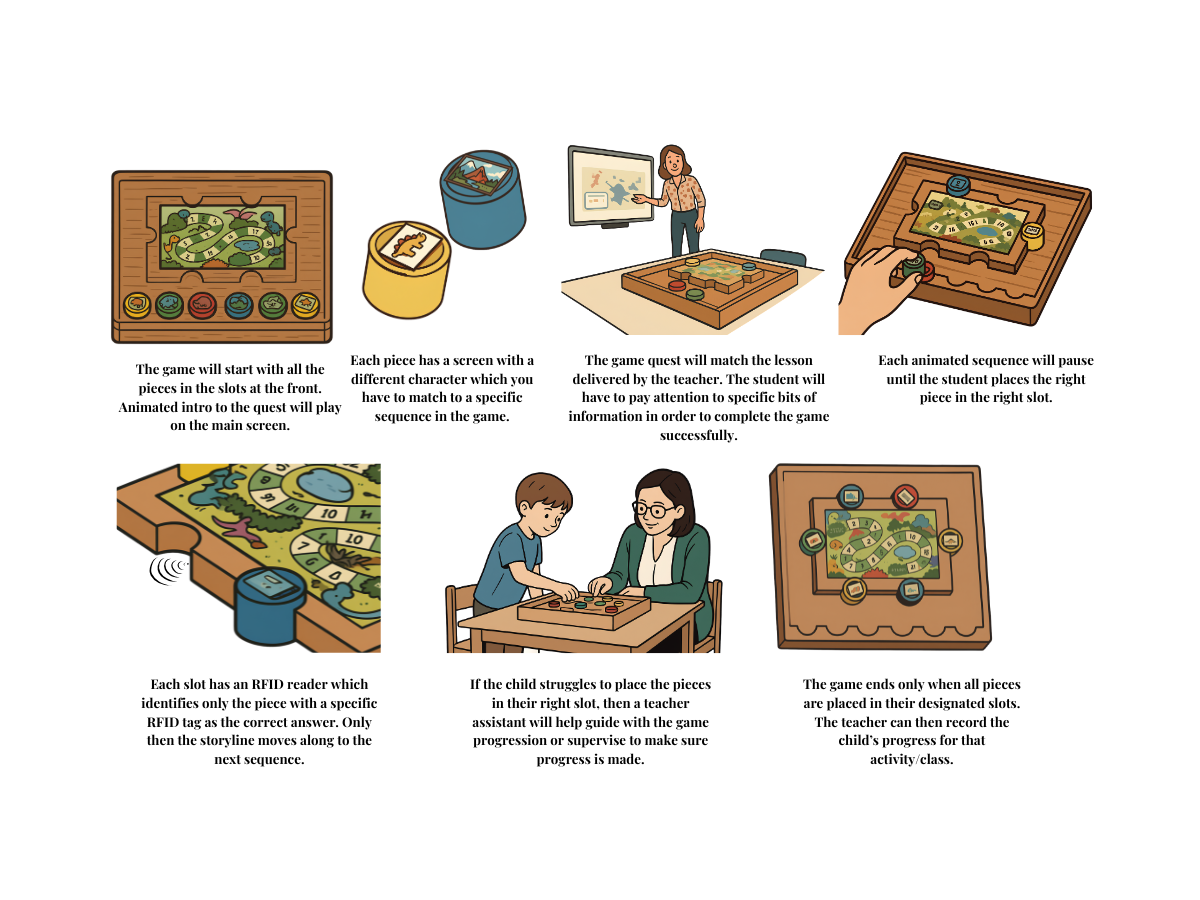
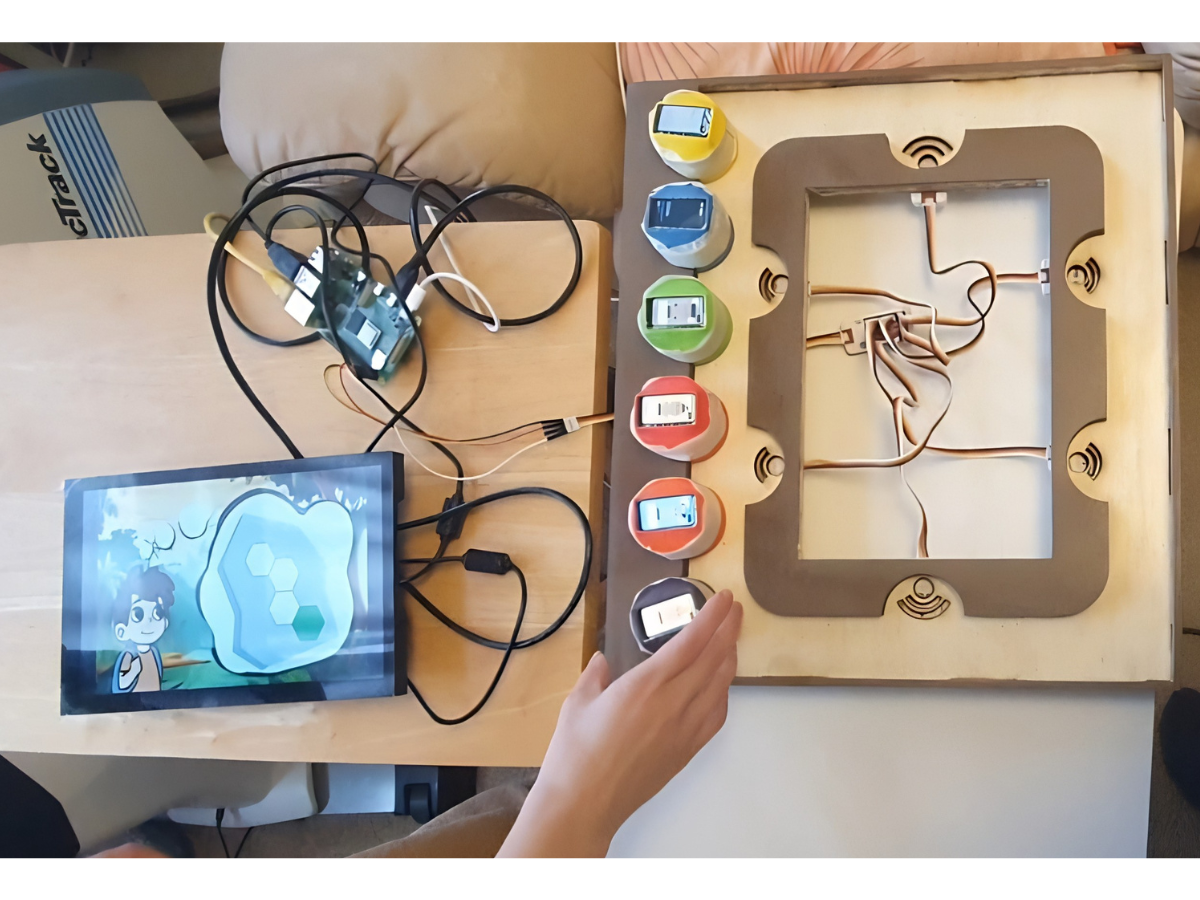
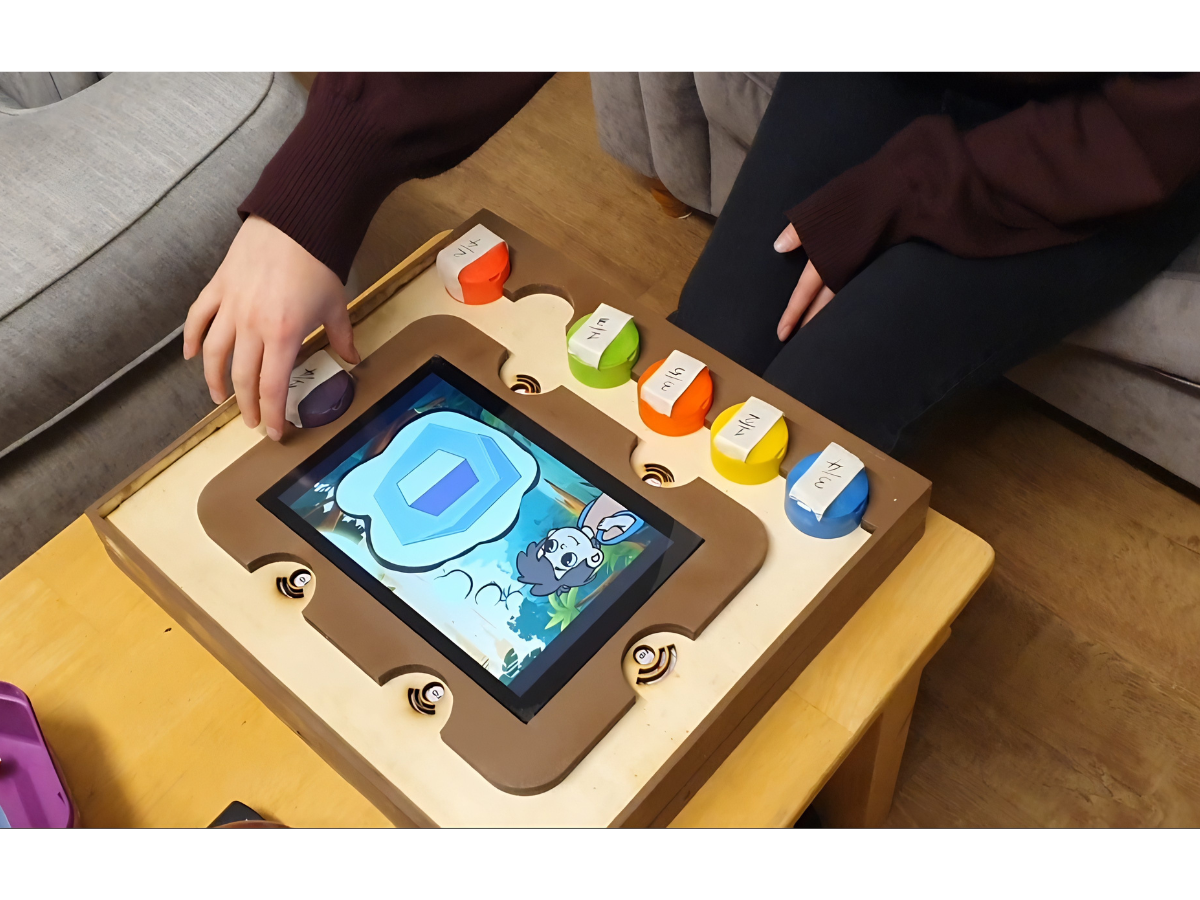
This project proposes an interactive smart board game designed to support neurodiverse primary school children through engaging, play-based learning. The system uses a central display screen and interactive game pieces that children place in the correct sequence to progress through an educational storyline linked to classroom lessons. Teachers can customise the game content to match specific subjects and lesson plans, while a connected mobile app allows them to track the child’s progress and adjust difficulty levels based on their learning needs.
RFID Tag-Reader Concept
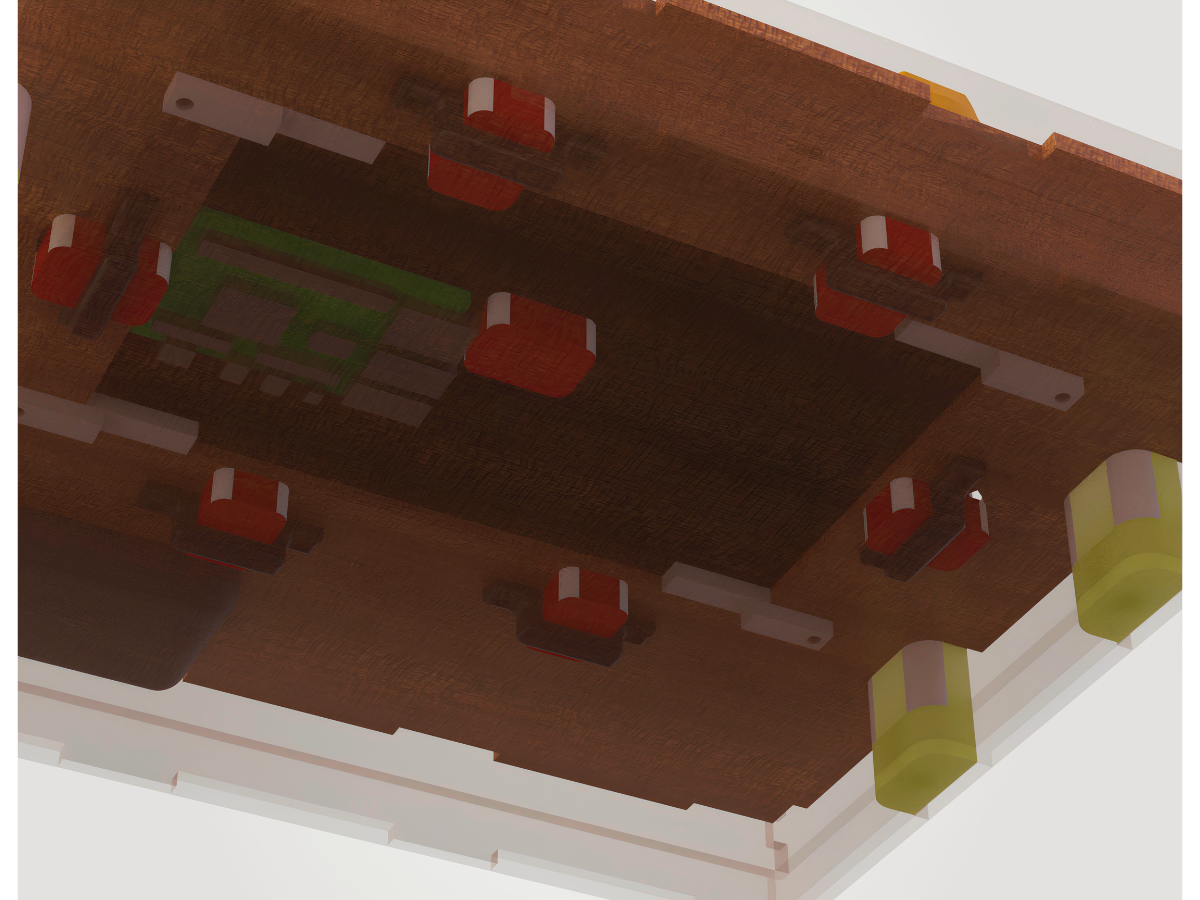
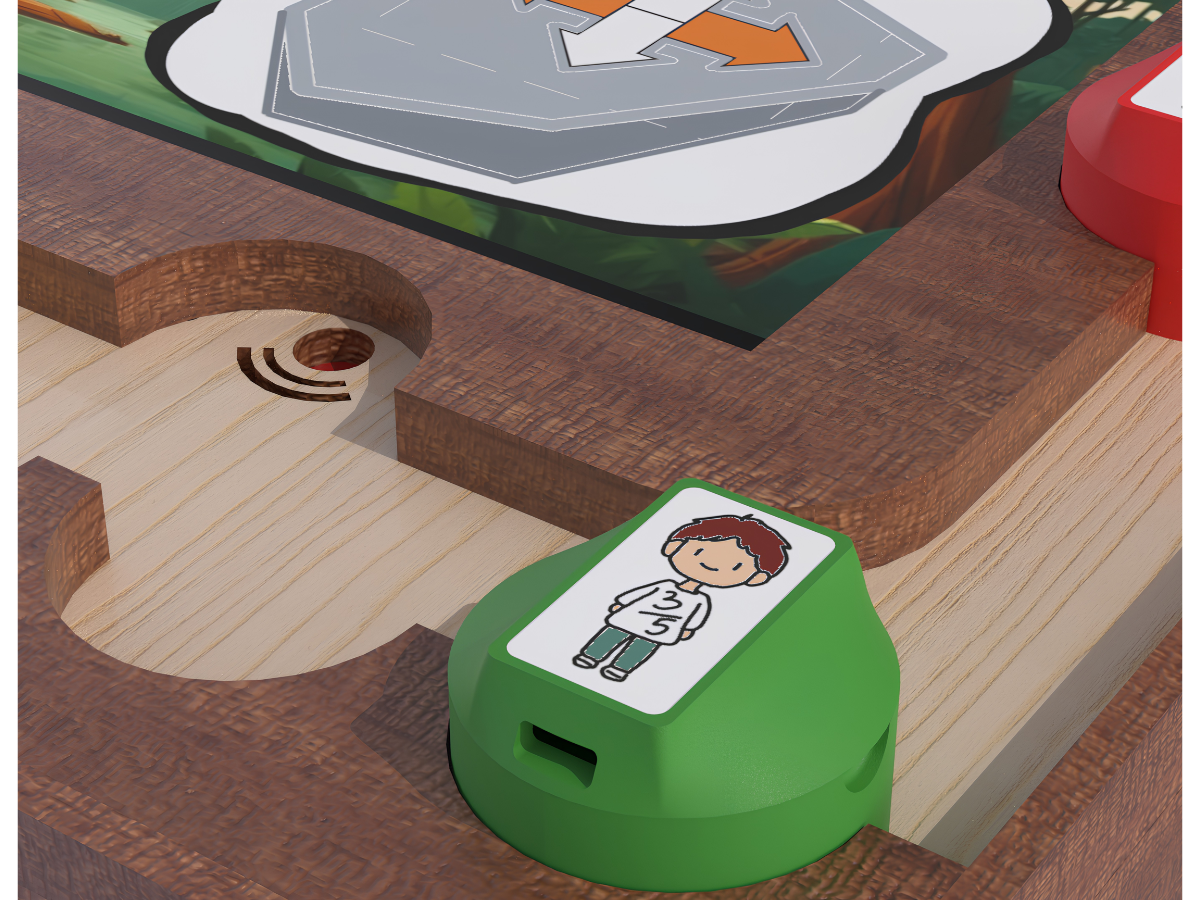
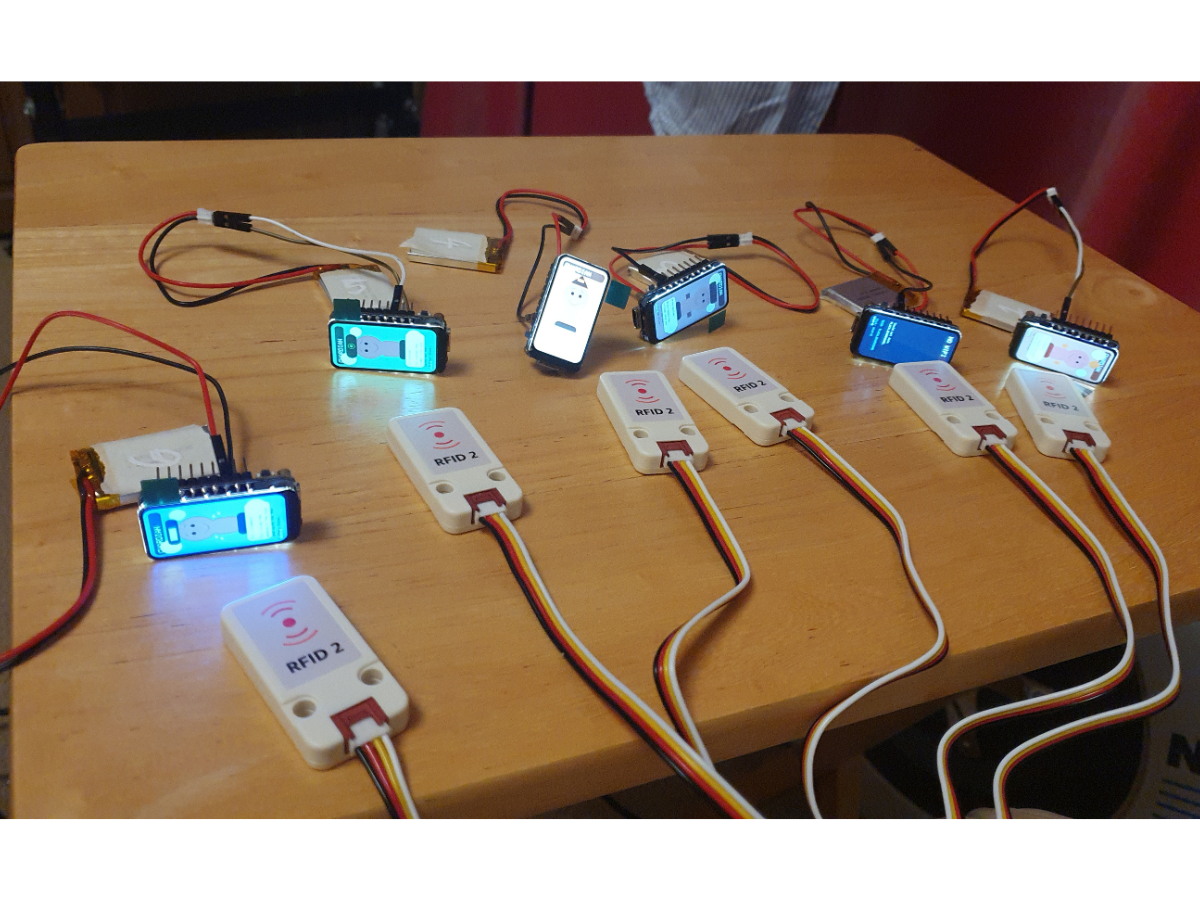
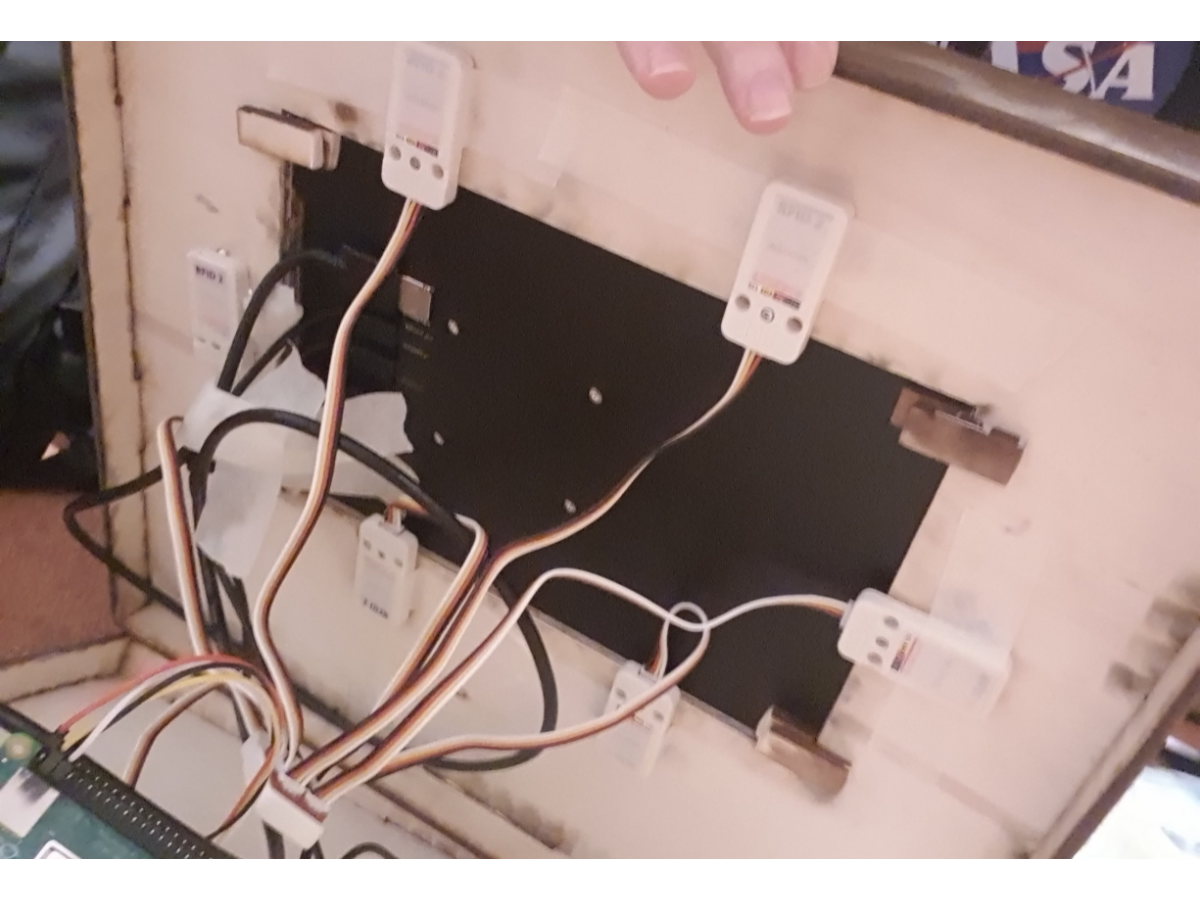
The RFID tag-reader system is used to detect and identify the position of each game piece during gameplay. Each game piece contains an RFID tag sticker attached to its underside, while RFID readers are positioned underneath the slots on the main game board. When a piece is placed into a slot, the RFID reader scans the tag and sends the information to the Raspberry Pi. The system then checks whether the correct piece has been placed in the correct sequence and updates the game storyline accordingly.
Wireless Communication System
The product uses wireless Wi-Fi communication between the Raspberry Pi and the ESP32-S3 boards located inside each individual game piece. The Raspberry Pi acts as the main control system, sending signals and commands to the ESP32 boards during gameplay. This allows the small LCD screens on the game pieces to display visual feedback, such as clues, characters, or success messages. The wireless communication system helps create a fully interactive experience without the need for physical wired connections between the board and the game pieces.
Scenario of Use
Prototyping
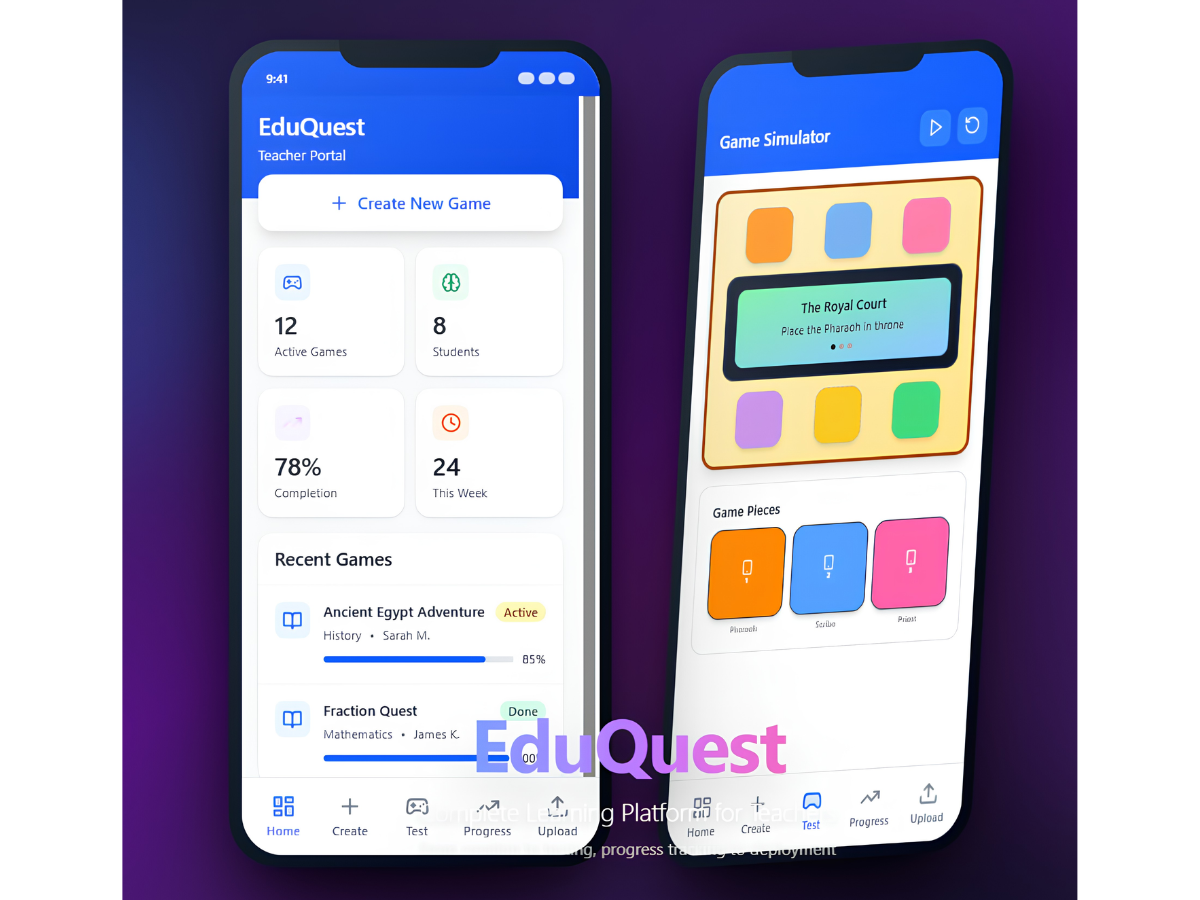
EduQuest – Teacher Mobile App
EduQuest is a teacher-focused mobile app that uses AI to transform classroom materials into personalised, interactive learning games for neurodiverse primary school children. Teachers can upload lesson content such as PDFs, worksheets, or presentations, and the app automatically generates engaging story-based games tailored to different learning needs. The app also allows teachers to preview and upload games, monitor student progress, track engagement across subjects, and adjust difficulty levels to better support individual learning development.
Other Projects
Injection Moulding Project
This group project explored the injection moulding process and the life cycle of plastics through the manufacture of a detailed final widget. CNC machinery was used to produce aluminium moulds, while steel inserts were handmade to achieve the required precision and functionality. The project required strong teamwork, time management, and efficient organisation of resources throughout the manufacturing process. A high level of accuracy and attention to detail was essential to ensure the final product achieved a refined finish and met the intended design specifications.
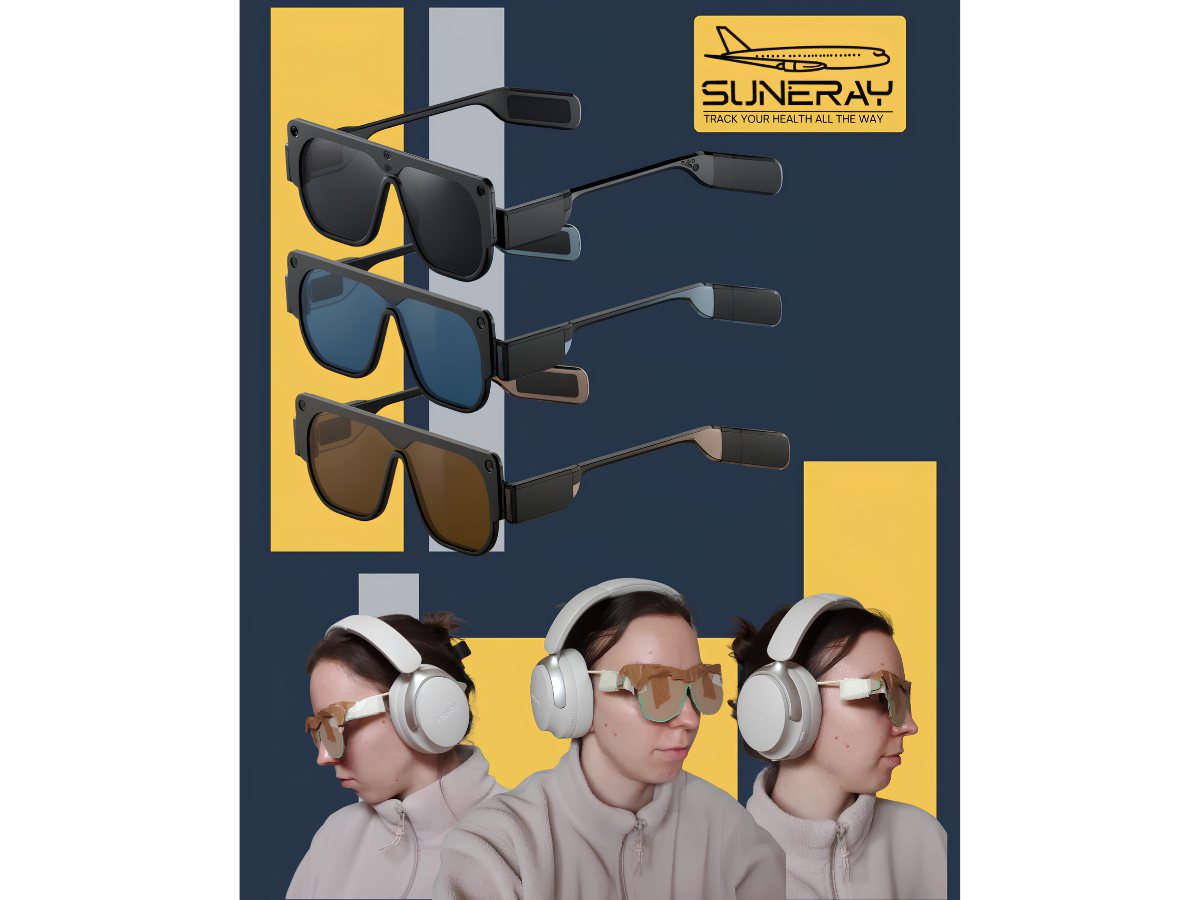
SUNERAY – Live Project
A wearable device designed to monitor radiation and noise exposure during flying shifts. The product helps track environmental risks faced by flight crew by recording exposure levels throughout each shift. This allows users to better understand their working conditions, identify potential safety concerns, and support long-term health monitoring within the aviation industry.
IDC brief was chosen for this project, where the requirement was to design a product, experience or environment that monitors something to make users more aware and help improve their health.
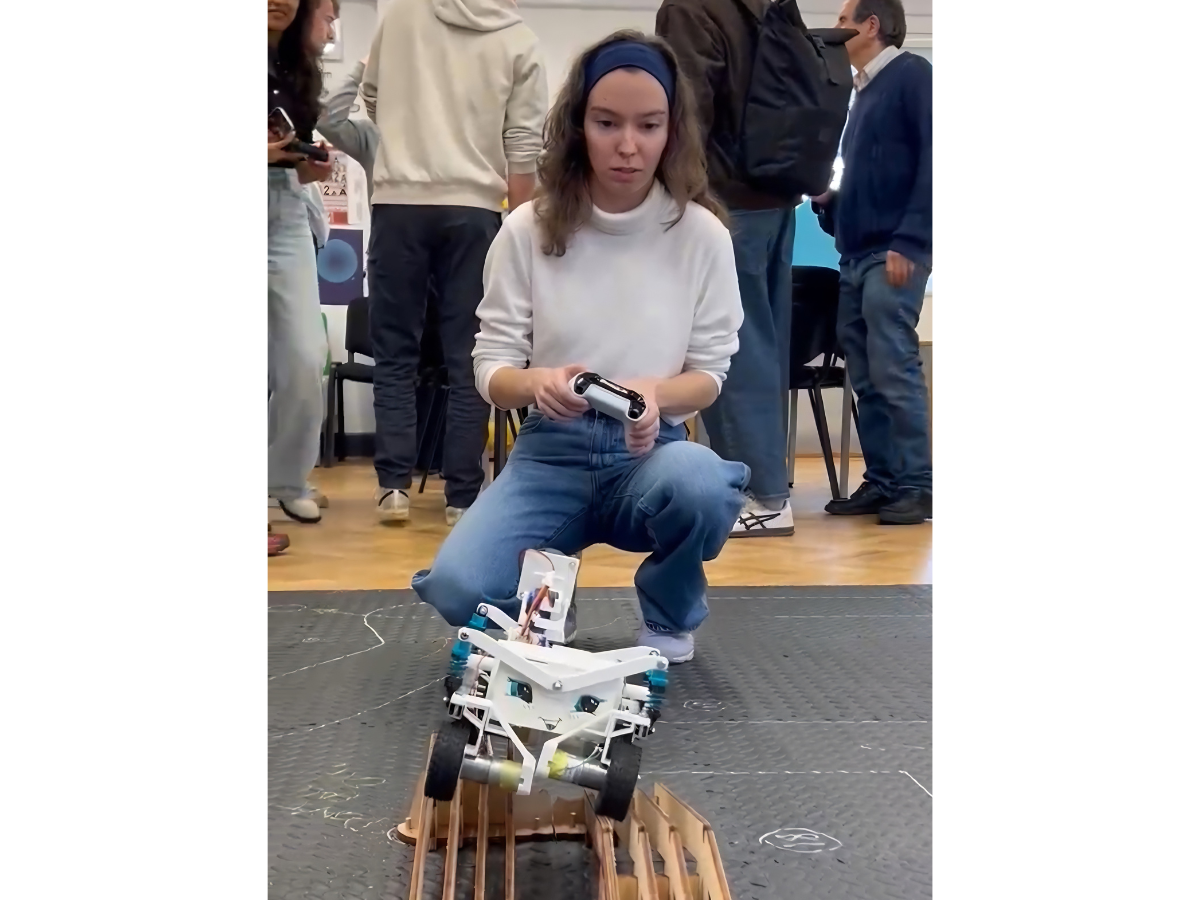
Mechatronics Project
This mechatronics group project involved designing and developing a remotely controlled wireless robot capable of completing an obstacle course while also extinguishing tea candle flames positioned at different heights. The project required the integration of mechanical design, electronics, wireless communication, and control systems to ensure accurate movement and functionality throughout the course. It provided valuable experience in teamwork, problem-solving, and practical engineering development, bringing together the skills and knowledge gained throughout the three-year degree into one large-scale multidisciplinary project.
Work Experience
I did a mini placement during my 2nd Year with Motor Technology Ltd, a small company which is more engineering focused. I worked on a simulation animation for a biochemistry pump which was used during various industry related expos to promote their product. I helped me develop my SolidWorks and Blender skills, giving me more confidence in using these tools.
A study exchange year at Shibaura Institute of Technology provided valuable insight into sustainability and the Japanese approach to design. The experience highlighted the fusion of traditional cultural heritage with modern and futuristic design techniques, demonstrating how products can remain innovative while still respecting history and craftsmanship. A key learning outcome was the importance of intentional design, where every detail and component serves a clear purpose and waste is minimised. Working within international teams alongside students and tutors from around the world also strengthened communication, collaboration, and leadership skills, while providing a broader understanding of how different cultures approach the design process.