Why is interdisaplinery thinking necessary in the development of sustainable interventions?
Emerging Contemporary Materiality
My project explores an interdisciplinary approach to an emerging composite material, Jesmonite, and the application of textile materiality within art, design, and architecture. Investigating the influence of the East Midlands textile industry, the project draws from industrial heritage, historic methods, and contemporary material research to examine sustainability, materiality, and industrial practice. Referencing both the natural and built environment, the work explores how local landscapes, resources, and systems of production continue to influence modern design and construction. Through research into the structural performance of construction materials, interdisciplinary methodologies, and the psychology of sense of place, the project develops sustainable, and material led approaches to design. My practice combines storytelling, material intervention, and experimental technologies to create artefacts and applied outcomes to construction materials reflecting local textile heritage. By transforming textile waste into emerging composite materials, the work explores opportunities for sustainable commercial, architectural, and cultural development while preserving narratives connected to local identity and industry.
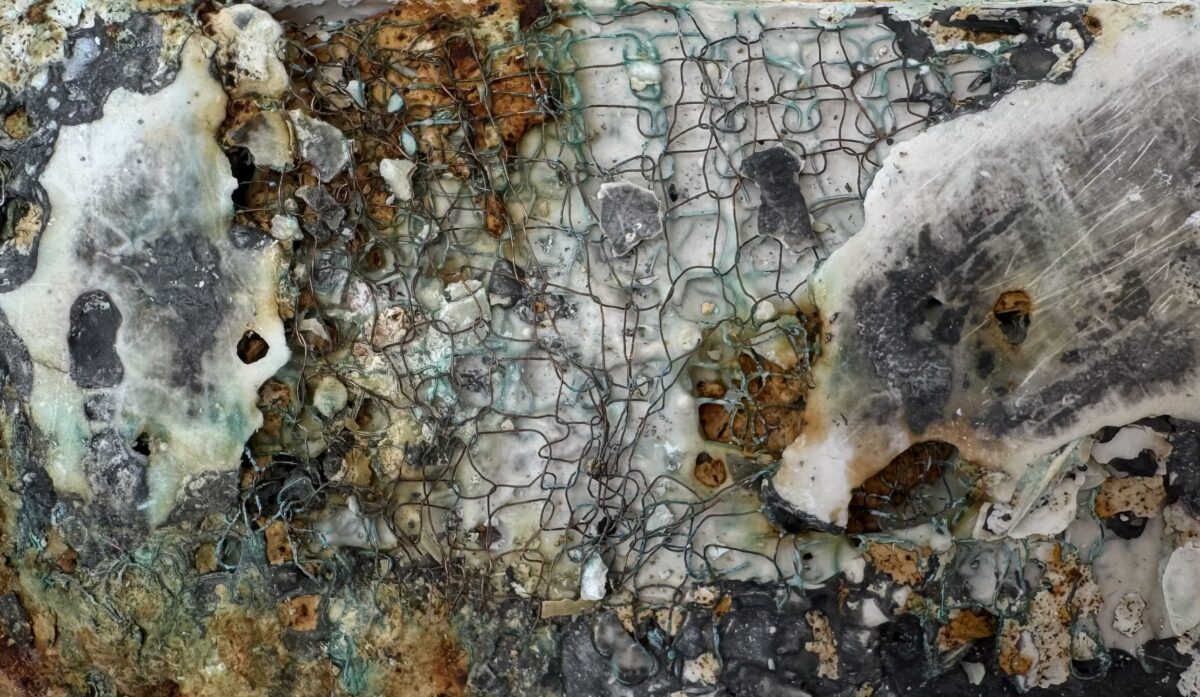
Exploring the Application of Woven Textiles within a Construction Industry.
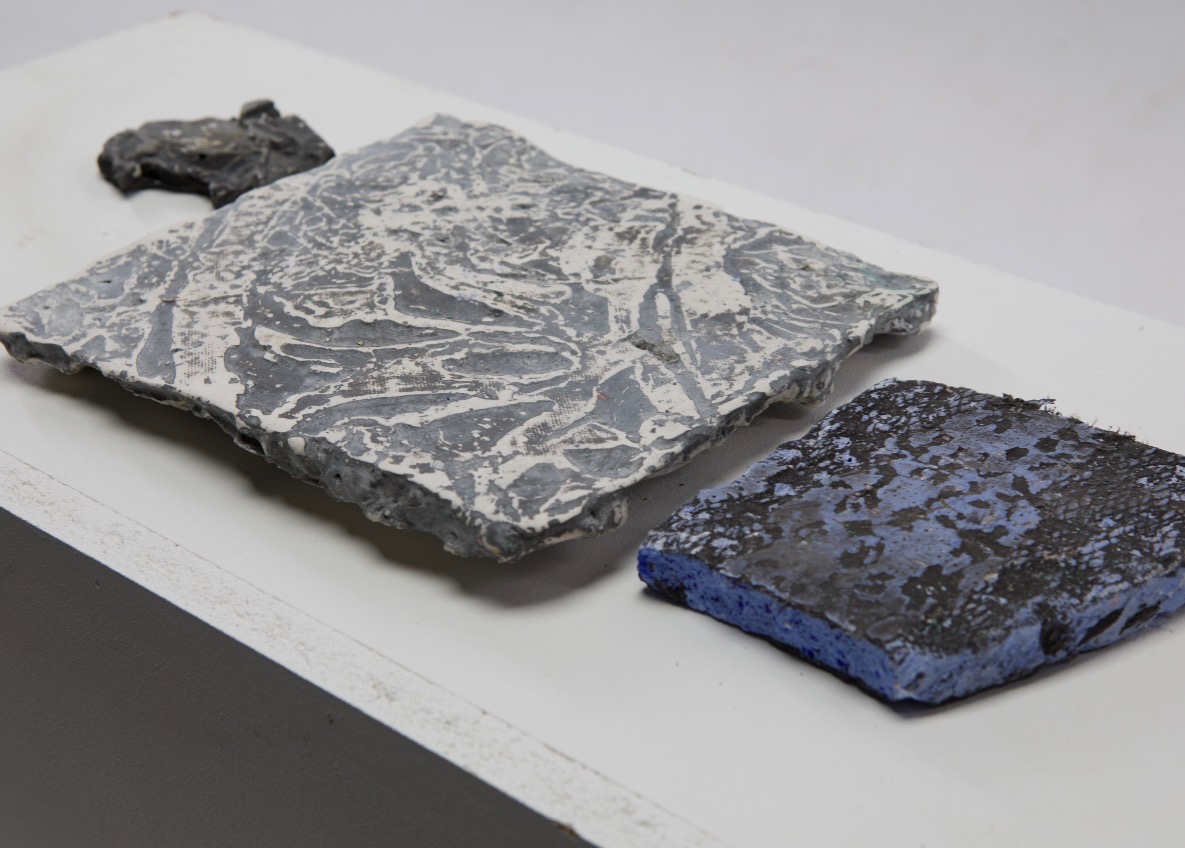
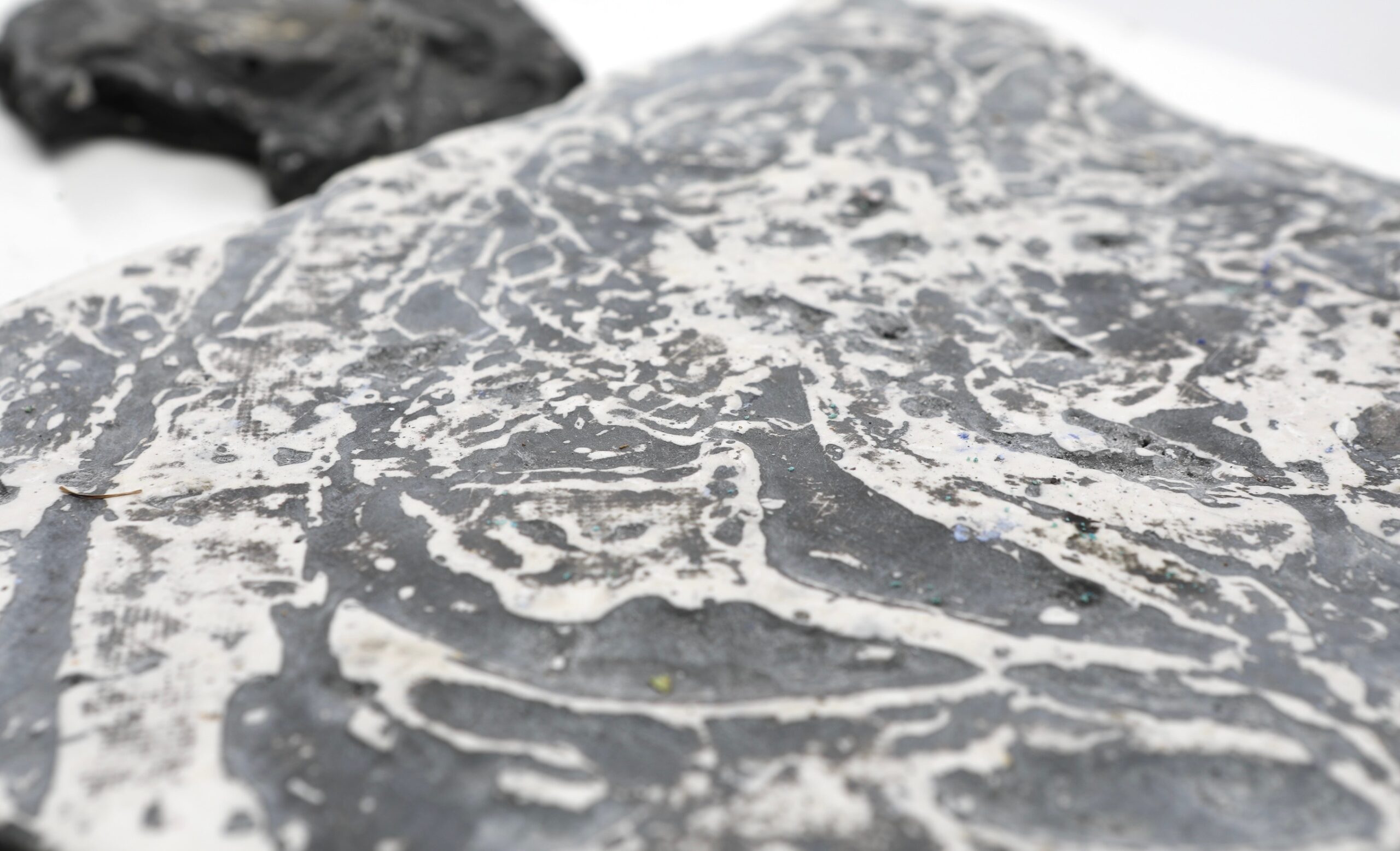
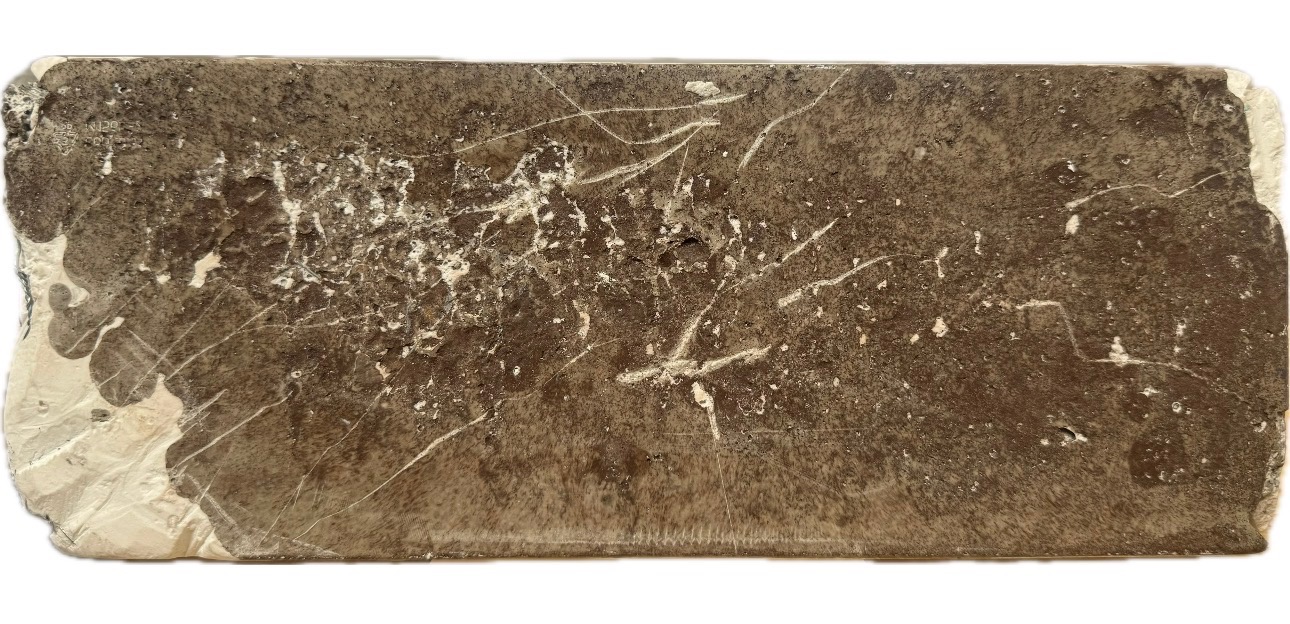
30% cotton lace, 70% Jesmonite, and Black Onyx Earth pigment.
Lace Structure Potential explores the structural possibilities of embedding woven textiles within emerging composite materials. By incorporating cotton lace into Jesmonite, the piece investigates how textile structures can reinforce hard materials, reduce the dependence on raw resources and improve the longevity and sustainability of construction based composites. Artefact Storytelling
Exploring natural forms within the Derwent Valley Mills system, the role of water in creating natural colour and pattern, and the intervention of waste textile fibres in composite materials as a modern application of interdisciplinary thinking.
Processes of Longevity
Long Lasting Impact of Local Textile Industry
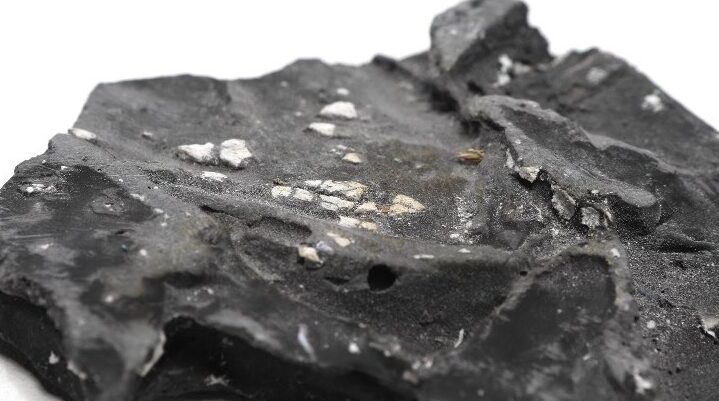
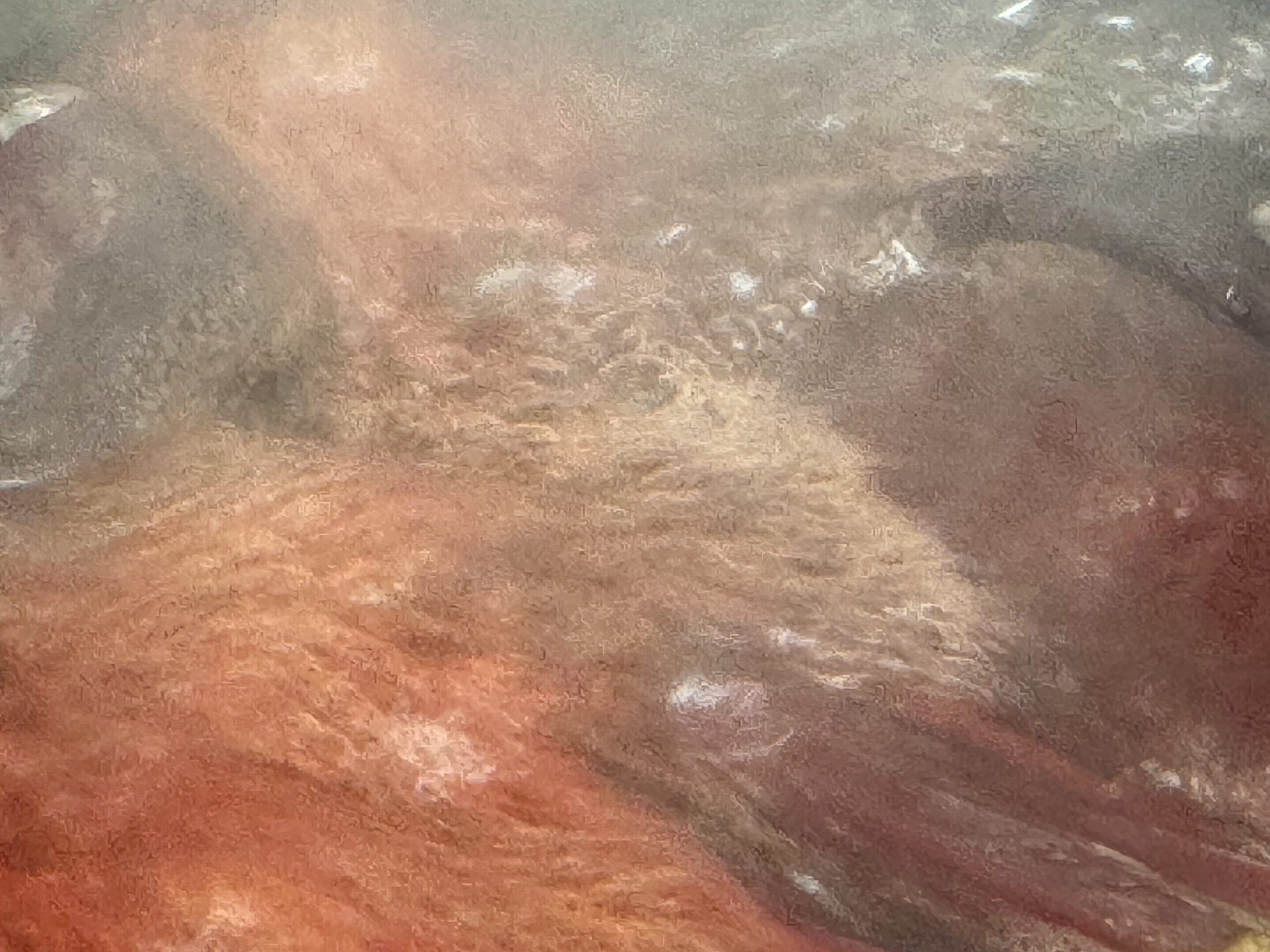
Explored through the materiality of local industrial architecture, examining copper and iron oxidisation in combination with Jesmonite. Storytelling is used to develop a sense of place, while textile structures within architecture provide both form and support. The presence of water in historic textile manufacturing informed the spatial positioning of industry, influencing the development of natural colour, surface pattern, and material transformation.
“Interdisaplinery Brick”
Exploring the interdisciplinary application of textile fibres and understanding within a construction industry.
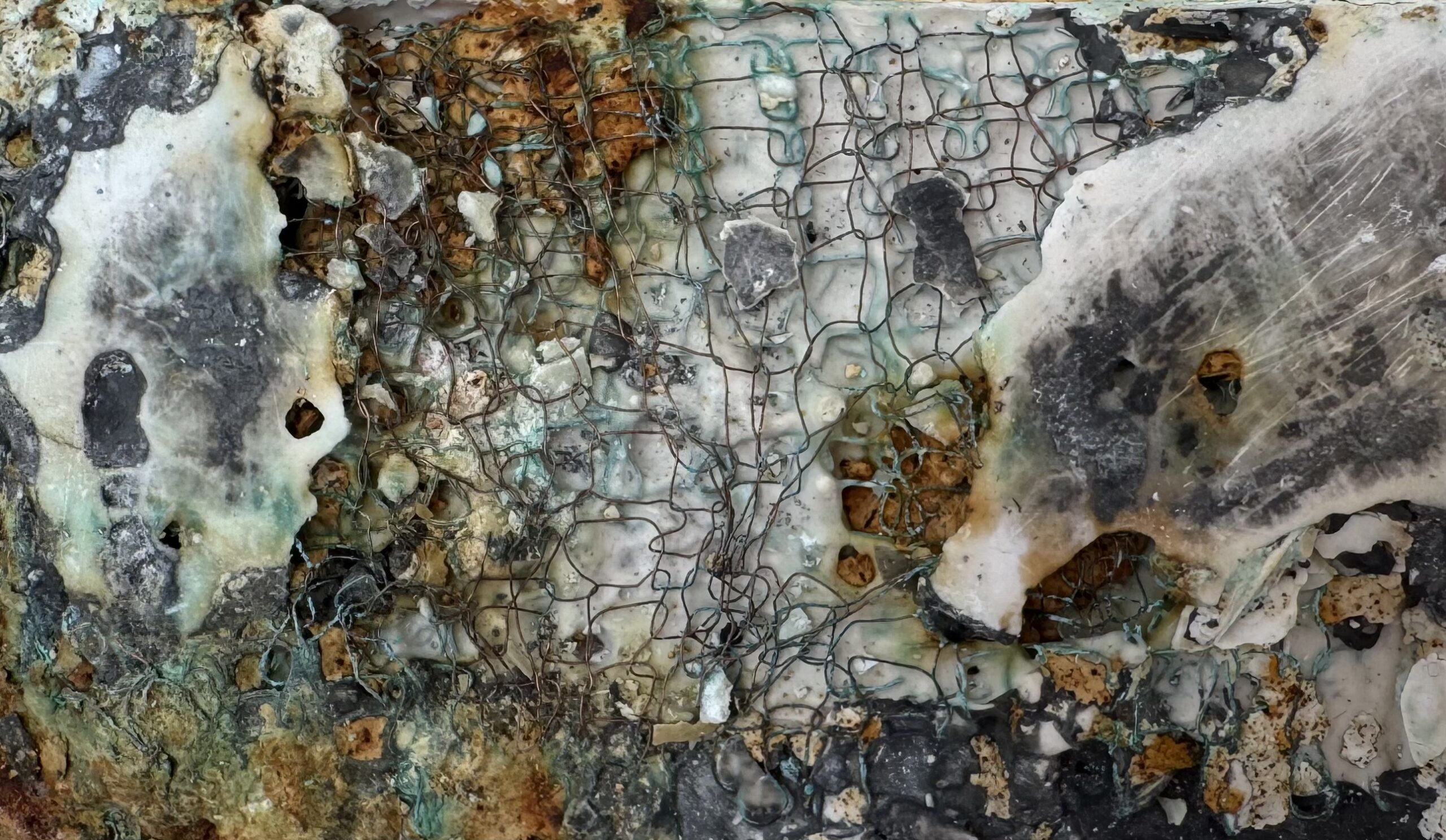
Interwoven Iron Structure, Natural Pigment, 40% recycled cotton, and 60% Jesmonite.
“Interdisciplinary Brick” explores the development of composite building materials through the integration of woven textile structures within sculptural construction forms. Inspired by industrial architecture and material innovation, the piece investigates how textile waste can be embedded into composite materials to enhance structural strength, durability, and longevity. The work responds to the environmental impact of the construction and textile industries, addressing the growing issue of mass textile waste created through modern consumption. By incorporating recycled cotton within jesmonite and interwoven iron structures, the piece proposes an interdisciplinary approach to sustainable material development, combining principles of textiles, sculpture, and construction.
Natural earth pigments and layered surfaces reference industrial materials, erosion, and architectural textures, while the woven internal structures symbolise interconnected systems of production and repair. The intervention of textile waste within the composite material reduces the dependence on raw construction resources, lowers material waste, and explores how localised sustainable production can reduce environmental impact associated with transportation and manufacturing. Through material experimentation and structural composition, Interdisciplinary Brick examines how interdisciplinary thinking can generate sustainable solutions, transforming discarded textile materials into functional and durable sculptural forms that reimagine the future of industrial building materials.
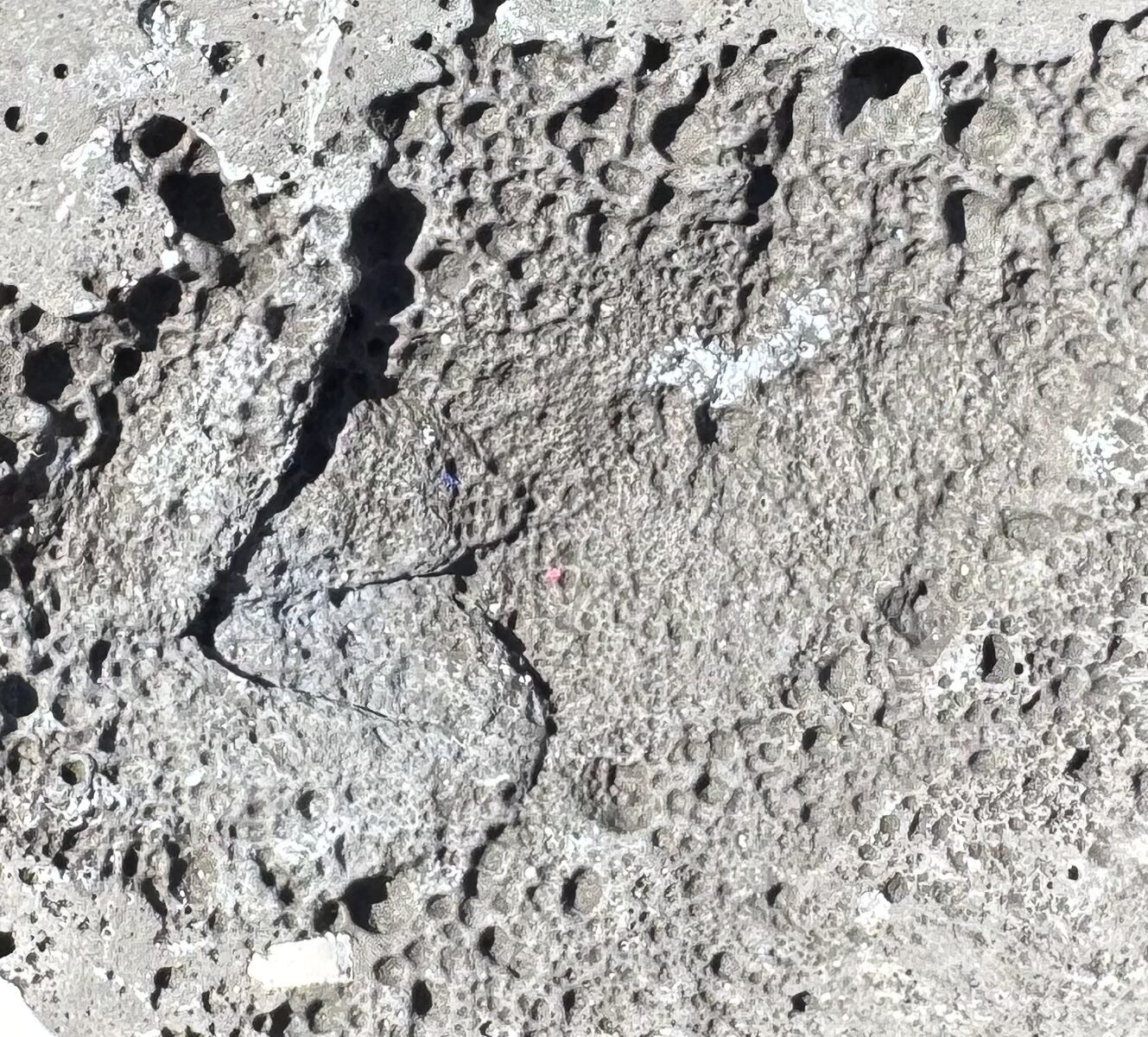
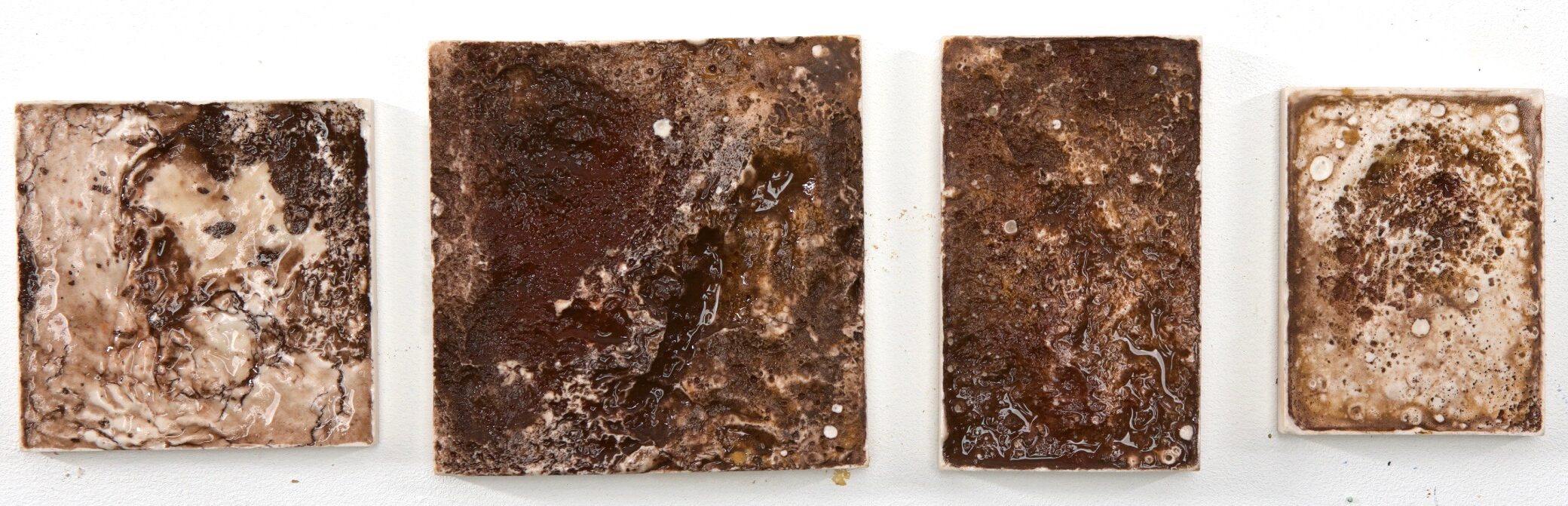
Exploring Storytelling through the potential of the casting process of Jesmonite.
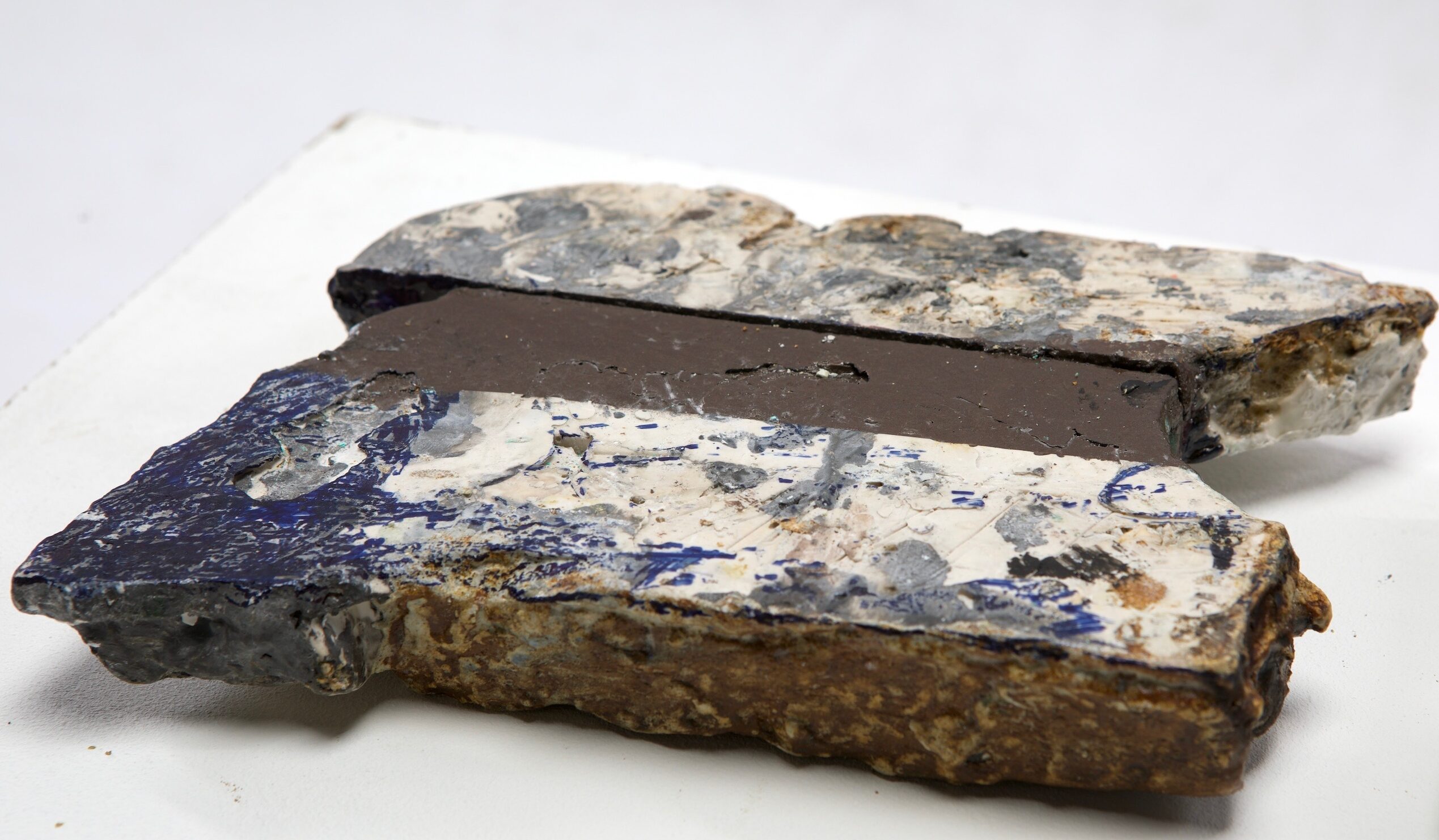
40% Jesmonite, Earth and Clay pigments, the presence of water within the casting process.Water Impression explores the impact of water on industrial architecture, material transformation, and the development of historic industry. Through the casting process, water becomes an active material within the work, shaping surface patterns, textures, and structural impressions within the Jesmonite. The piece reflects how water determined the location of industrial growth, contributed to erosion and deterioration over time, and became essential to the function and expansion of textile
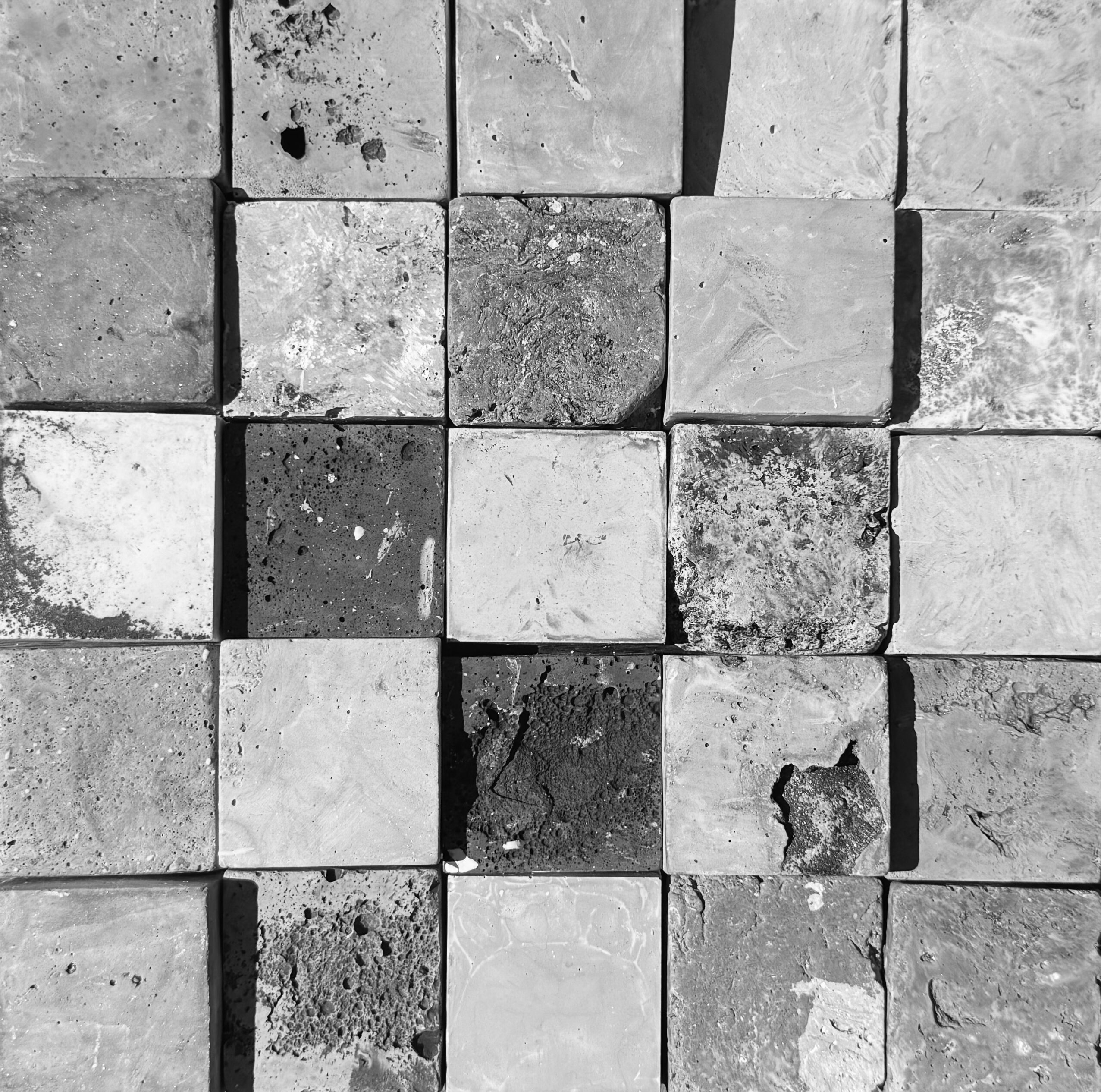
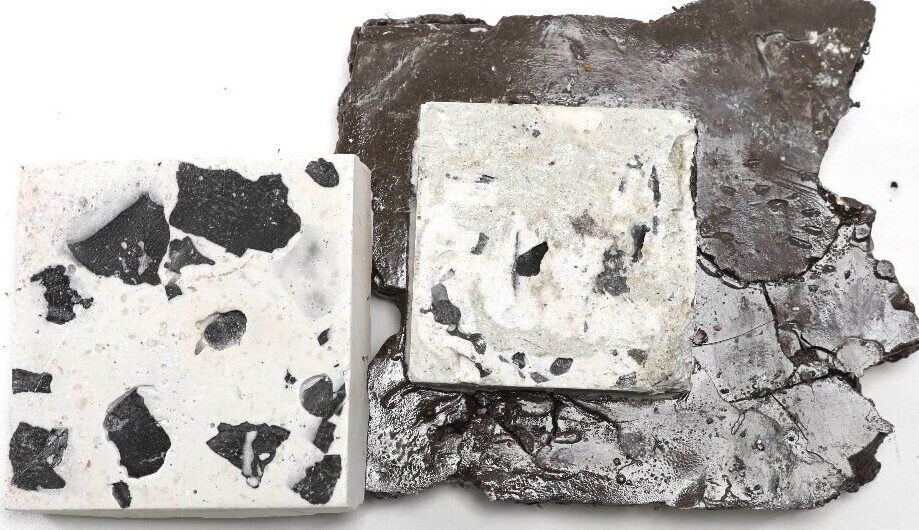
Jesmonite terrazzo sample cast into clay.Terrazzo
The use of terrazzo and recycled Jesmonite from the design development process draws inspiration from the structural and decorative features of industrial architecture, transforming waste material into a contemporary material language that reflects processes of reuse, longevity, and industrial heritage.“The River Is Pink?!”
Exploring Themes of Visual Environmental Damage of Historic Textile Industry
Extracted Beetroot Dye, 60% Jesmonite and 40% Recycled Silk.
During the industrial boom of Leicester’s textile industry, factories were strategically positioned along the river to harness water for power, processing, and transportation. This close relationship between industry and river led to severe contamination, as synthetic dye pigments were discharged directly into the water, permanently altering the landscape.
The River Is Pink?! revisits this history using natural beetroot dye, creating a dialogue between past and present textile practices. The work explores the potential of natural dye in conjunction with Jesmonite, an emerging contemporary material known for its versatility and lower environmental impact. By combining plant based colour with innovative material processes, the piece reflects on the ecological consequences of Leicester’s industrial heritage while proposing more sustainable approaches to material development and storytelling in contemporary design.