


I am a final-year Textile Design student with a strong interest
in education, tactile learning, and interactive textile design. I
am interested in creating engaging textile experiences that
combine creativity with learning and educational outcomes.

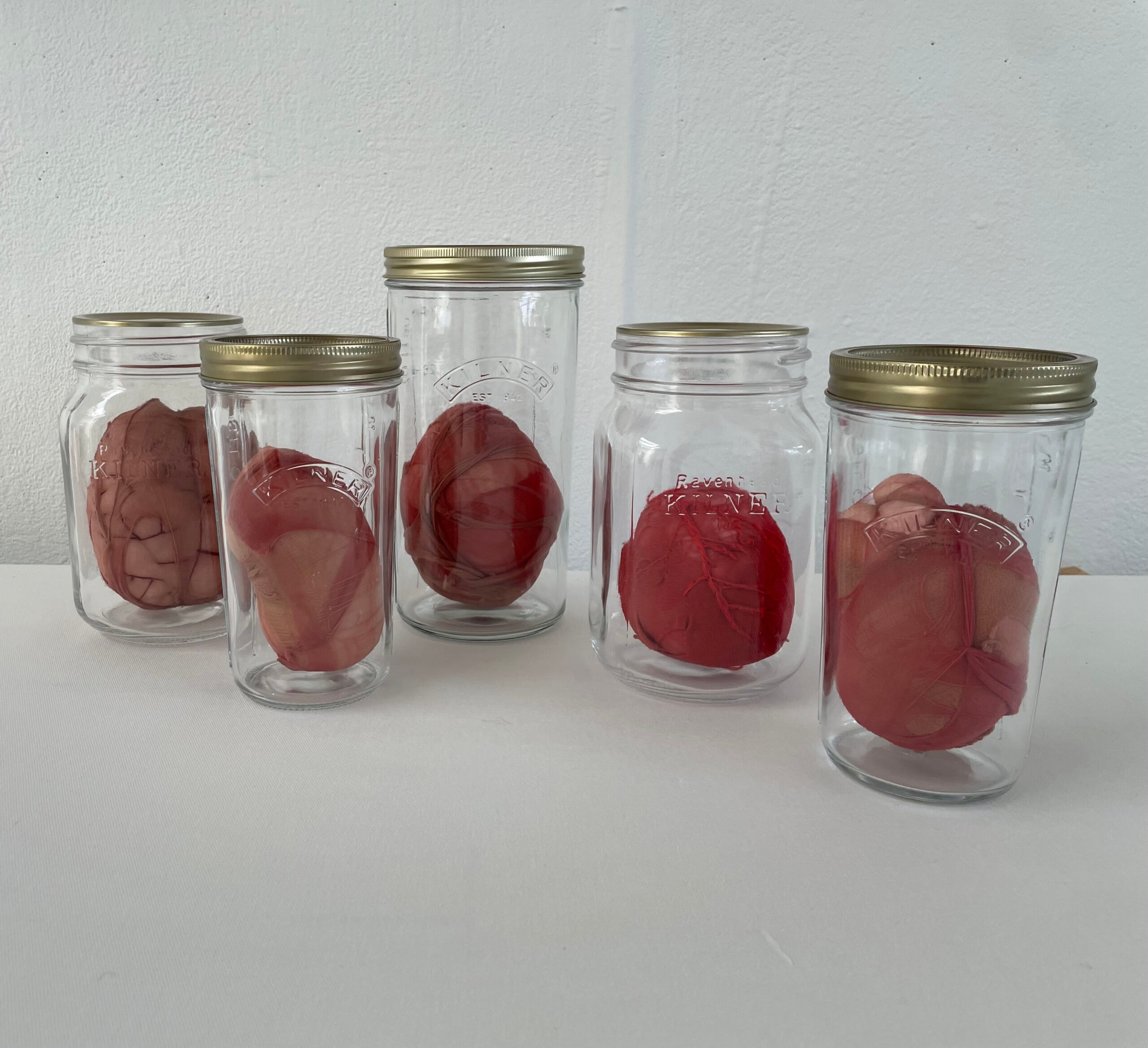
Inside Out is a final-year textile project that explores how children can learn about human anatomy through tactile, interactive textiles rather than traditional plastic models or clinical imagery. Inspired by my interest in becoming a teacher and research into existing educational tools, I found that many resources for children are non-interactive or overly medical, which can limit engagement. The project is also inspired by artists such as Renato Dib and reimagines anatomy in a softer and more playful way through four knitted textiles representing the layers of the human body which are each developed through different textures and qualities. It also includes soft sculptural organs displayed in jars to encourage hands-on exploration. Overall, the project aims to make learning about the body more accessible, sensory, and engaging for children.

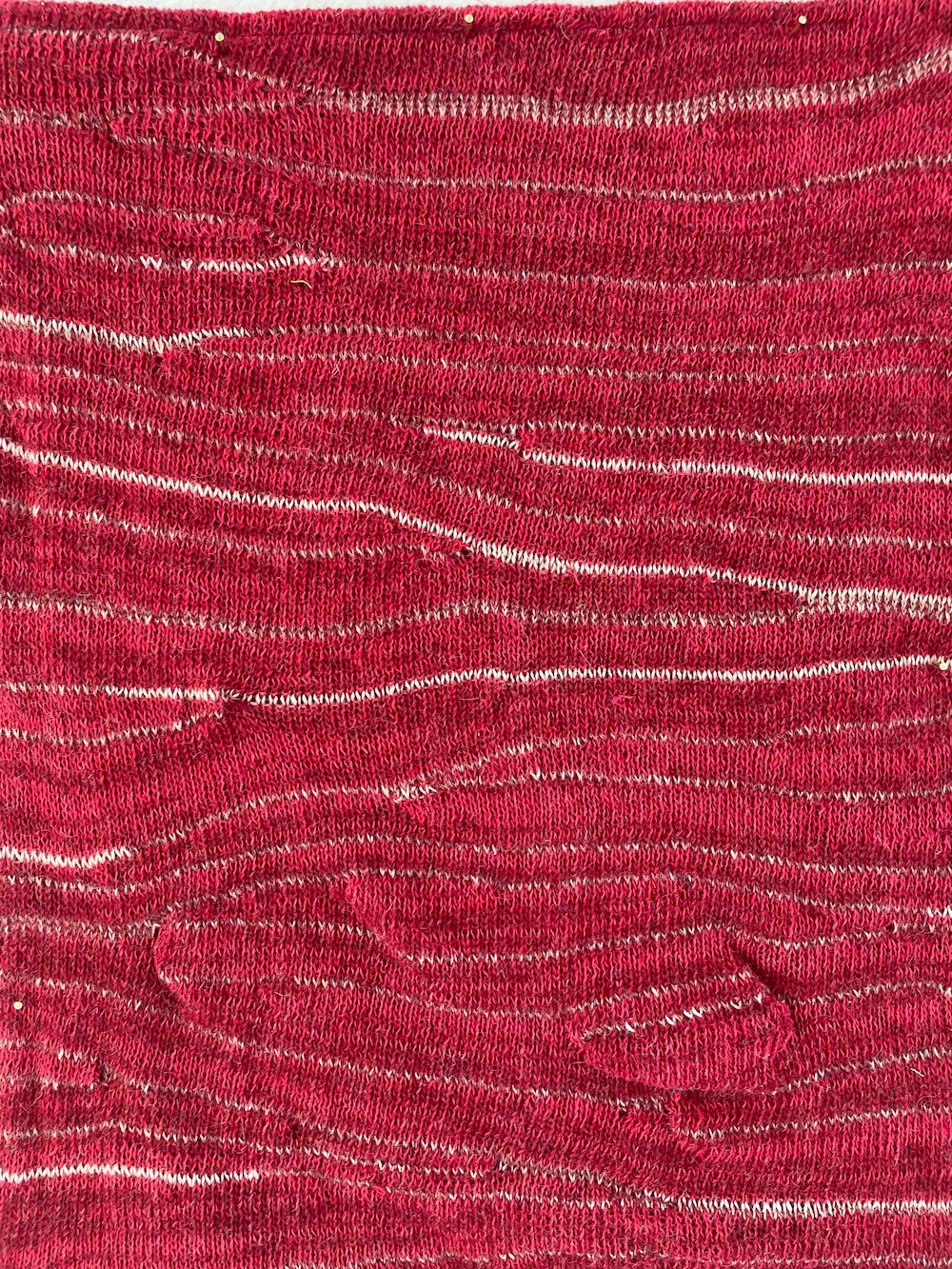
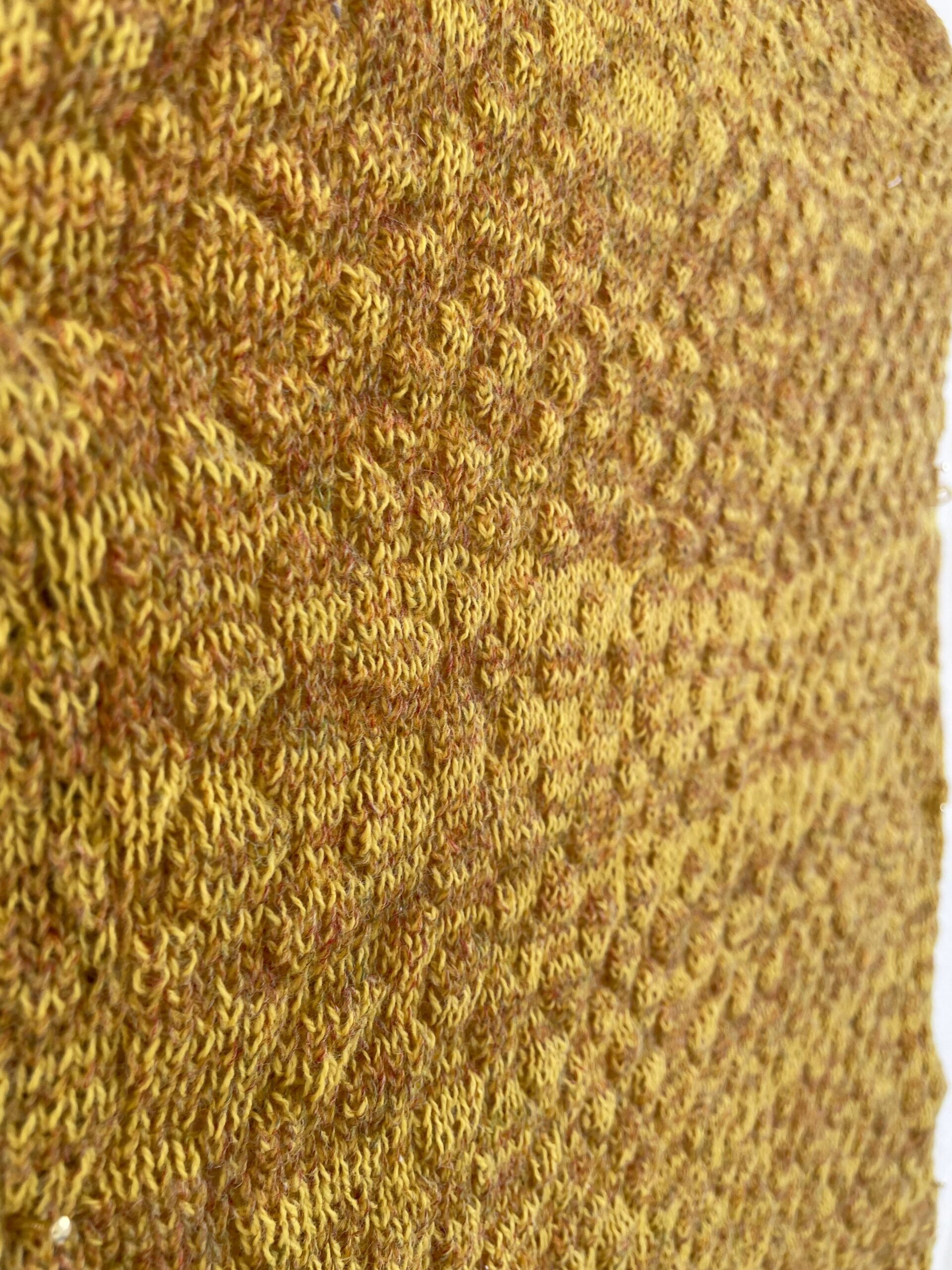
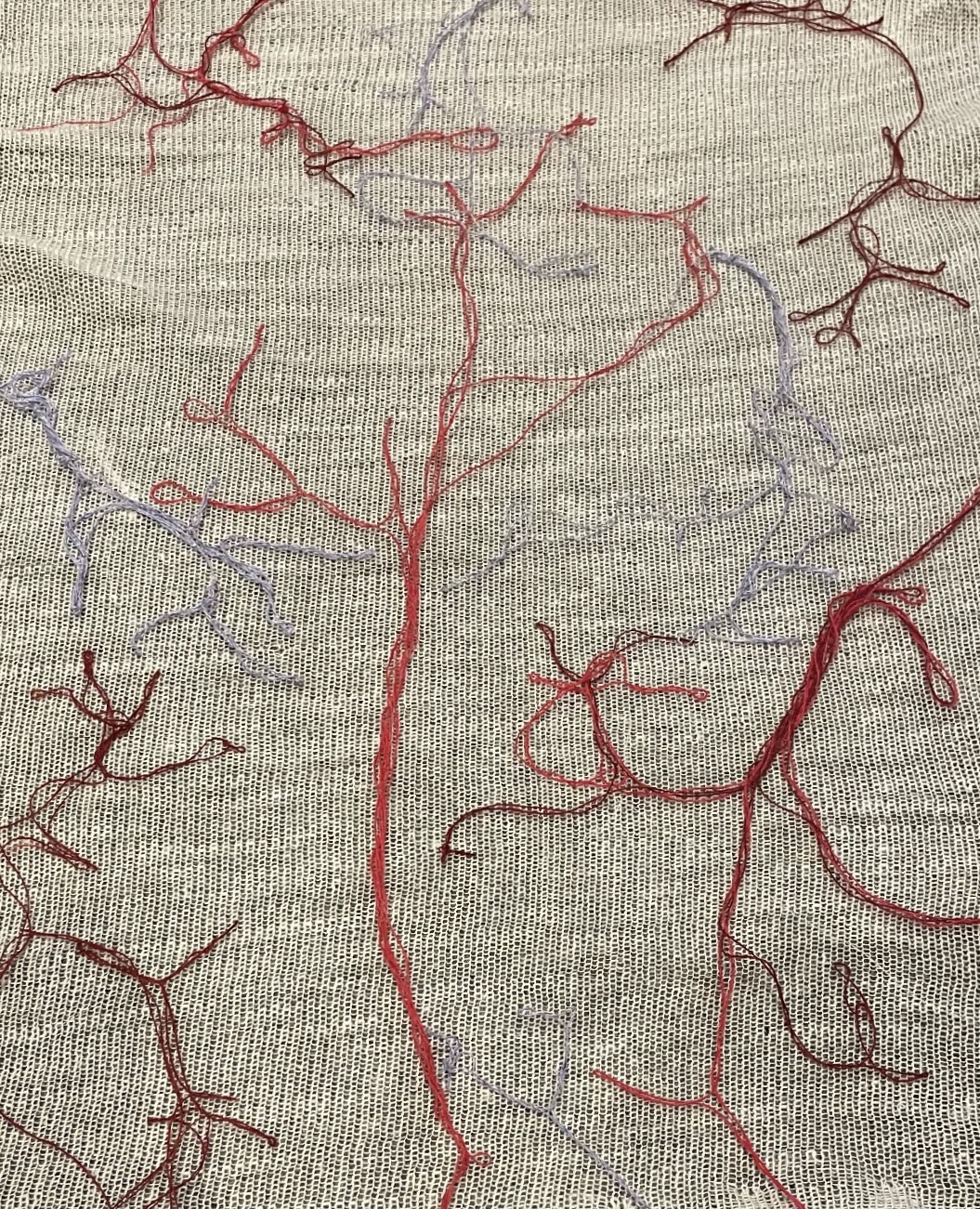
The knitted section of the project explores the four main layers of the human body. The bone piece uses hand embroidery to represent fractures and stress lines. The muscle knit uses flowing textural lines to suggest muscle fibers and movement through the body. The fat layer is created using slip-stitch, forming a bubbled, uneven surface to reflect softness and volume. The skin piece consists of two transparent knitted layers with twisted red and blue elements suspended between them, representing veins and arteries and contrasting the visible surface of the skin with what lies beneath.
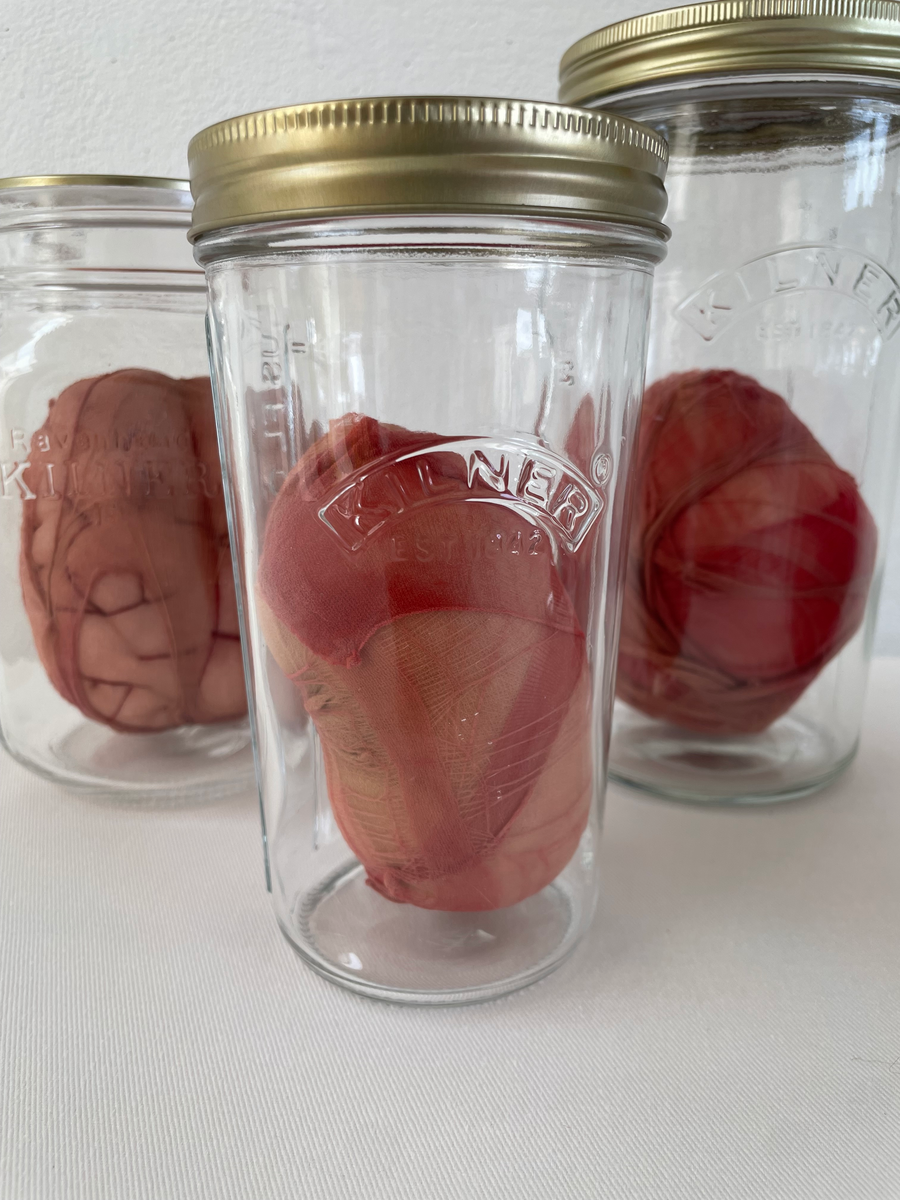
The collection of soft sculptural organs was created and displayed inside transparent jars. These pieces were designed to encourage interaction and curiosity while transforming anatomy into something less clinical and more approachable. The contrast between scientific display methods and soft textile forms creates a playful balance between education and creativity. The jars reference traditional specimen displays, while the soft materials challenge the cold and clinical nature often associated with anatomical study.