Kai O’Donnell


Innovates products through specific and multidisciplinary software use. Focused on specialised manufacturing techniques & technology. Uses the most unique and practical approach to achieve the best outcomes, first.

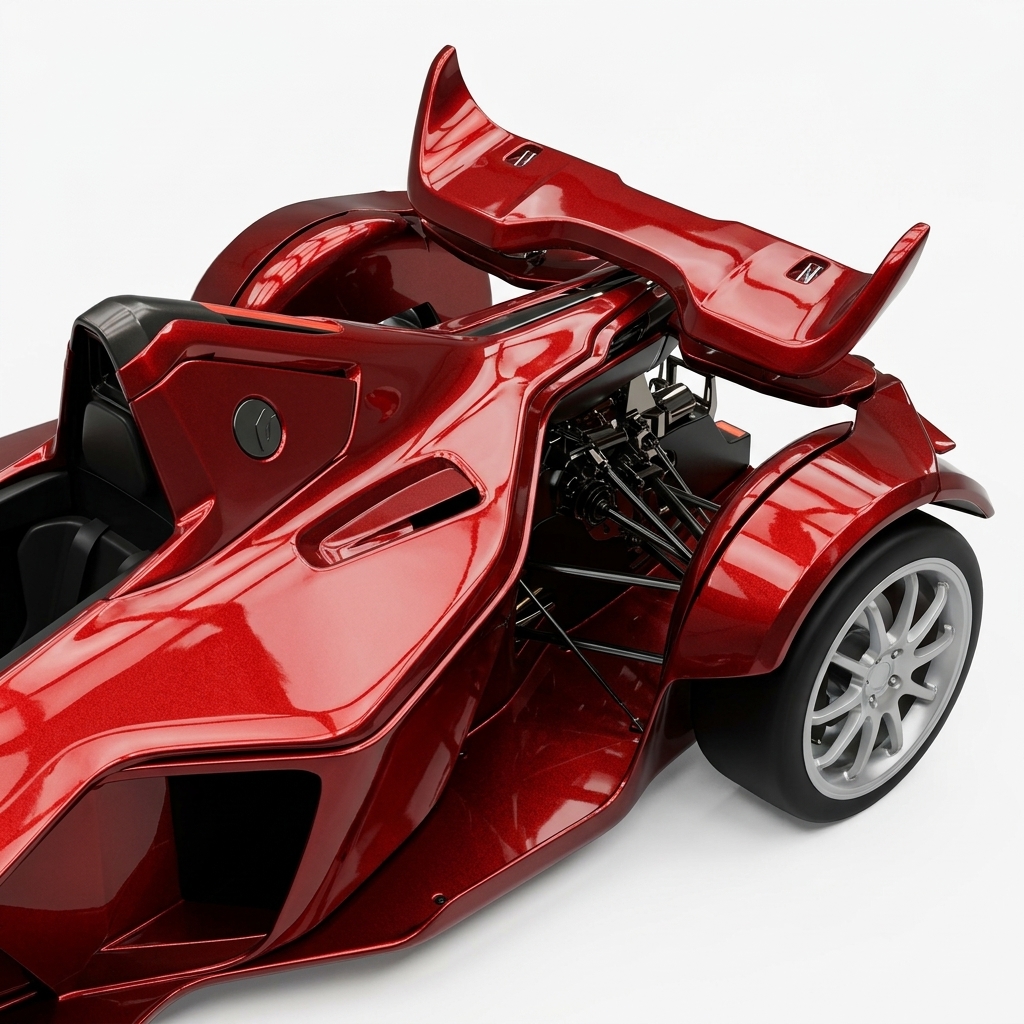

The project, named ‘Anima’, set out to close the gap between electro-mechanical engineering and aesthetic design.
The concept targets specialist low-to-mid volume manufacturers as a business-to-business supplied development platform.
It demonstrates that active aerodynamic systems can be made more accessible for existing manufacturers and suppliers to include as a feature. By reducing the level of investment required to develop a system, through a rethought design and manufacture approach. It does this through several core design decisions
Passive pitch variation centralises torque transfer within the primary mechanism, eliminating the need for secondary electromechanical systems.
Link designs were derived from proximity to standard components, keeping part costs low without compromising adjustability & adaptability.
The clamping mechanism is designed for minimal assembly time, reducing the labour overhead associated with bespoke systems integration.
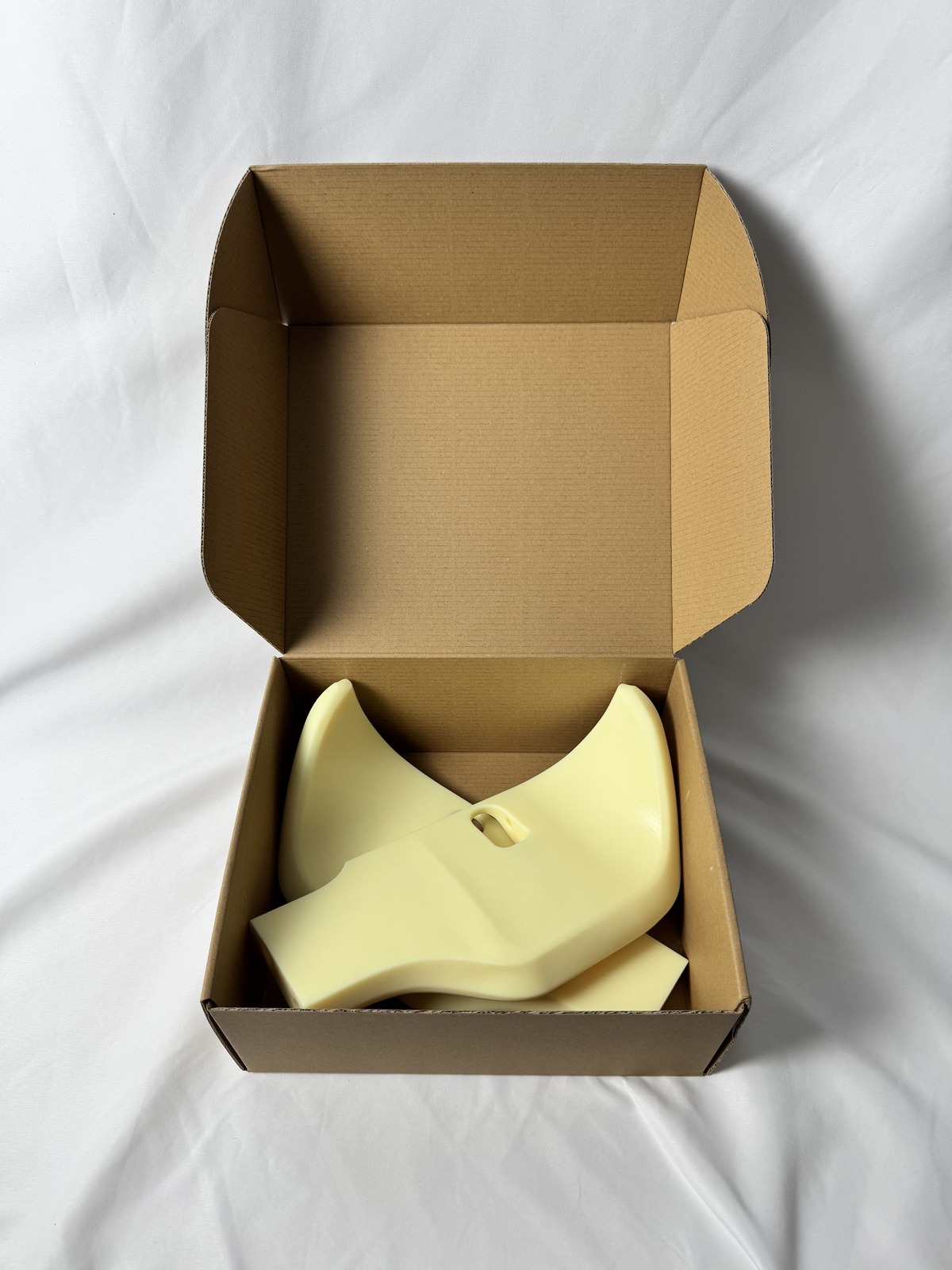
Aesthetic Elements.
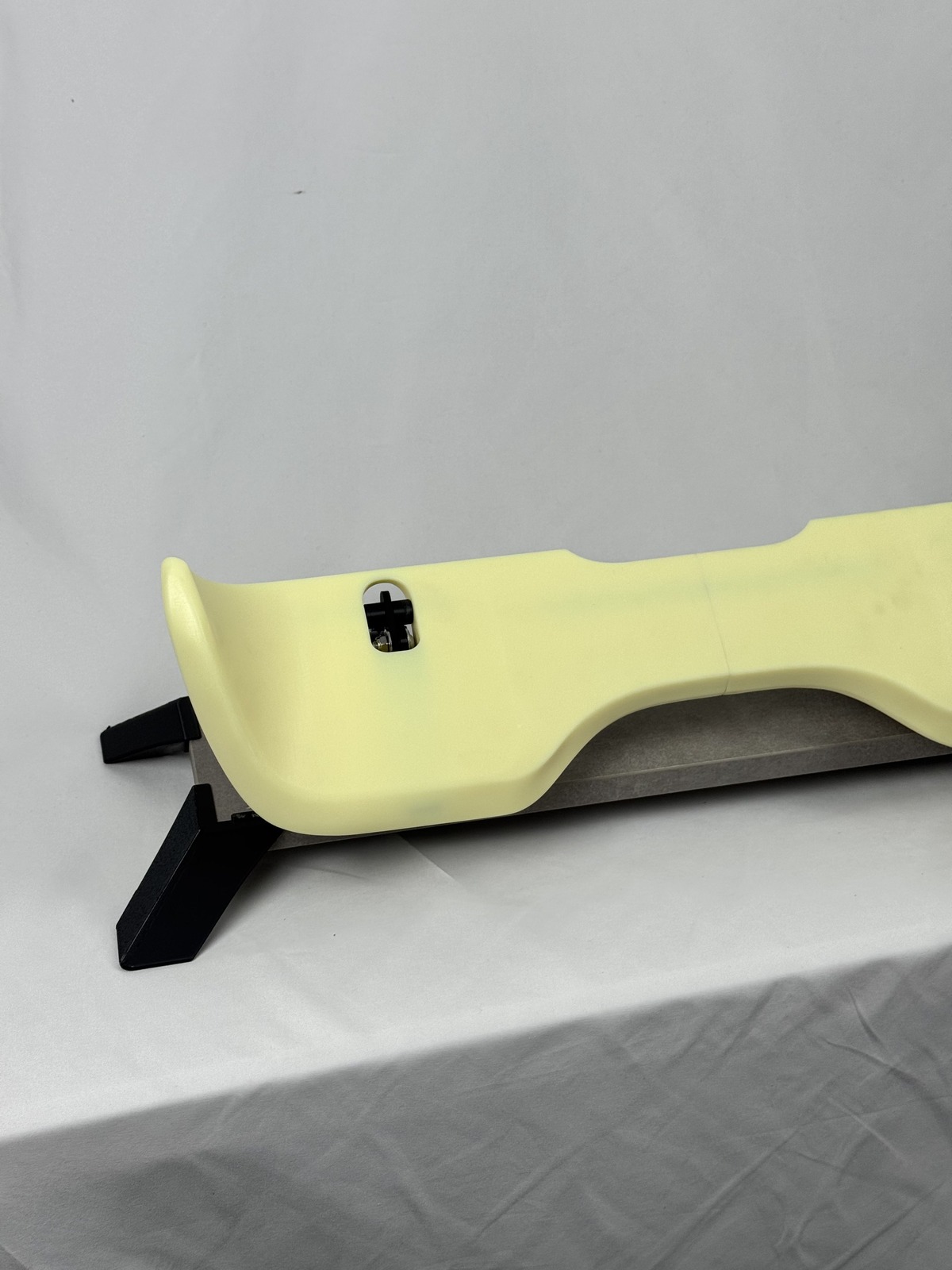
Lowered Profile.
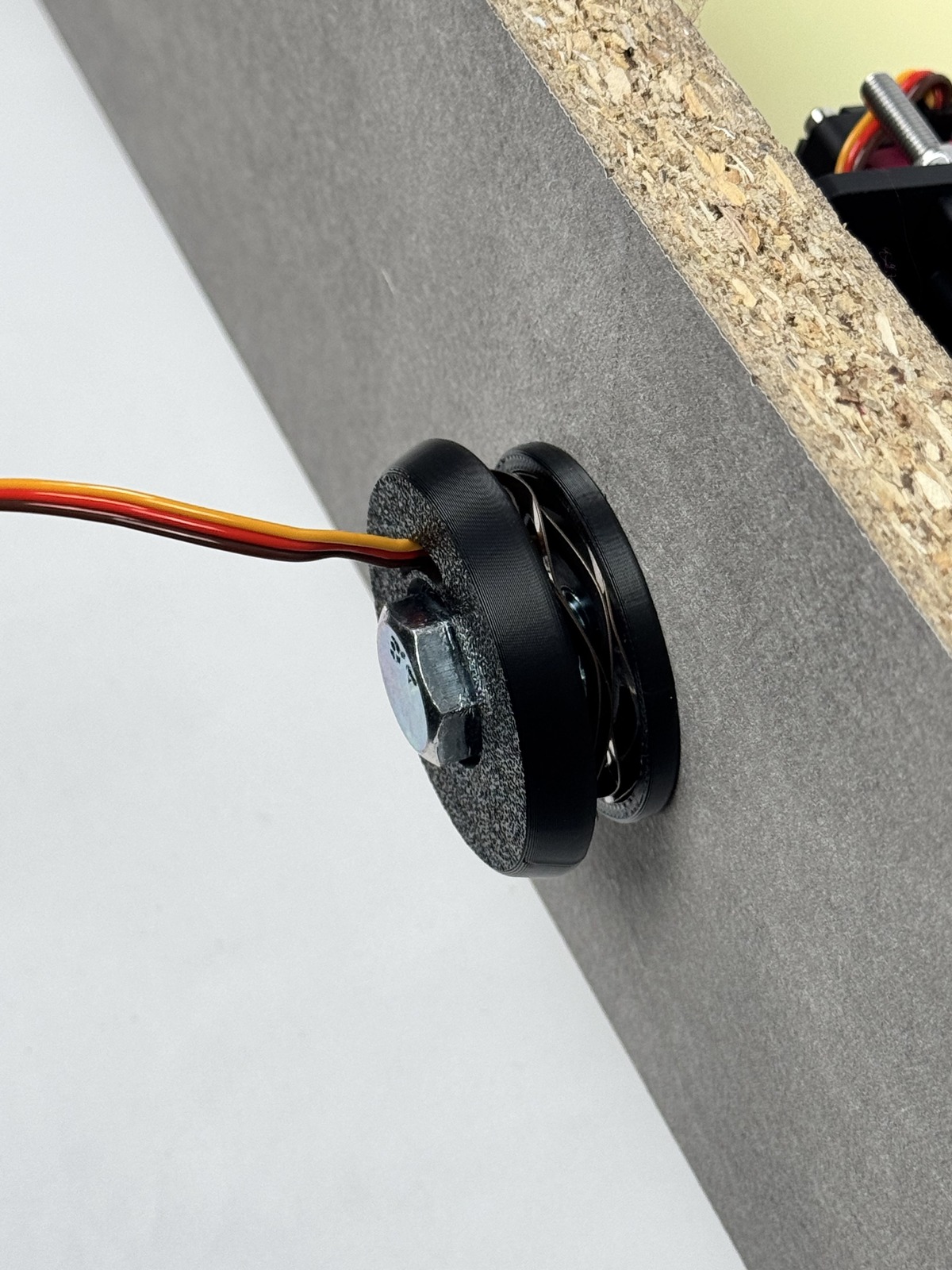
Clamp Spatial Efficiency.
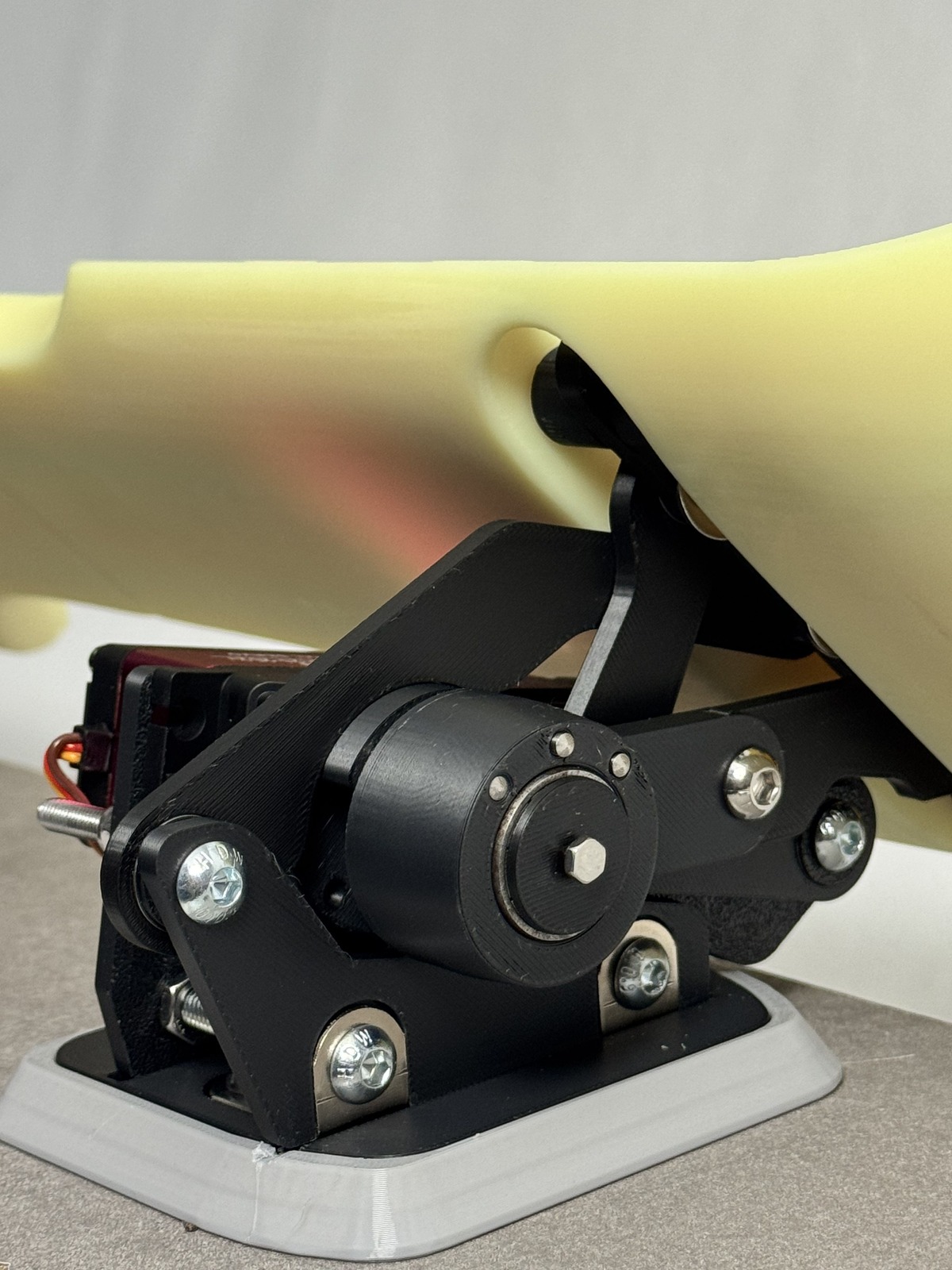

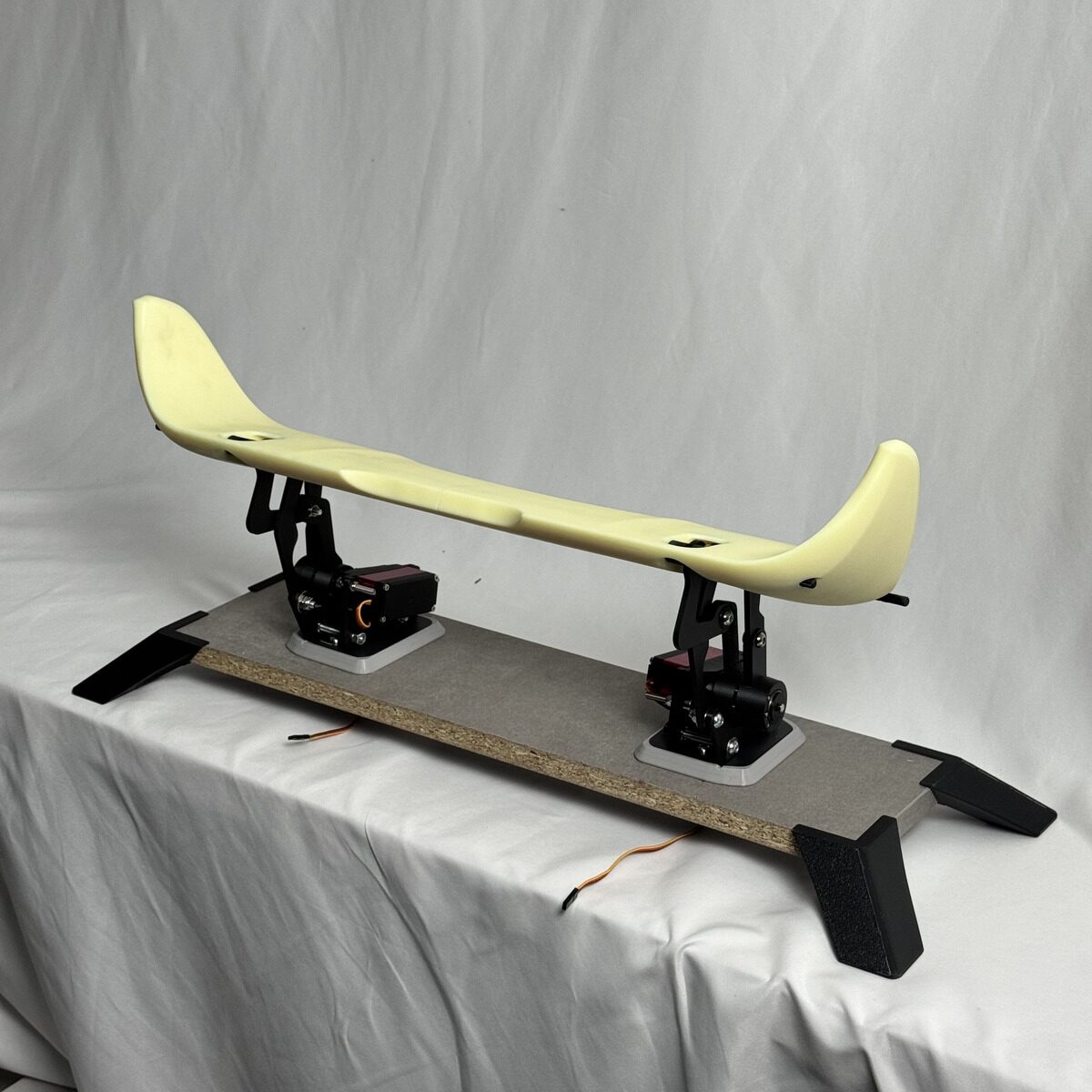
4mm Plate Based, Balanced when unpowered.
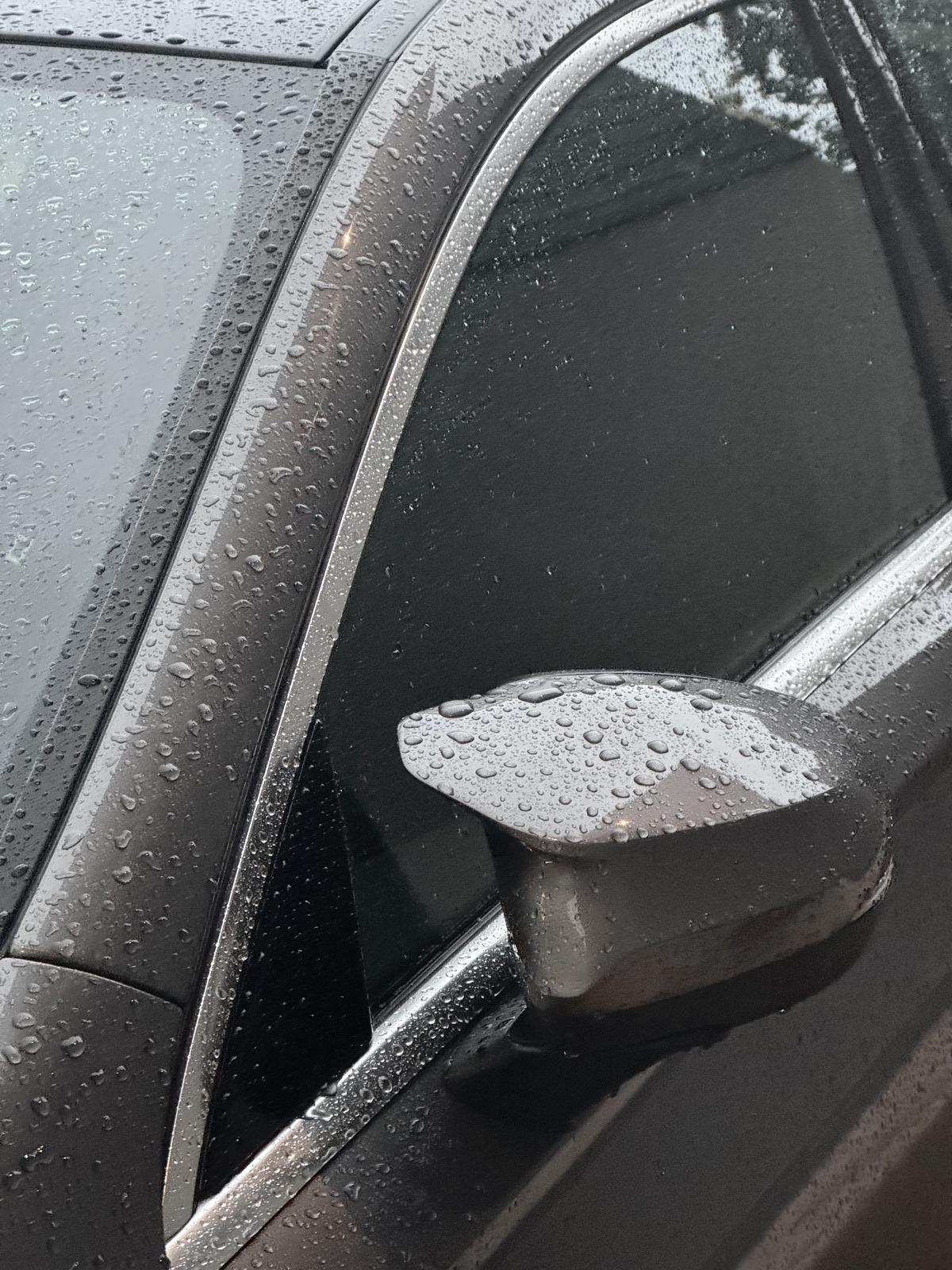
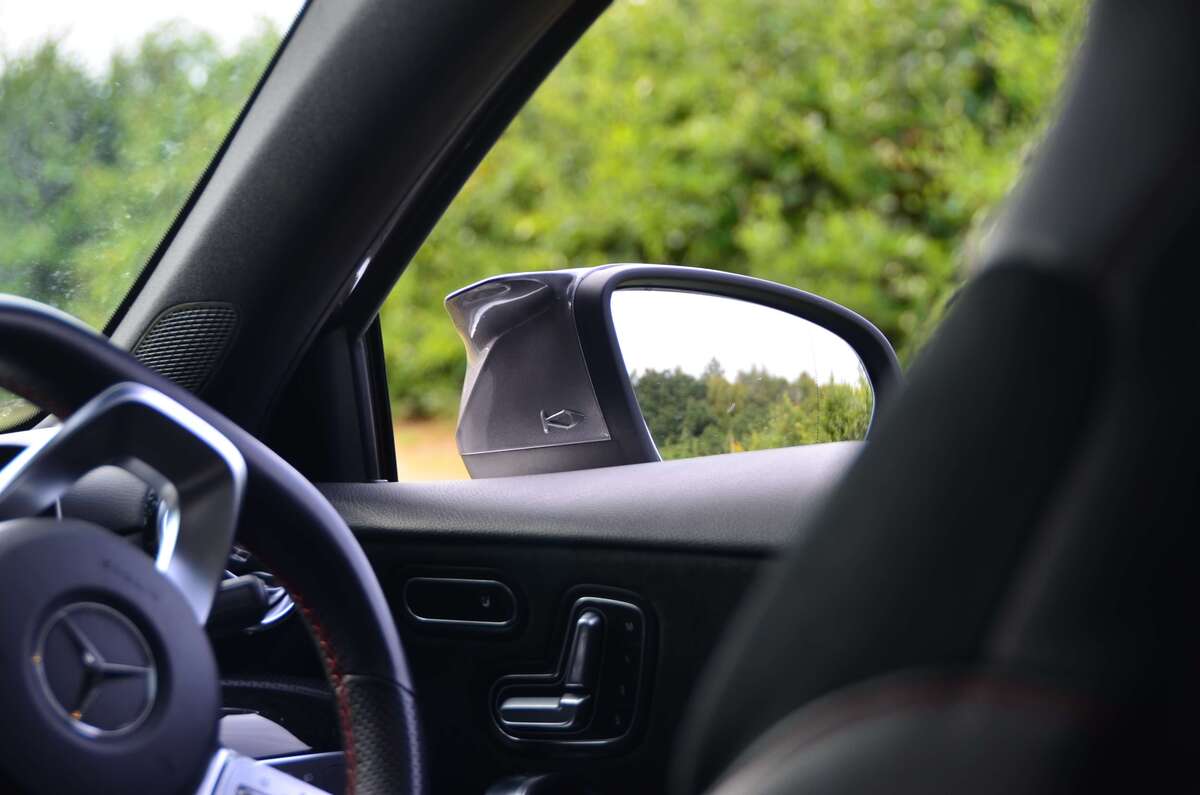
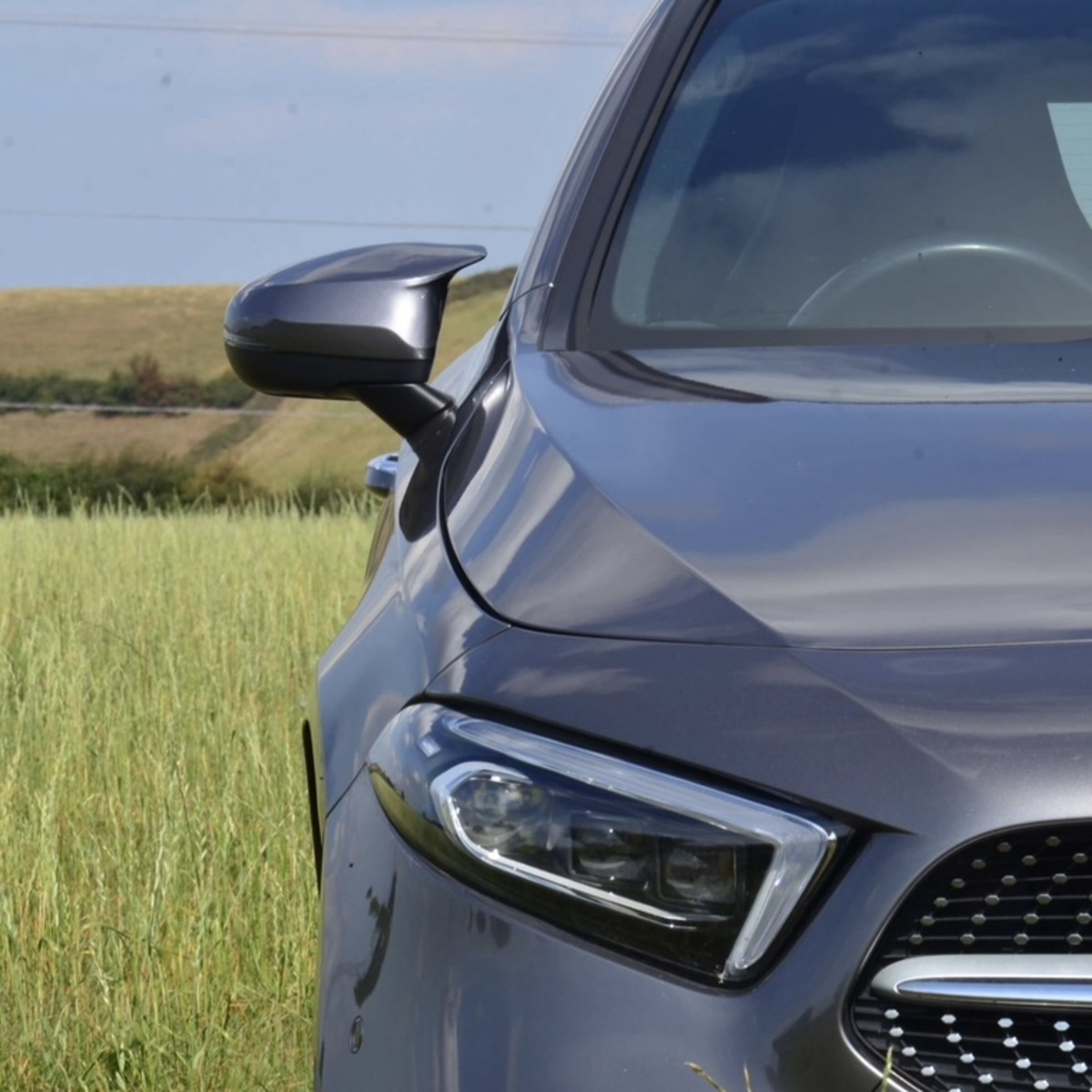
Kiku Designed Elements is a company that creates styling upgrades for high-end vehicles.
I developed the project alongside my university work as a self-directed design venture.
It began as a way to push my skills beyond set briefs and apply them to real vehicles and components.
The project combines sculpting, surface modelling, 3D scanning, rapid prototyping, additive manufacturing, and high-level finishing, for a cohesive visual presentation.
Through this process, I learned how smaller exterior parts can have a huge influence on the character and perceived value of a vehicle, especially when this level of detail is often overlooked by manufacturers.
I’ve become skilled at navigating the gap between designing an object and developing a commercially competitive product. Each stage required decisions around approach, form, fit, material, production method, and daily experience.
Kiku became a practical space to produce ideas quickly, refine details, and build confidence through making, all the while completing university modules.
The project shaped my interest in design as both a creative discipline and a commercial tool.
Now formed, Kiku is no longer just a foundation for my wider ambition, but a system with dedicated roles.