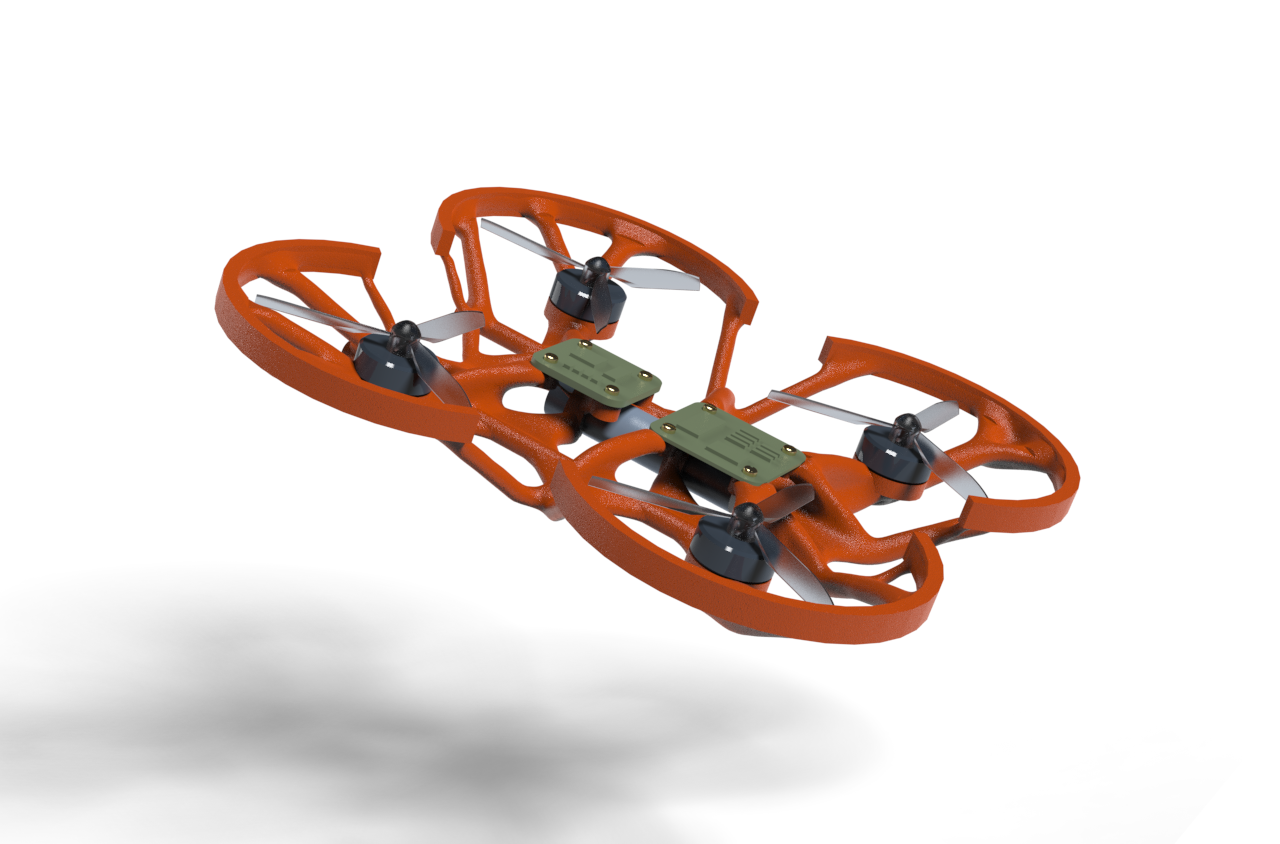
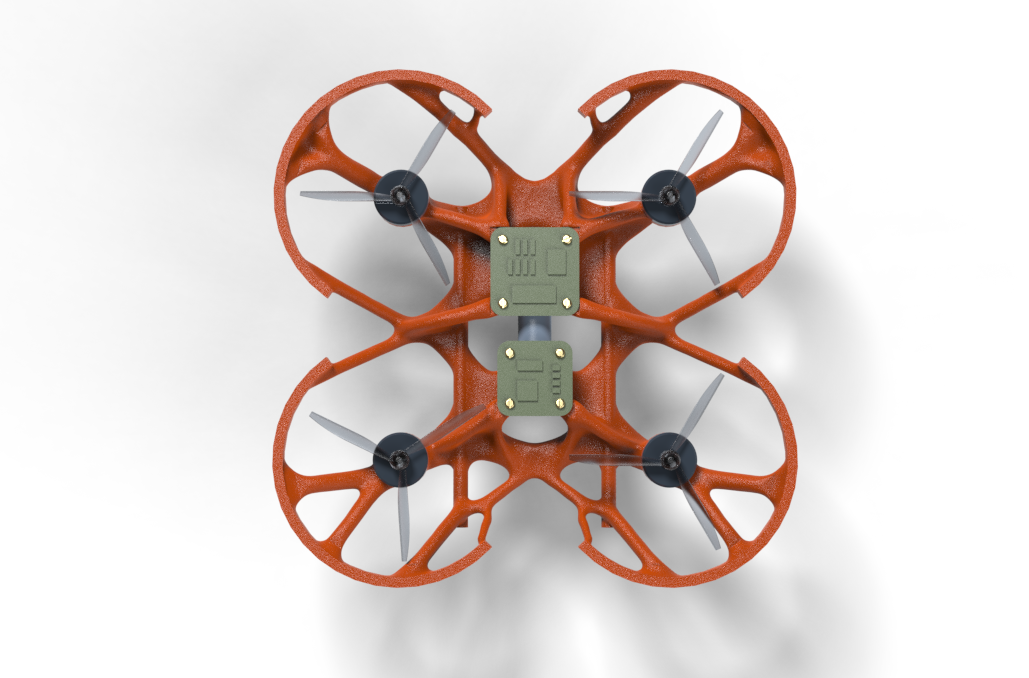
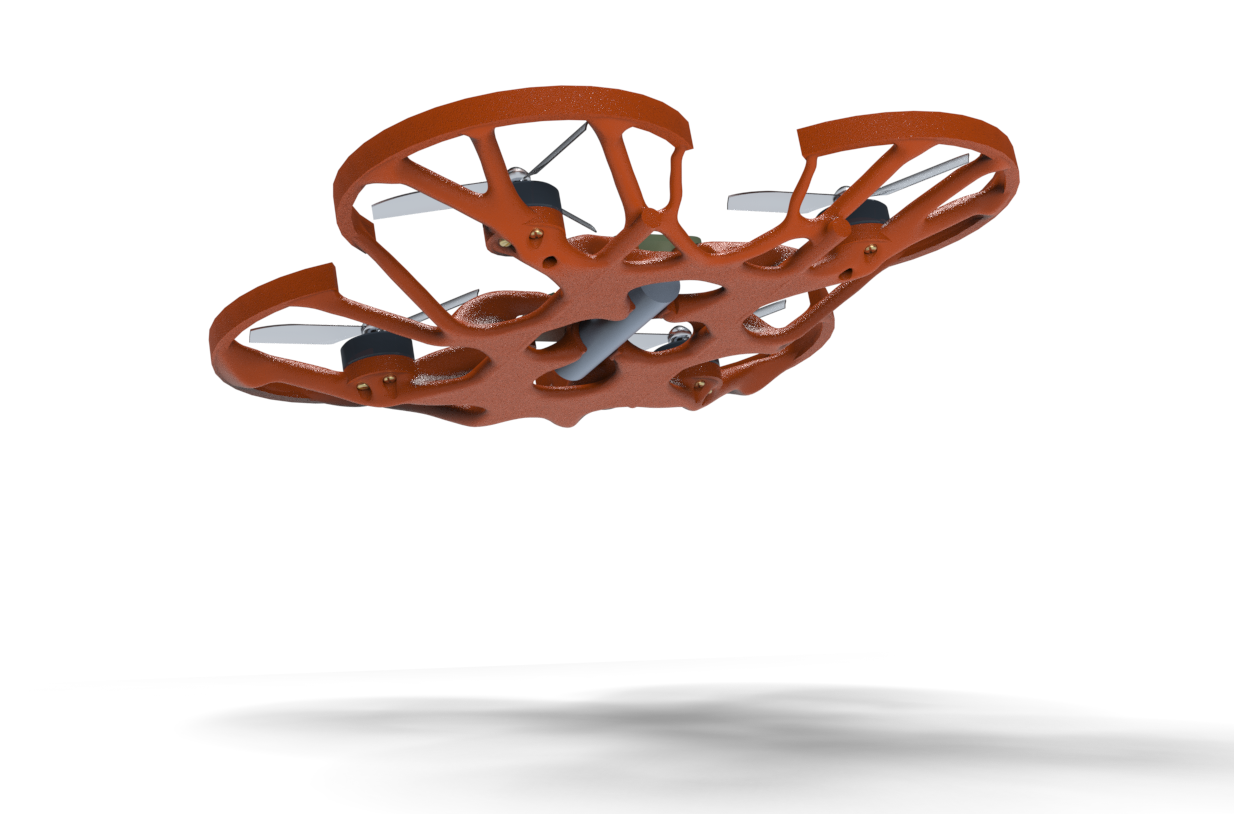
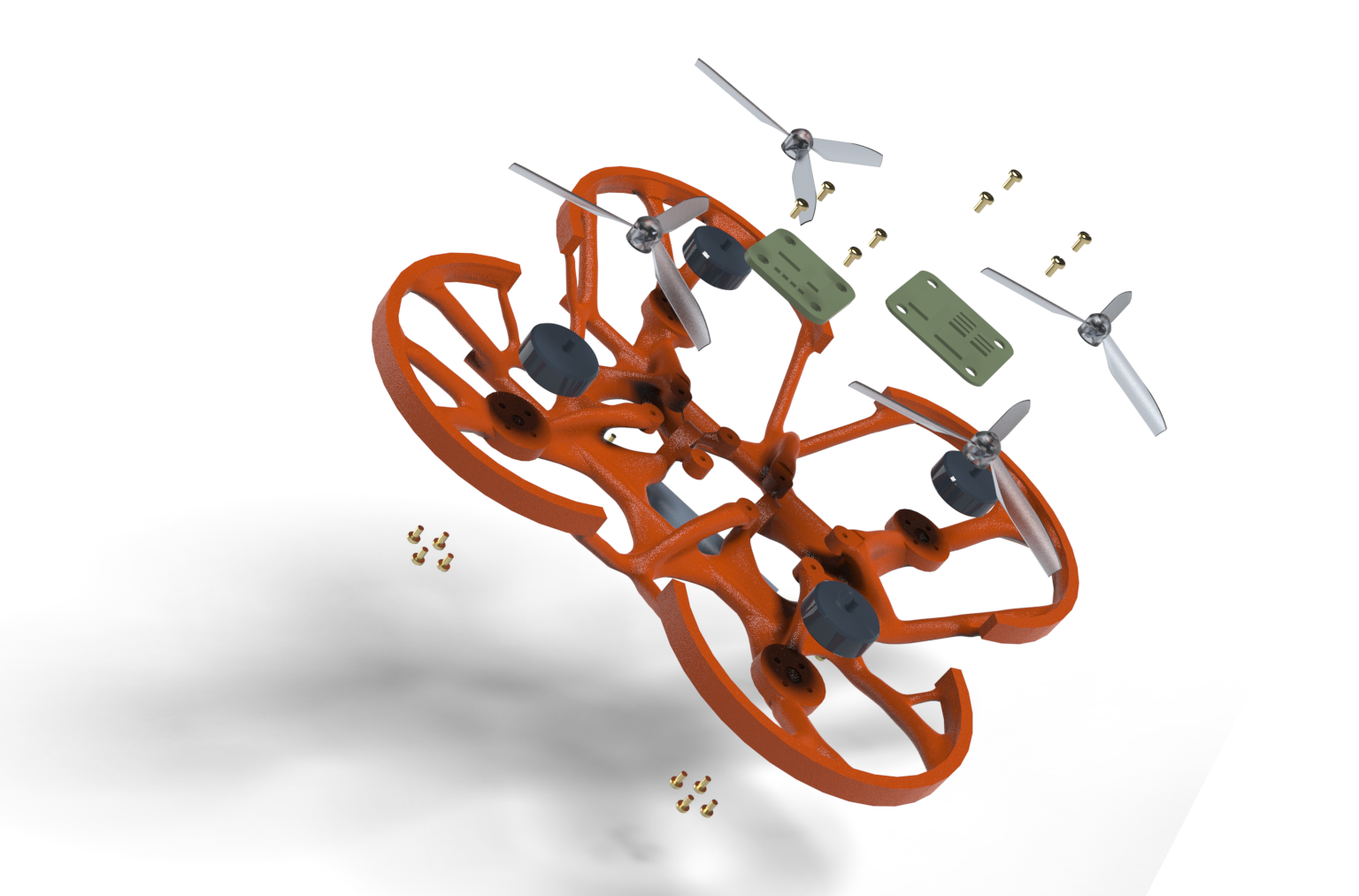
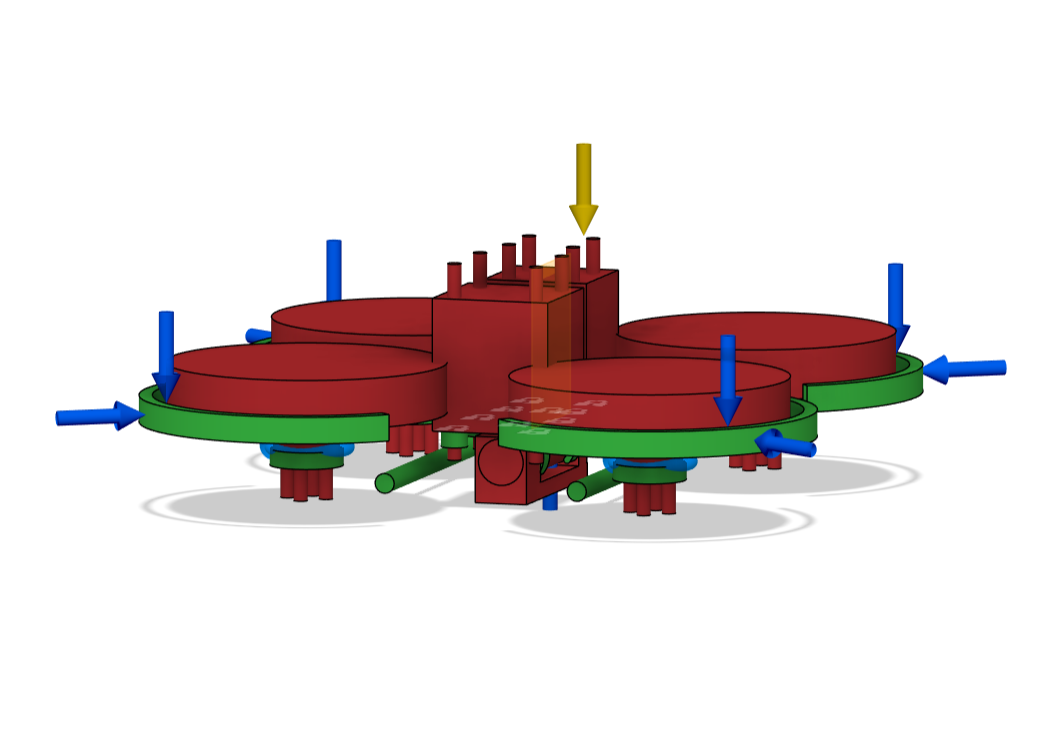
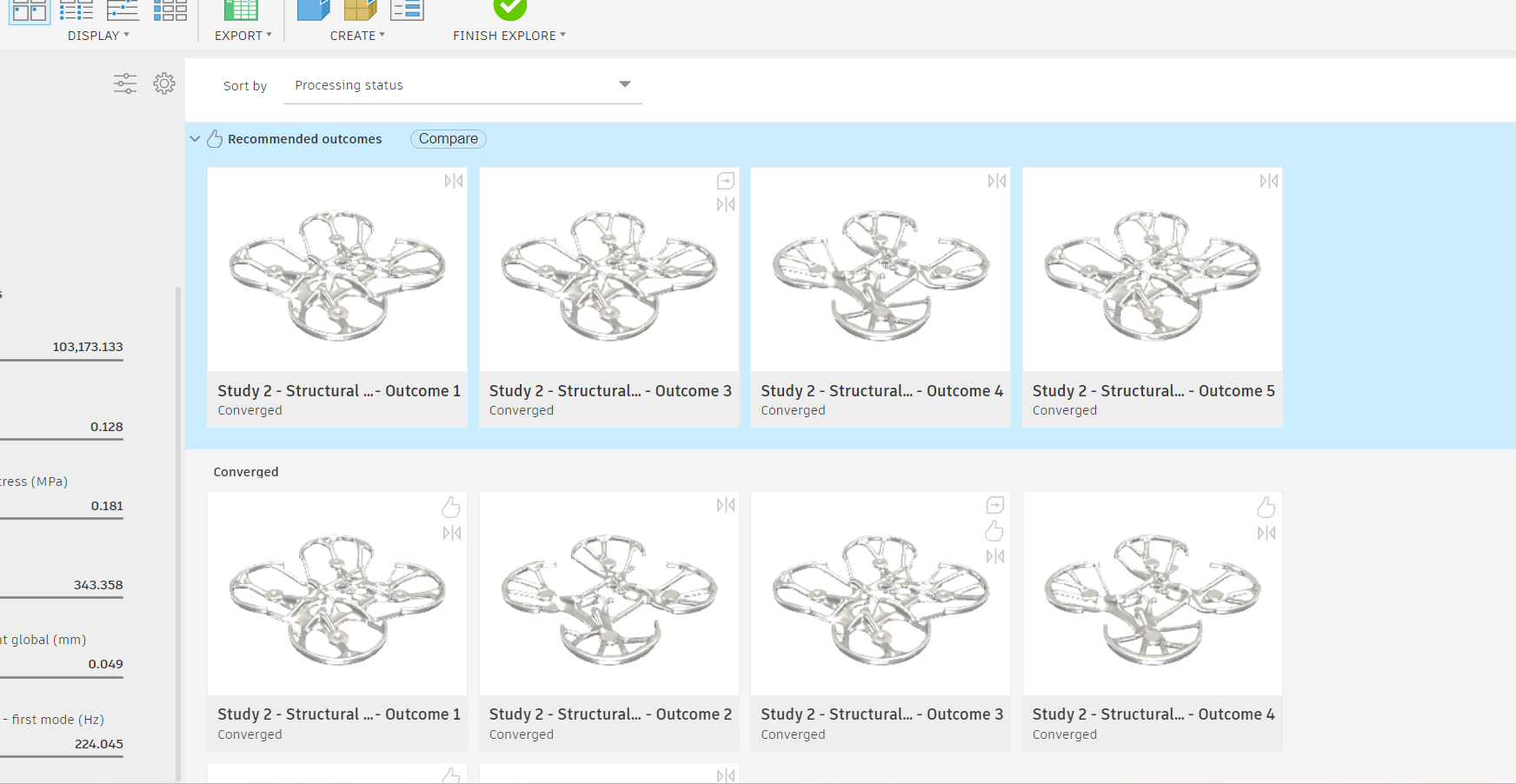
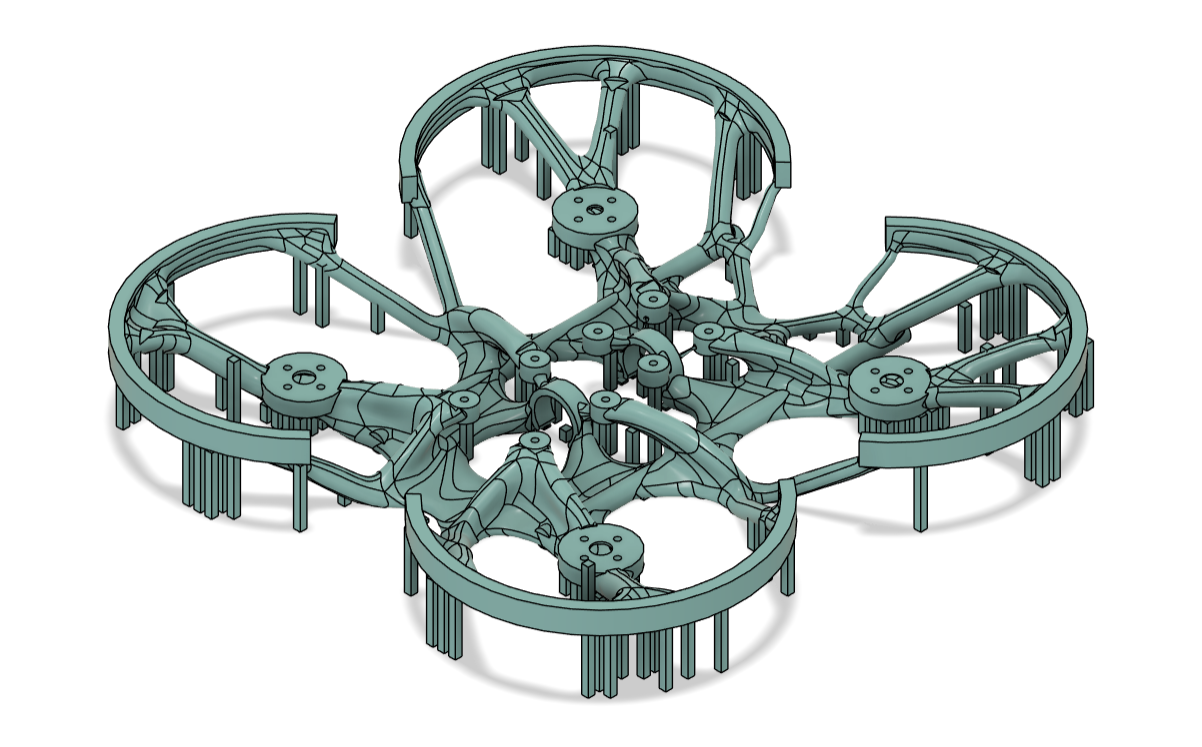
Using Fusion 360’s generative design tool, this project developed a structurally optimised body for a 3-inch FPV drone. By defining preserve and avoidance geometry, applying real-world motor forces, and specifying 3D printing constraints, the software produced an organic lattice frame in PLA achieving a safety factor of 343, far exceeding the minimum requirement of 2, at a material cost of just £2.44.
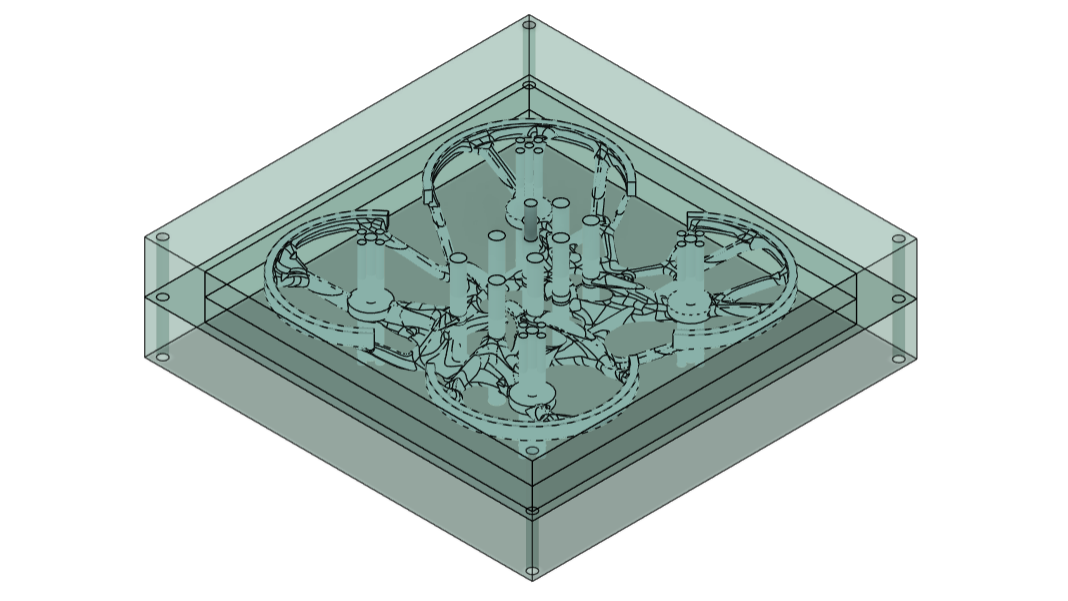
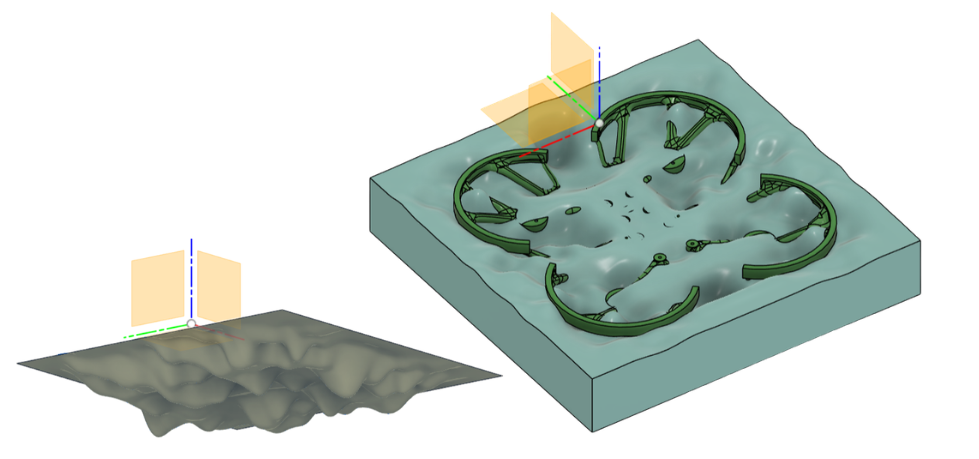
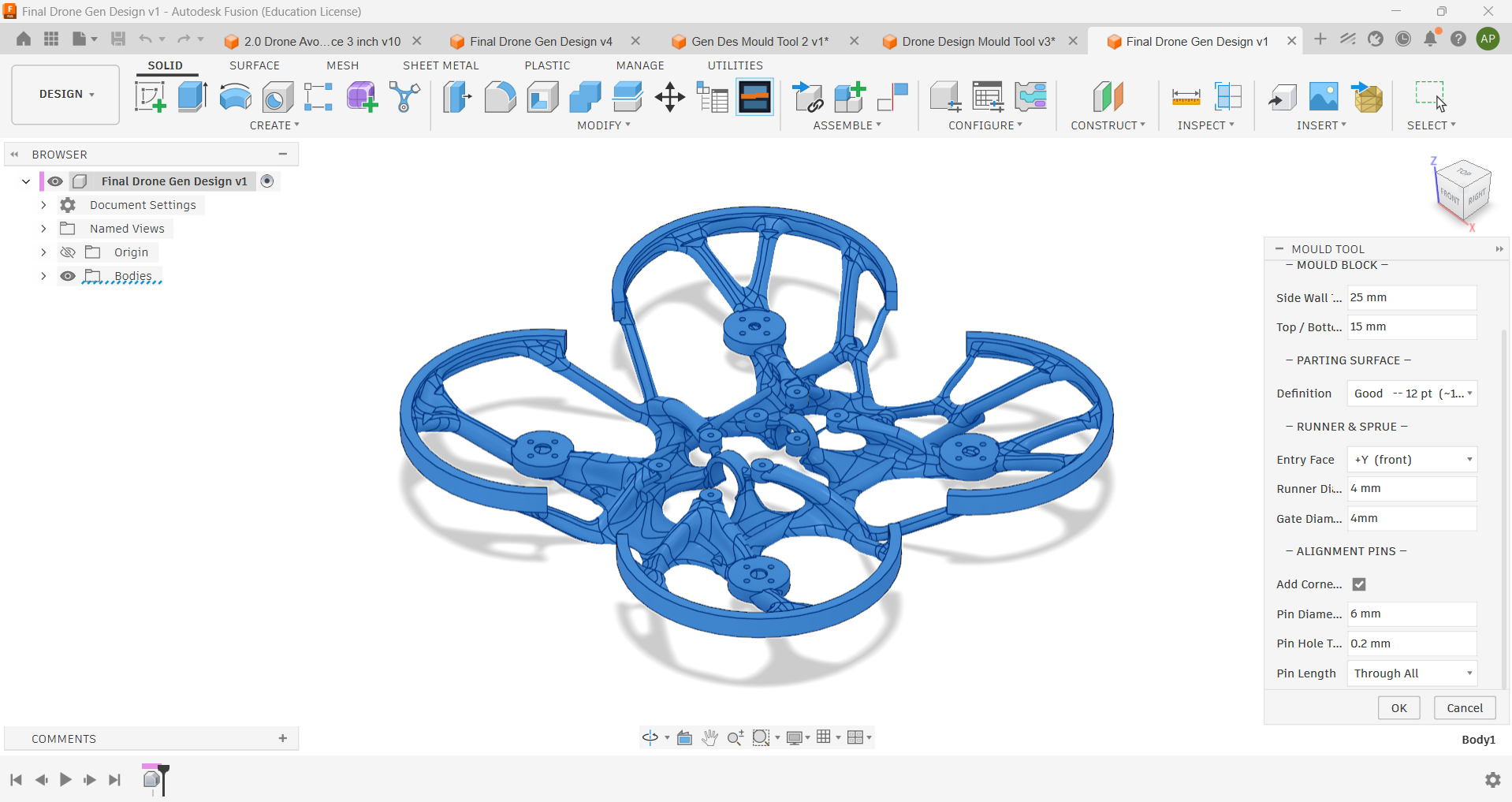
Exploring whether an injection mould tool could be created using LLMs directly within Fusion 360 using Fusion API scripts. A custom add-in was developed that generates a two-part mould block with draft angles, alignment pins, and a runner system from any uploaded STEP file, enabling a rapid pathway from generative design output to mass-manufacturable tooling.
Following submission in May, the mould tool generation workflow has been rebuilt in Rhino Grasshopper, addressing the limitations of Fusion 360’s Python API and enabling a more robust, parametric approach to automated tooling.
Supporting lifeguards in recovering Casualties with spinal injuries from deep or complex water scenarios.
Cervical spinal injuries account for 60% of all spinal injuries and are among the most life-altering emergencies lifeguards face. Currently, there is no RLSS-recommended extraction method for casualties with suspected spinal injuries in deep water. Casualties must first be moved to shallow water before a spinal board can be deployed, adding critical minutes to a rescue.
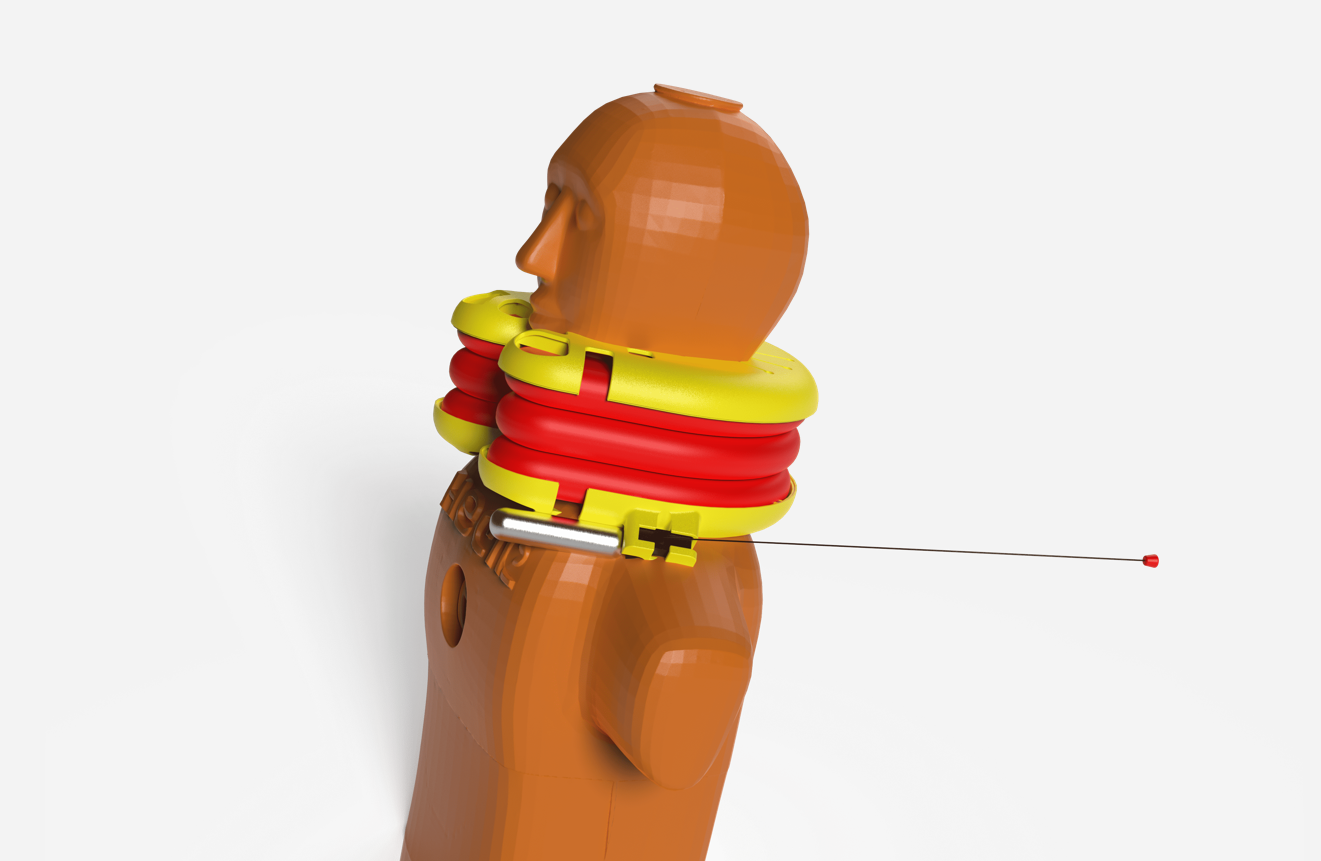
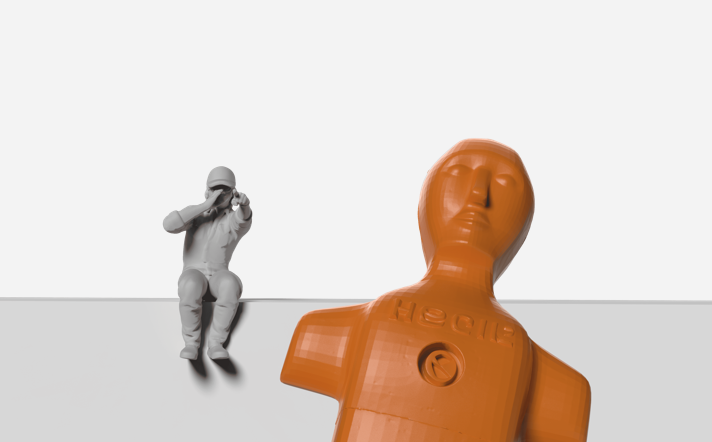
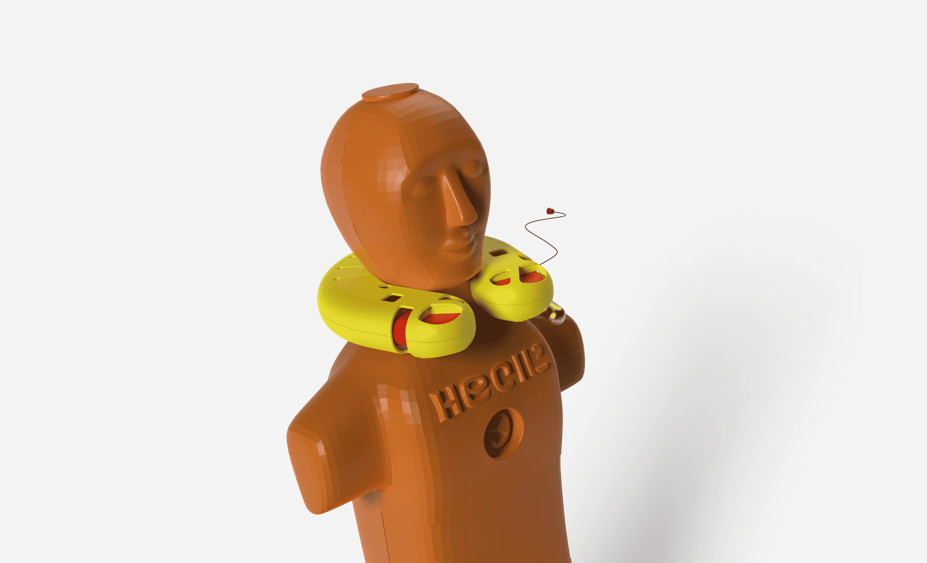
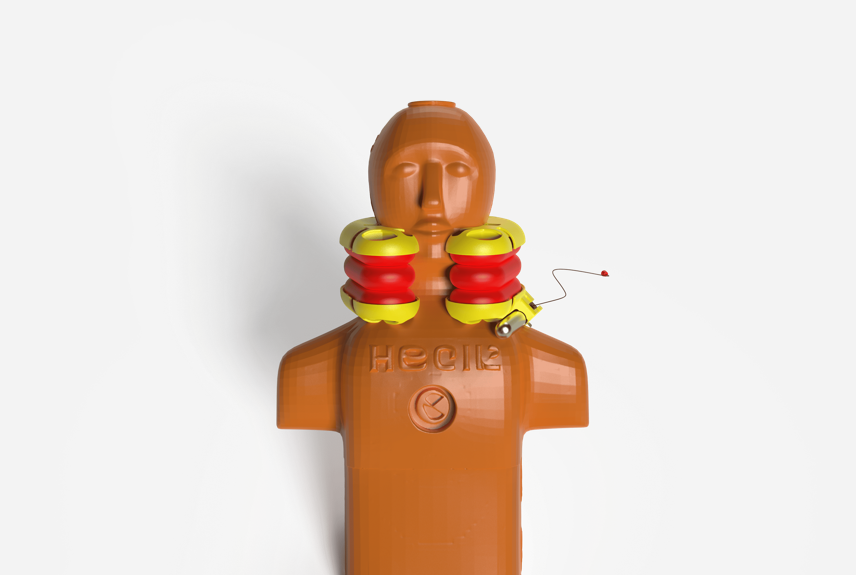
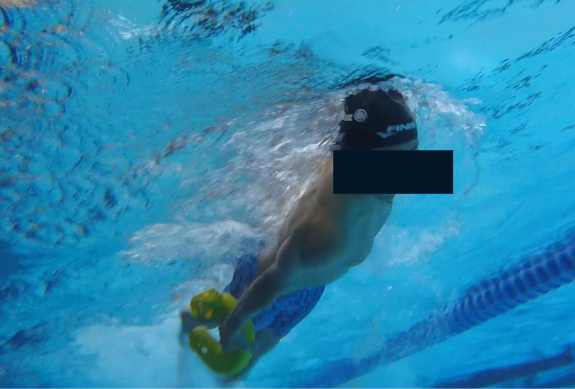
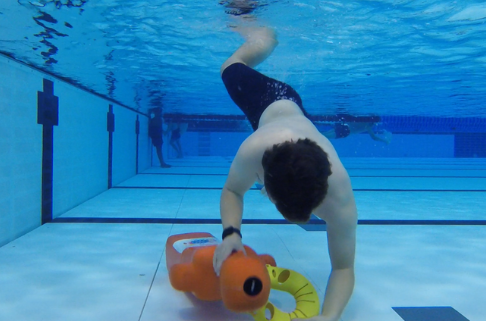
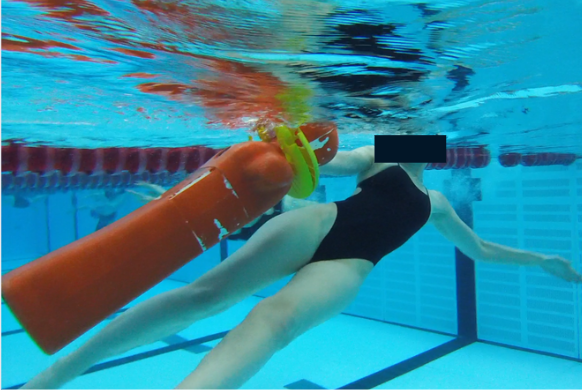
Spine-Align is a CO₂-inflated cervical stabilisation device designed to be deployed by a single lifeguard in deep water in under 10 seconds. Two buoyant polymer shells, connected by neodymium magnets, are placed around the casualty’s neck and inflated via a pull-cord mechanism — providing inline spinal stabilisation while supporting the casualty’s head above water and freeing the lifeguard’s hands.