I’m a multi-disciplinary designer with a passion for mobility & interaction design. I'm technically focused and specialise in balancing strategic creative planning, with innovative product concepts, in the push for a brighter future.
“To empower a new generation to navigate independently through learning, exploration, and experience outdoors.”
Wayfinder
Young adults are increasingly reliant on GPS-based technology, reducing both confidence and competence in independent navigation. This dependency is reflected in rising Mountain Rescue Team callouts among 18-24 year olds, highlighting a gap in foundational outdoor skills. There is an opportunity to reposition navigation not as a task outsourced to technology, but as an empowering, learnable life skill.
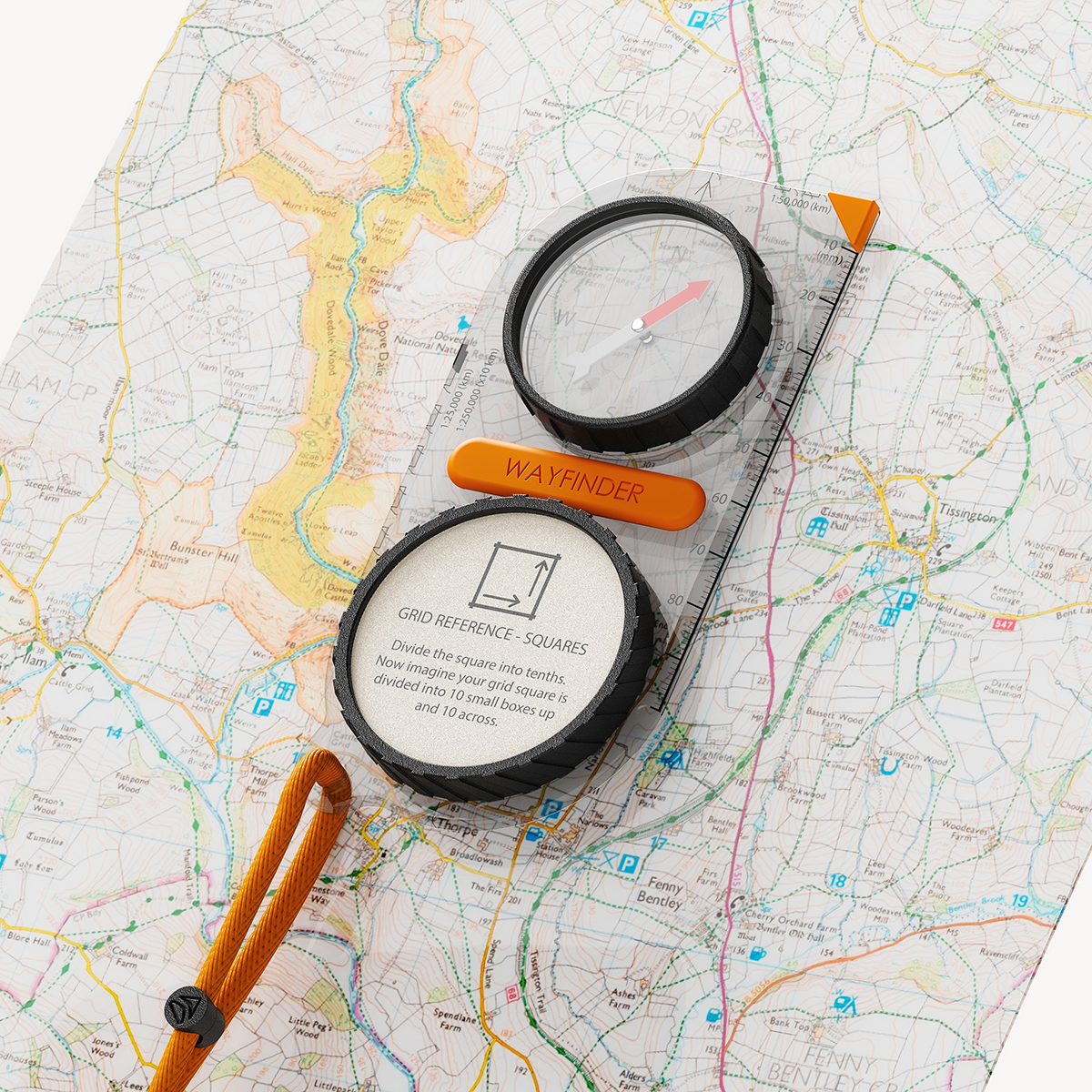
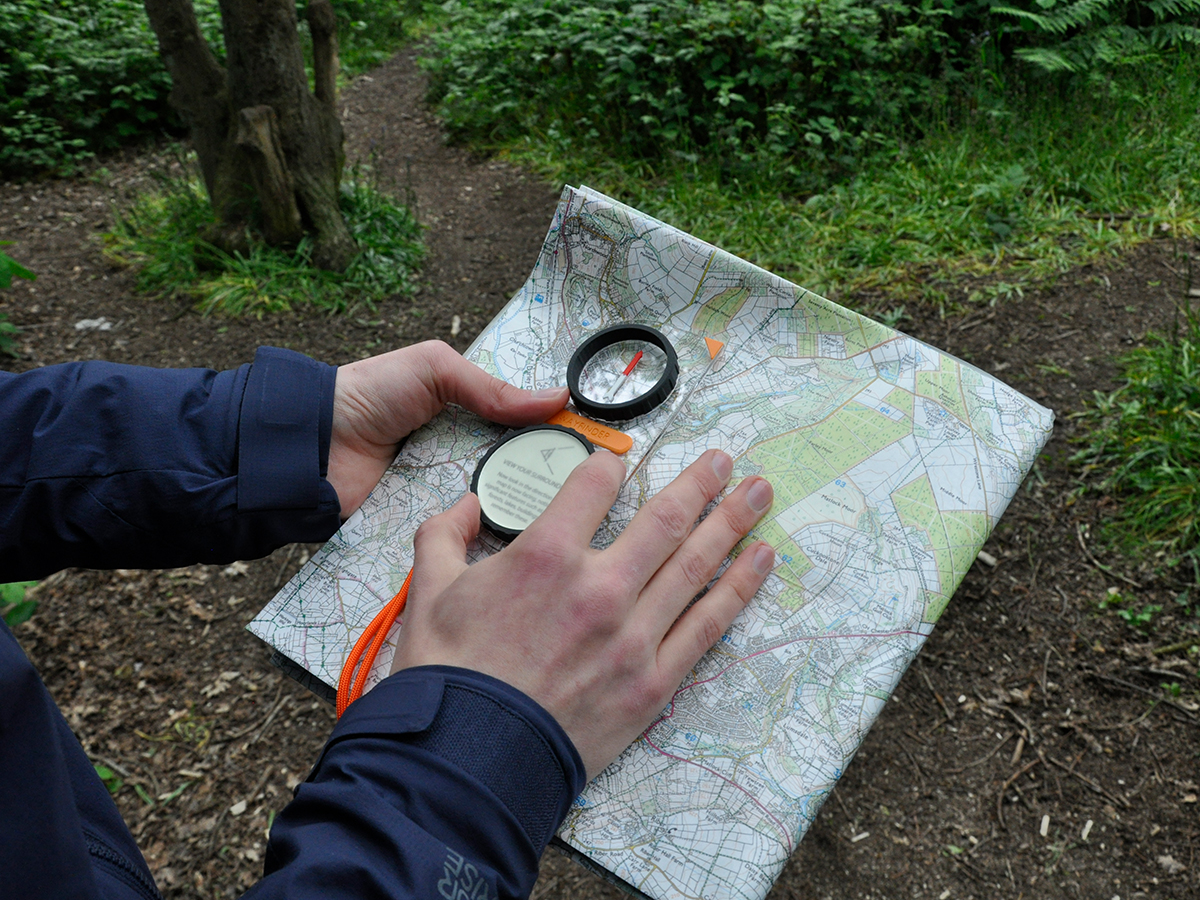
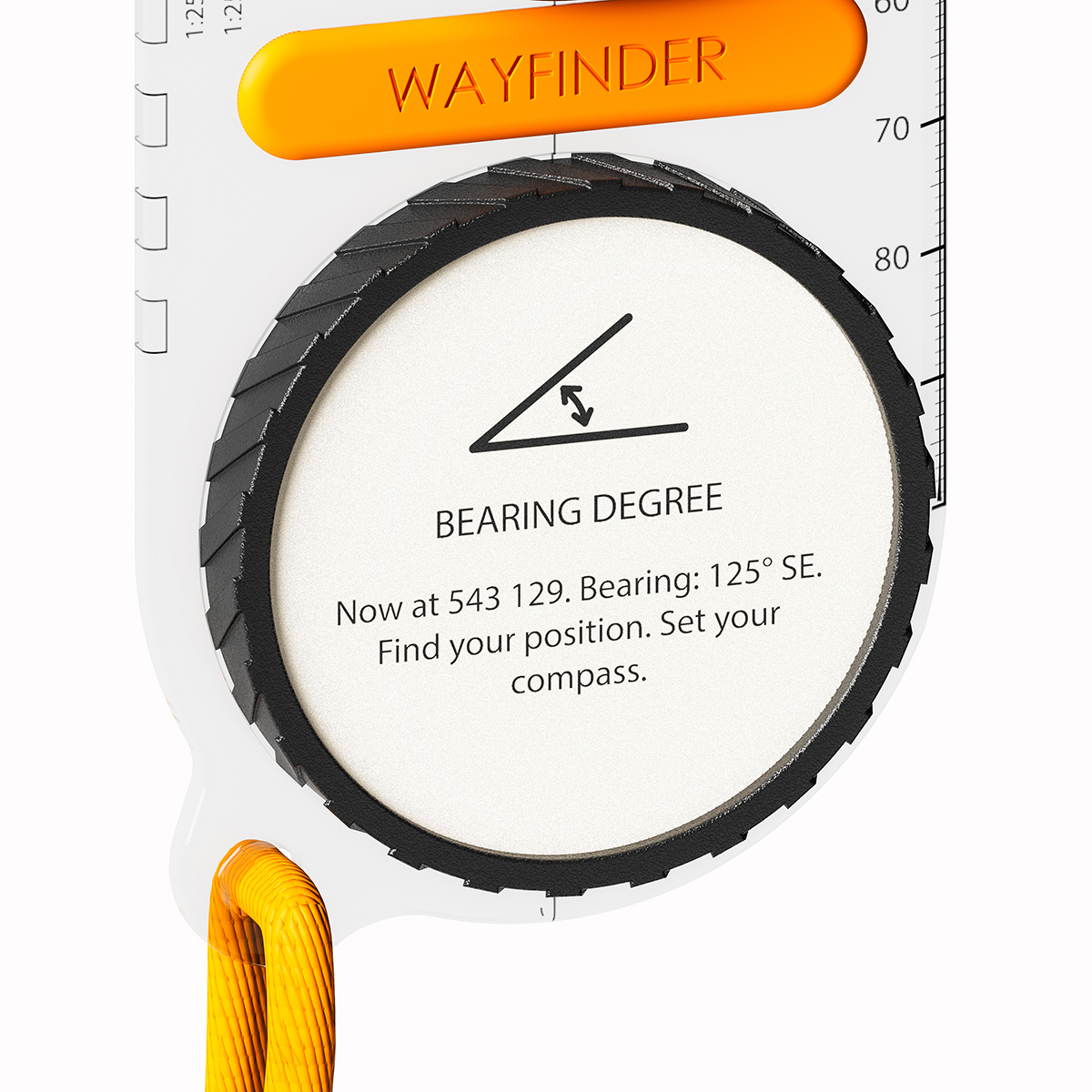
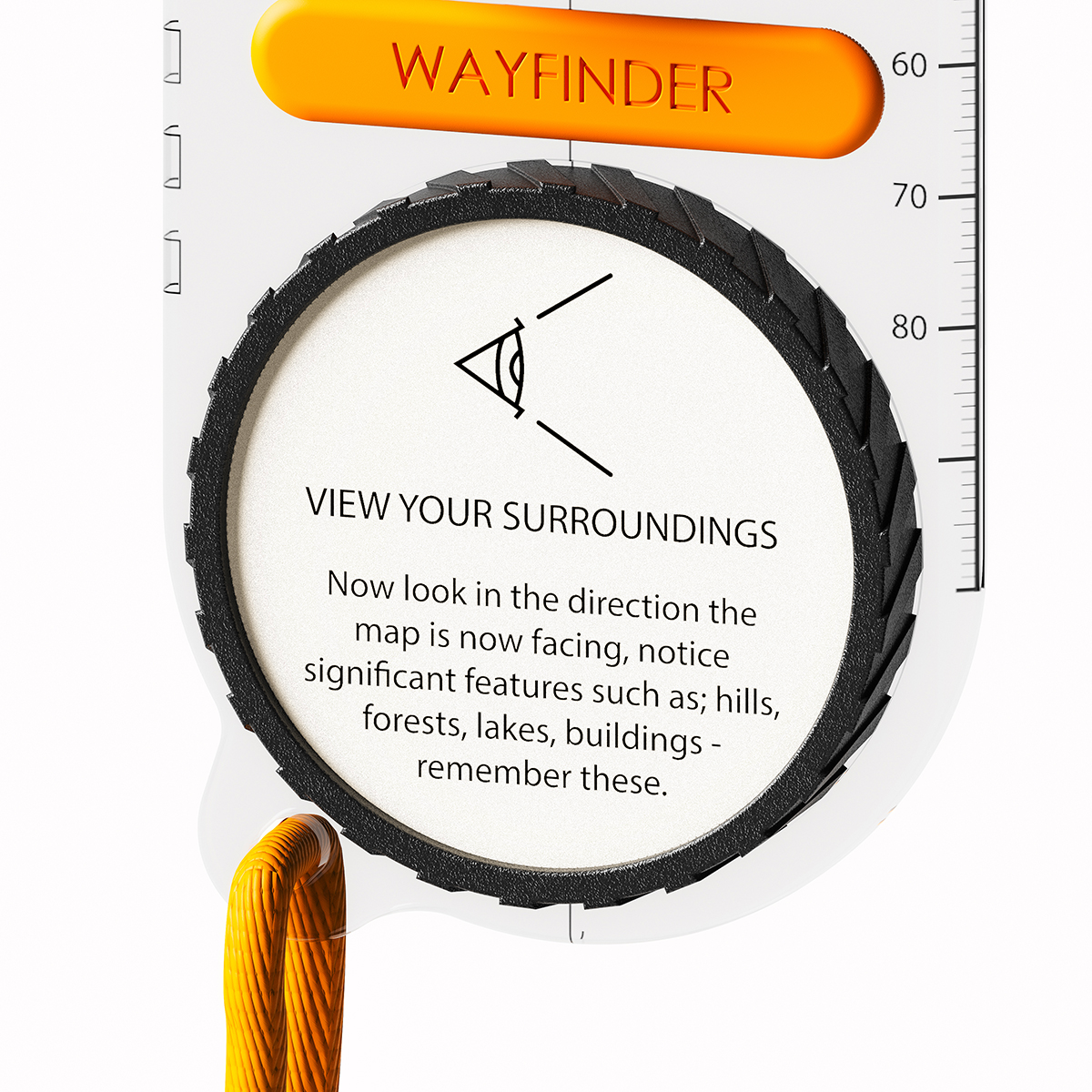
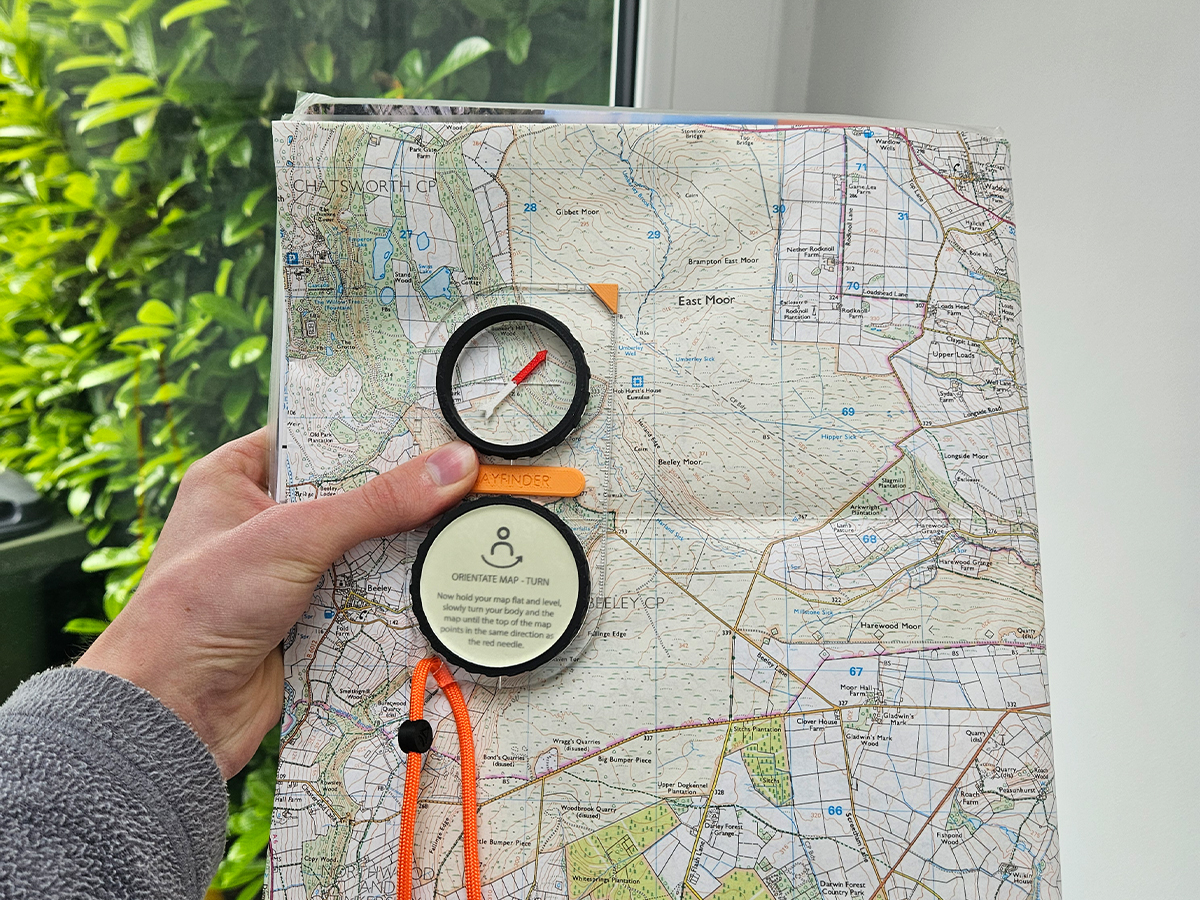
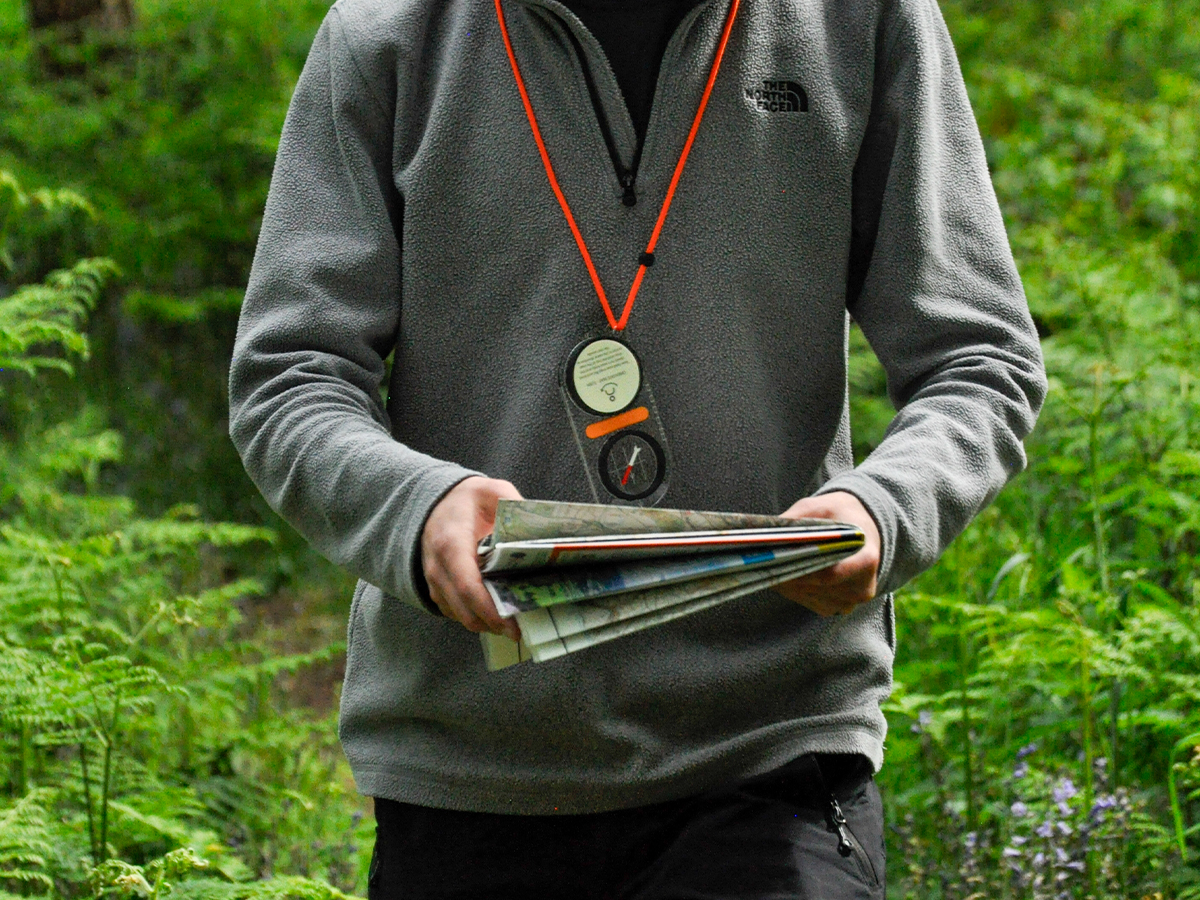
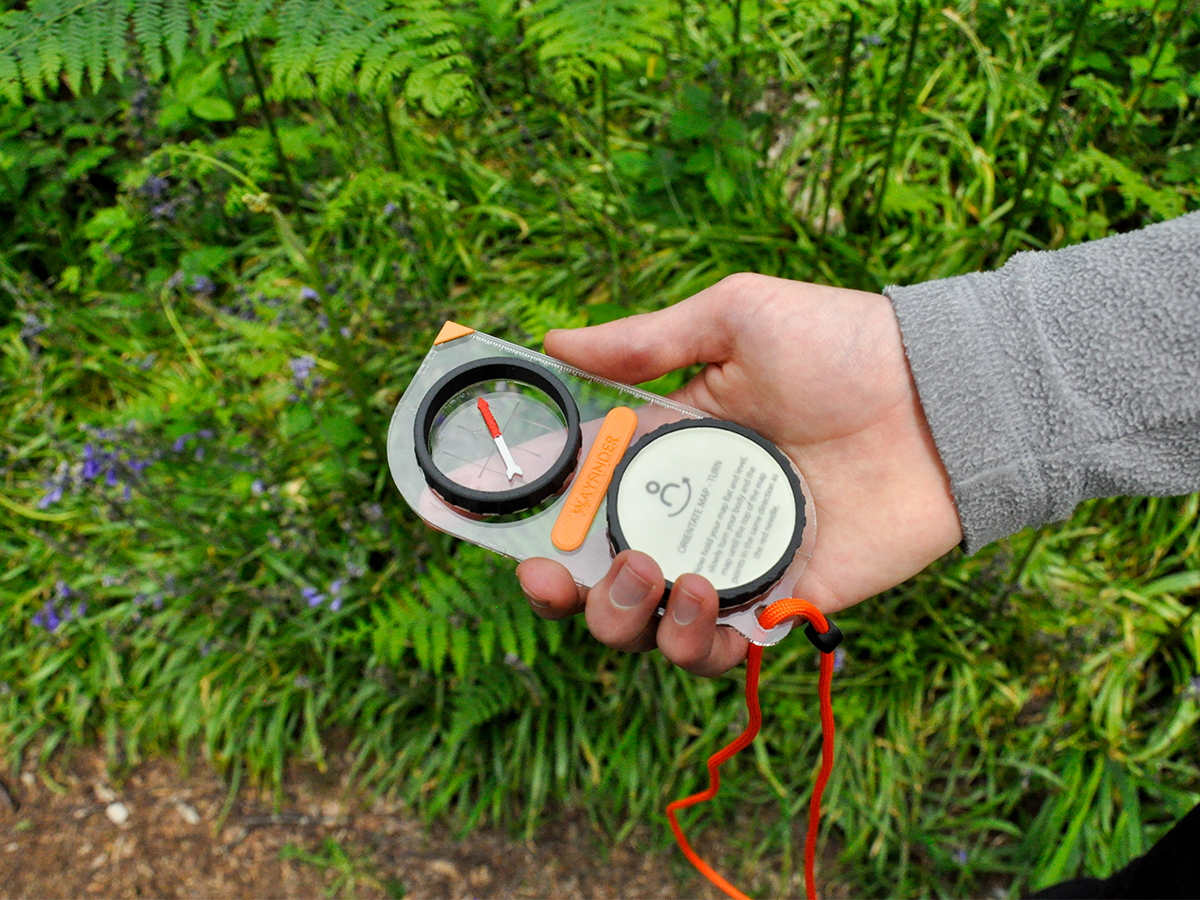
So, what is Wayfinder? It’s a hybrid-analogue device that teaches young adults essential map and compass skills. Through a minimal E-Ink UI, and repeatable UX interaction steps, it reinforces learning through real world use in order to build confidence without overwhelming the user when in the great outdoors.
How does Wayfinder work?
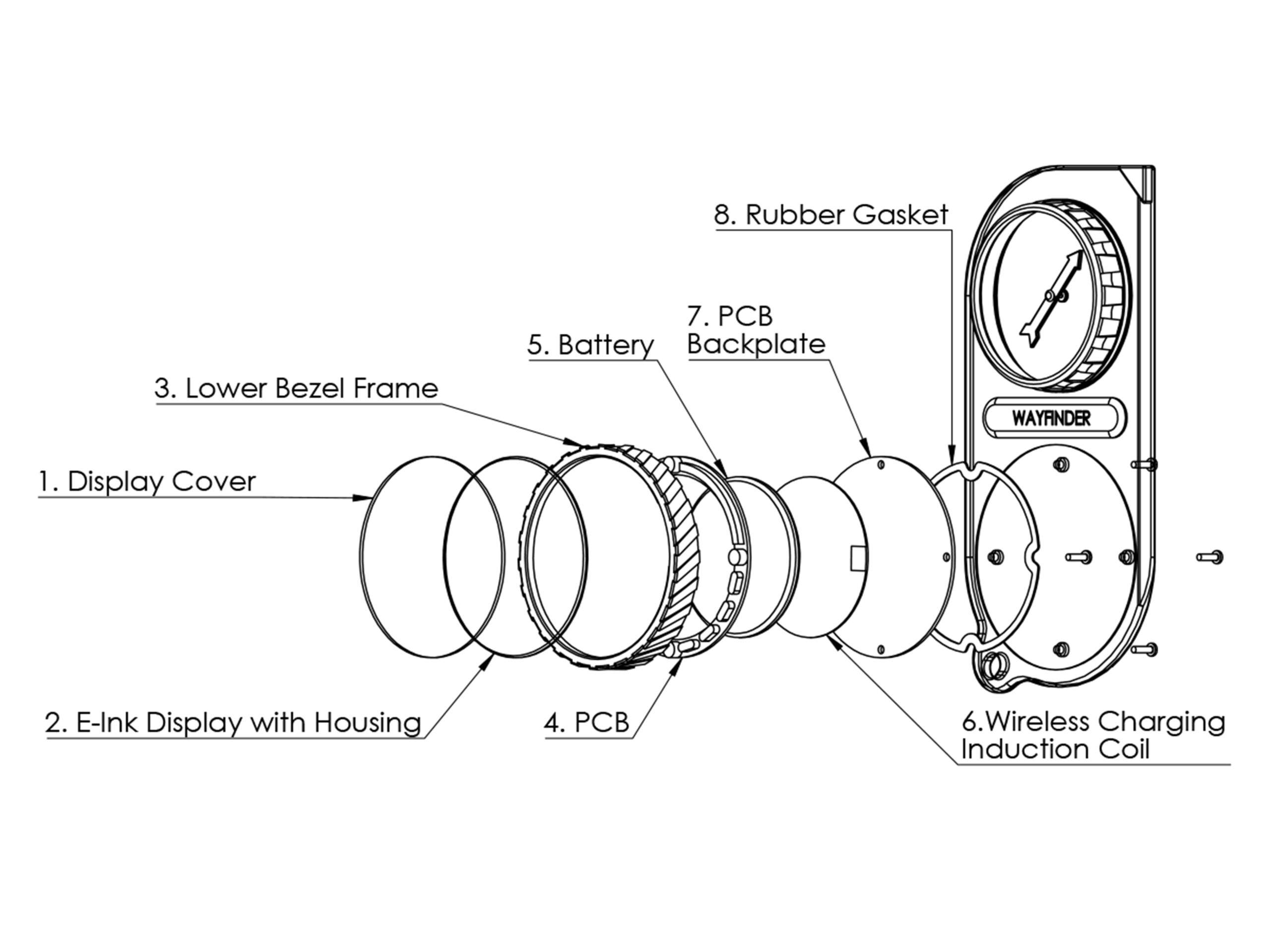
Beneath its glare-free, non-touchscreen E-Ink display, the product houses a GPS, wireless charging, Edge Ai processing and a three-day LiPo battery. The display bezel is engineered with a deep, diagonal ribbing texture for maximum grip in all weathers, when cycling through navigation instructions.
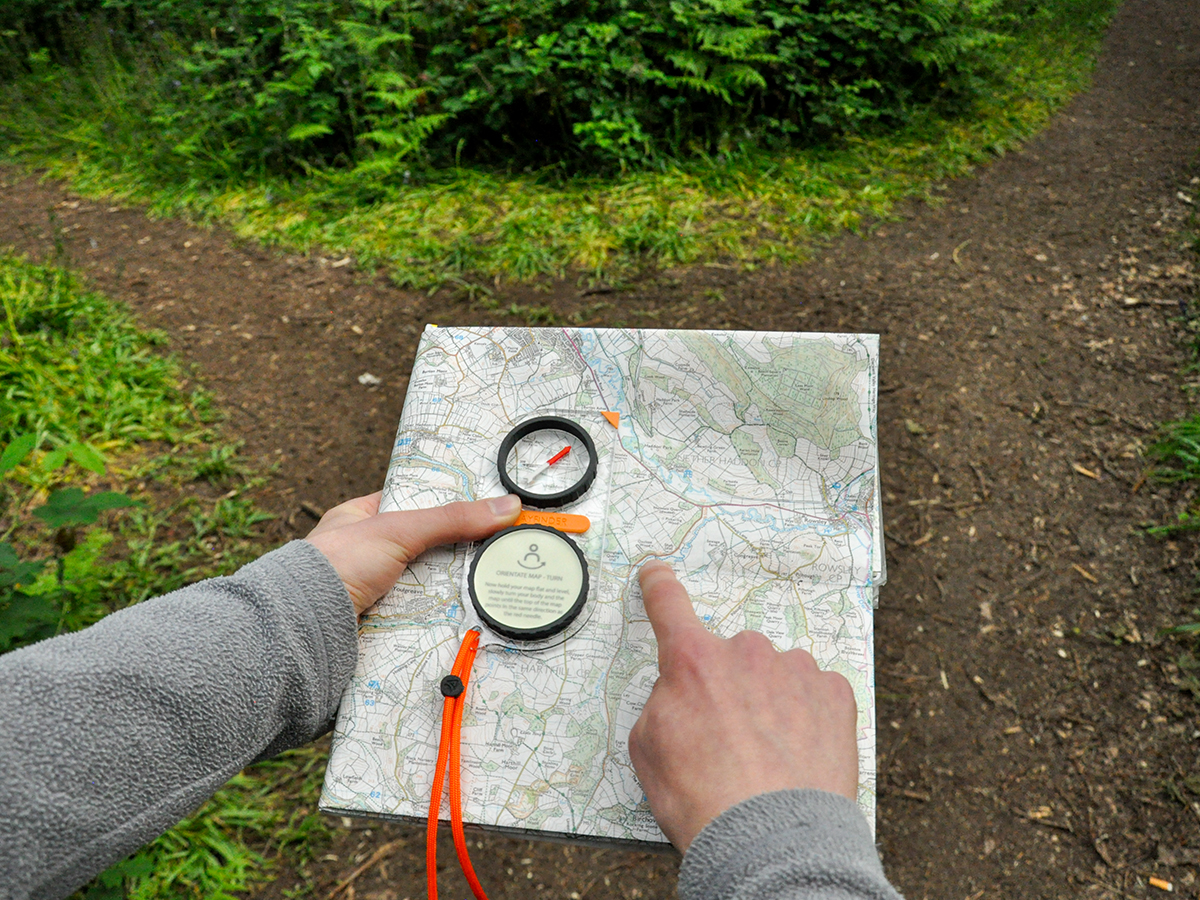
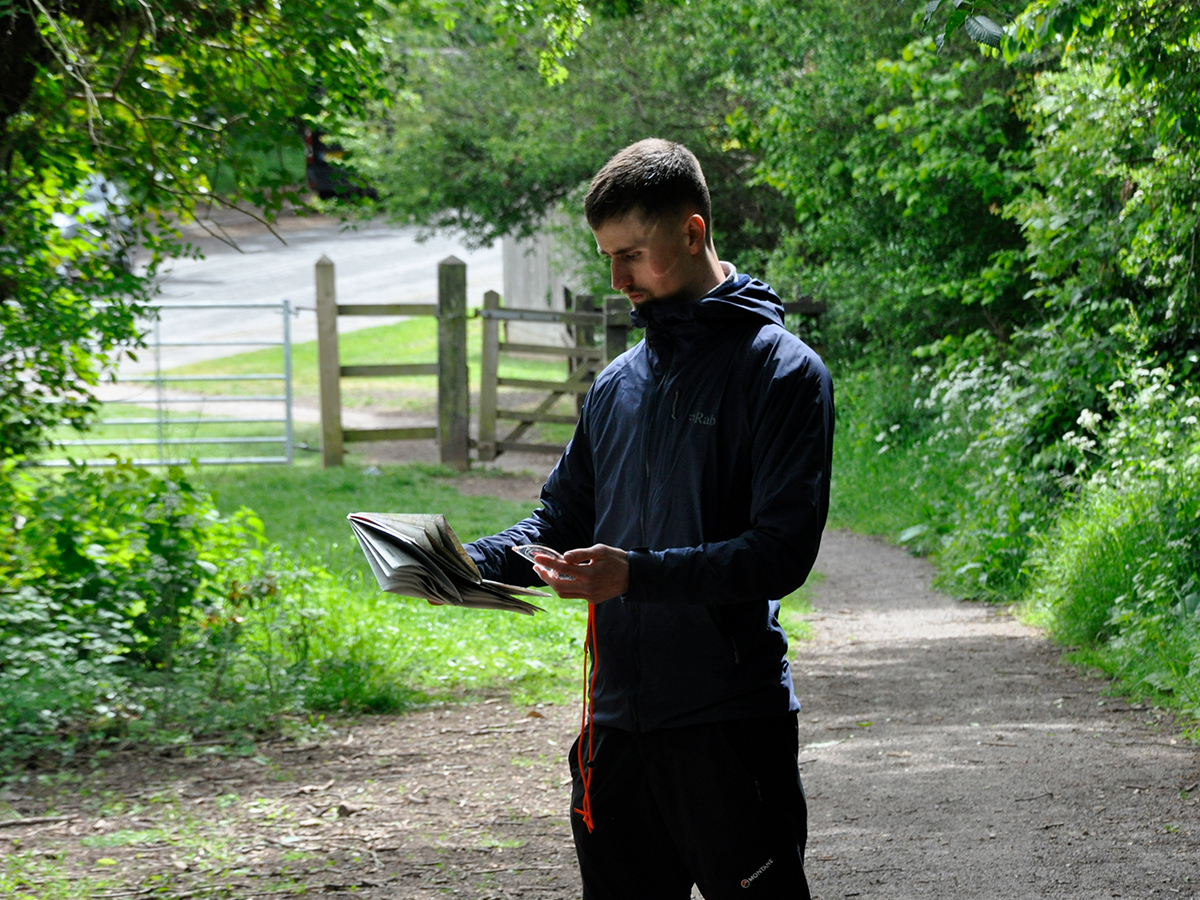
When hikers arrive at critical stress points, like a confusing fork in the trail – they often feel anxious. However, Wayfinder directly supports them by breaking the challenge down into bite-sized steps, which are cycled through via the bi-directional clicking bezel.
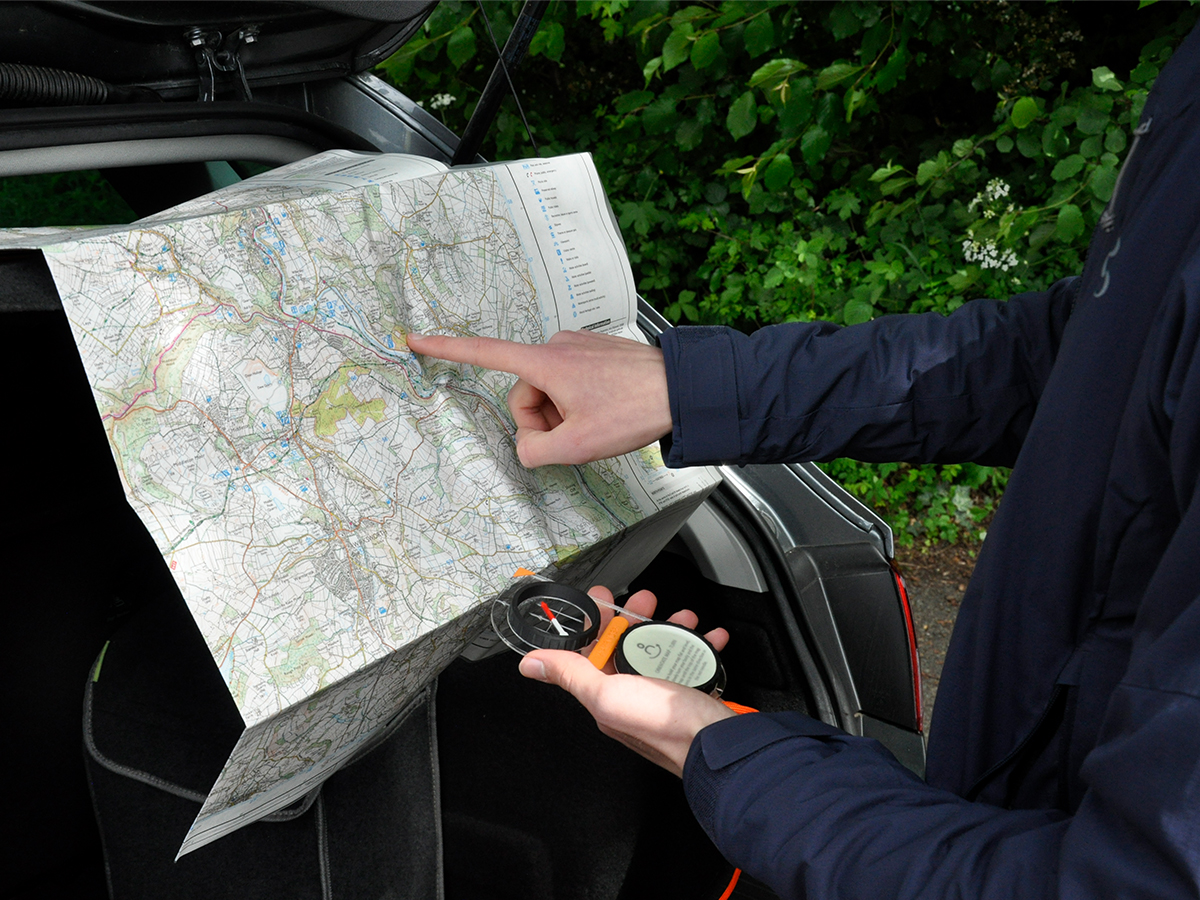
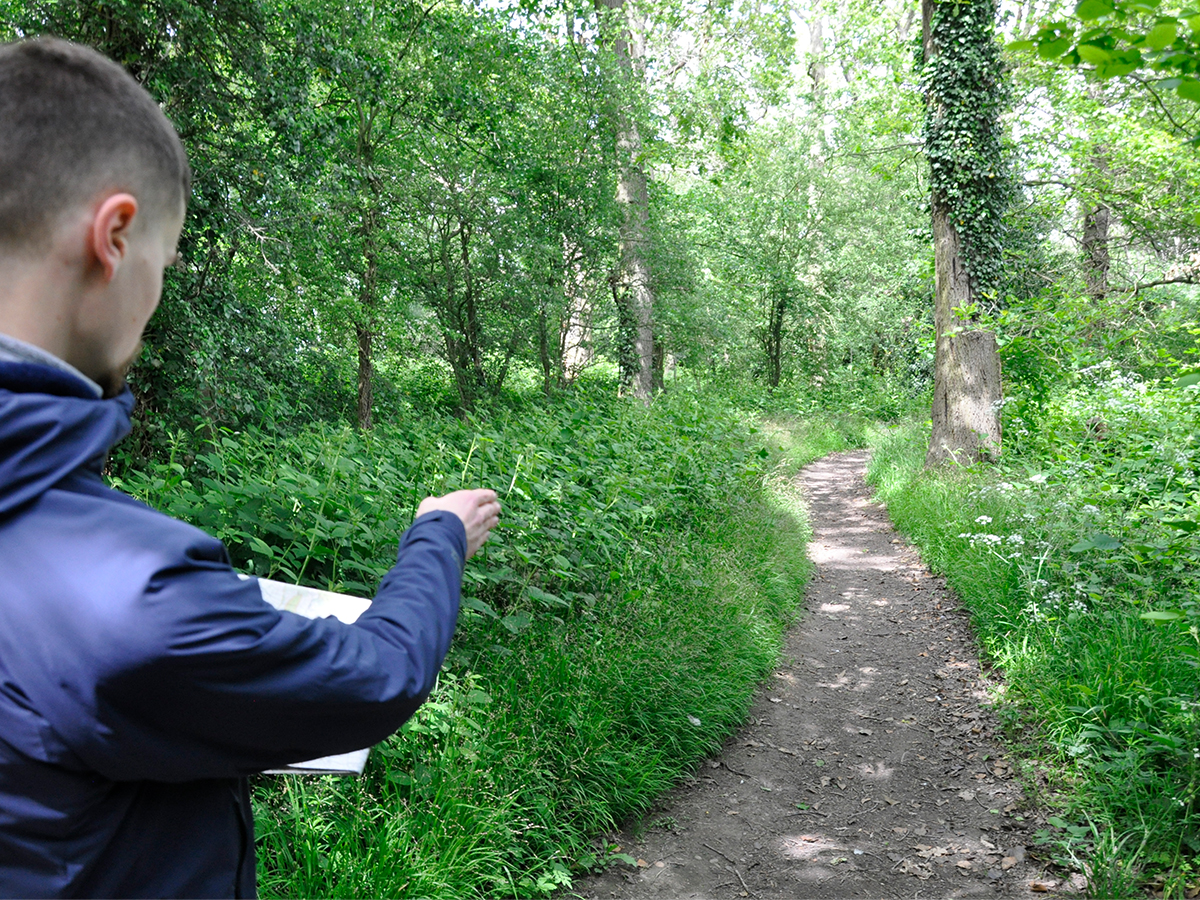
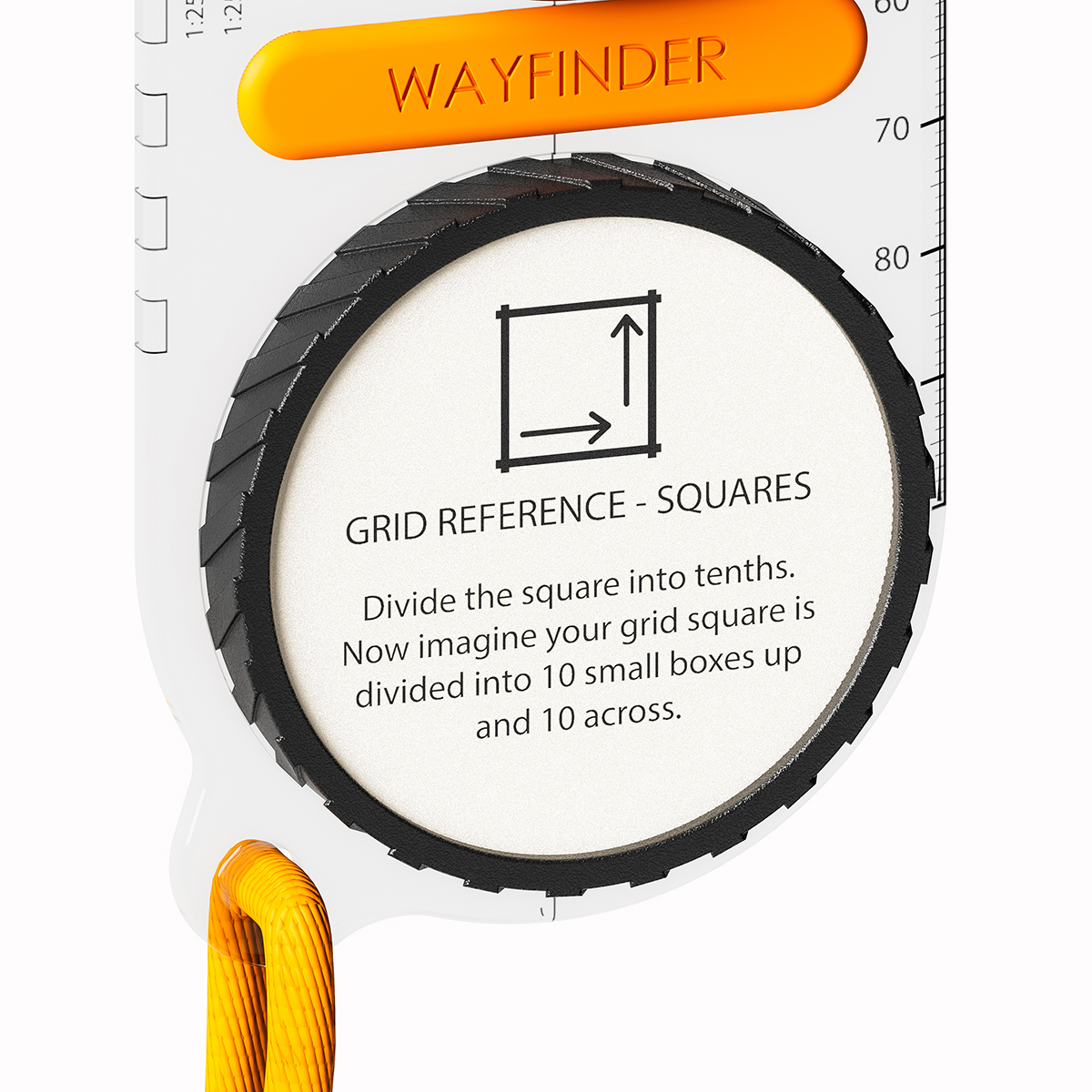
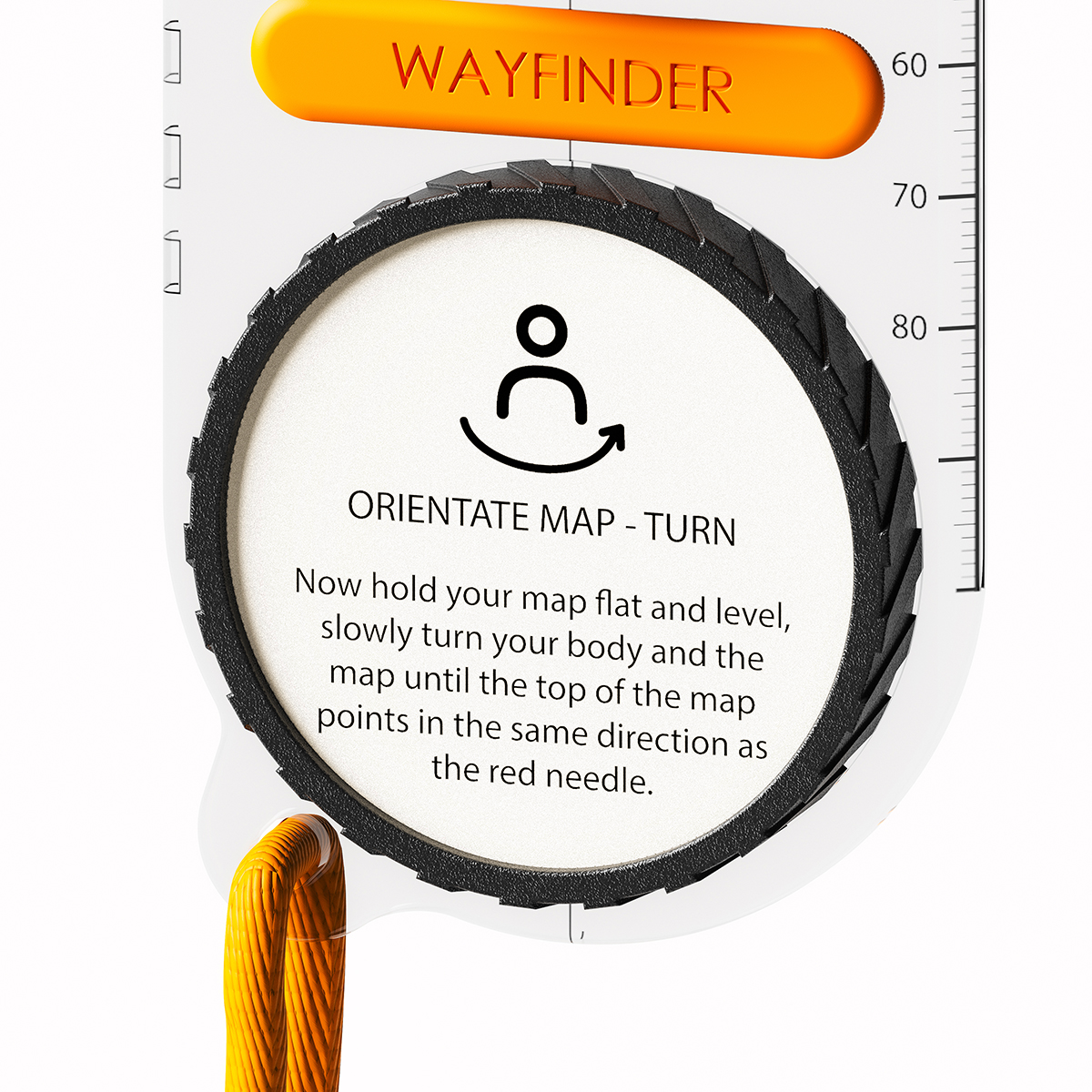
Through intentionally repetitive instructions, the user builds confidence and long-term skills – for example the user is actively prompted to orientate their map, read grip references, and observe the physical landscape around them.
In summary, the user would upload a pre-planned / pre-selected hiking route GPX file to the device via bluetooth. They would then arrive at the start point location, cycle through the instructions on the E-Ink display, find their location on the map, find their direction of travel (bearing), look up at their surroundings and begin their hiking adventure.
What are some example instructions?
How is it sustainable?
The product has been designed with sustainability and repair-ability in mind; for example if a user managed to break the baseplate, they could merely replace just this part. The four M1.6 phillips head screws, with their silicone washers, could simply be unscrewed and mounted to the new baseplate, with its integrated compass. Furthermore, in-line with 2026 EU legislation – the “Right to Repair” directive, the battery must be replaceable, further supporting the need for the design for disassembly aspects Wayfinder has integrated.
What does Wayfinder mean for Users?
Through rigorous user testing and multiple user evaluation stages, some of the key pieces of feedback I received included; that users loved the “simple” E-Ink UI, noting that it felt like a tool that perfectly complemented the analogue compass rather than being a distracting gadget. Other comments included how the display naturally fits within the “semantics of the compass” and show clear guidance that some found “therapeutic”.
“Wayfinder – a deliberate intersection of analogue and heritage utility with new technology”
NoiDeer – Team Project
Preventing Deer-Vehicle Collisions on Country Roads in the UK
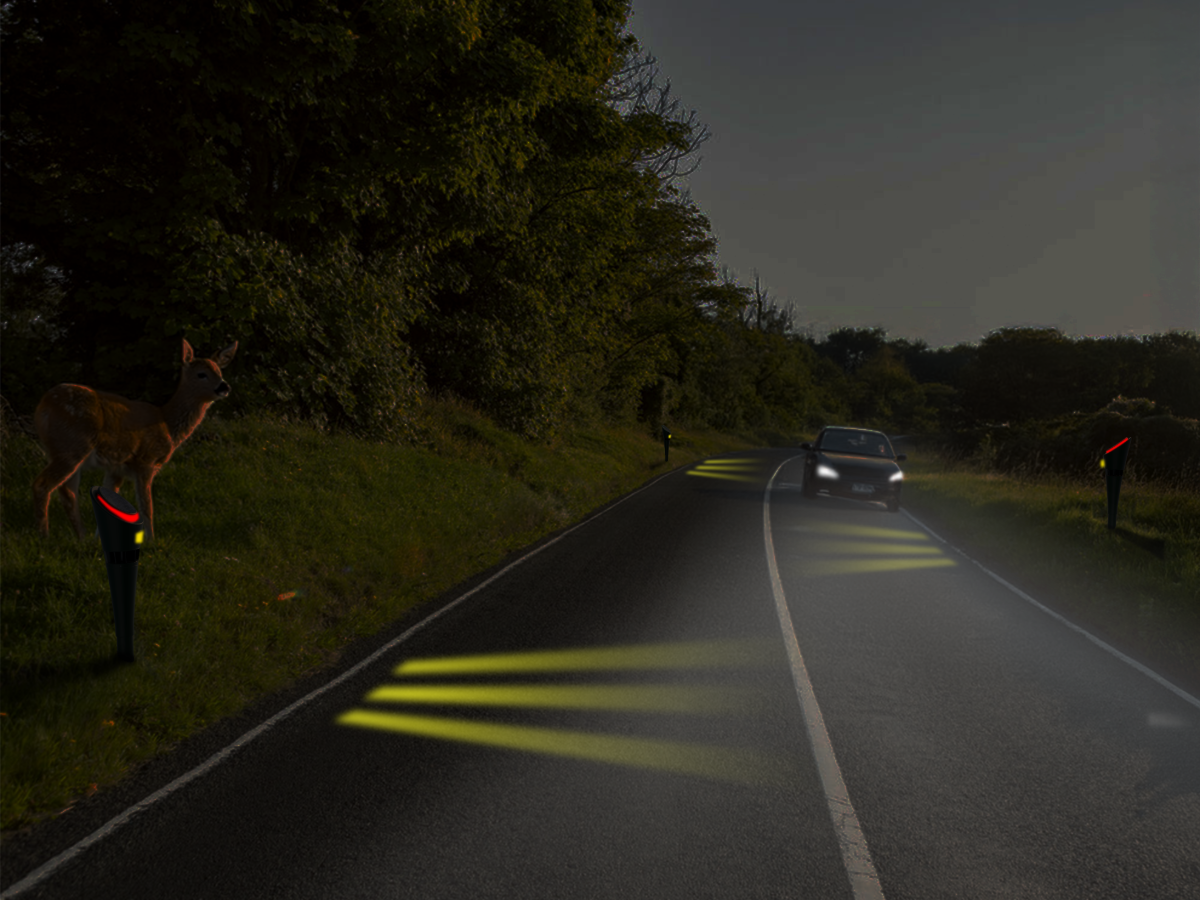
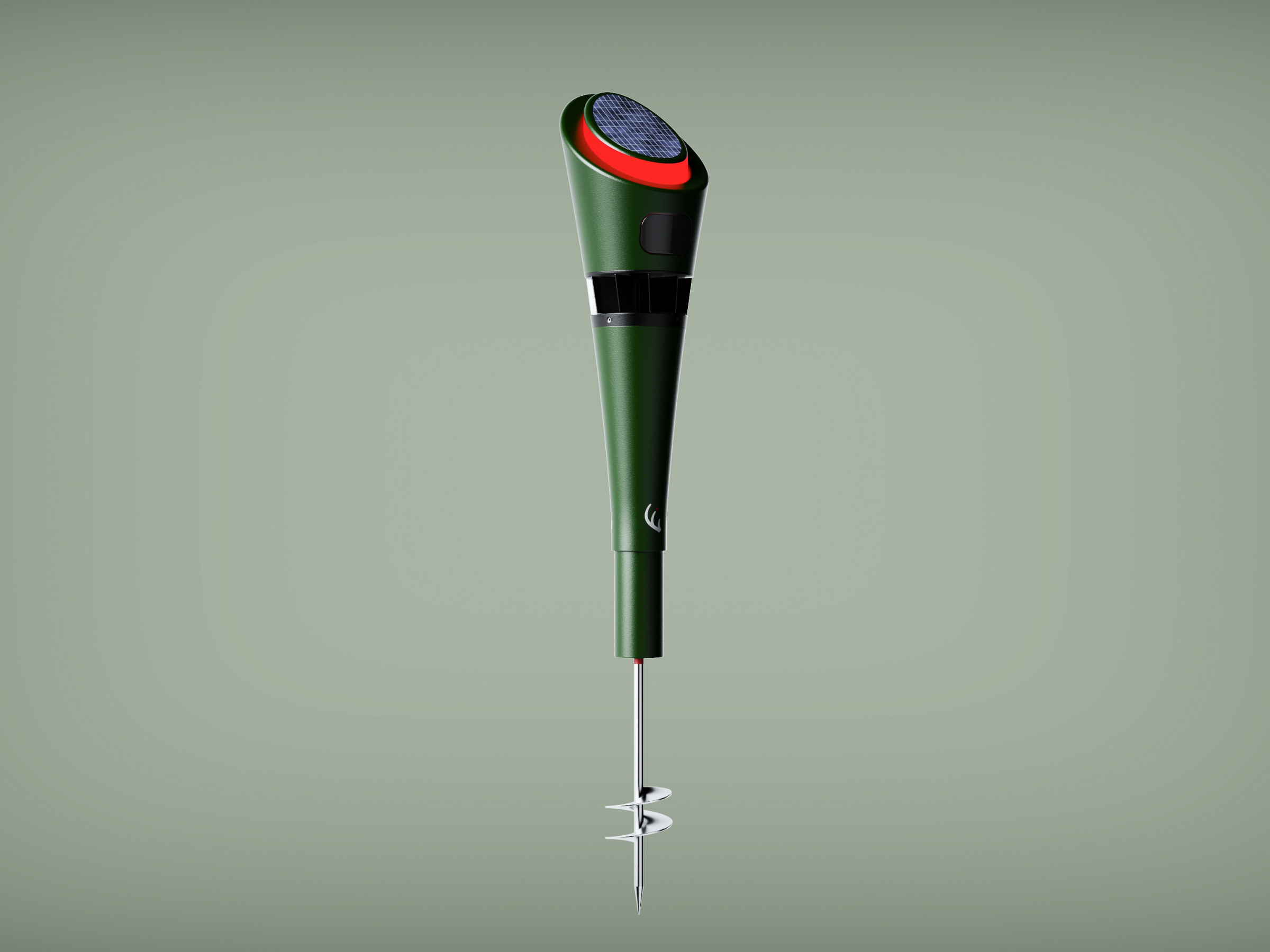
A group project, focused on preventing vehicle collisions with wildlife, working with NatureScot’s Deer Policy Division. This was a fantastic project working alongside Elise Parker (BA Design), Tom Llewellyn and George Fisher (BA Industrial Design), developing a roadside warning post with build in animal detection using infrared sensors and LED lights, aiming to alert drivers to the dangers of present wildlife, close to the roadside.
We have been incredibly well supported by the university in order to develop this project into a start-up, via the Runway to LUInc (Loughborough University Incubator) scheme. We have been fortunate enough to work alongside some amazing names in industry as well as pitch our work as part of University competitions where we have successfully been awarded funding twice, which will enable us to continue to develop the product.
Product Context: the posts closest to the wildlife flash their red becon warning the driver, whilst the yellow stripes show the driver they are passing through a crossing zone.
Product In-Situ: the post with the red becon on, warning drivers from the roadside grass verge that wildlife is in the area – aiming to increase driver awareness.
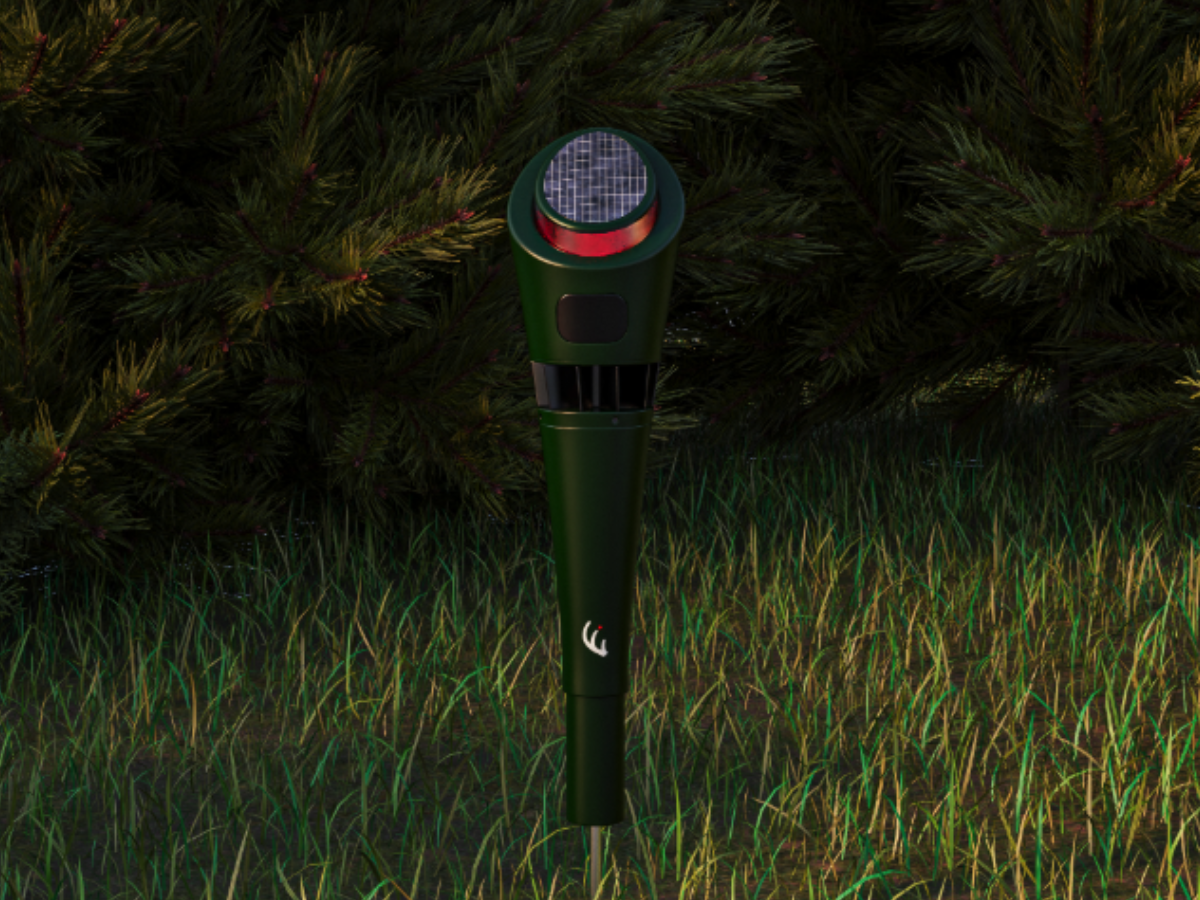
Product Hero Shot: the post with it’s two forms of renewable power (wind and solar), plus the “ground anchor” corkscrew base.
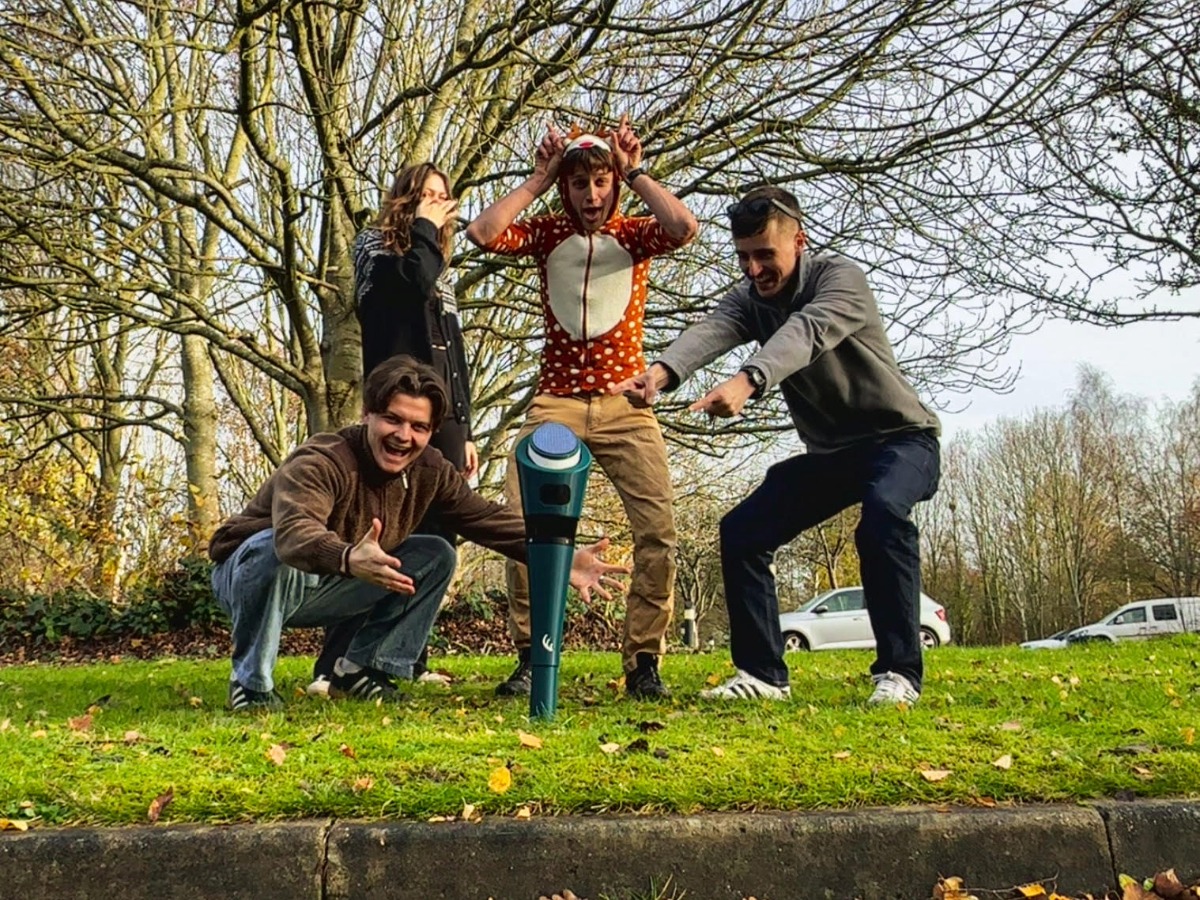
Our amazing team, successfully carrying out experience testing for the installation process with our prototype.
Our business’ brand identity – wordmark and logo.
Feedback session with Sam and Ed from Tandem Ventures, the design start-up that set us the project brief.
Personal Achievements & Experience
12 Month Placement – JLR (Jaguar Land Rover) Undergraduate Studio Engineer working with core engineering teams on future Defender Products, as well as time with the Advanced Strategy Team working on future vehicle layouts and concepts that directly supported board level discussions.
Multi-Award Winning Pitching Competition Presenter for NoiDeer.
First Place Sponsor Award Winner at the 2023 Starpack Student National Design Awards from MPMA.
Part B & C Course Representative for the cohort (respectively working alongside Damini Kanwar & Tom Llewellyn).
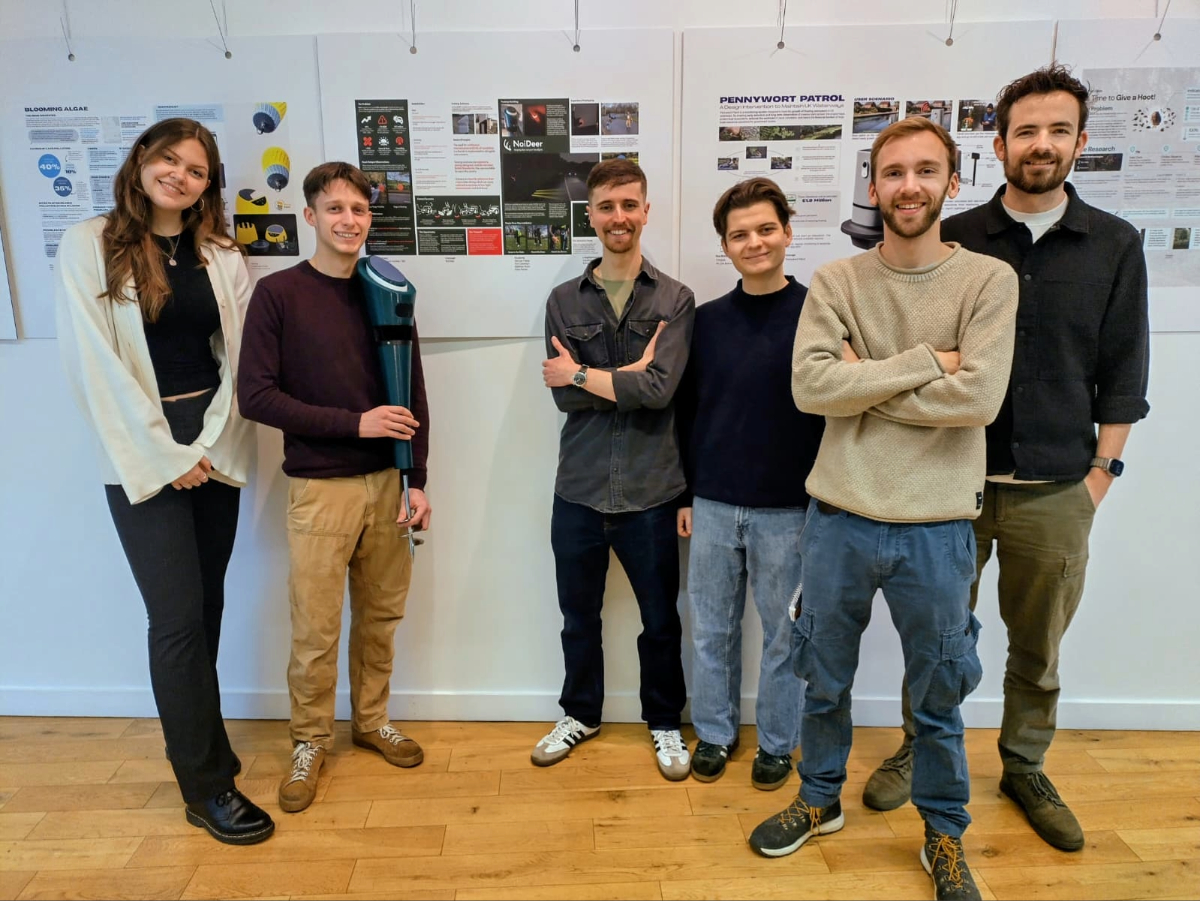
Degree Show planning member working with a student committee to support in organising this prestigious event and bring it to life.