I’m an inclusive, human-centered designer focused on creating accessible sports experiences that encourage participation, community, and confidence. My work combines thoughtful design, clear communication, and purposeful storytelling to make movement and sport feel welcoming to everyone.
Designing for Disability Sport
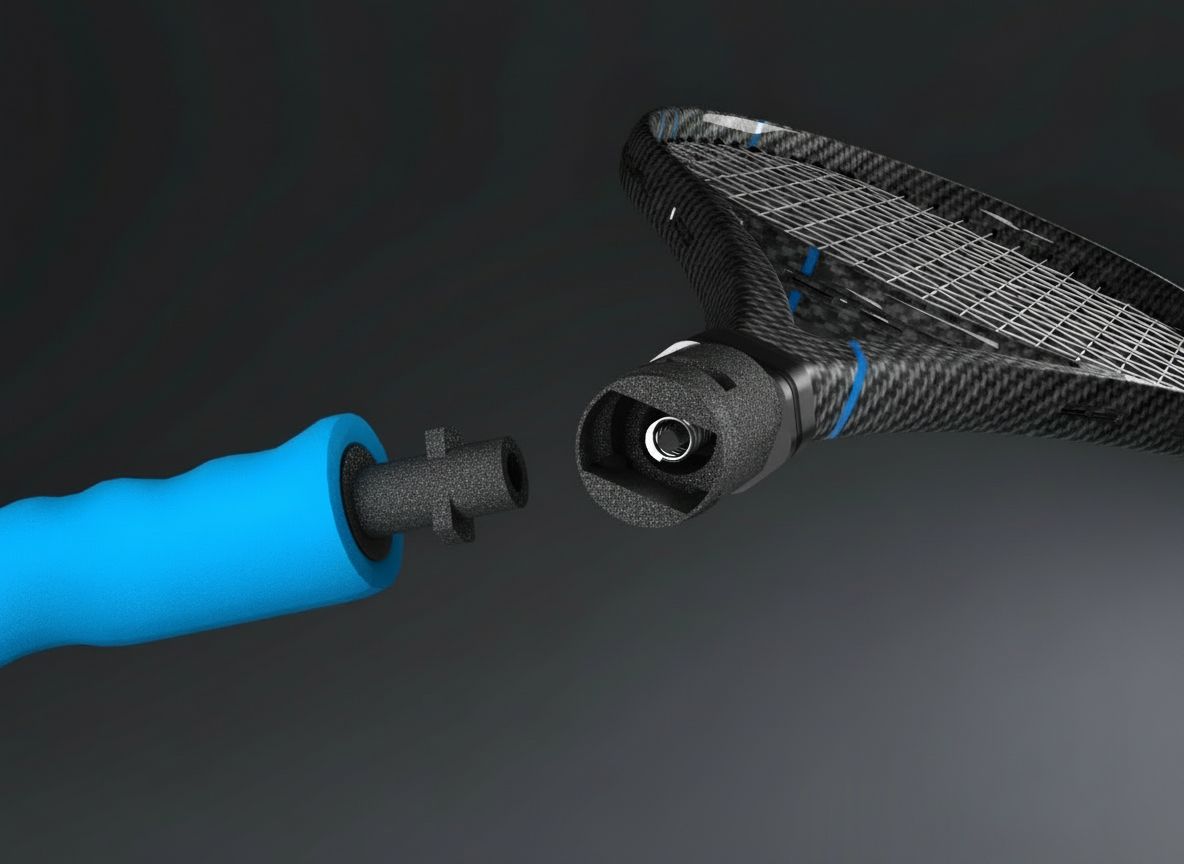
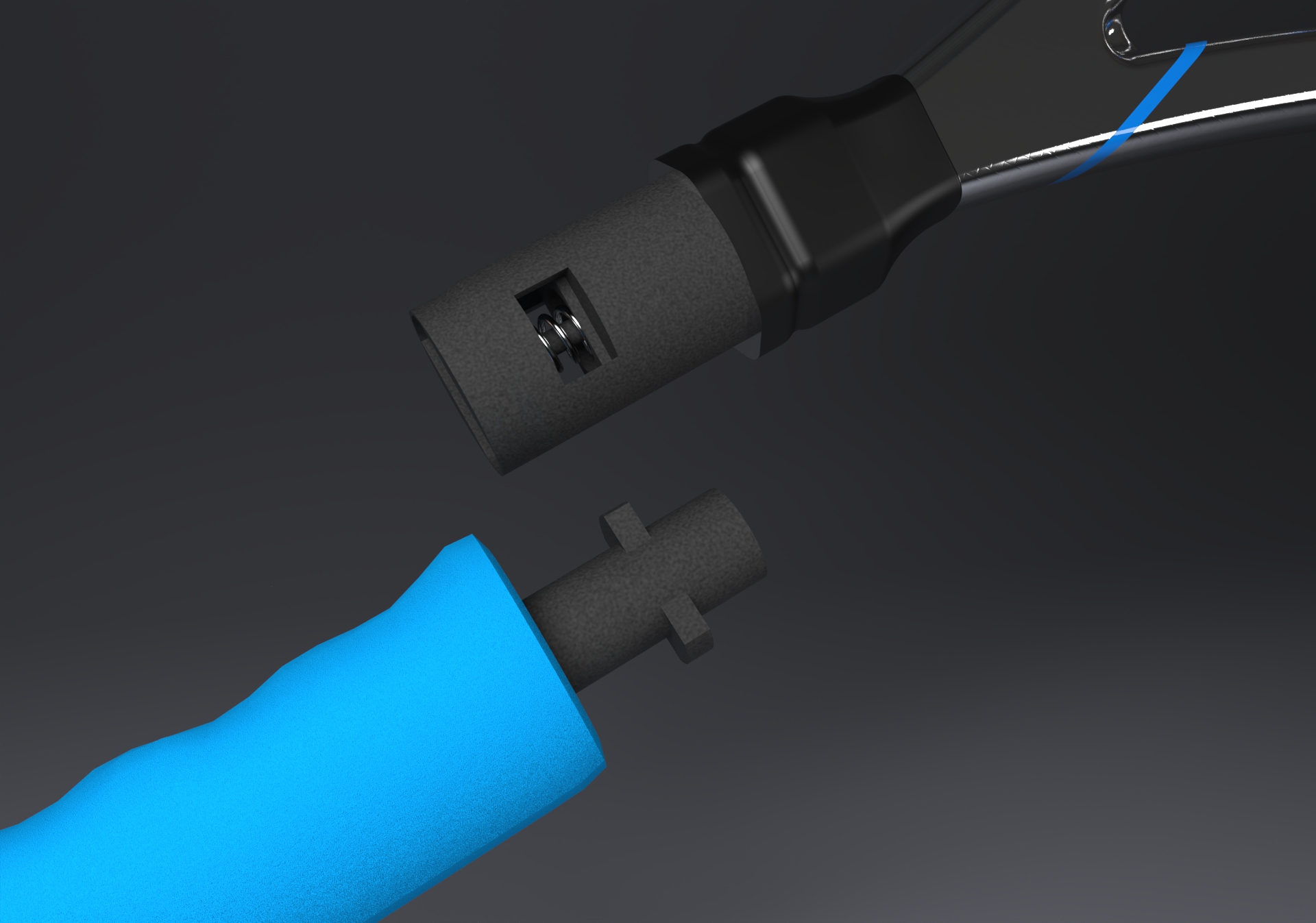
A twist and lock ‘bayonet style’ mechanism allows the handle to detach and reattach to the racket of the users choice.
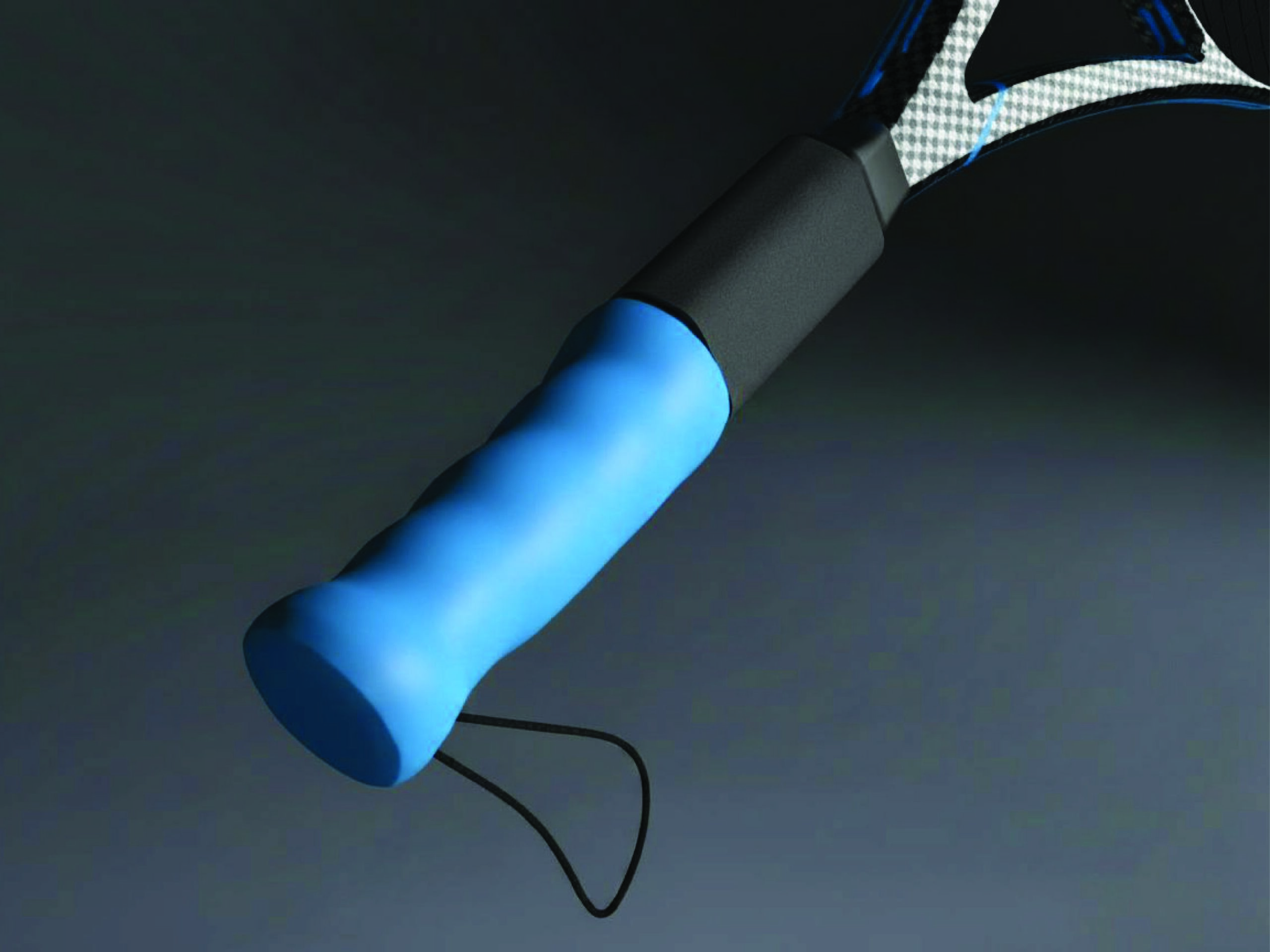
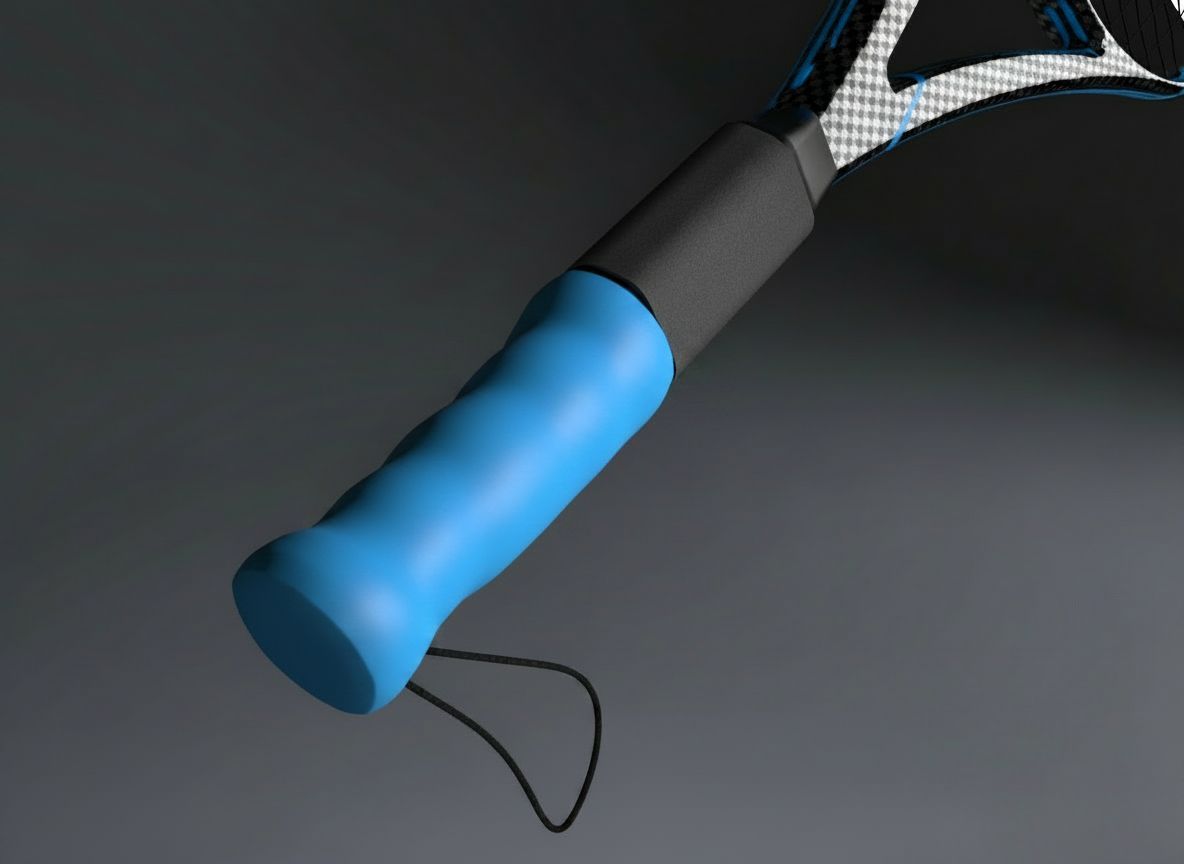
A personally moulded handle, 3D printed in TPU, providing comfort, security and increasing confidence.
What is MYracket?
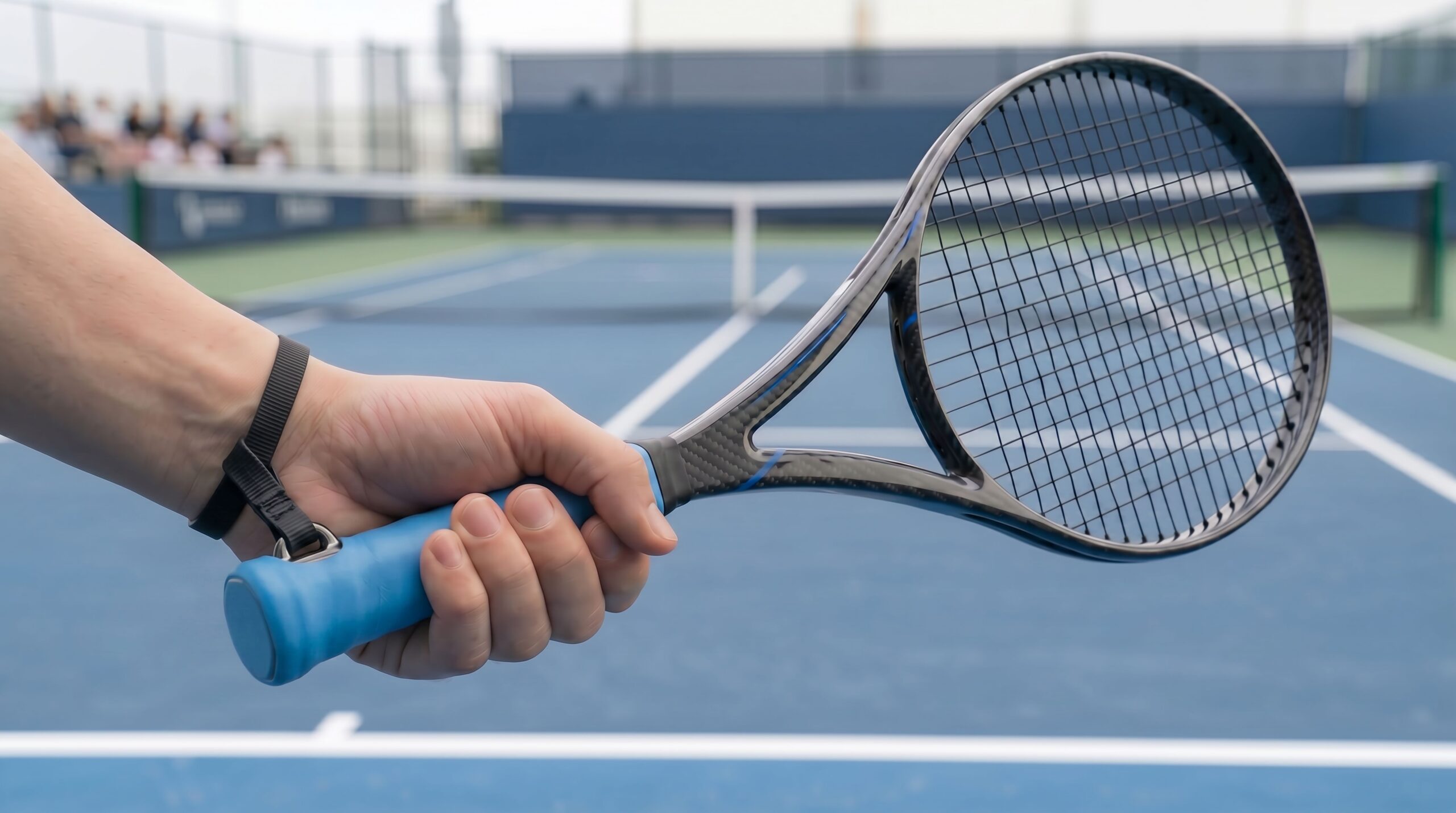
MYracket is a gateway into racket sports for those with hand disabilities affecting their dexterity. Symptoms like reduced hand movement, impacted ability to voluntarily retract hand muscles, and limb deficiency can prevent someone from holding a racket comfortably and securely.
An interchangeable handle with a twist and lock mechanism allows the handle to be removed from the racket and attached to another, giving access to the participation in a variety of racket sports. With the handle being personally moulded and 3D printed in TPU to give a soft-to-touch, shock absorbing, and tacky finish, an athlete can comfortably grip the handle, and play with confidence.
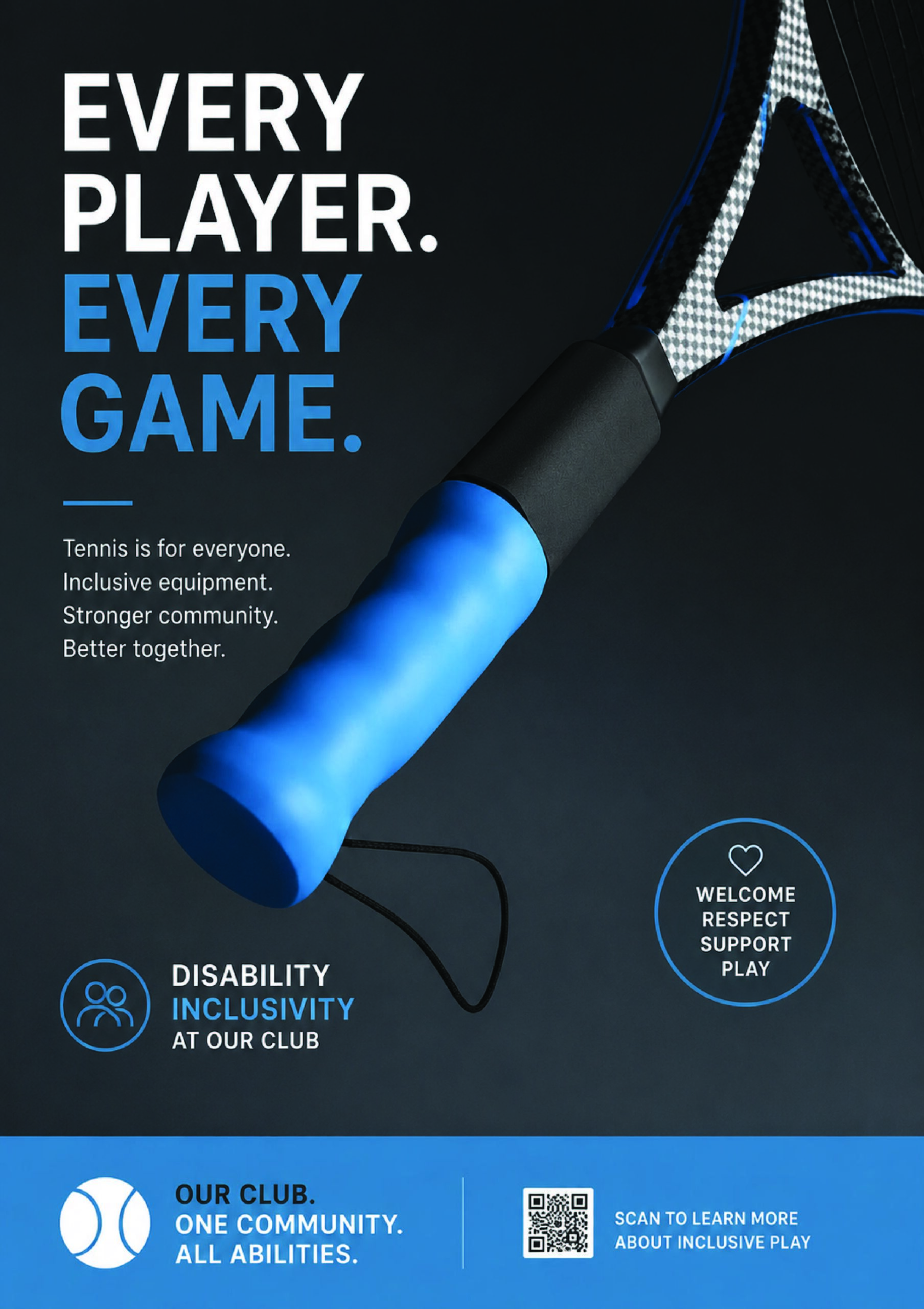
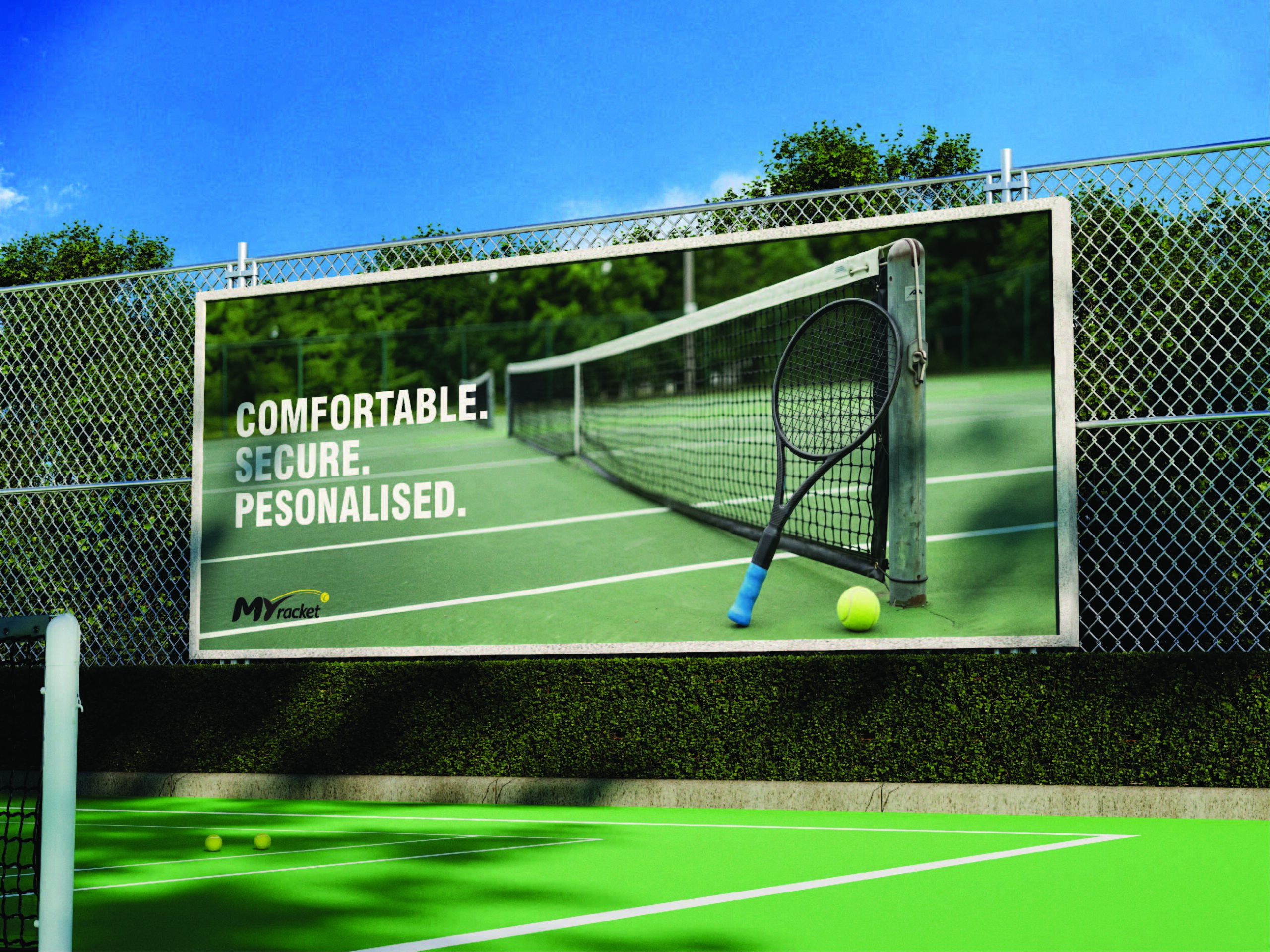
Inclusive branding is important so athletes feel accepted and seen. Positive, community-centred, and empowering language is vital to engage target users, and break down the stigma of disability in sport.
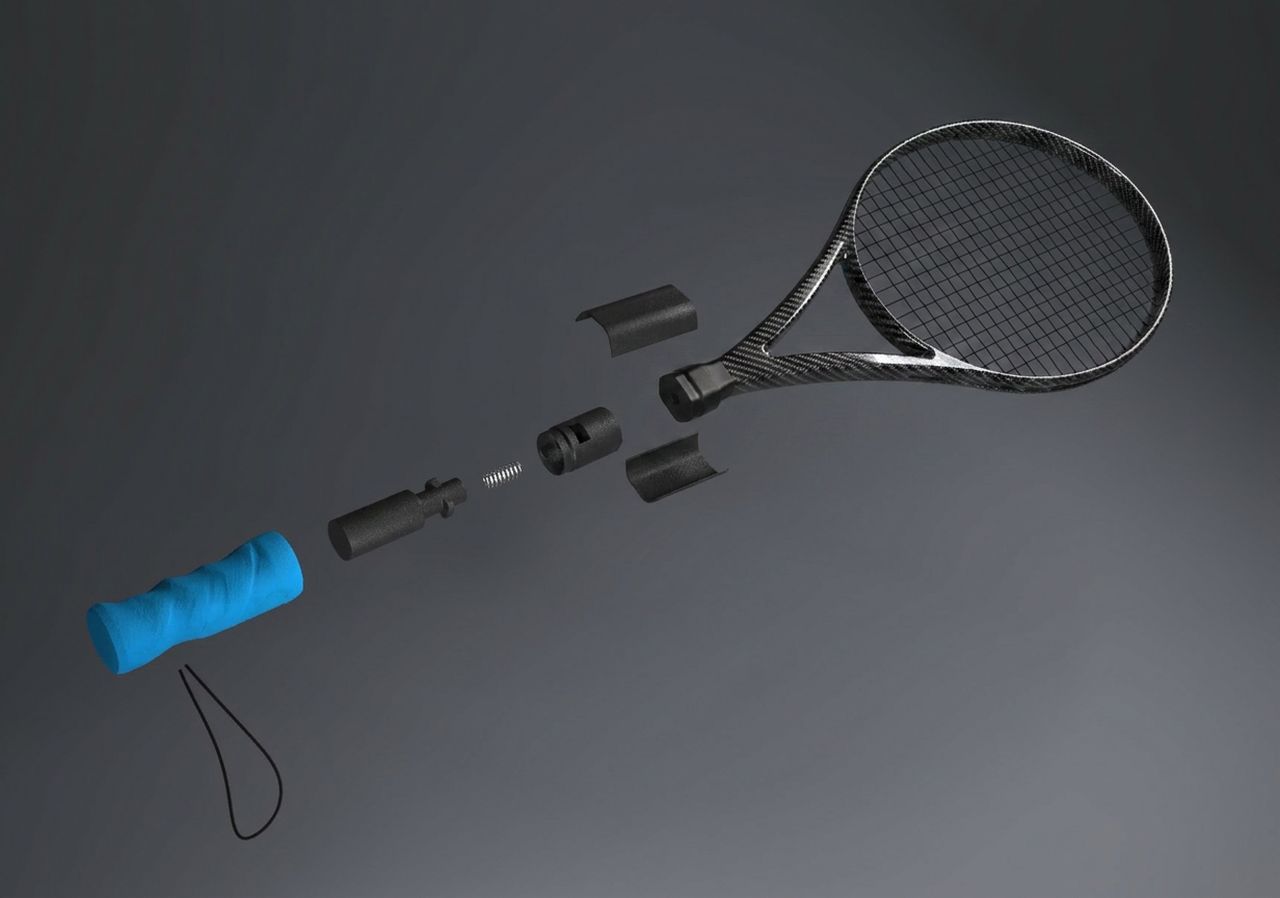
Exploded view showing all the parts which make up the product. It’s a simple design with a big impact.
A closer look into the mechanism. A spring is used to create a compression force, holding the lock in place, creating a secure join for the athlete to have confidence in.
Inclusive branding, creates a personal product, igniting an emotional response.
The Process
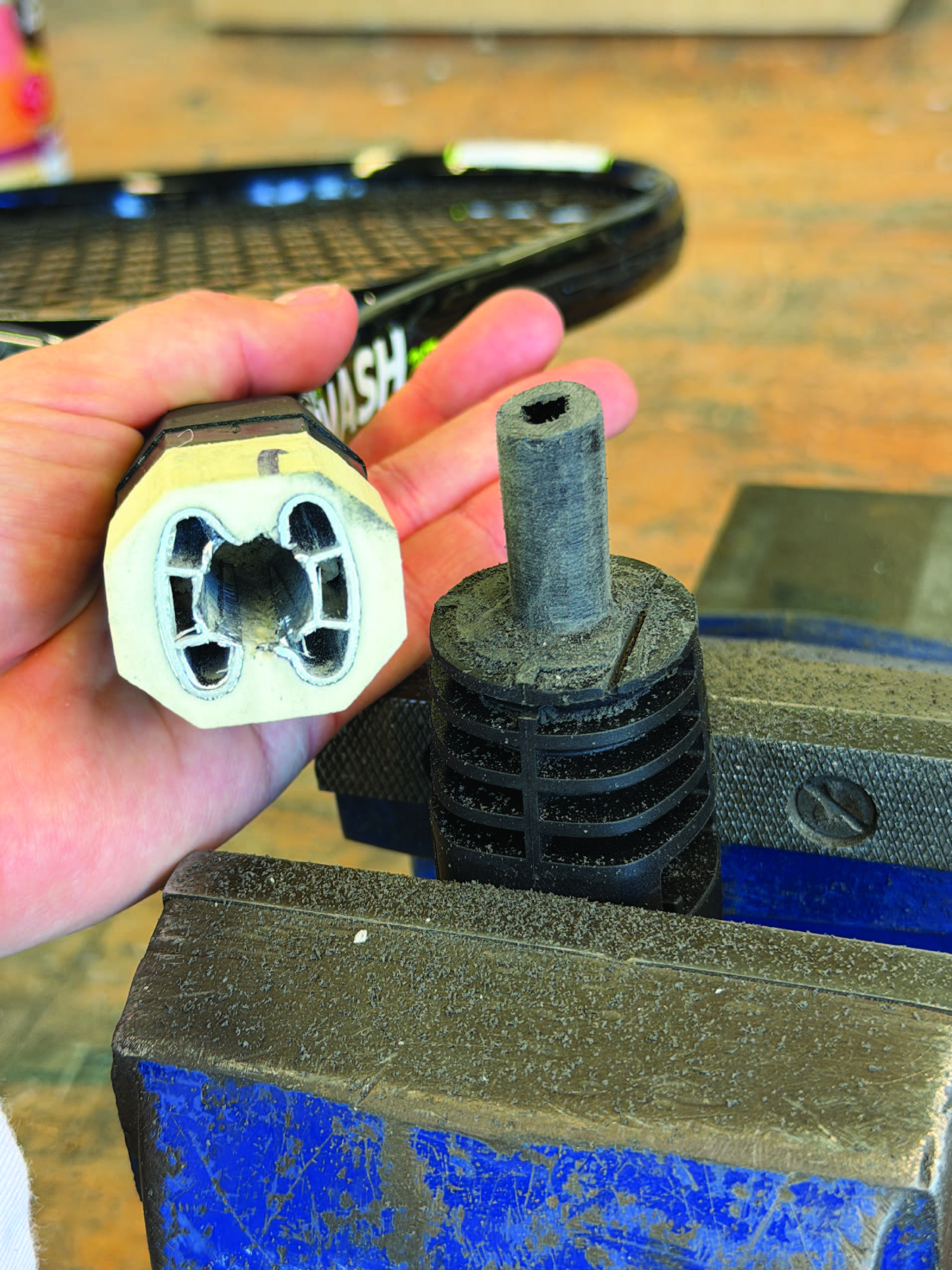
Investigating the inside of a standard racket handle, to fit the mechanism.
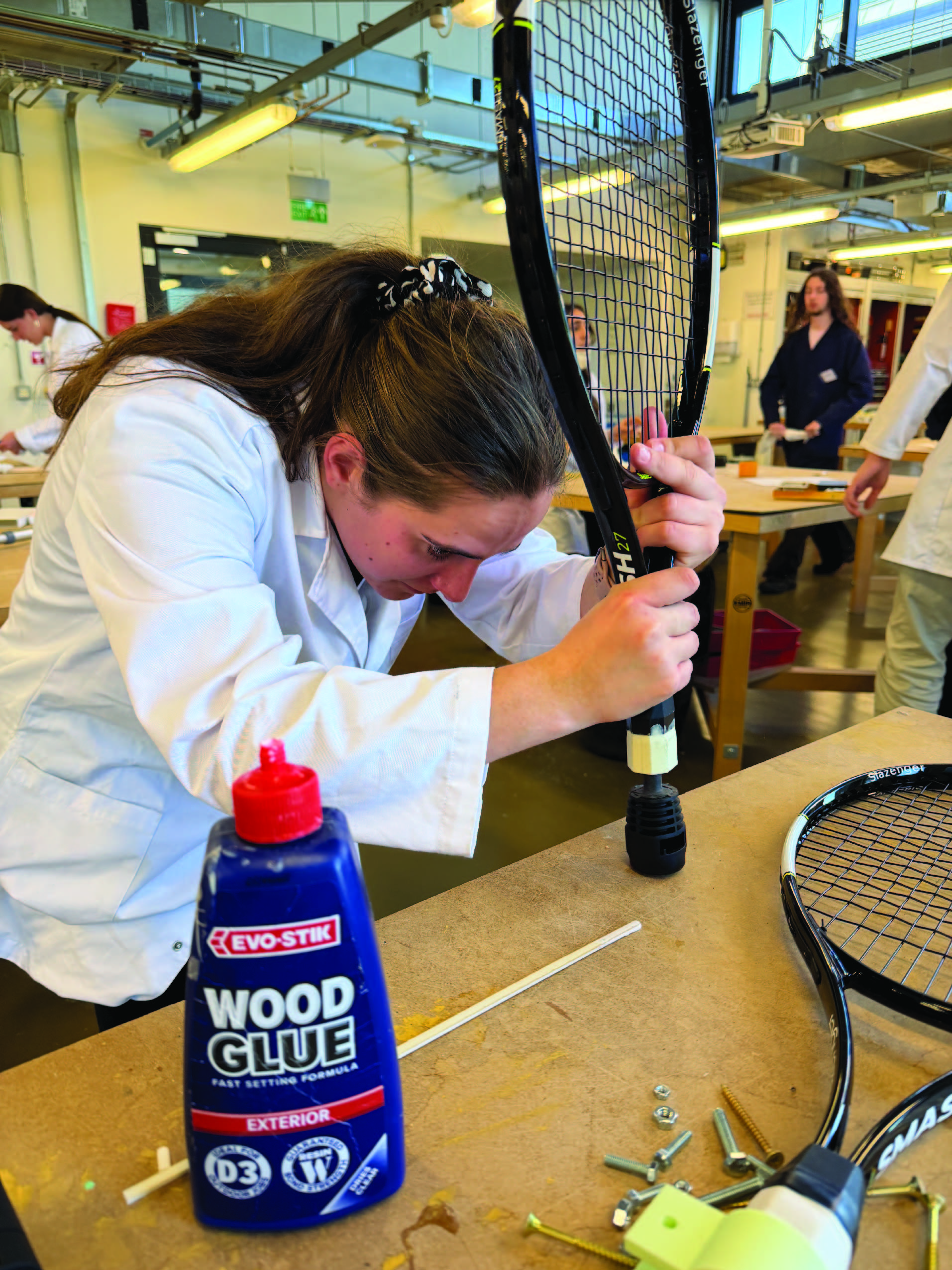
Discovering the strength of the handle, and if it will hold the mechanism end without damaging its original structure.
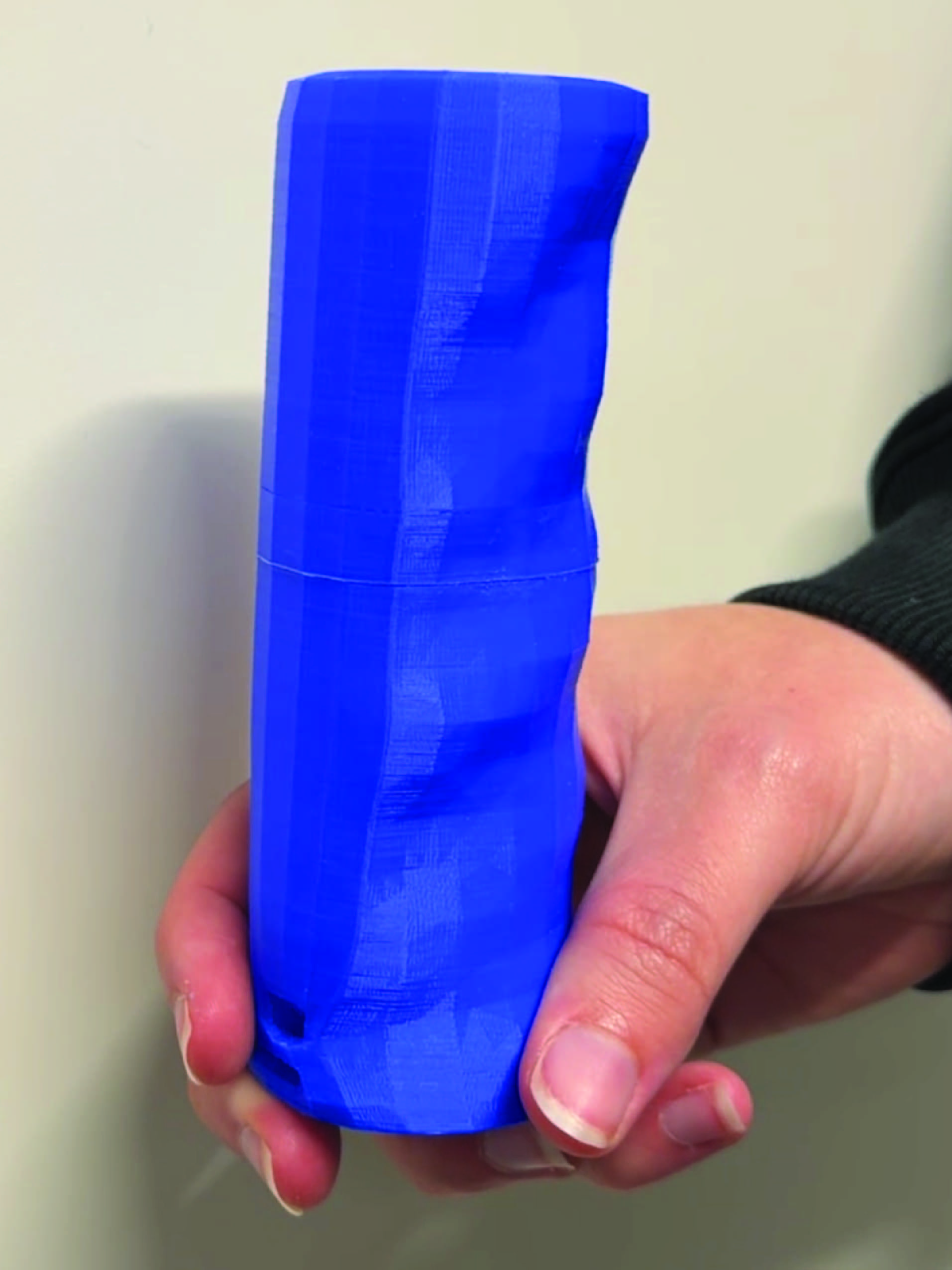
Experimenting with moulded shapes, printing in PLA to discover the potential of personalisation with additive manufacture.
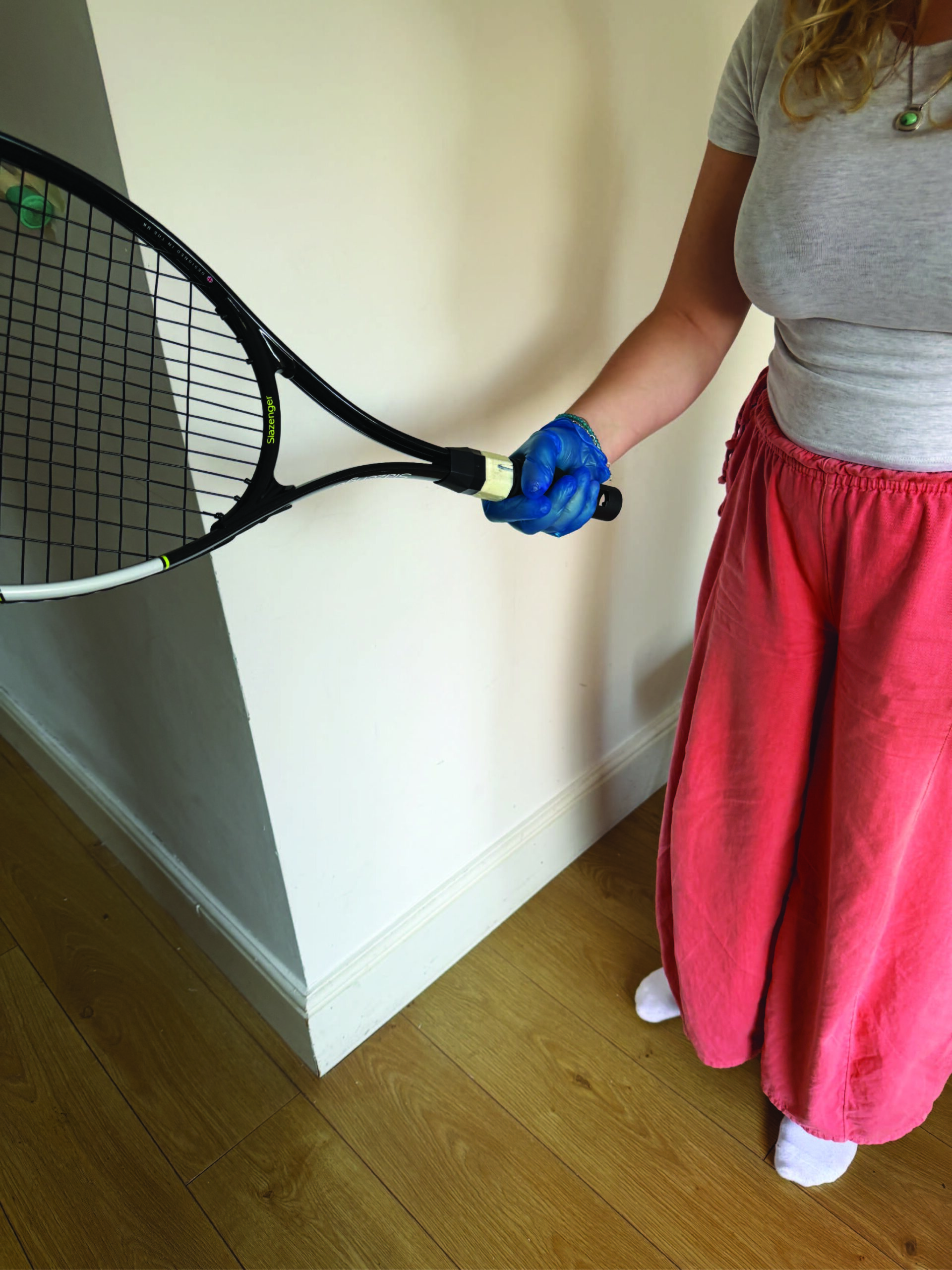
Testing to find weaknesses at the mechanism joint, and to gain feedback on the ergonomics and aesthetics.
The prototyping process was straightforward, as the design consists of relatively few parts. The most exploratory aspect was the handle design, where balancing comfort, grip, and security proved challenging. Various materials were considered, including soft foam padding, a Velcro-style surface, and PLA. While comfortable, these options were unsuitable for the intended use. Research revealed that TPU would be ideal, offering shock absorption, a soft-to-touch feel, a tactile surface, and compatibility with 3D printing. This additive manufacturing approach enables rapid prototyping, maintains high quality, and supports a more sustainable production process.