Welcome to my page! I'm Alisha, a graphic designer exploring emotional design, film and editorial storytelling. I focus on creating thoughtful visual experiences that blend narrative with atmosphere, intention and a strong sense of connection.
Beyond The Silence
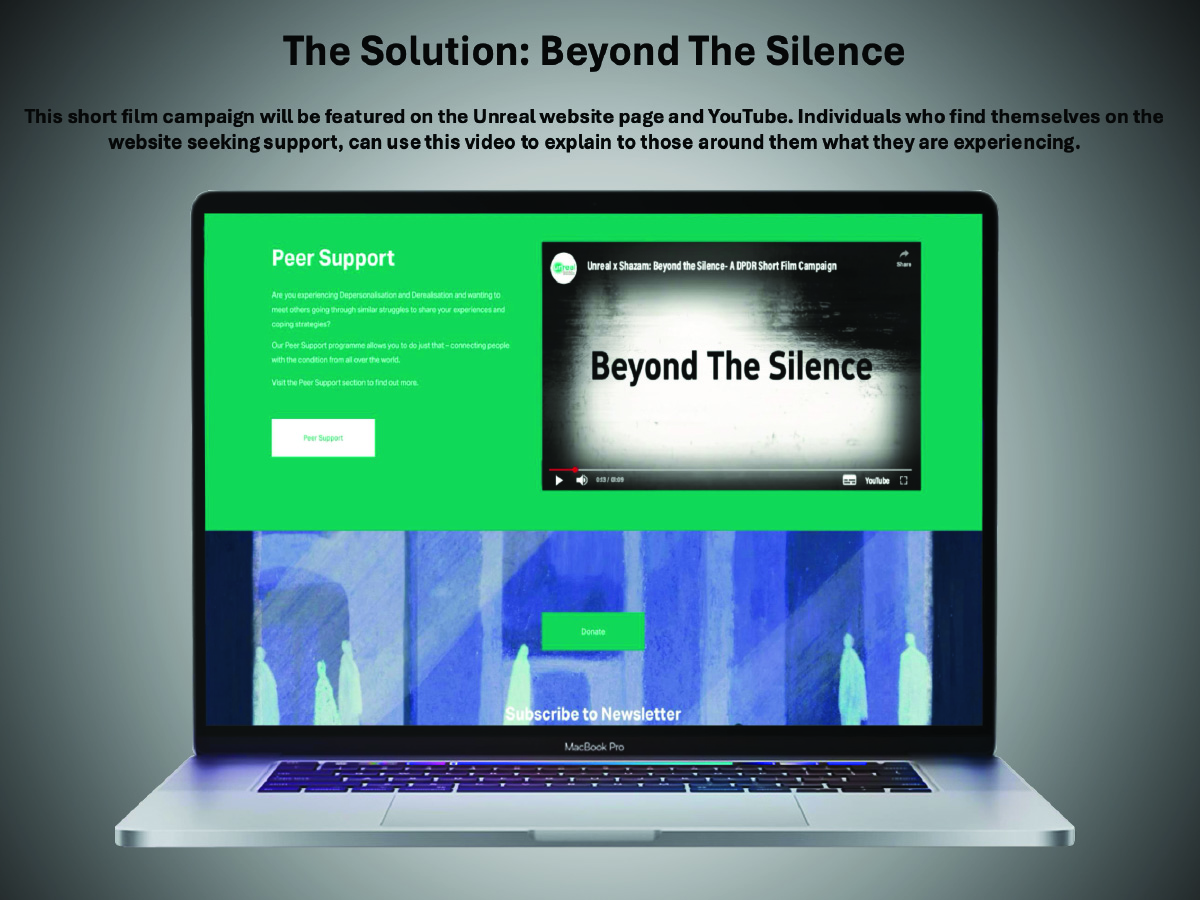
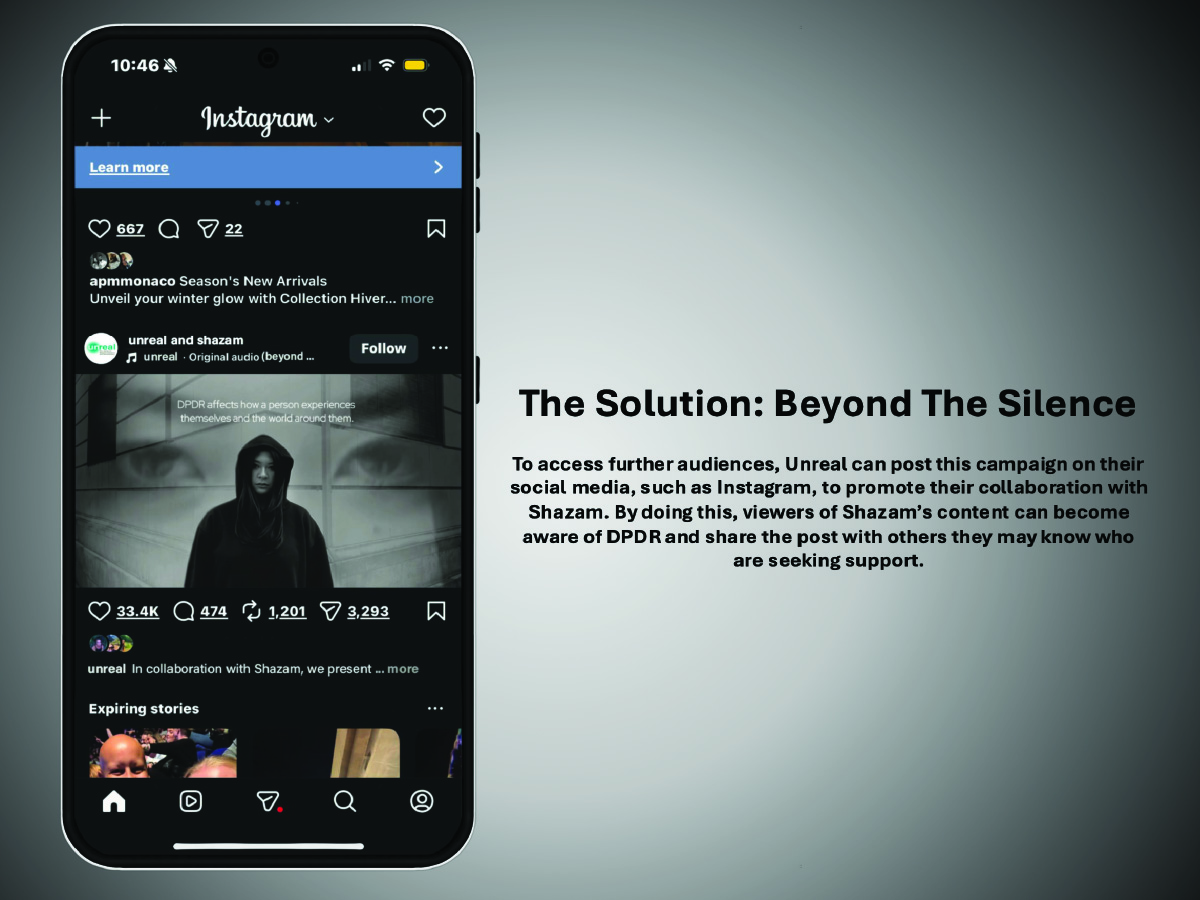
A DPDR Short Film
The Hidden Disconnect: A Condition Few Recognise or Understand
Depersonalisation- Derealisation Disorder (DPDR) is a dissociative condition, where individuals feel detached from their body’s, emotions and surroundings- as if they are watching their own life from outside of themselves. Although many people are affected by the disorder, it remains as widely misunderstood and often dismissed, simply as being anxiety or stress. The lack of awareness around DPDR, has left sufferers feeling isolated, helpless and unseen.
This short film campaign aims to help sufferers, who may find it difficult to describe what they are going through, by visualising their internal experience with DPDR; translating an invisible battle into something audiences can see, feel and understand. This monochromatic film uses visual metaphors to express moments of sensory disconnection; symbolising how perception and reality can become blurred for those living with DPDR.
Music can play a significant role in reconnecting with memories; individuals with DPDR may find that music can reactivate the feeling of an experience rather than trying to recall a moment solely as a thought. By using sound design as an anchor, the film invites viewers to connect not only with the visuals, but also to the internal landscape of DPDR itself.
This campaign does not intend to provide definite answers or a clinical explanation but rather leave the audience with questions; encouraging curiosity, reflection and empathy. This film can help prompt viewers to ask why and how these experience can occur; opening a space for deeper understanding and conversation surrounding a condition that all to often overlooked.
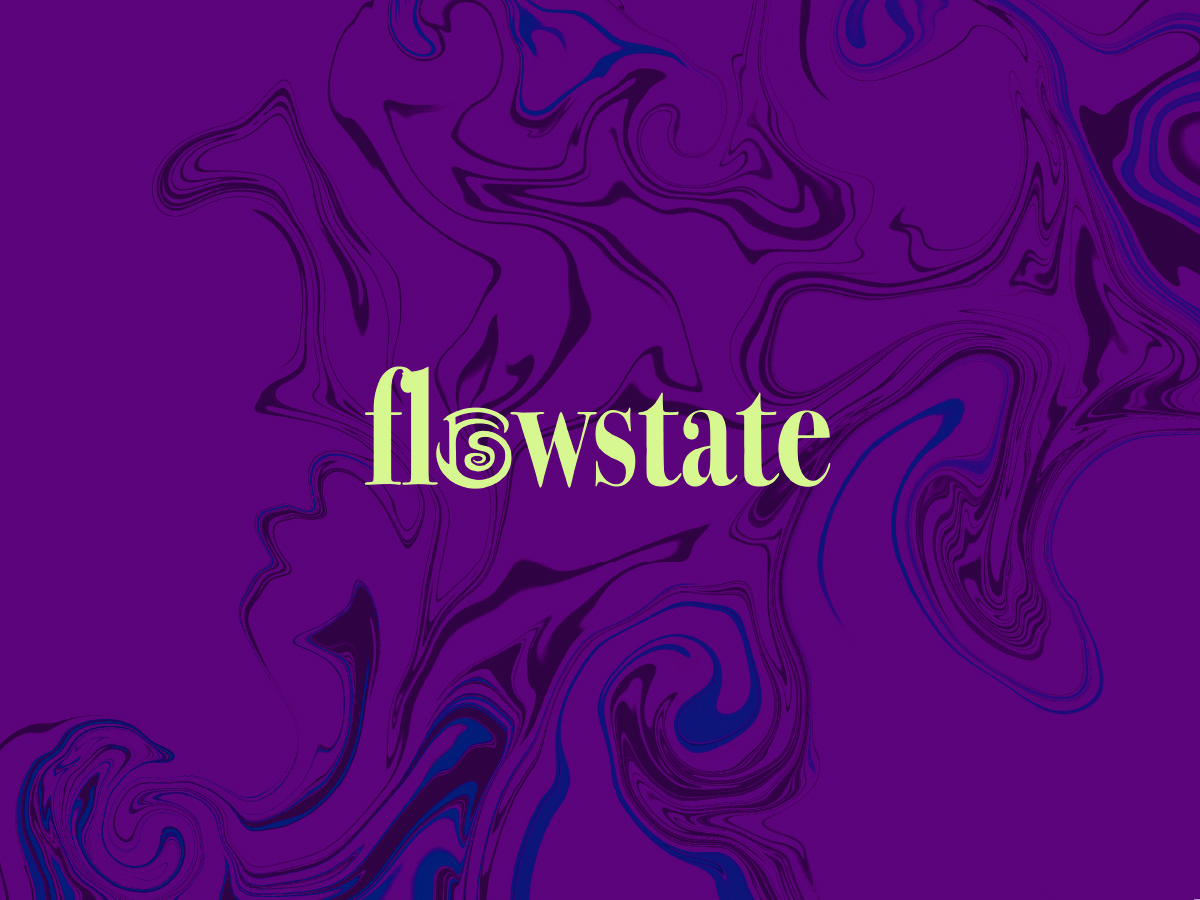
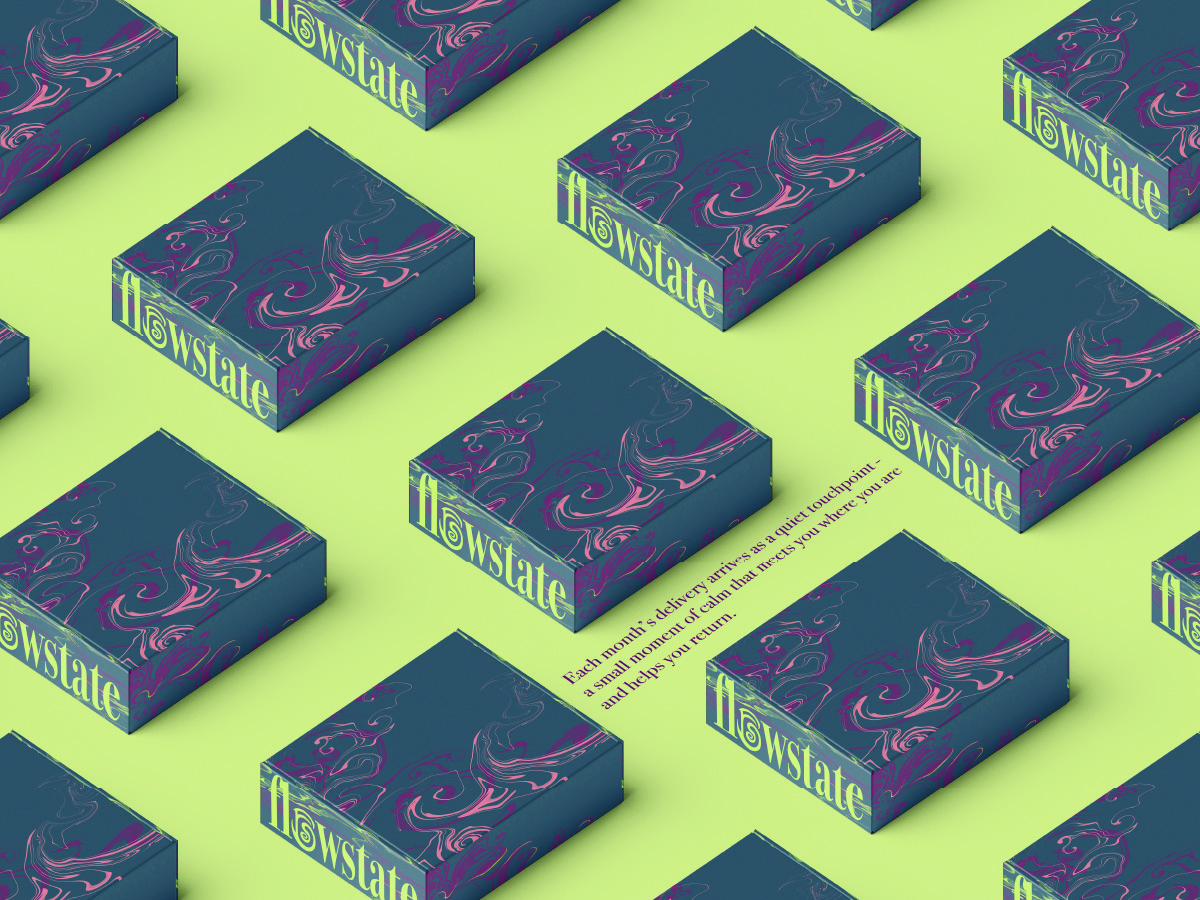
flowstate
return to yourself – find the quiet at your centre
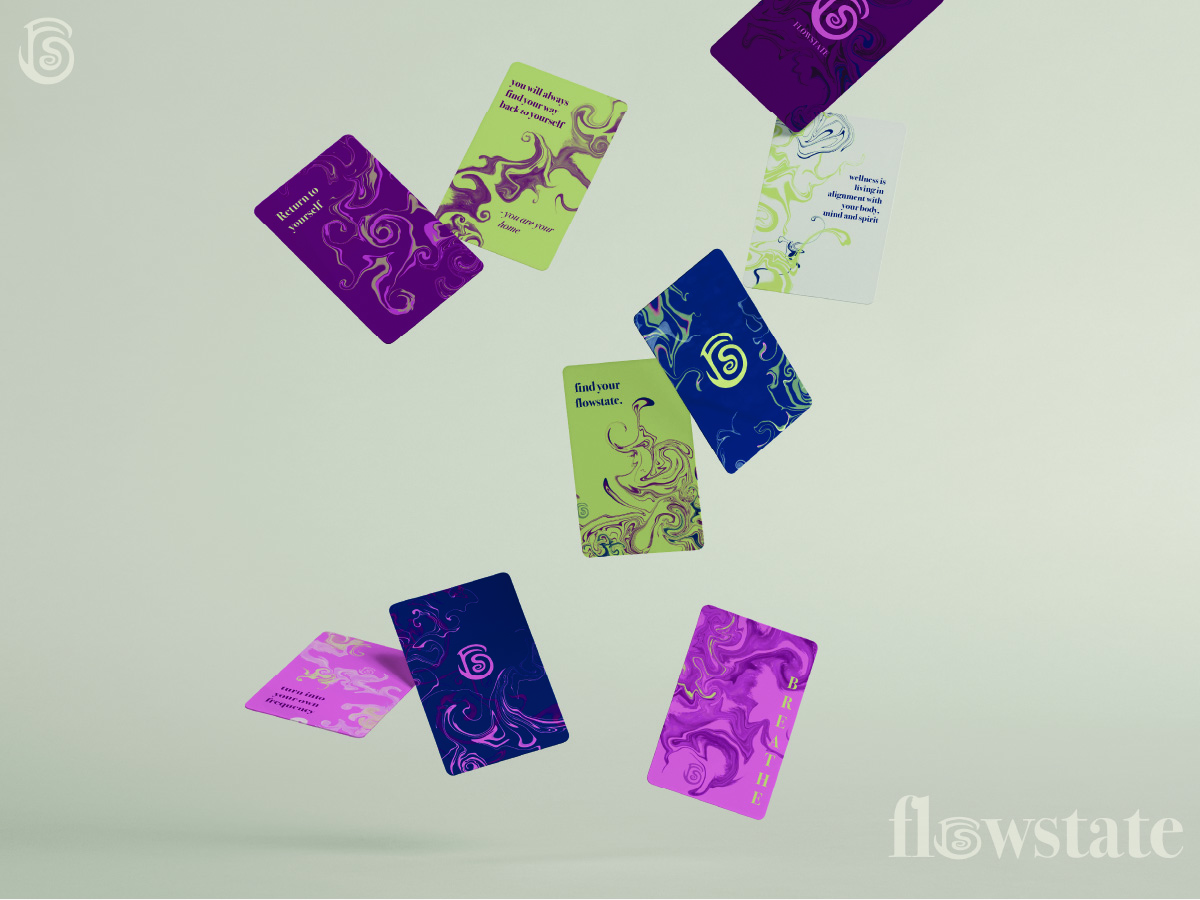
flowstate is a gentle counter‑current to the pace of modern working life; a brand created to help adults pause, notice, and reconnect with their inner world. It recognises how easily people slip into autopilot, how quickly days fill, and how often emotional needs are pushed aside. Using a warm, spiral‑based visual language, flowstate offers soft cues that interrupt that momentum and invite a moment of emotional regulation in a way that feels elegant, adult, and unobtrusively supportive.
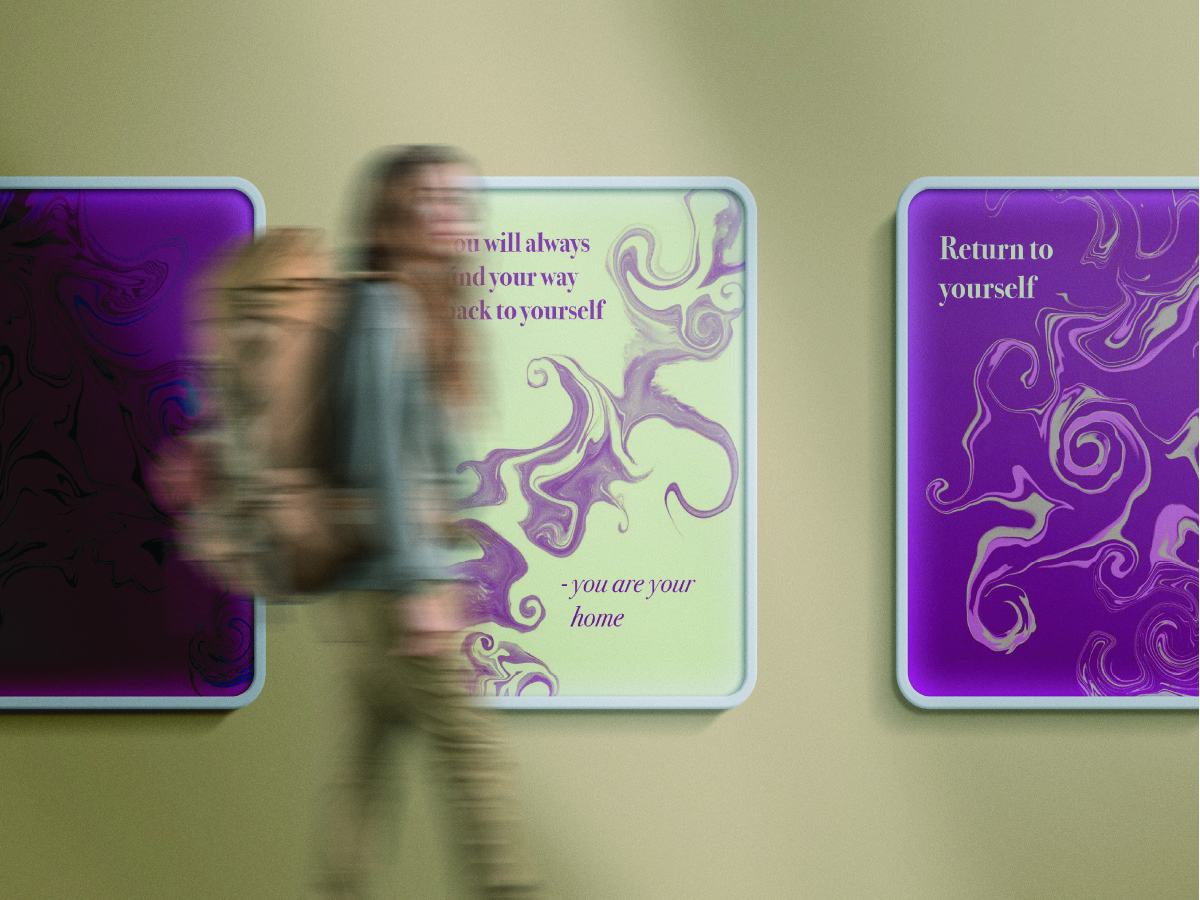
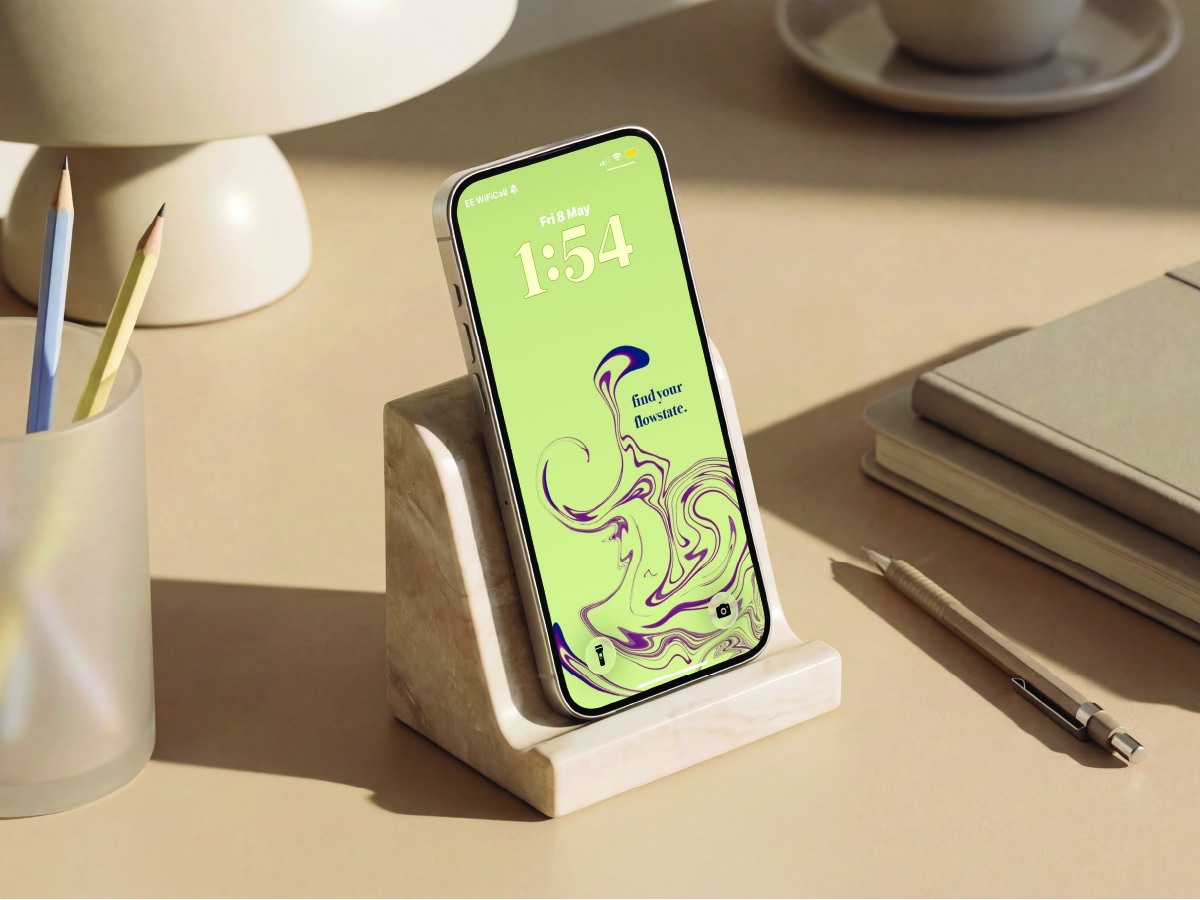
Rather than overwhelming people with wellness messaging, flowstate works through subtle, repeated touchpoints: ambient visual moments in shared environments and small reminders that live quietly in the home. These cues are intentionally light; not instructions, not tasks, but gentle invitations. Each one offers a brief return inward, a moment to breathe, soften, and check in with yourself without judgement or pressure.
flowstate exists to make wellbeing feel accessible in the everyday. Not a destination, not a performance, but a practice that can be woven into the natural rhythm of life. It’s a quiet companion for those who want to feel more grounded but don’t always have the time or space to seek it. A reminder that clarity doesn’t arrive all at once; it begins with a single pause, and the willingness to come back to yourself again and again.
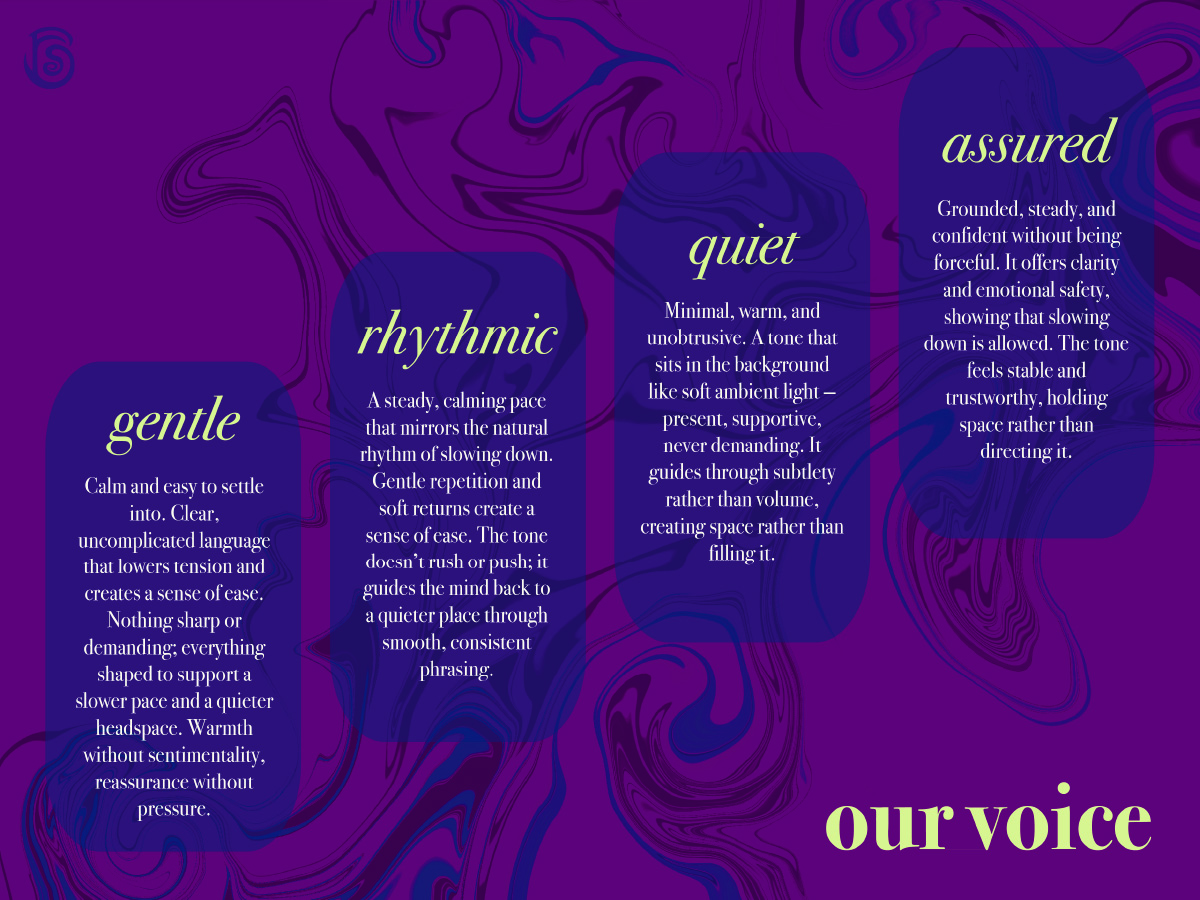
Our tone of voice: gentle, rhythmic, quiet and assured.
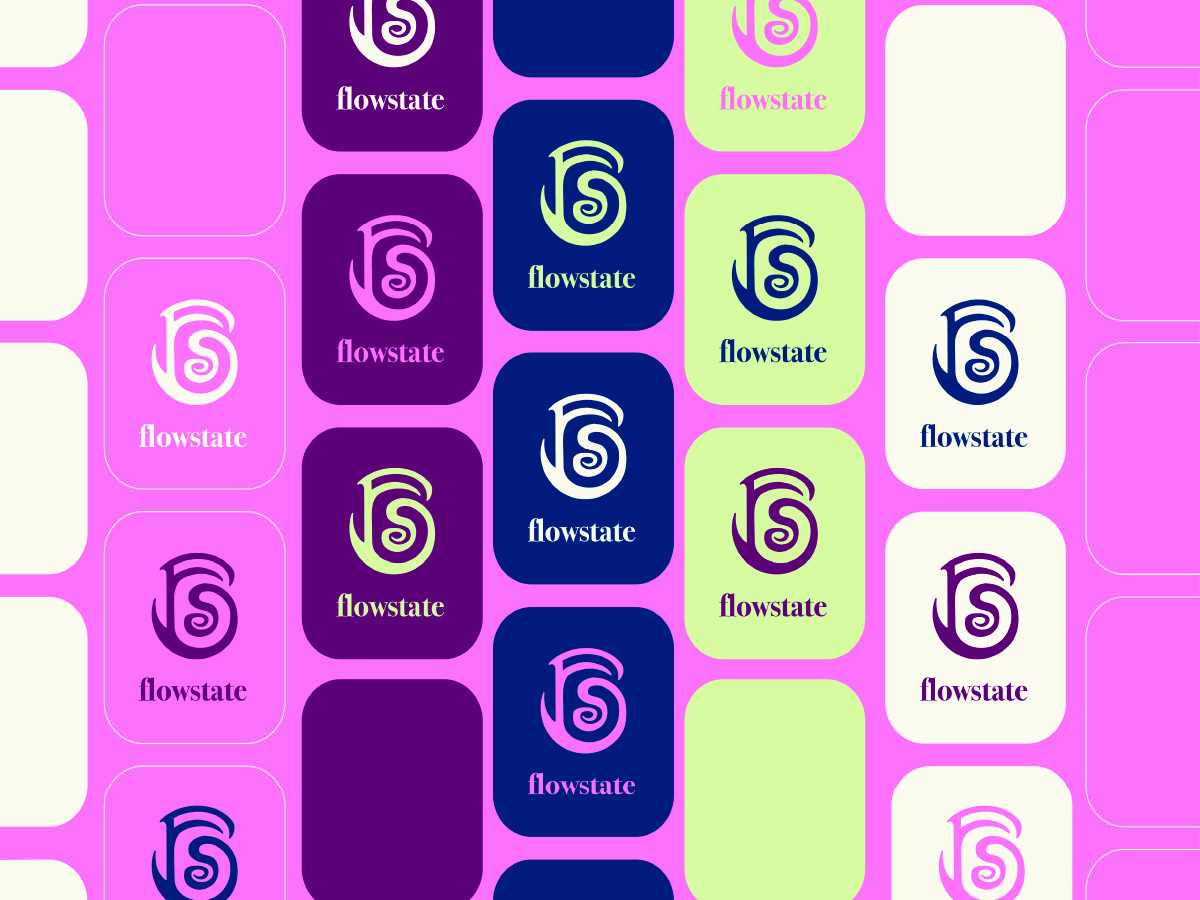
Word and Logo Marks, alongside colour pairings.
Muted Ties
Social Anxiety Short Film
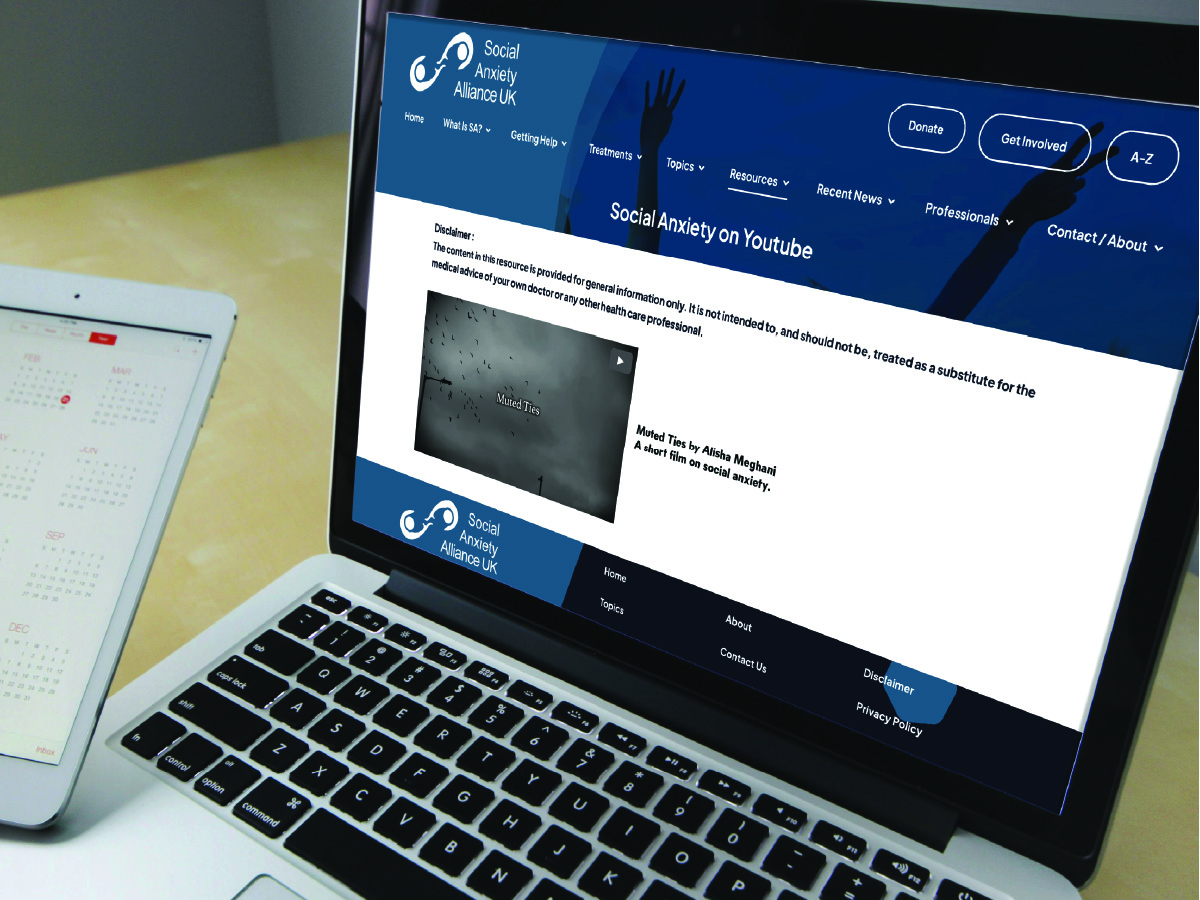
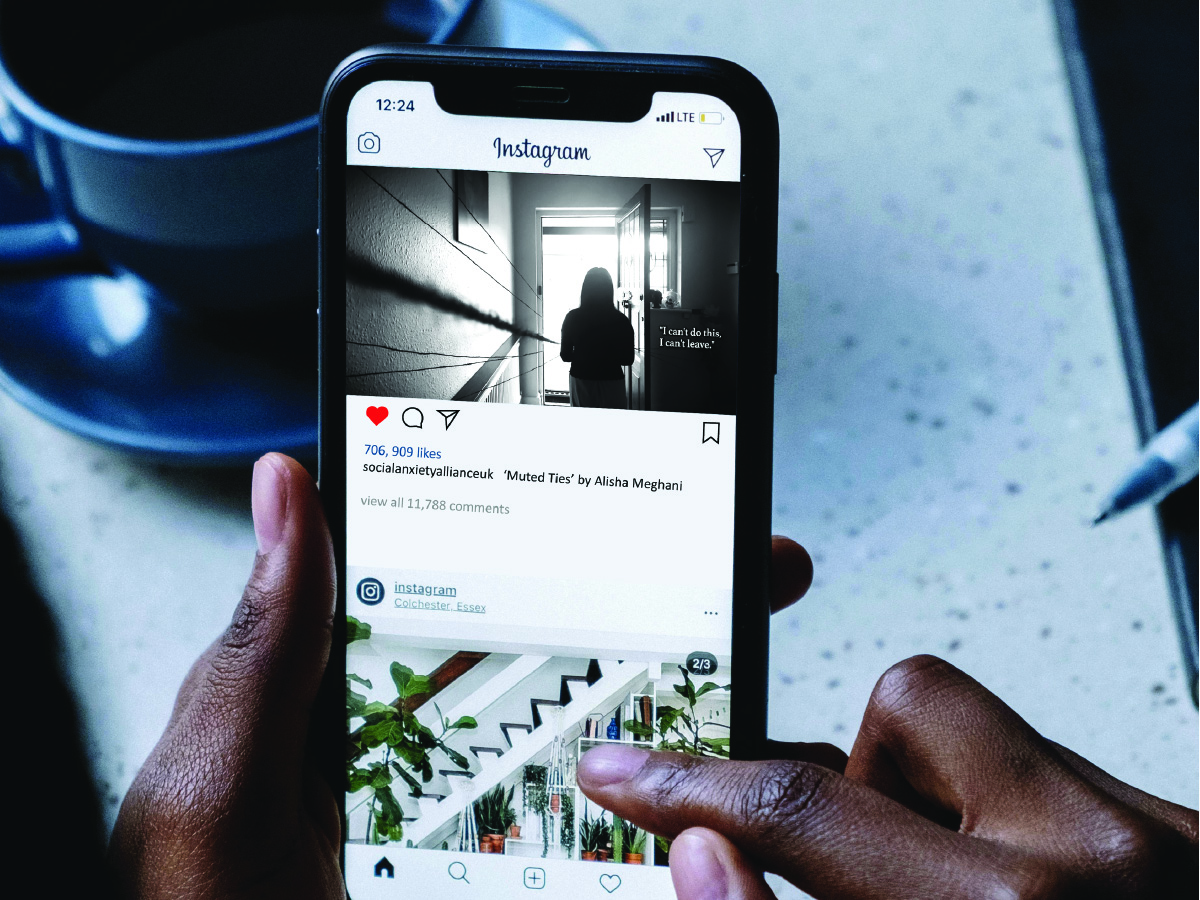
Muted Ties is a short film that aims to build awareness about social anxiety. The film covers the internal dialogue that may occur for someone who struggles with the anxiety disorder. The overarching intentions of this film composition aim to be immersive, emotional and educational. The short films is intended to be a collaboration with Social Anxiety Alliance UK, in an effort to educate a wider audience about mental health and encourage a wide network of meaningful conversations and support. Anyone that has an interest in mental health as well as those who wish to seek more information about the topic, may be interested in this film. There are many people out there who are unaware of the support networks available to them, therefore, I intend for this film to be shown on social media mental health campaigns as an educational aid, on a wide- reaching platform. The concept of Muted Ties is the visual metaphor of strings holding the protagonist. These ‘ties’ are a symbol of the restrictive nature of social anxiety and a representation of how inner thoughts can create conflict with yourself. The aim was for this short film to be a depiction of internal feelings as an external visual element.
Using film help viewers understand social anxiety, made for Social Anxiety Alliance UK.
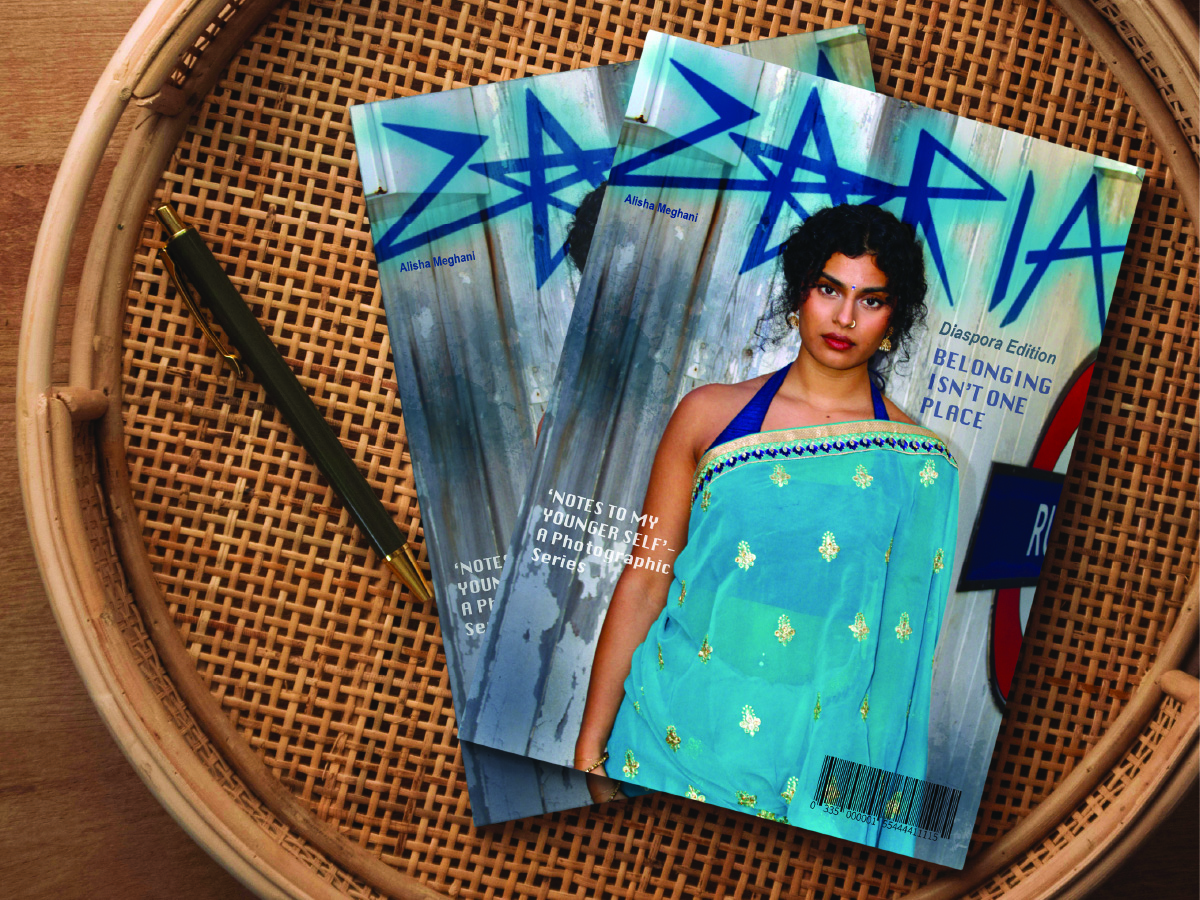
ZARIA
Editorial Magazine
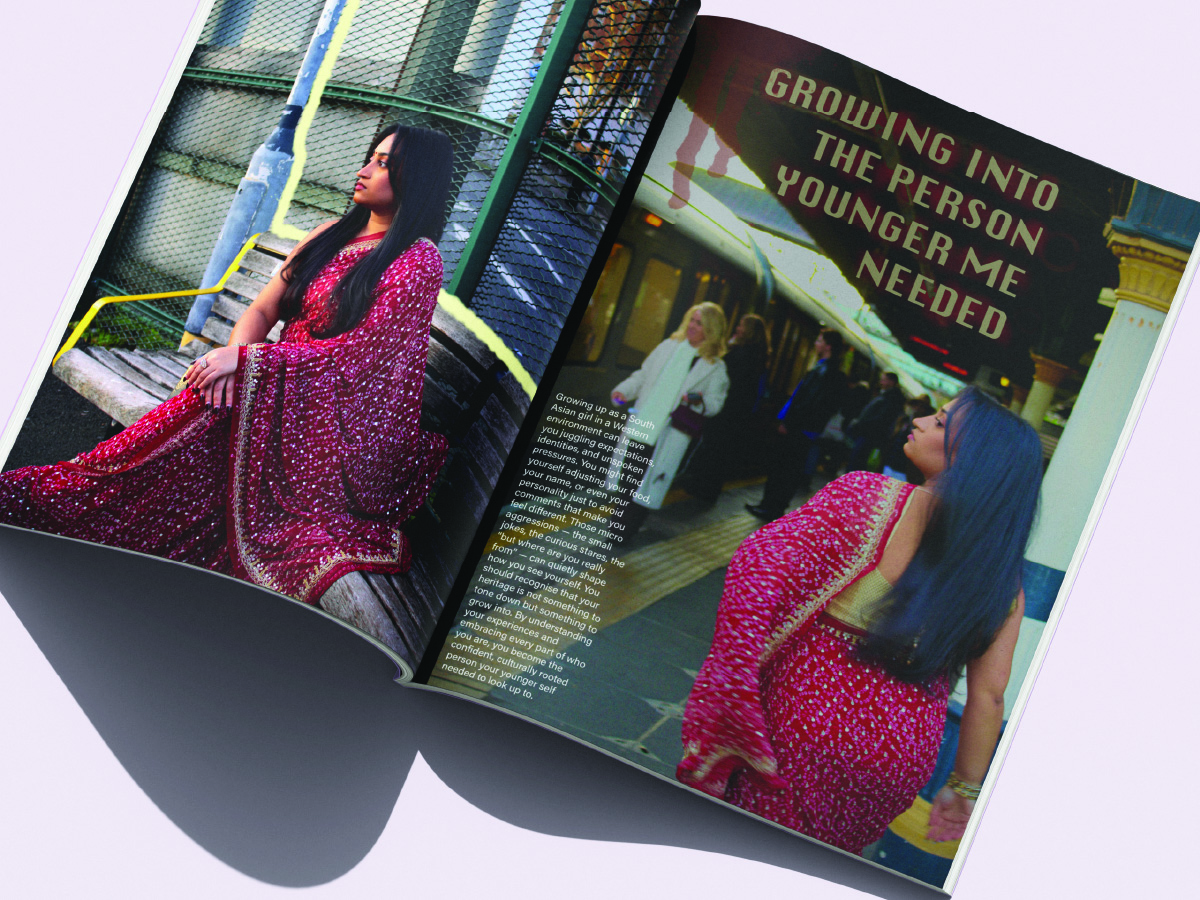
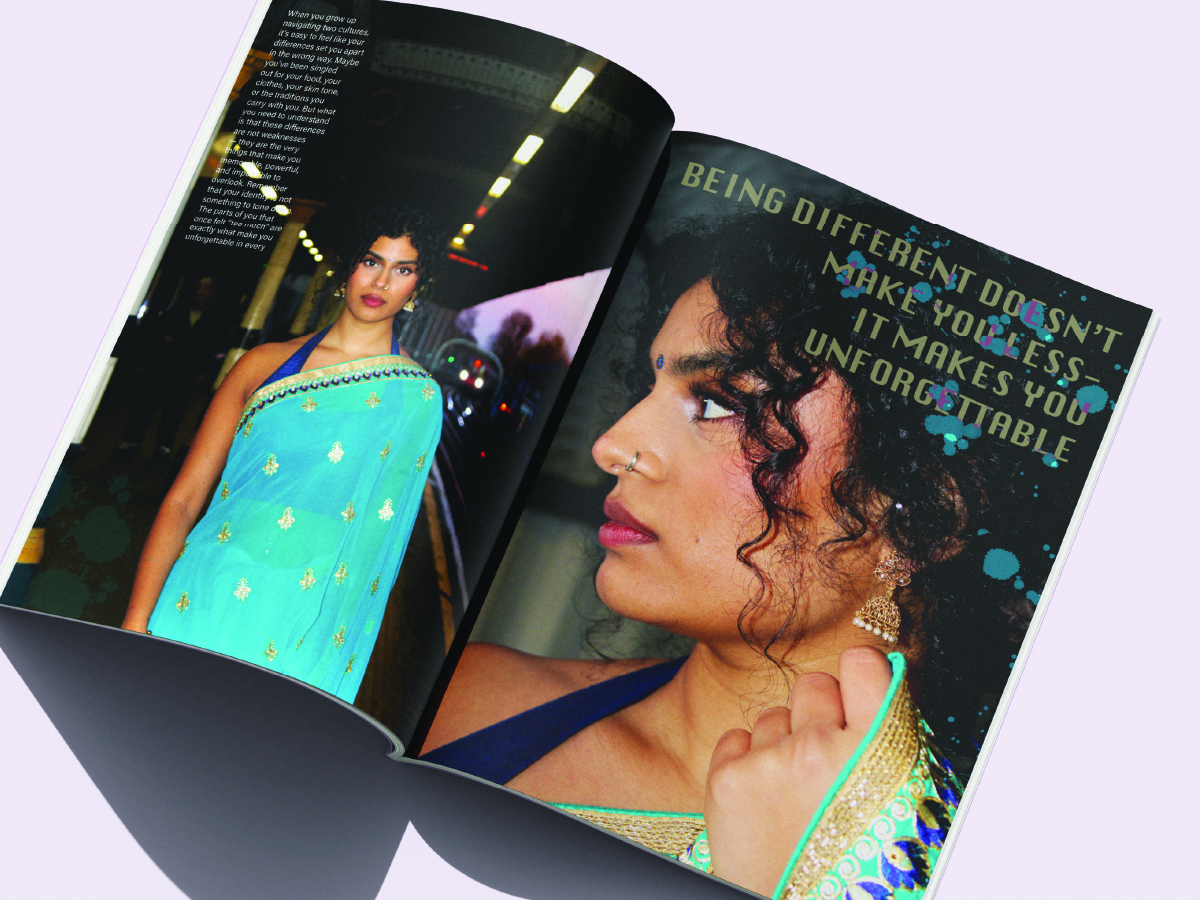
Many young South Asian girls growing up in Western societies struggle to feel confident in their cultural identity. In school and social settings, they often face subtle microaggressions – comments about their food, names, clothing, or appearance – that make their heritage feel “different” or out of place. These experiences can create pressure to minimise parts of themselves to fit in, leading to confusion, cultural hesitation, and a fractured sense of belonging. As part of the South Asian diaspora, these girls navigate the complexity of holding two cultures at once, yet rarely see this duality celebrated.
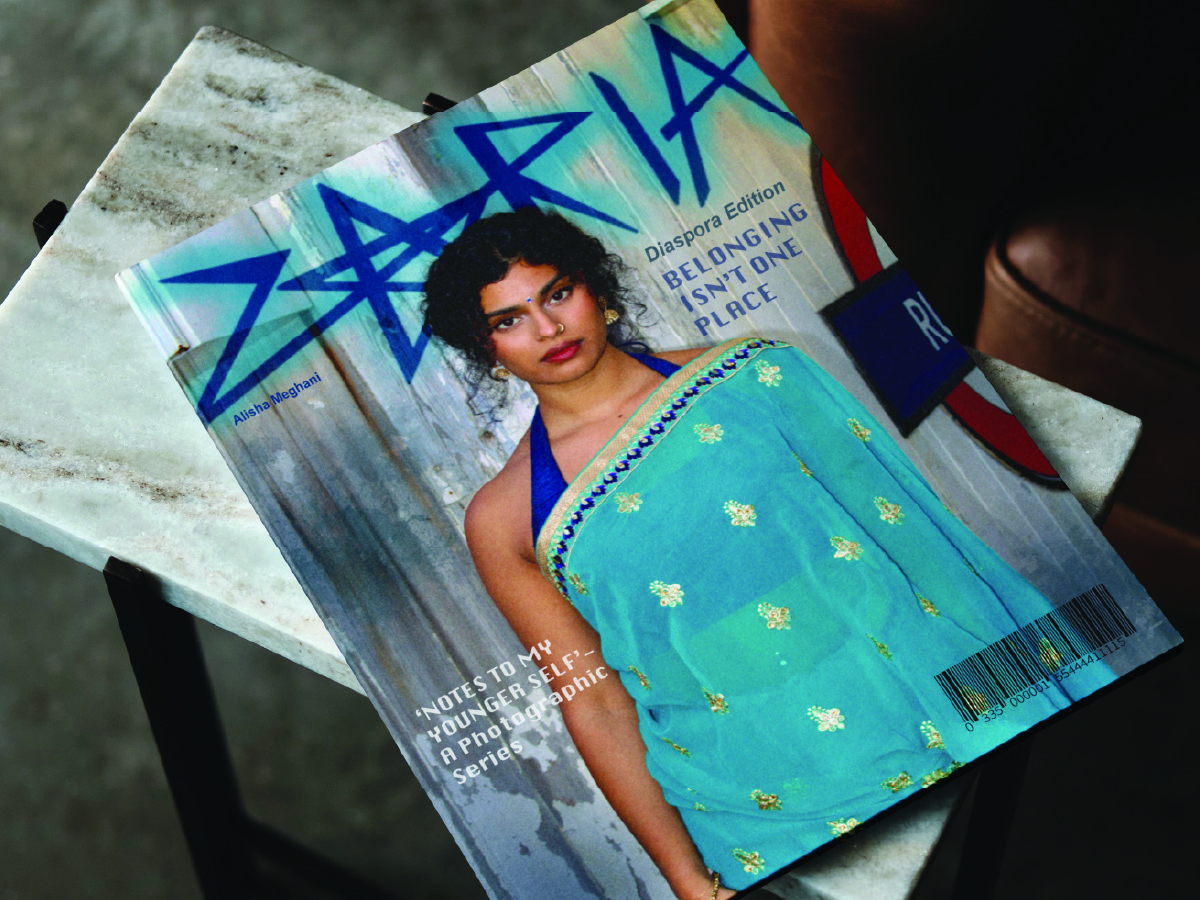
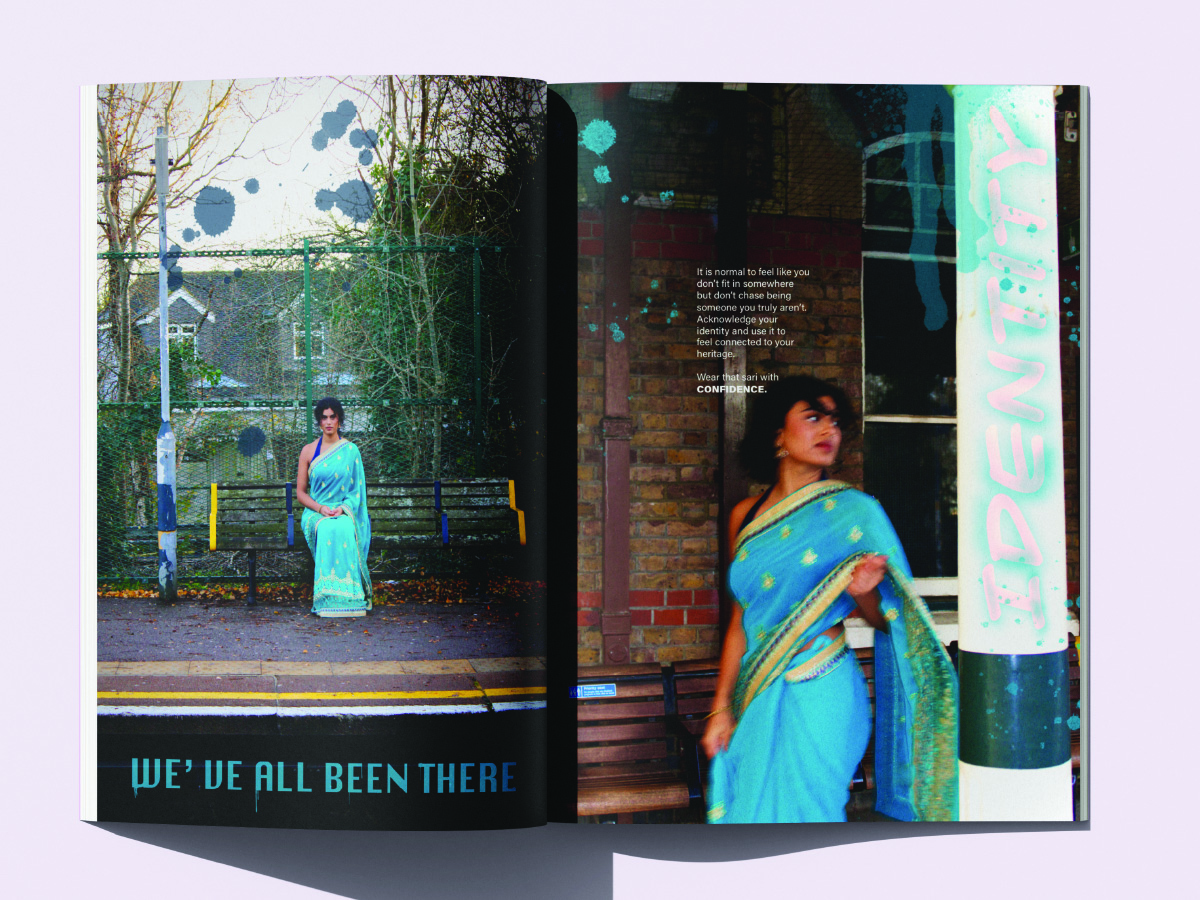
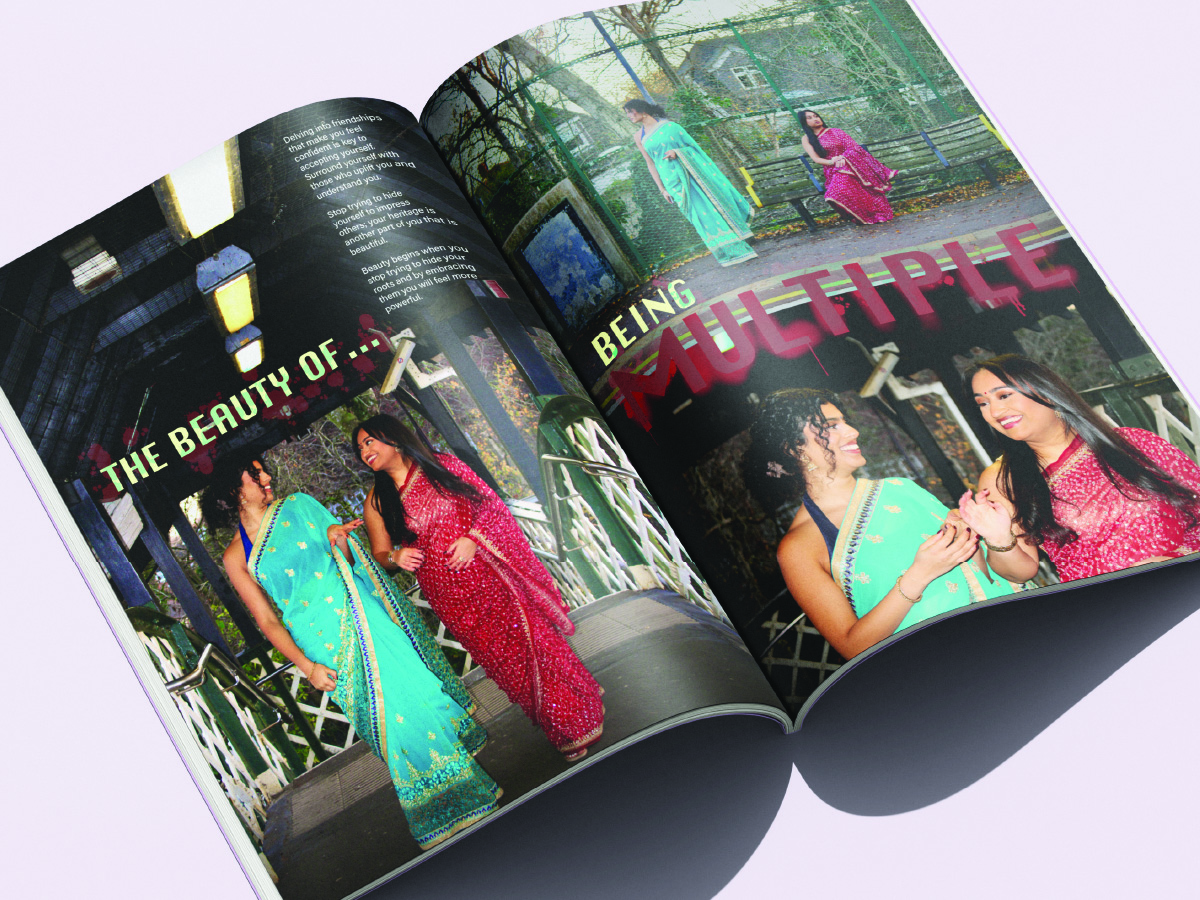
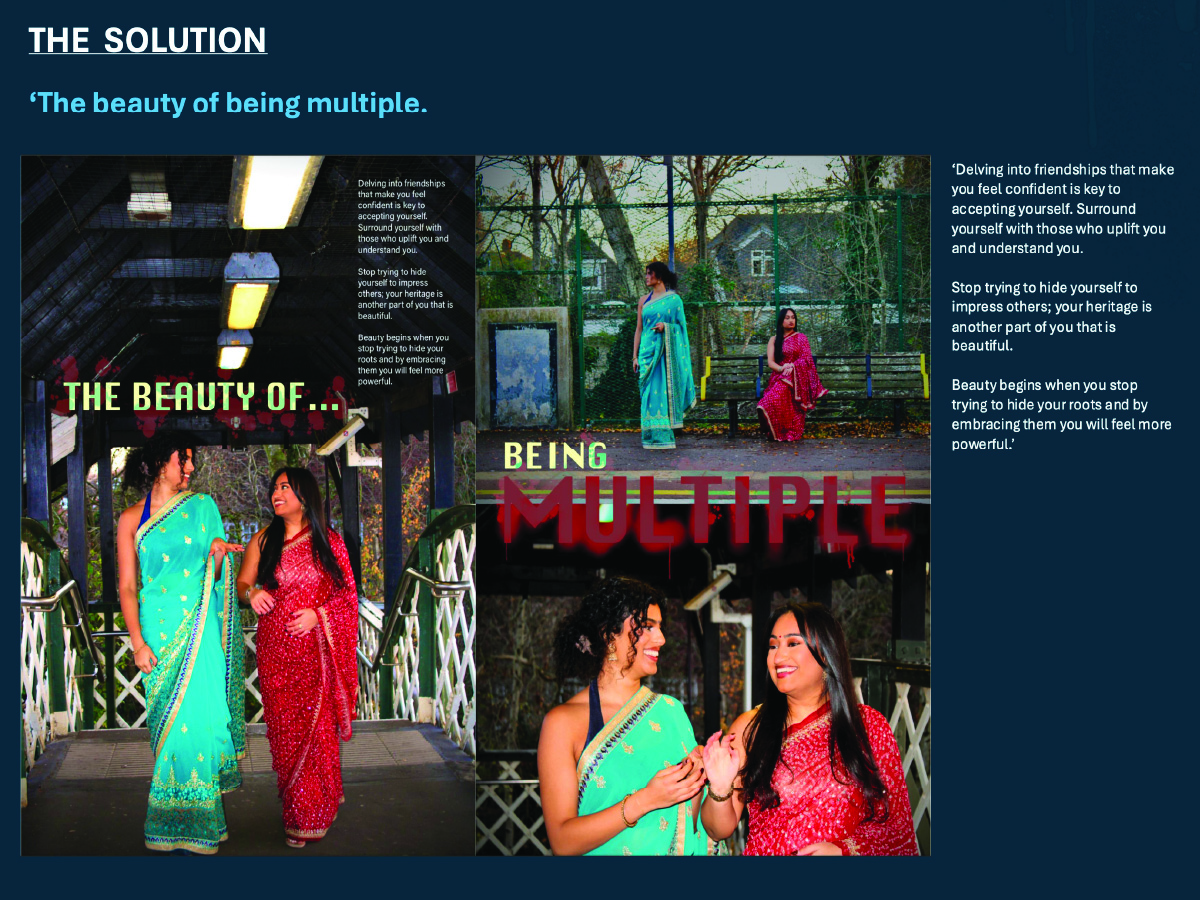
Zaria addresses this gap by blending South Asian aesthetics with Western street culture, creating a space where their identities are honoured, their stories are centred, and their differences are recognised as a source of power rather than something to hide. Zaria offers a friend, a mentor and a mirror to young South Asian girls; offering empowering words and encouraging them to embrace their culture. This Diaspora Edition focuses on short and powerful words to inspire and guide the young reader to a self-accepting place. Featuring a photographic series- Notes To My Younger Self- impactful photography visualises culture in a mundane space to create contrast and provide an alternate representation of South Asian girls in mainstream media, such as glamorous Bollywood appearances.
Writing important messages in ZARIA, encouraging young South Asian girls.