I’m a passionate designer creating meaningful products and systems that prioritise inclusion, sustainability, and human-centred design. I aim to develop thoughtful, engaging experiences that positively impact people, communities, and everyday life through creative and purposeful design.
In-class
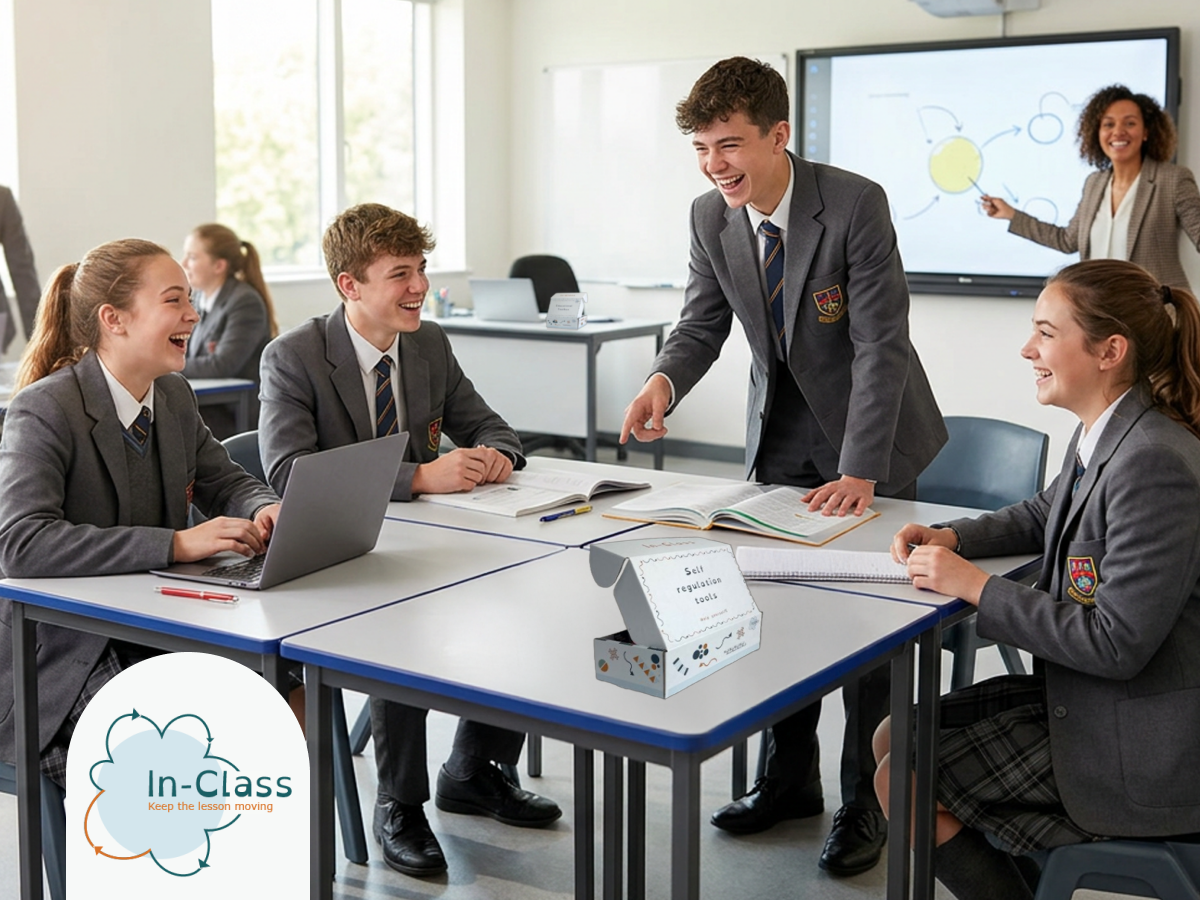
In-Class is an educational toolbox and service designed to seamlessly integrate movement and reflection into secondary school classrooms while supporting self-regulation during periods of static teaching. It empowers neurodiverse students to manage sensory and attention needs without disrupting learning. Through a connected companion app, In-Class also supports teachers in delivering structured, adaptable lessons, helping classrooms run smoothly while creating a more inclusive learning environment.
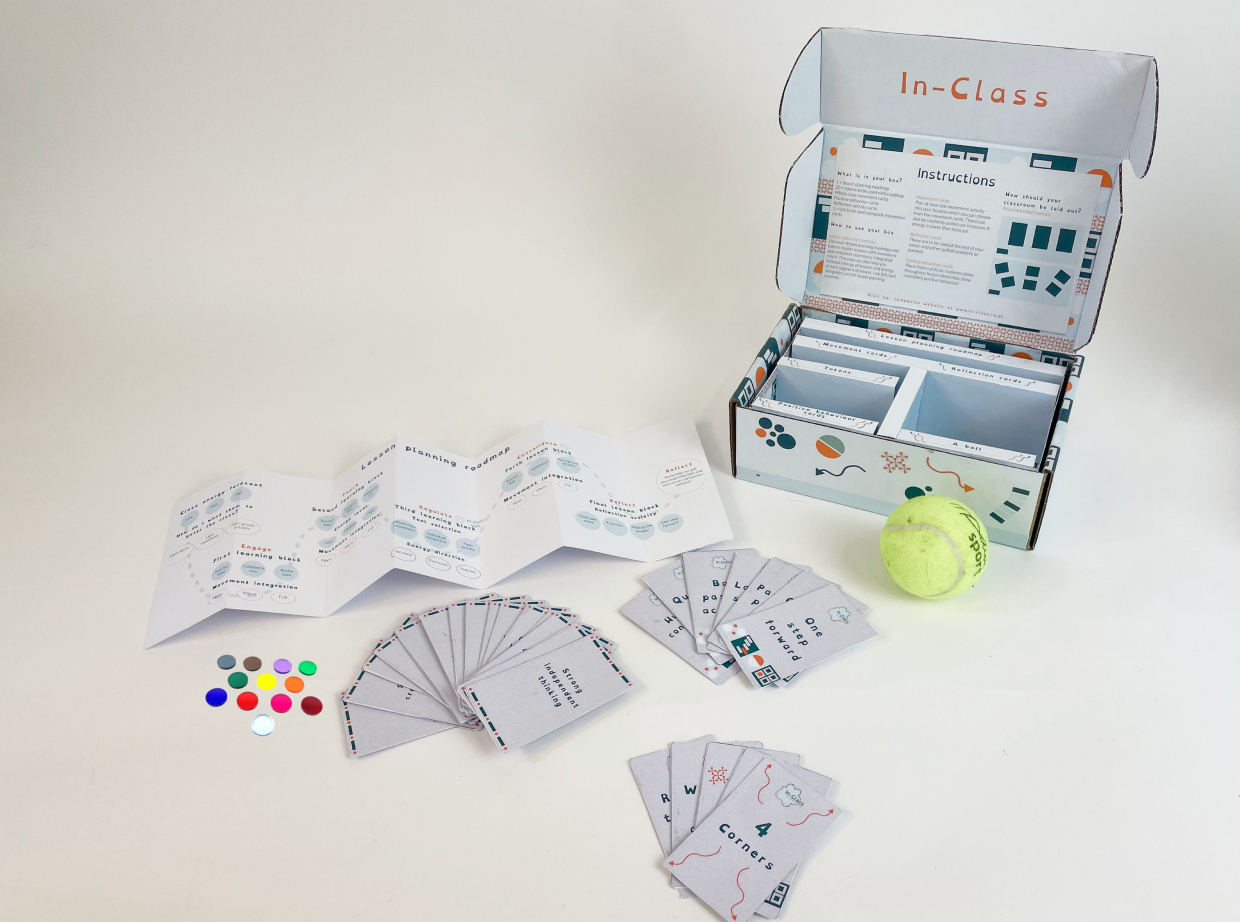
Contents of toolbox for teachers use
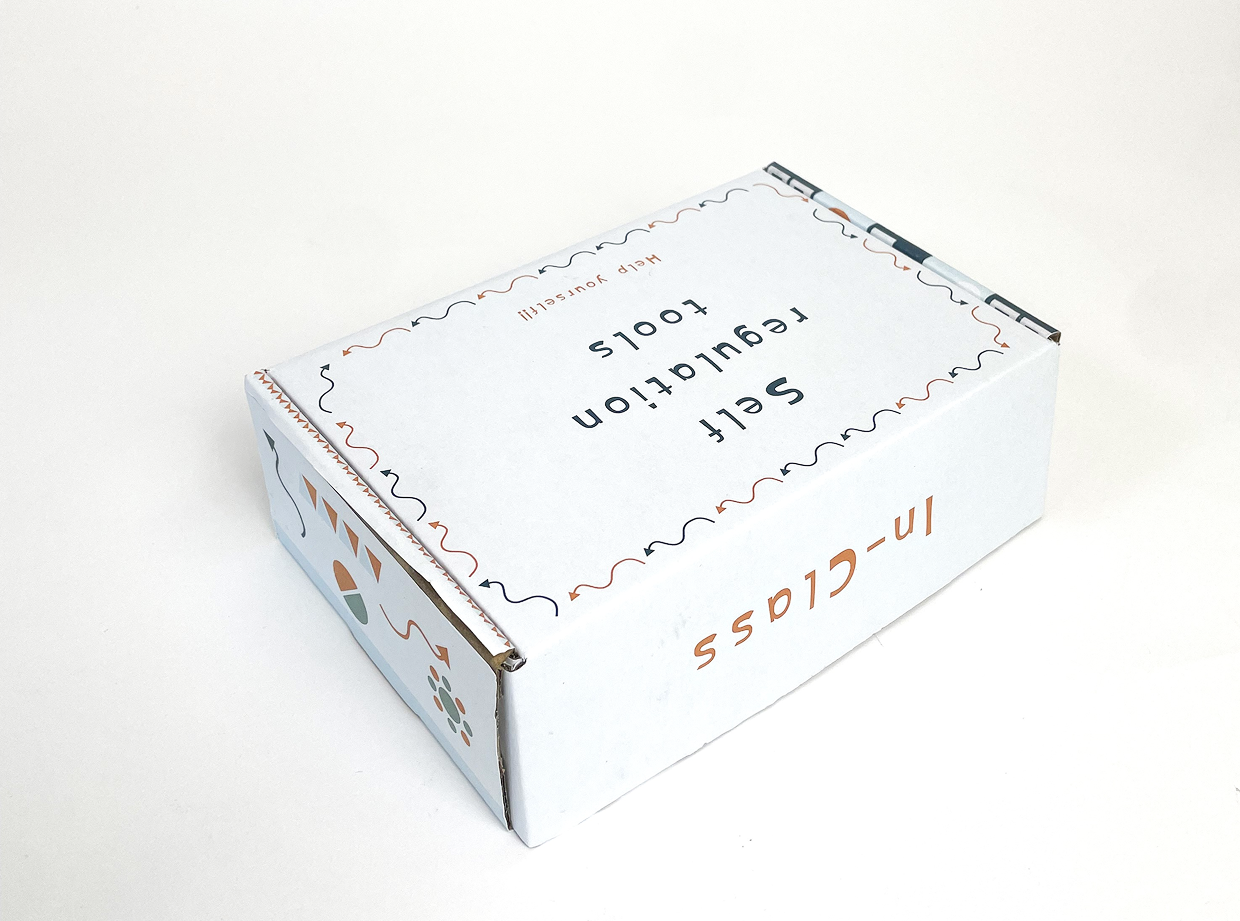
Box for self regulation tools
The aim of In-class
Its 2030 Classrooms are designed around how students actually learn, with teachers confidently planning, creating, and delivering structured yet flexible lessons that adapt in real time to students’ energy and focus.
Movement is no longer seen as a disruption; it’s designed into every lesson.
Static, one- size fits all teaching has faded into the past. Classrooms support self-regulation, enabling neurodiverse students to engage without disruption. Teachers create inclusive environments with confidence, without added workload. Focus, participation, and inclusion are no longer challenges, they’re built into the structure. Inclusion is no longer an initiative, its the foundation. Lessons flow. Transitions are smoother. Engagement is consistent. It all started with In-Class
Tools inside of box
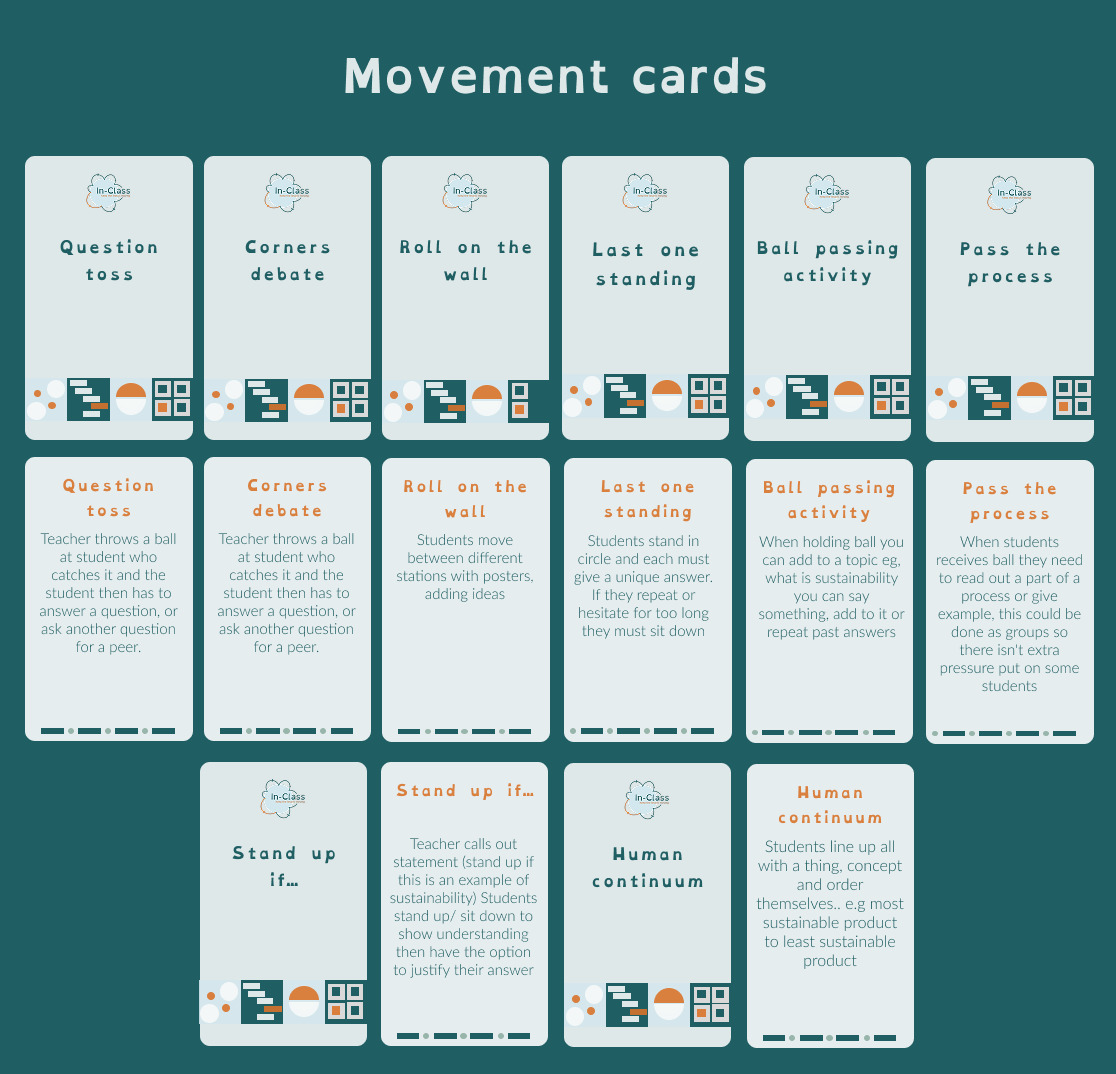
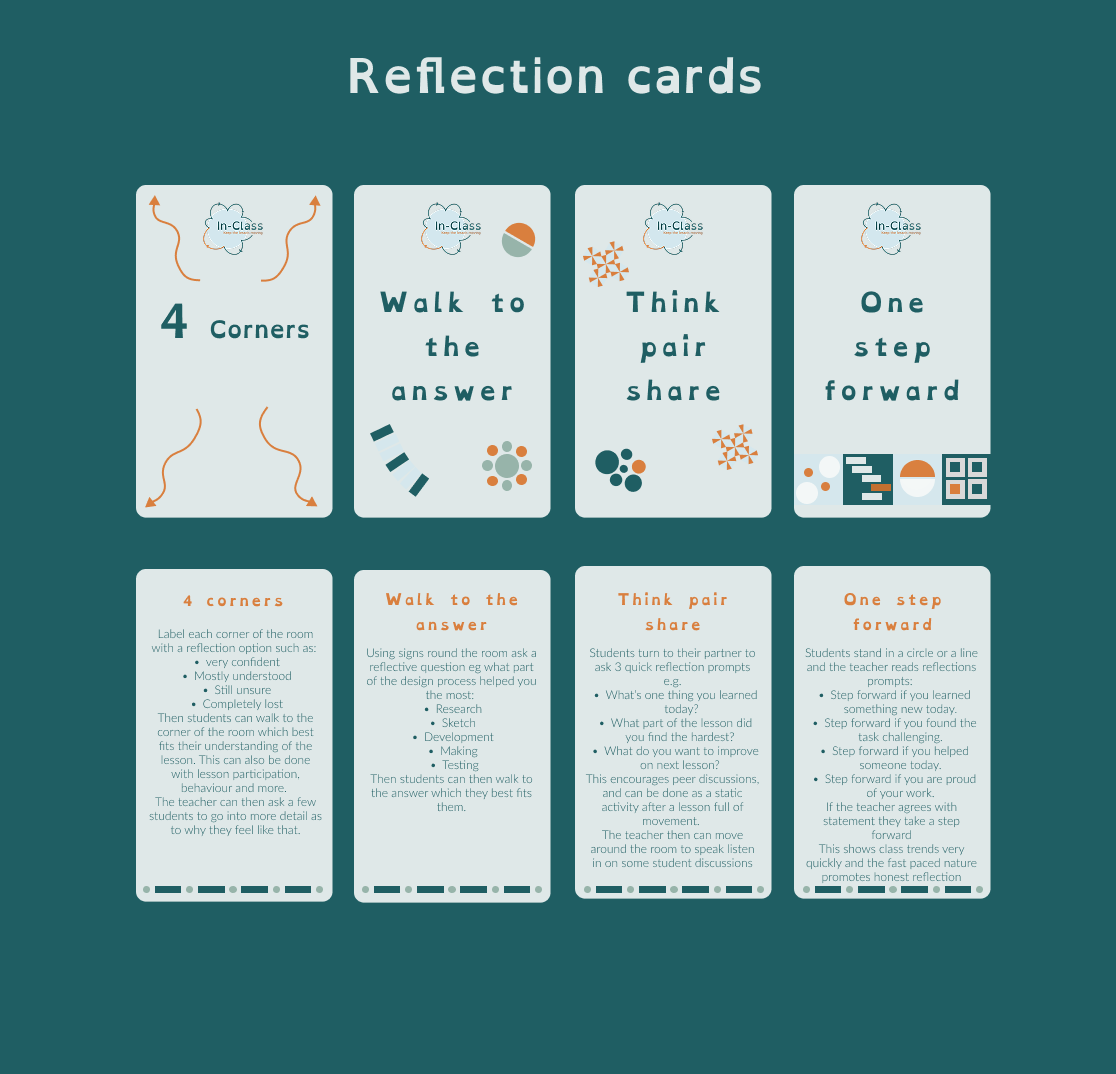
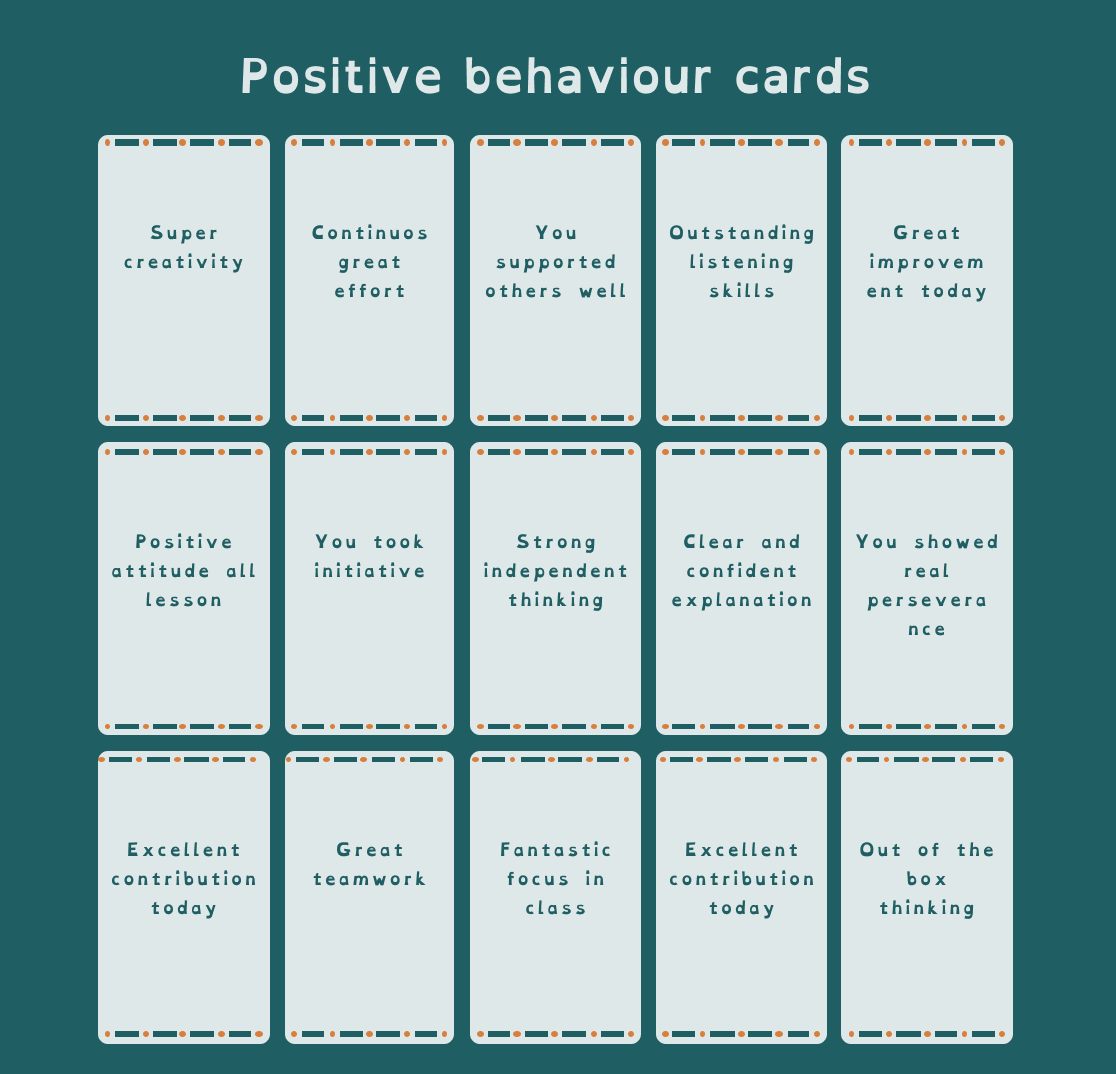
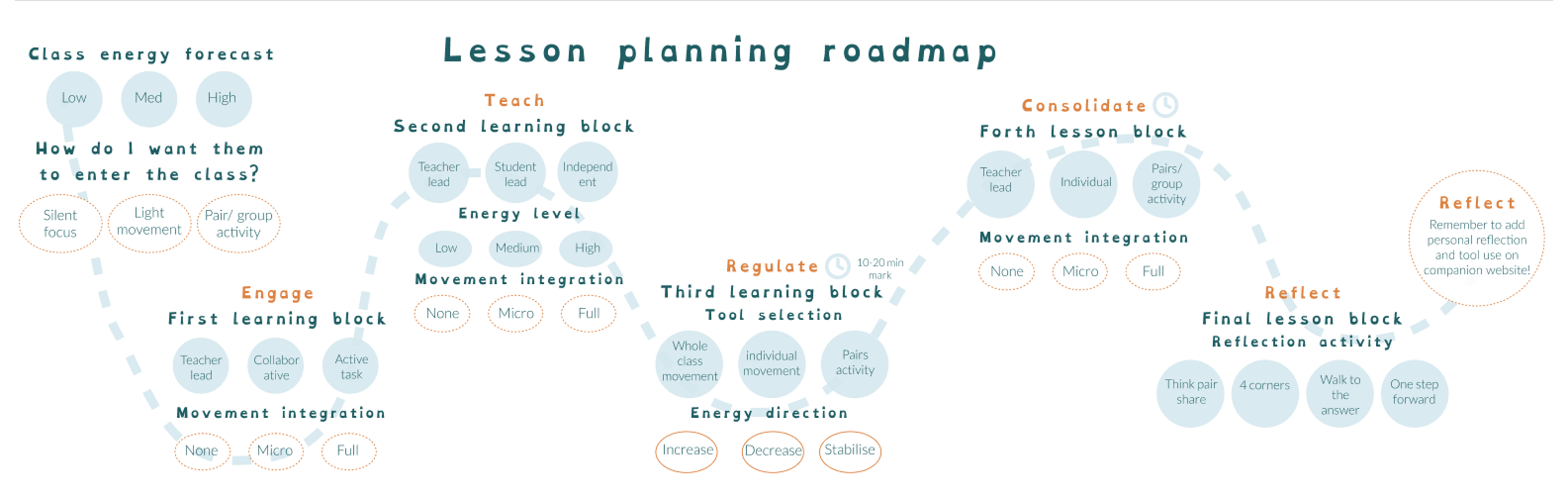
Tools inside of teachers In-Class toolbox: lesson planning roadmap (with tokens), positive behaviour cards, movement cards (with ball), reflection cards.
These tools combined allow for movement, reflection and positive behaviour reinforcement which creates classrooms which are both suited for neurodiverse and neurotypical students, and challenges traditional teaching methods to create a positive classroom experience for both the teacher and student.
Companion website
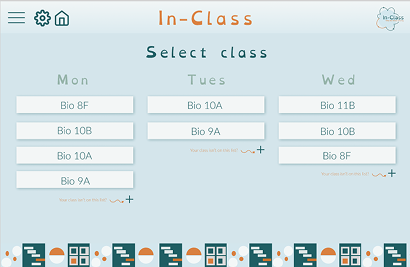
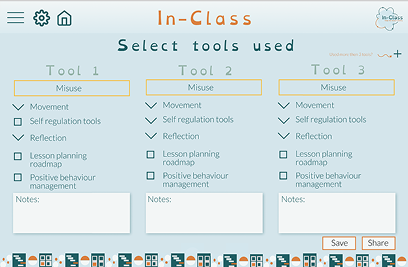
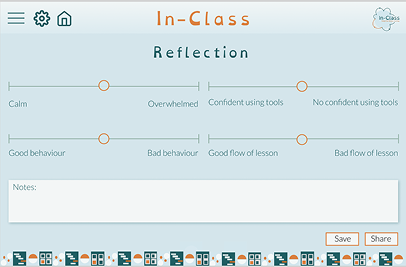
The companion In-Class website enables teachers to reflect on their inclusive teaching practices, track tool usage and misuse, and access guidance on creating more inclusive learning environments. It also provides a space for teachers to connect, share experiences, and discuss the use of the toolbox alongside broader approaches to inclusive teaching.
Backstage design strategies
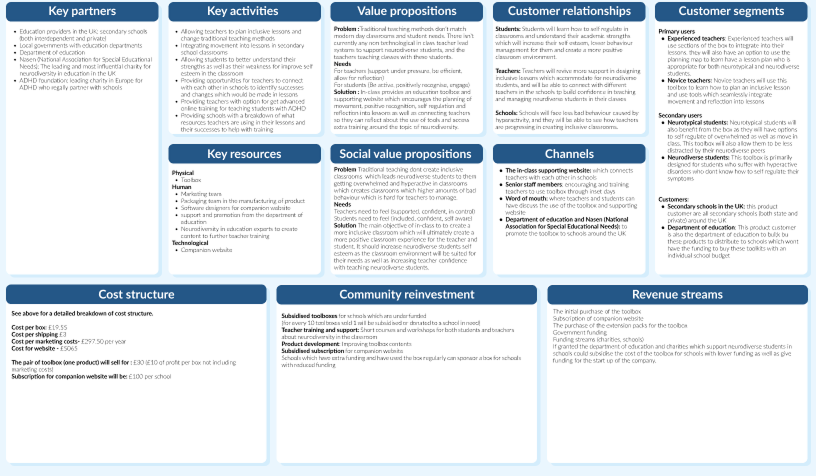
Social Business Model Canvas – This helped me understand the wider operational system behind my product, while ensuring my core values were embedded within its funding structure, costing, and overall business model.
Value Pyramid Model – Evaluating my product against this model enabled me to better understand the social, educational, and practical value it could bring to classrooms and the wider community.
Service Blueprint – I used this tool to develop the service from the user’s perspective, while also considering the needs and interactions of key stakeholders throughout the experience.
Pitching the concept
Sustainability project
Project brief: To redesign an existing low-tech solution to improve usability and everyday appeal, while maintaining its low environmental impact.
Industry set brief project (3rd place award winner)
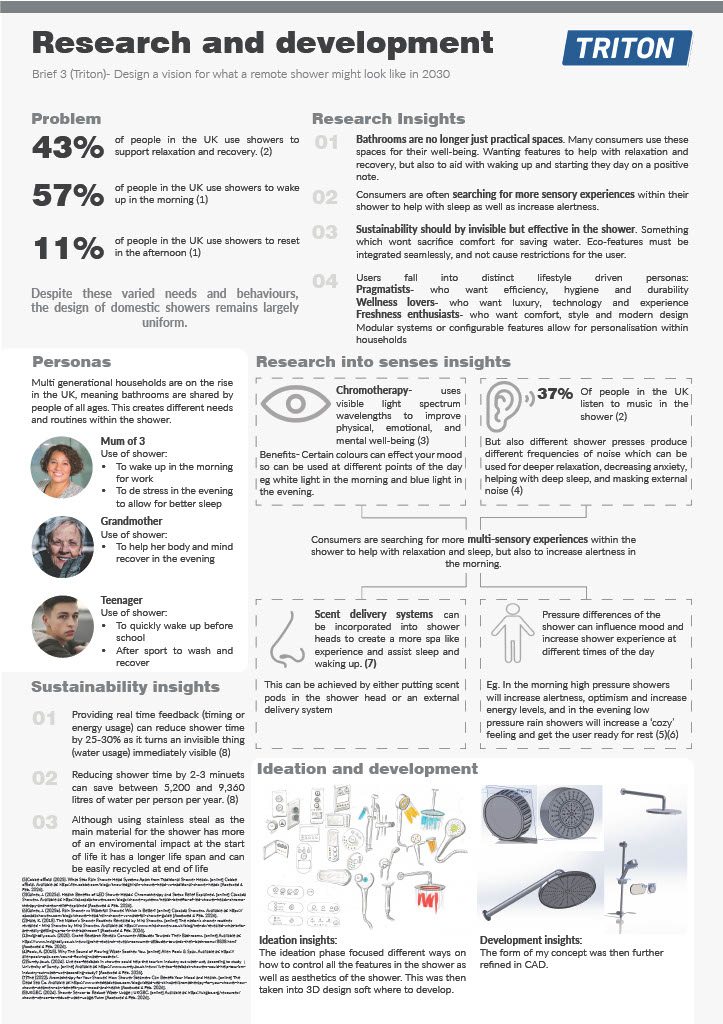
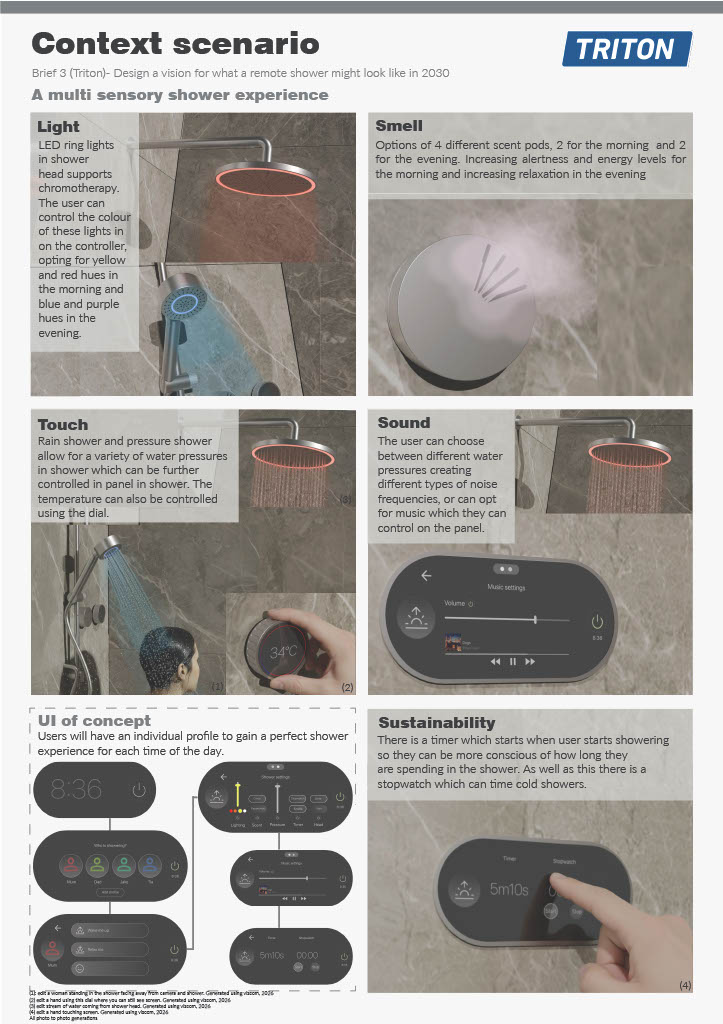
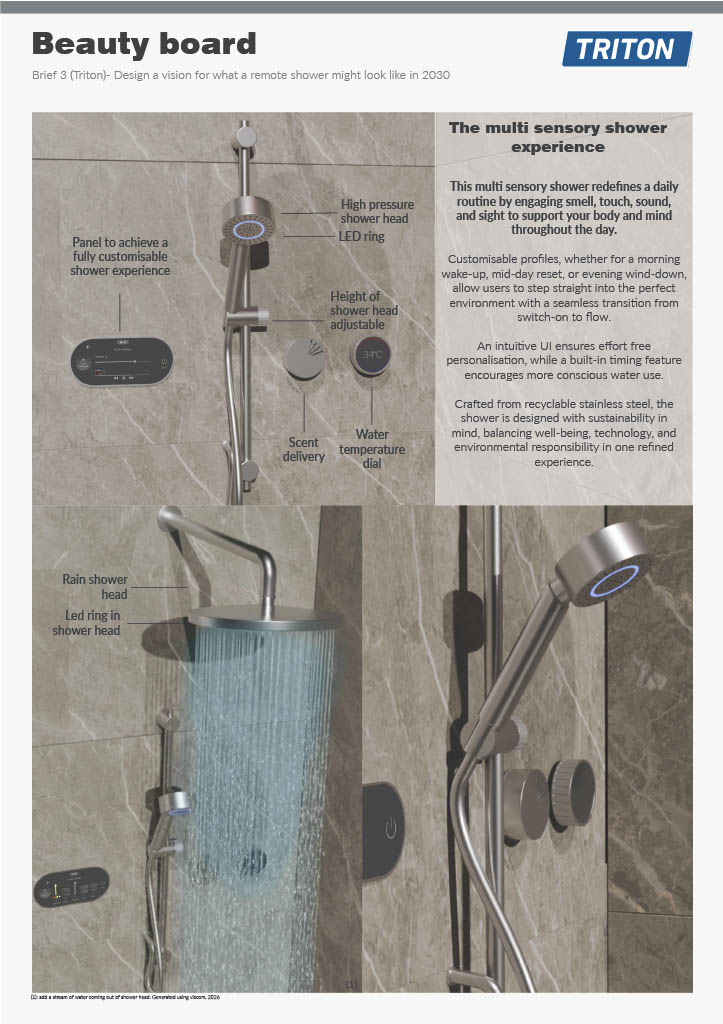
Project brief for triton showers: Design a vision for what a remote shower might look like in 2030