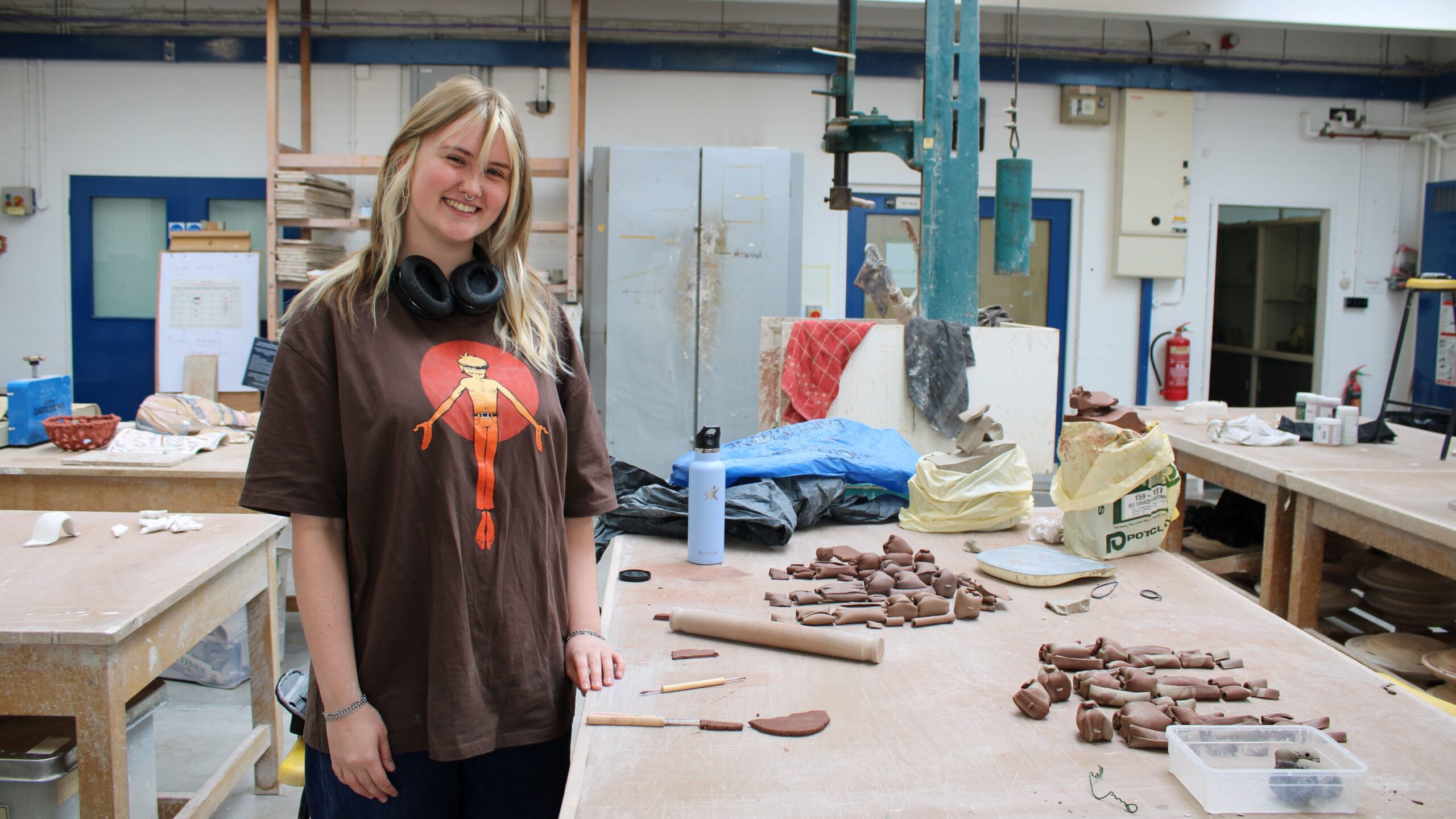


I'm Tayla, an artist who explores the modern culture of the working class through the medium of ceramic sculpture. Using an array of different techniques, I exploit and push clay to it's limits; in order to create unique outcomes.
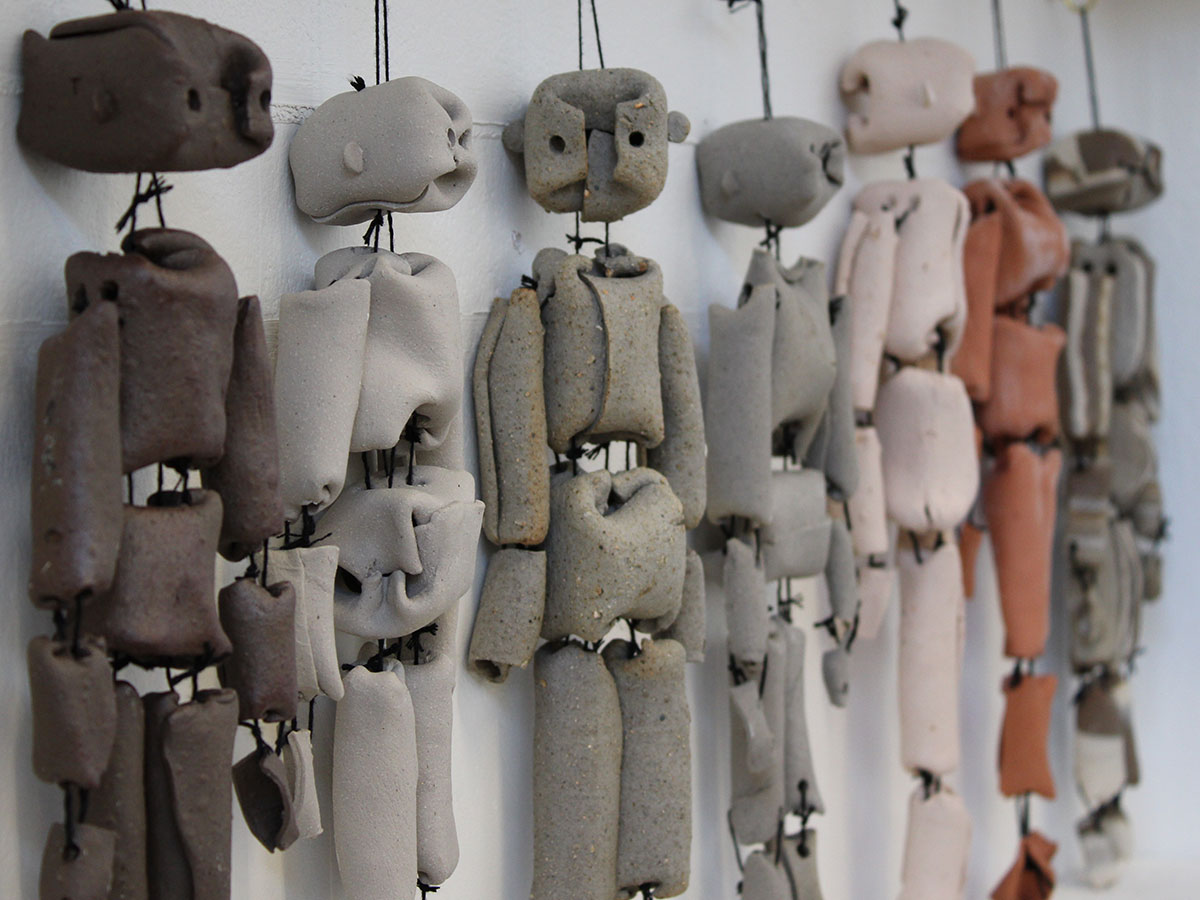
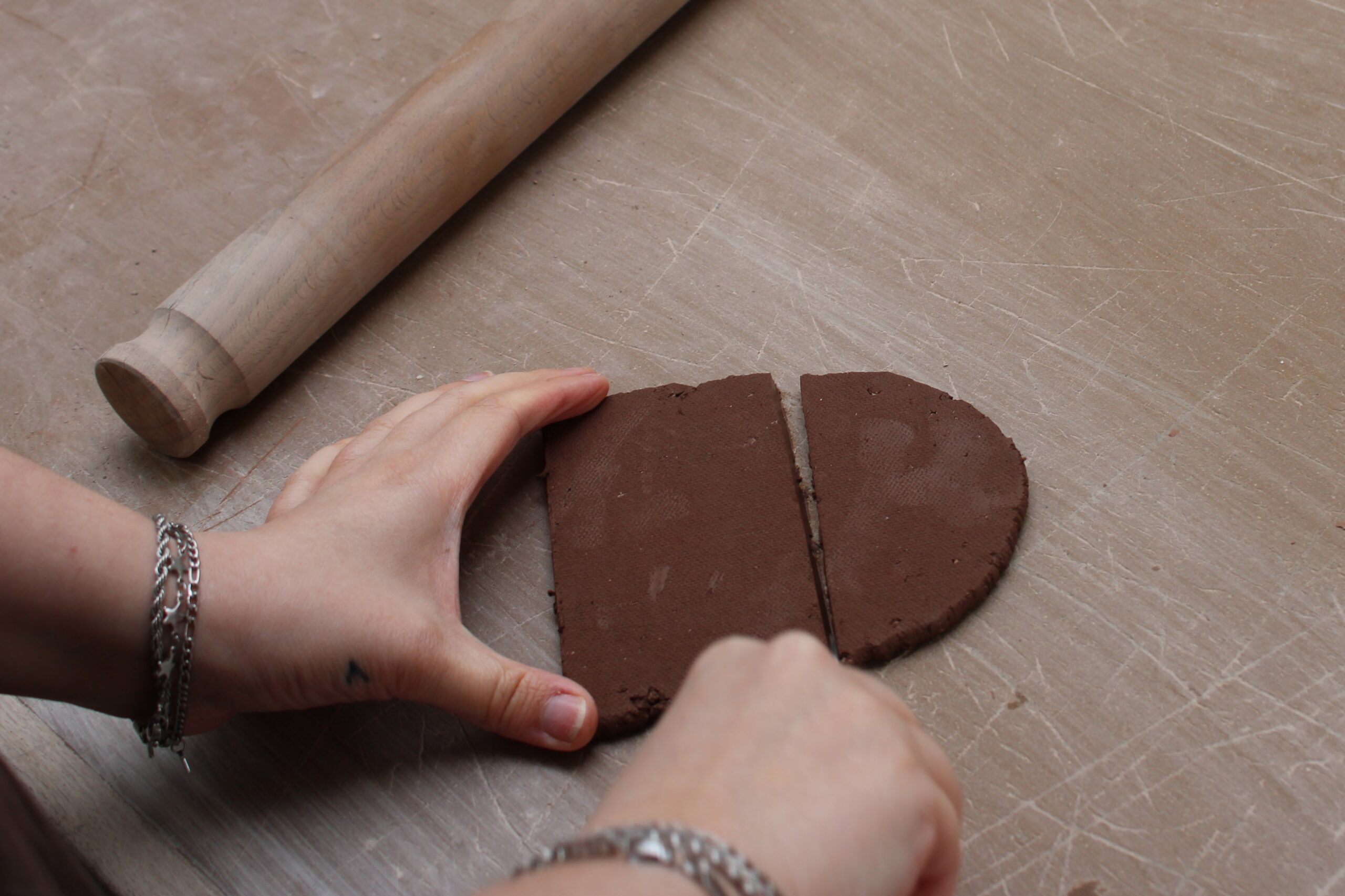
I am a ceramic artist who has explored many methods of making over the past year. I have found myself gravitating towards more intuitive methods, focusing on hand-building through a technique that uses rolled-out clay and folding to create forms. This method allows for individuality within multiples in a way that processes, such as press molding, does not.
Through my work, I explore both my pride in my working-class community and the realities of the modern working class more broadly, touching upon the obstacles and alienation that they continue to face daily. My family has been a central source of inspiration for this practice. Their commitment to craft, skill, and hard work has shaped my own approach to making. In my work, I take pride in craftsmanship and in the continual development of skill, reflecting the values they have passed on.
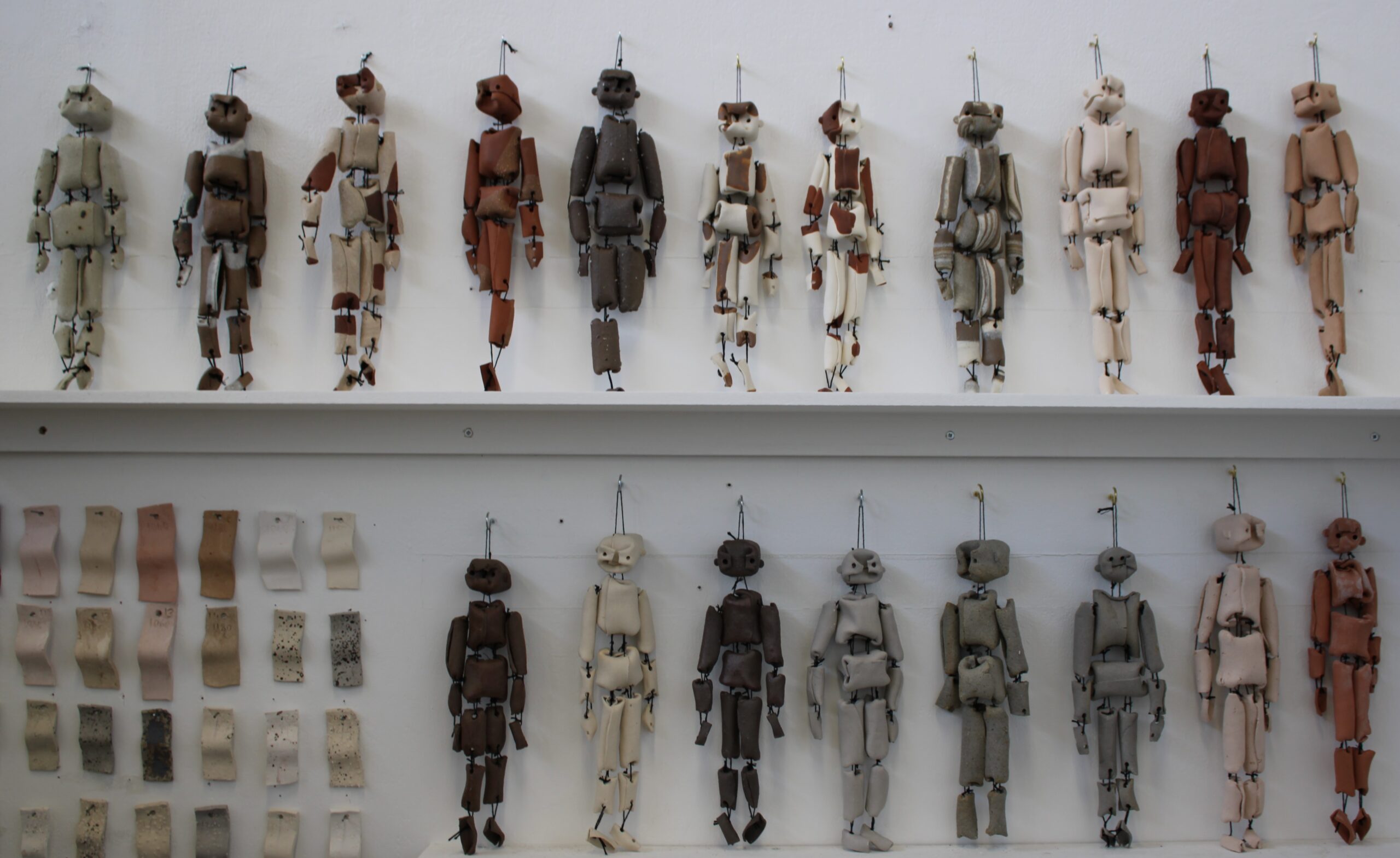
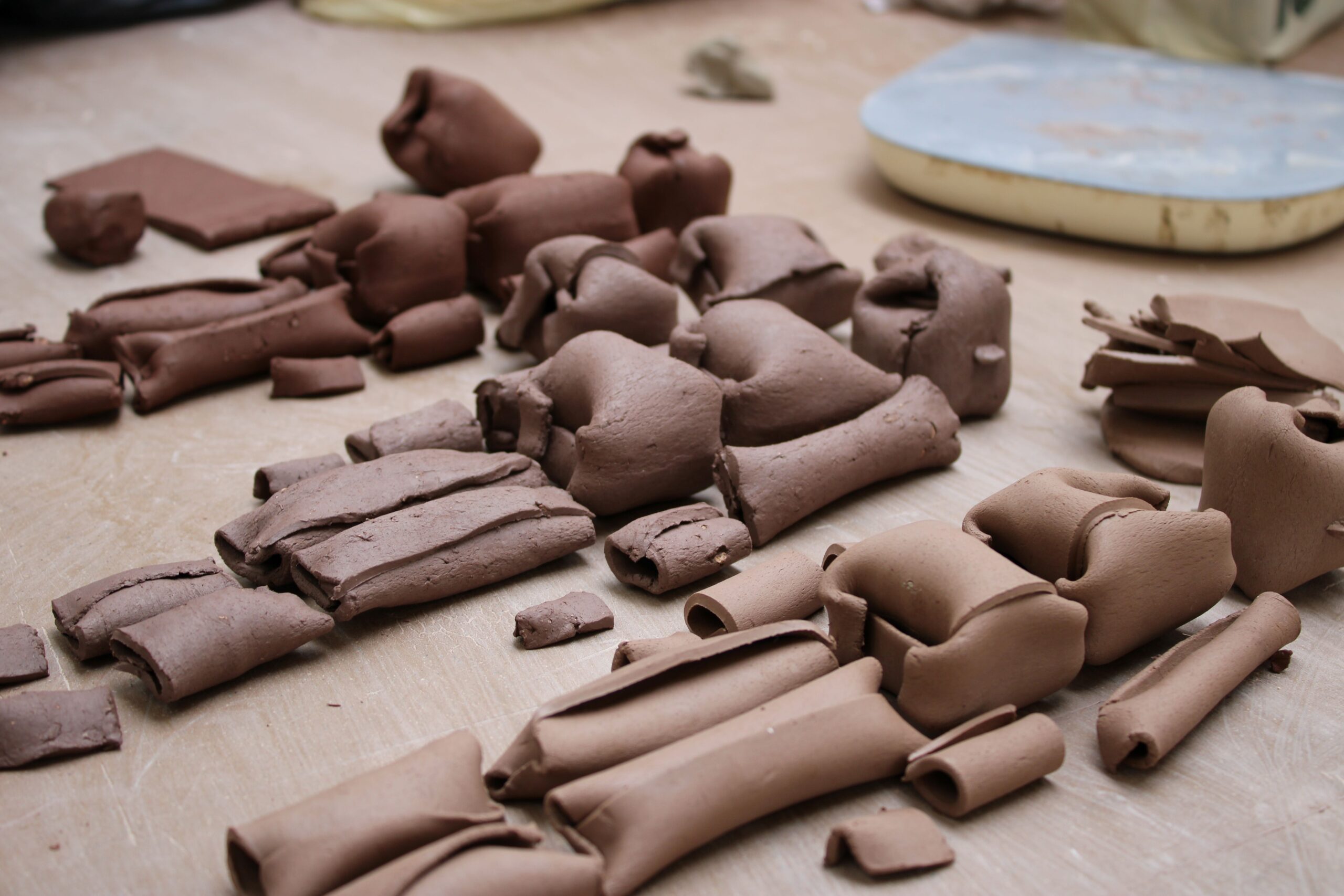
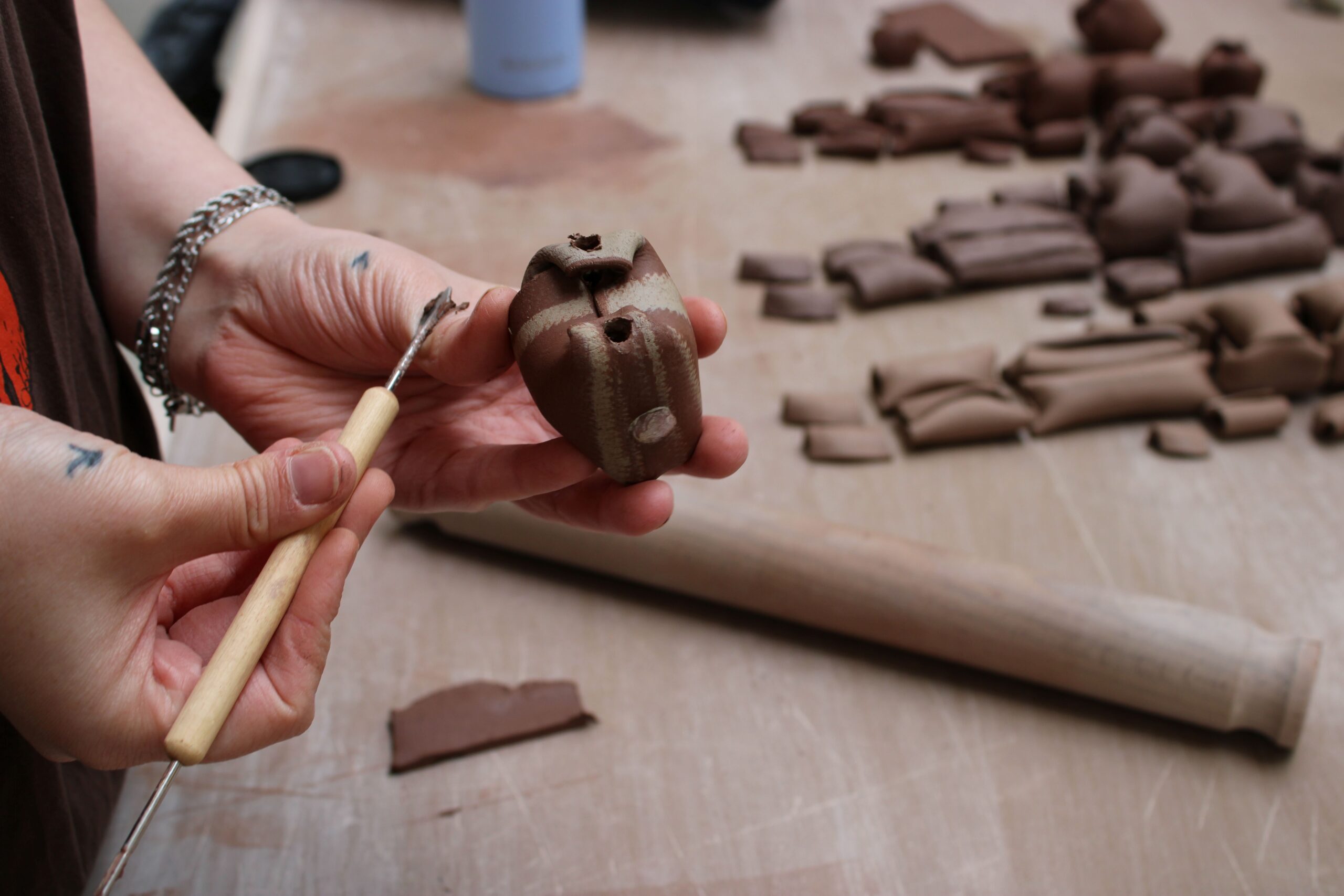
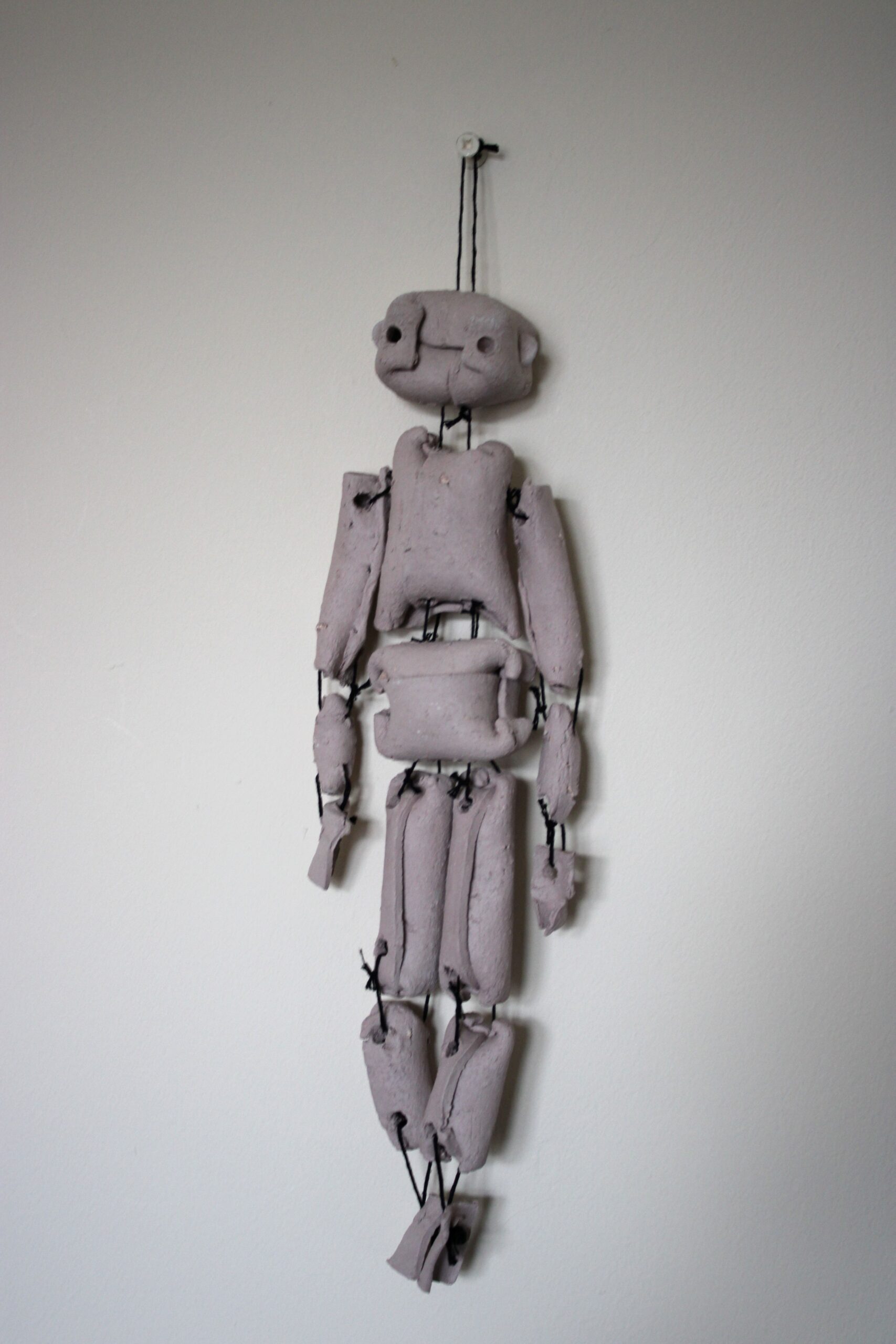
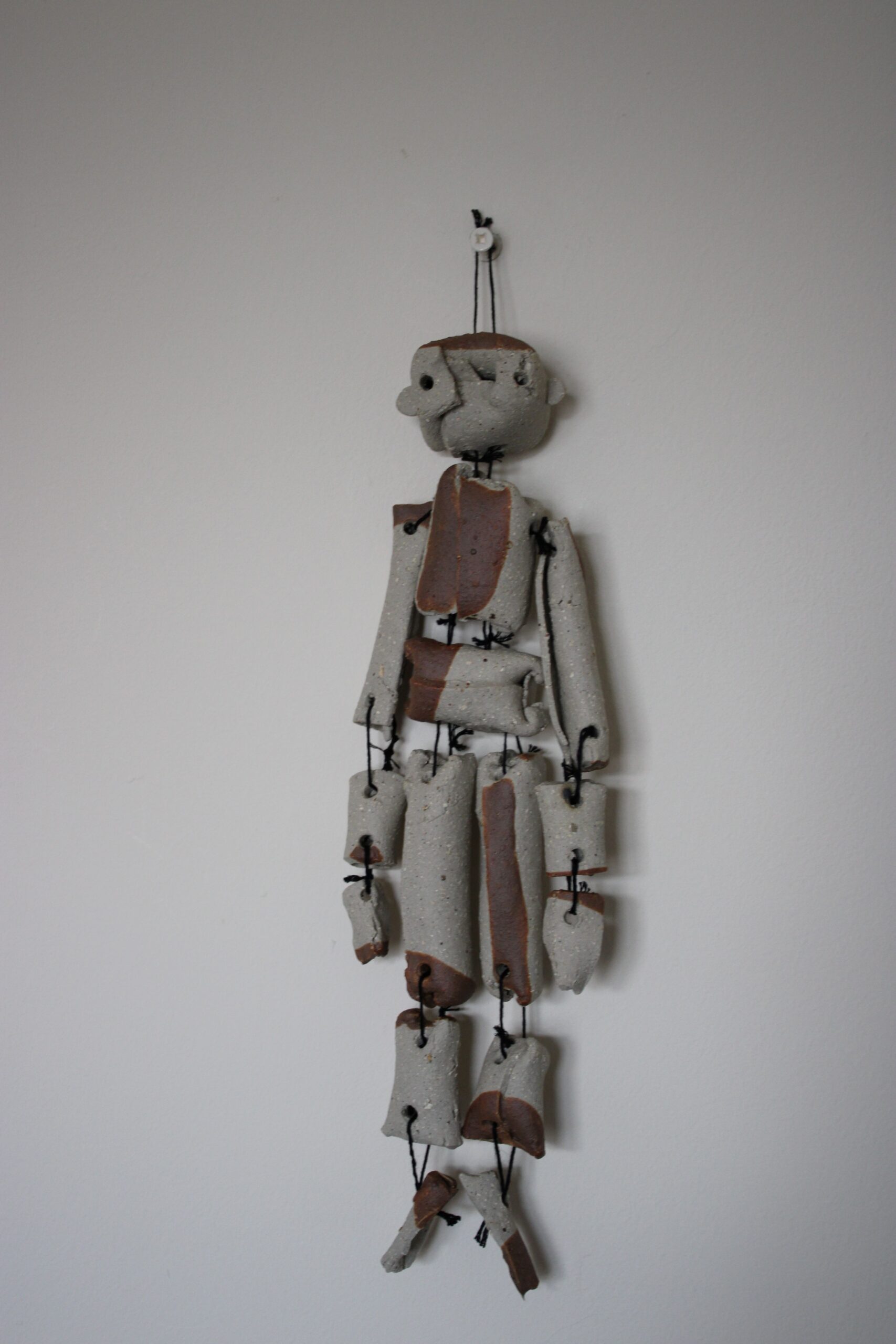
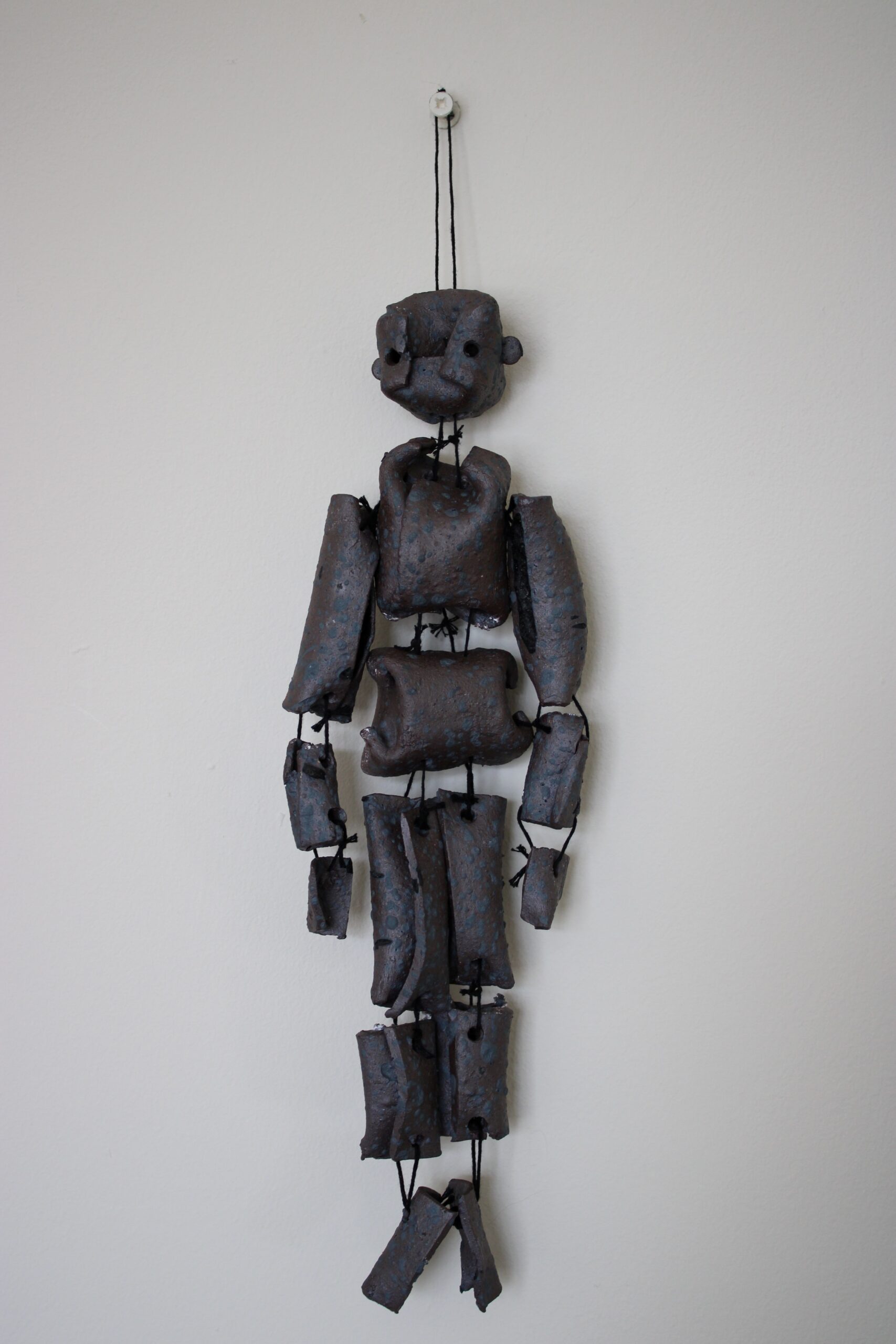
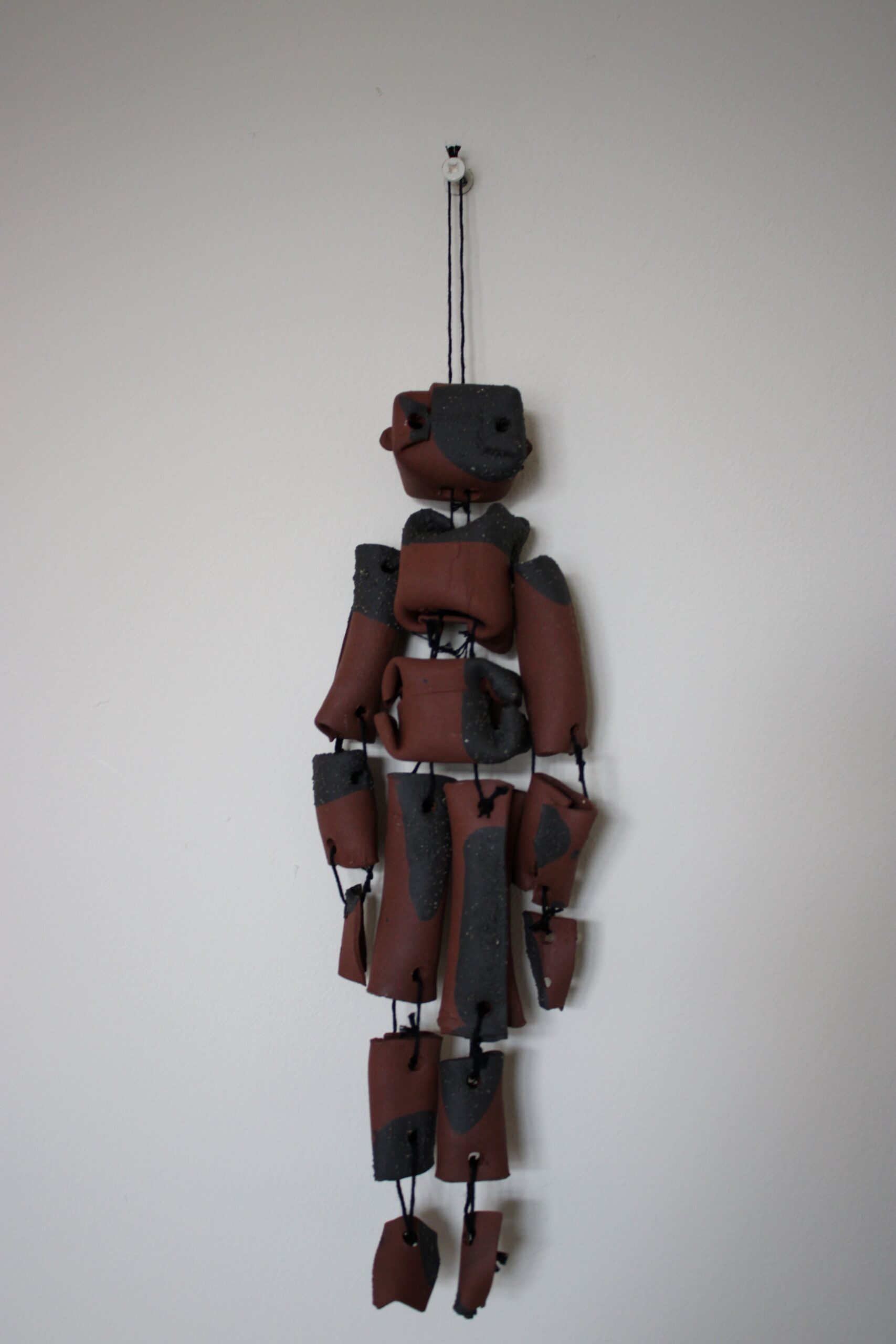
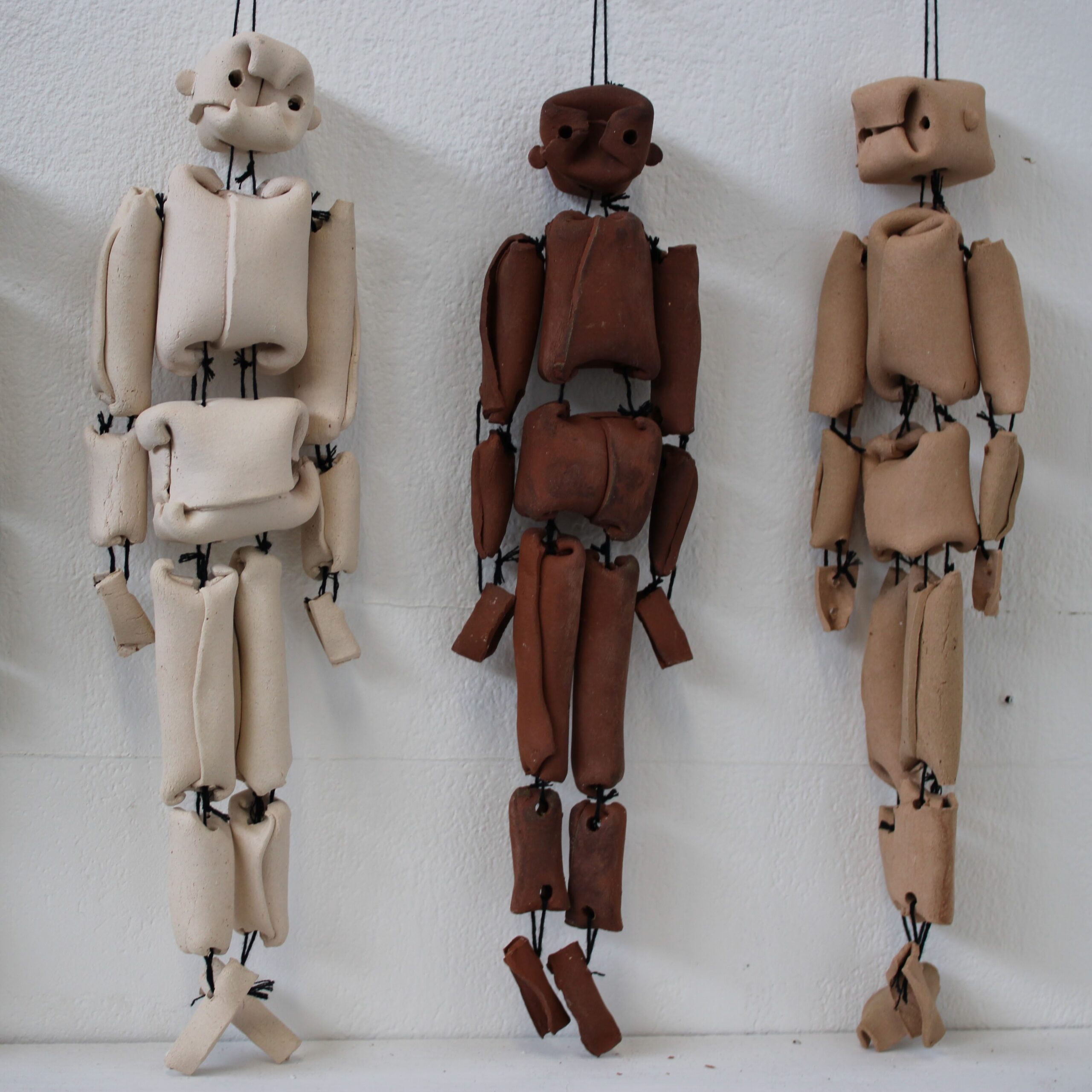
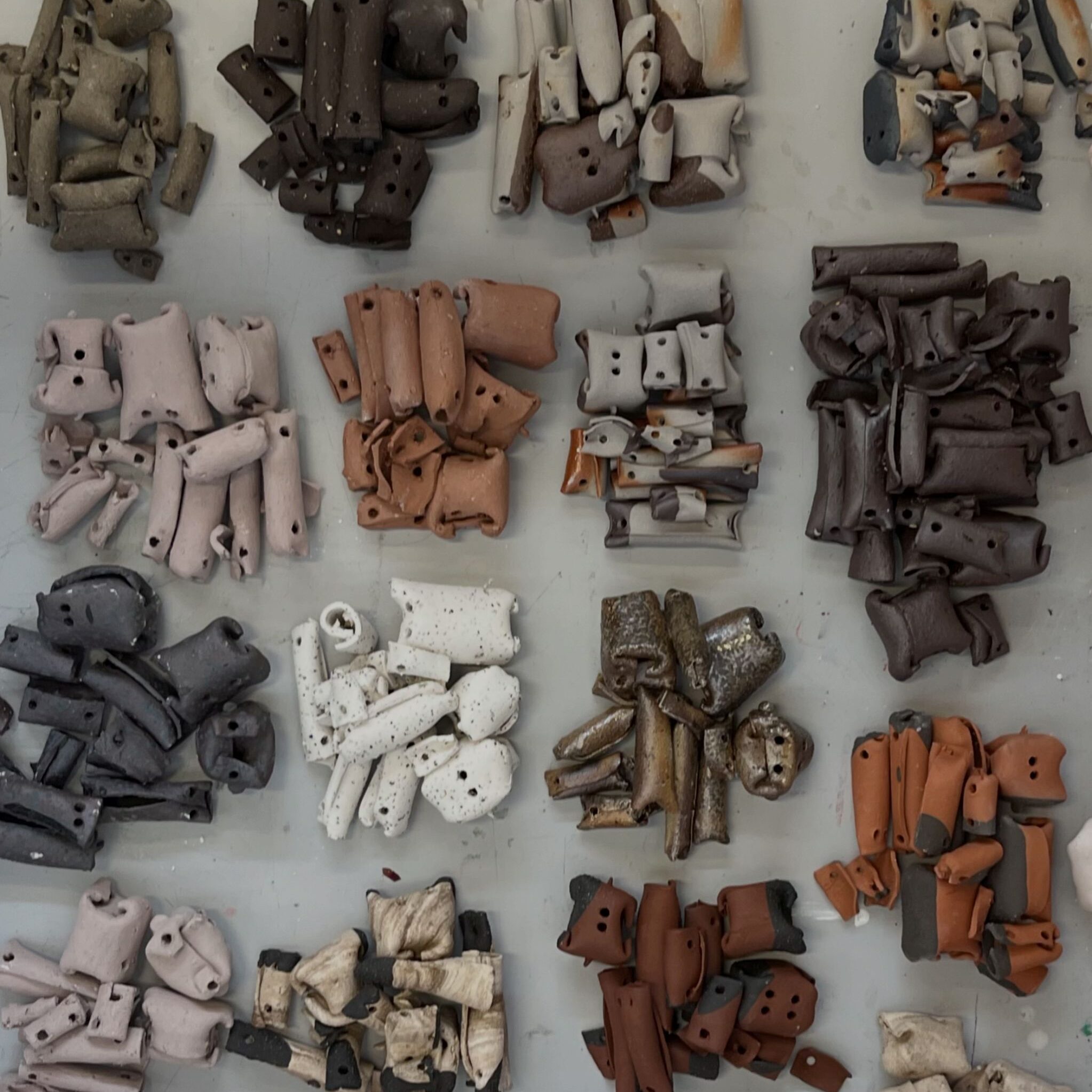
I deliberately leave traces of making visible, preserving both the process and a sense of fragility. Rather than using glaze, I keep the material exposed. Through subtle changes such as clay type, firing temperature, and the addition of materials including metal filings and quarry grit, each puppet, although formed through the same process, develops differently. This reflects how small environmental pressures and shifts in circumstance can shape distinct individual experiences within shared conditions.
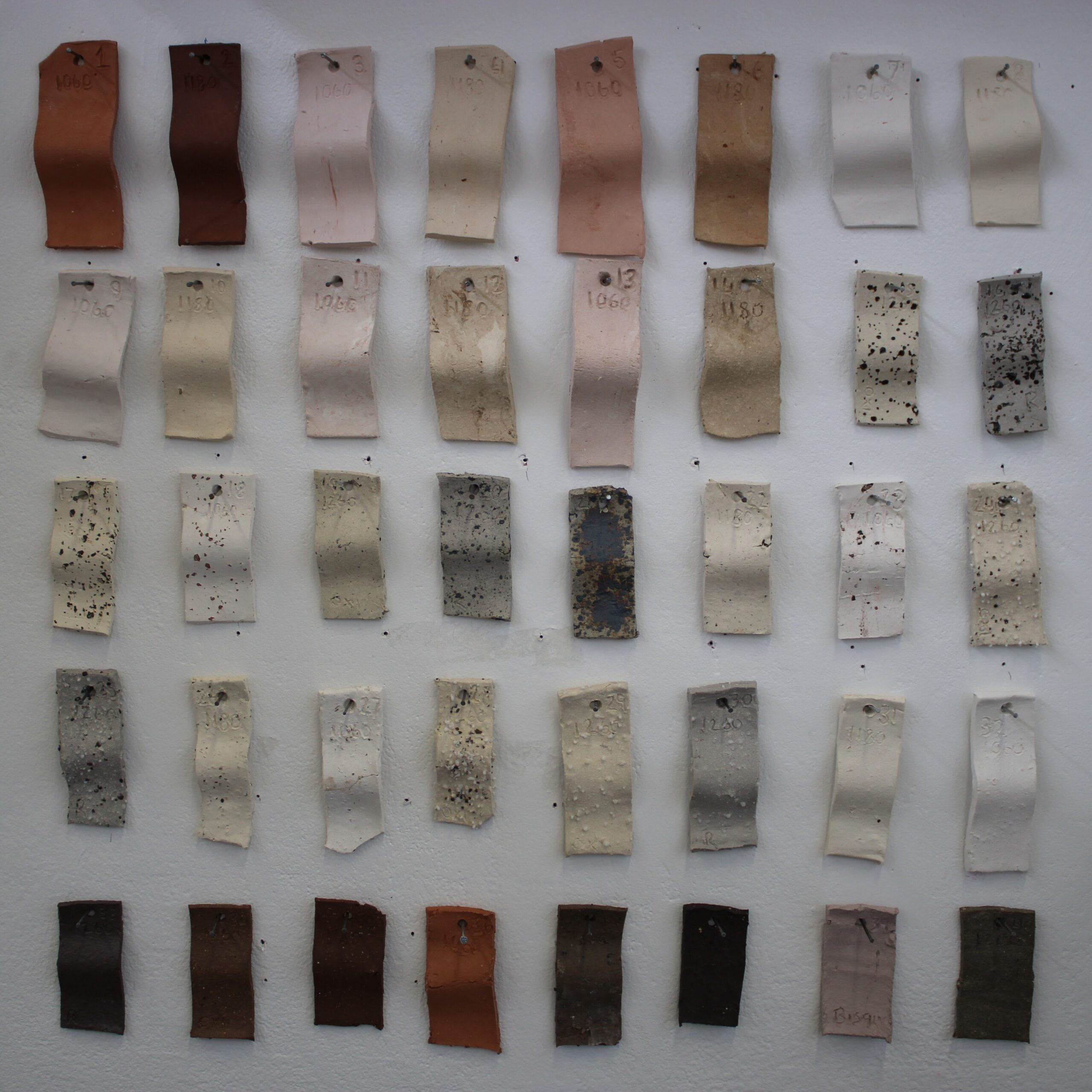
For my degree show, I worked with four clays: a white grogged stoneware, smooth terracotta, coarse raku clay, and coarse black clay. I initially experimented with the white and terracotta clays, firing them at different temperatures and through various methods, including reduction and gas firings. After observing their responses, I began mixing them with the coarser clays in varying ratios, as the latter were not plastic enough to use independently, and repeated the firing processes.
I then introduced additional materials, including rust, steel and alloy filings, and feldspar chips, testing how they reacted at different temperatures. Most produced stronger results in high-temperature firings. I also created slips from the clays and applied them to leather-hard sculptures while experimenting with techniques such as saggar, wood, and raku firing, alongside adding organic materials including leaves, wood chippings, hair, and obvara. Although the process was extensive, these methods allowed me to make only minor changes to each sculpture while producing highly varied and unique outcomes.

In my Degree Show, I aim to represent a shared feeling within working-class communities of never being able to take a break or stop working due to the need to provide and sustain a living. In many modern working-class jobs, people give so much of their lives to work while receiving wages that are often not enough to support a family on a single income. Households with two full-time working adults still frequently struggle financially, rarely being able to afford luxuries. This raises the question: why are we sacrificing work-life balance and self-preservation for the bare minimum while continuing to face hardship?
My practice explores the physical and emotional effects these conditions have on the contemporary working class. I focus on how financial insecurity and unstable labour shape experiences of exhaustion, repetition, and strain. I am interested in the ways these systems limit the possibility of rest and create a constant pressure to keep moving forward.
The suspended figures express this loss of autonomy. Held by a single point of tension, they appear both supported and restricted, unable to direct their own movement. Their lack of grounding suggests instability and the feeling of being carried forward by necessity rather than choice.