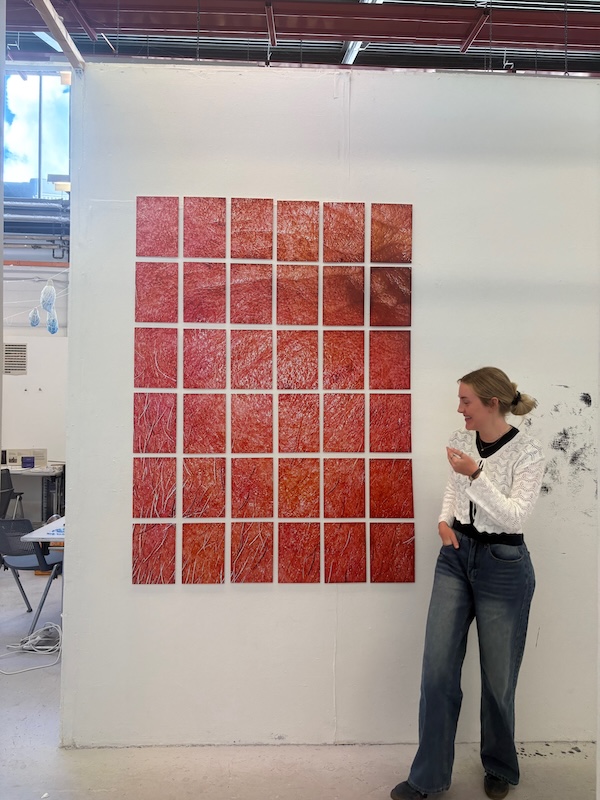
Through enlarged prints and film, I challenge idealised representations of the body, revealing human vulnerability beneath contemporary visual culture. Confronting viewers with texture, ambiguity, and materiality, I unsettle assumptions about beauty, identity, categorisation, and the art of 'looking' itself.
The Human Surface
First inspiration for ‘The Human Surface’
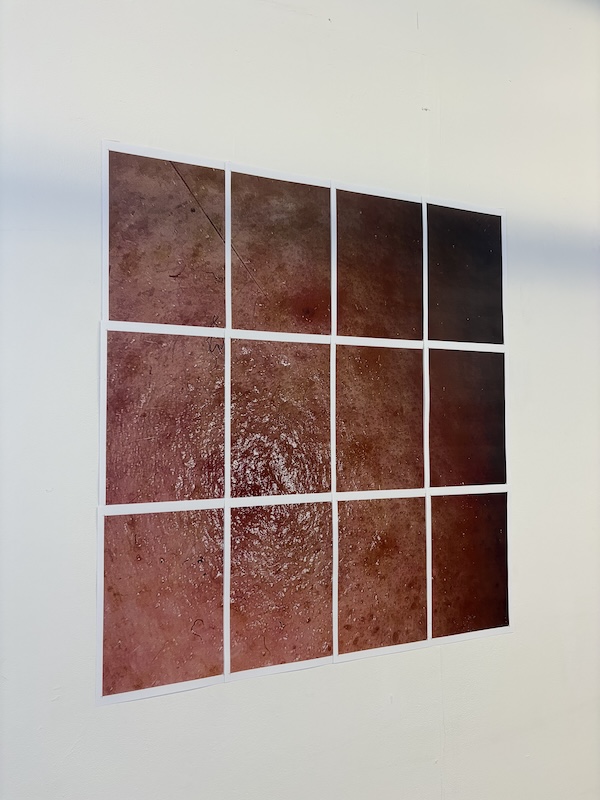
The Human Surface Collection
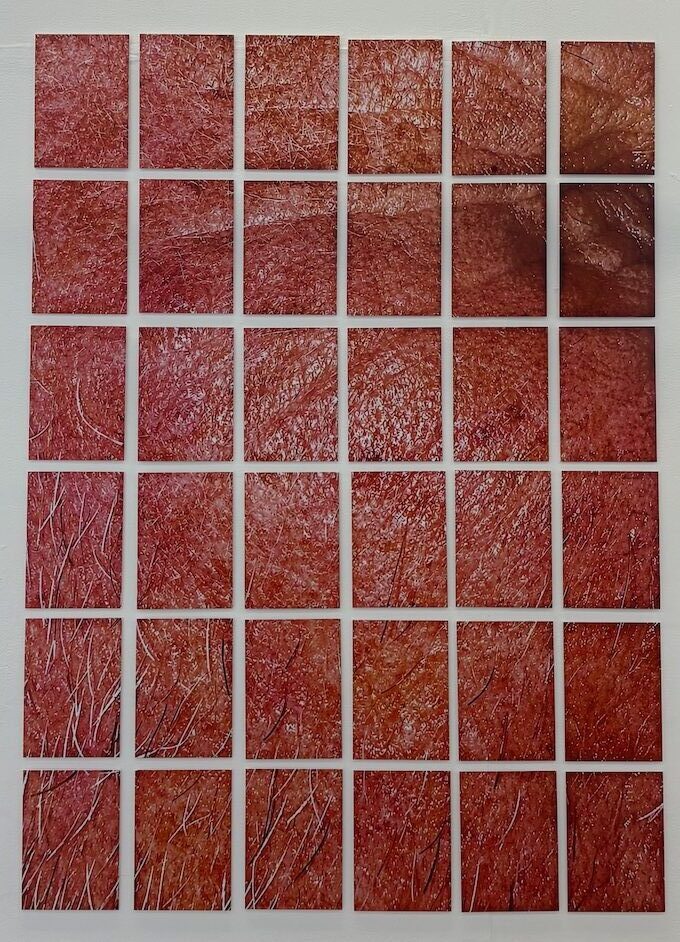
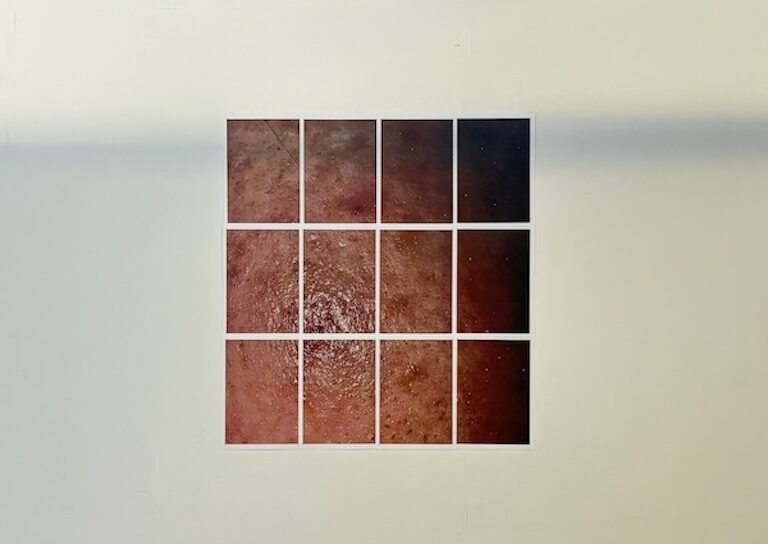
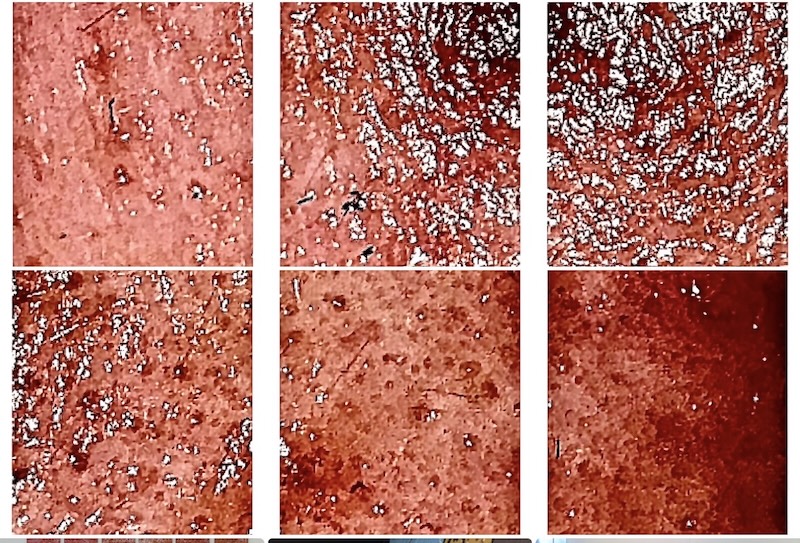
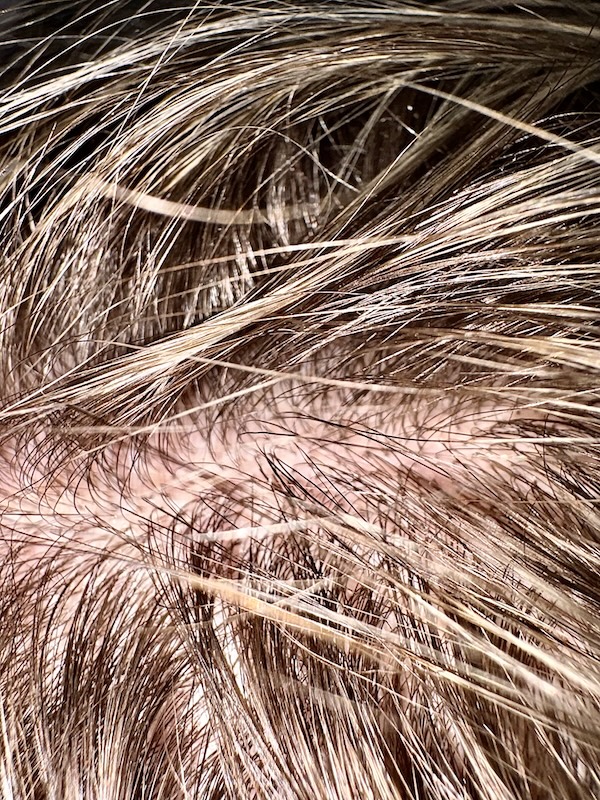
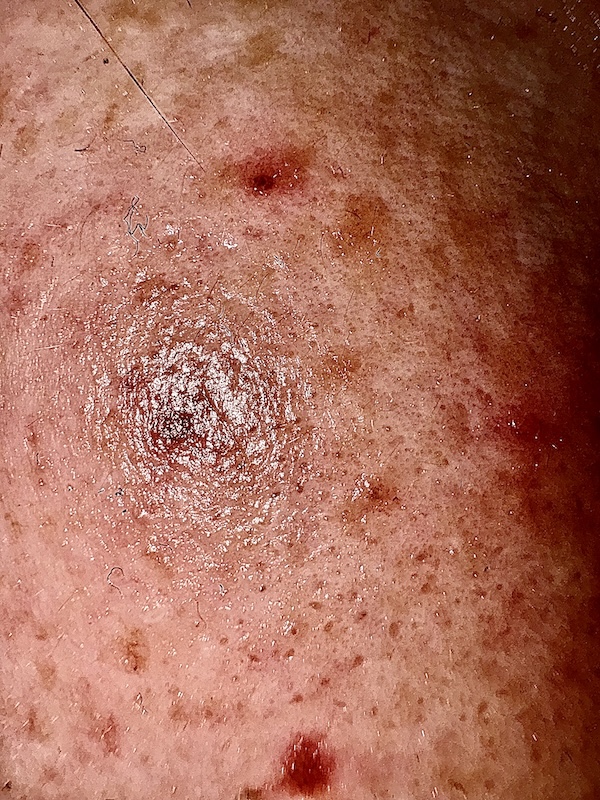
Selection of Big Print 1Selection of Big Print 2Selection of Big Print 3Original image of Print 1Original image of Print 2Original image of Print 3
What my work is about
My work uses enlarged images of the human surface to challenge the unrealistic ideals and assumptions embedded within contemporary visual culture. By pushing the body beyond idealisation and into something even grotesque, I reveal a shared human surface that exists beyond age, gender, race, or identity — textured, vulnerable, and undeniably human.
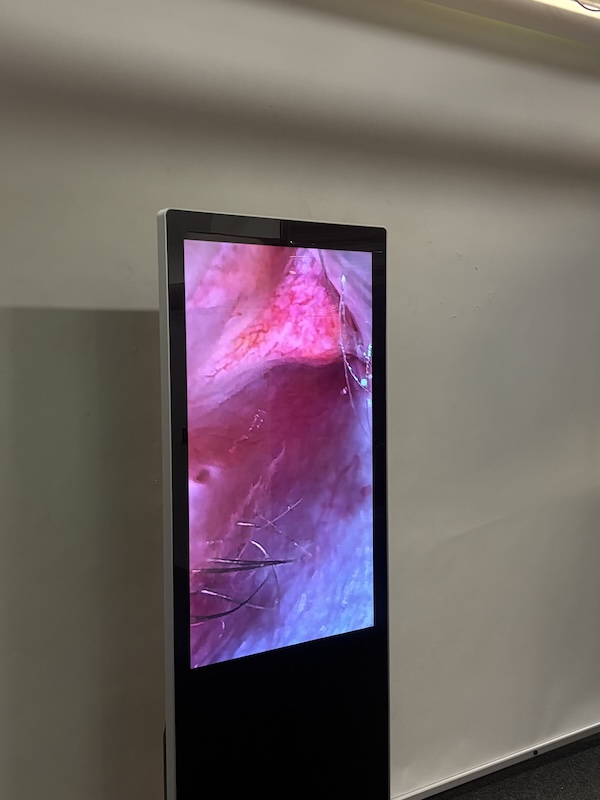
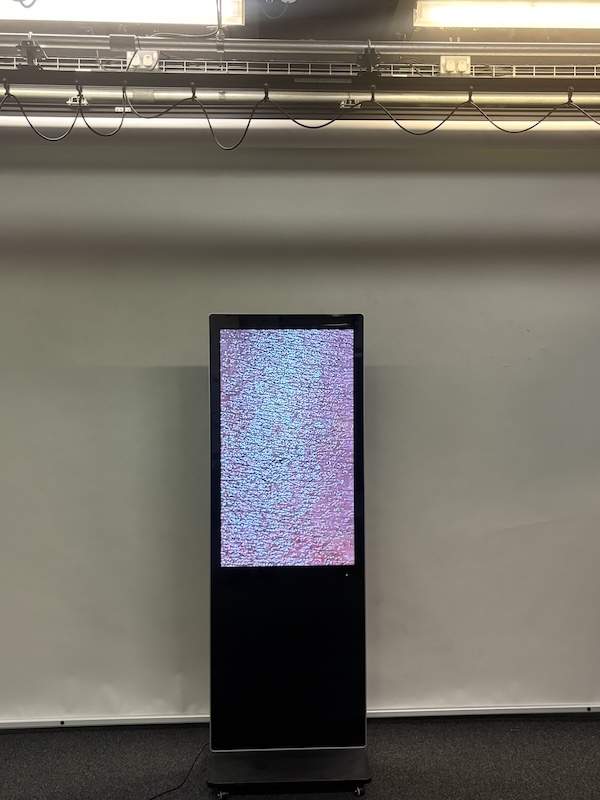
Through large-scale gloss prints, grid structures, and moving image, the work shifts between abstraction and recognition. Viewers are encouraged to question their own perception as unfamiliar surfaces gradually reveal themselves as flesh. Inspired by discomfort, proximity, and the act of looking, the work resists perfection and instead confronts the reality of the body as something universal, imperfect, and deeply material.
Portrait Screen
Creative Process
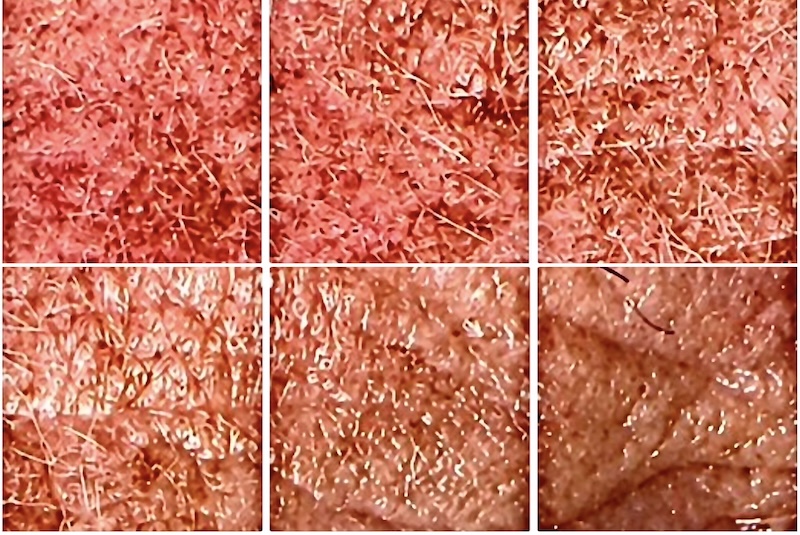
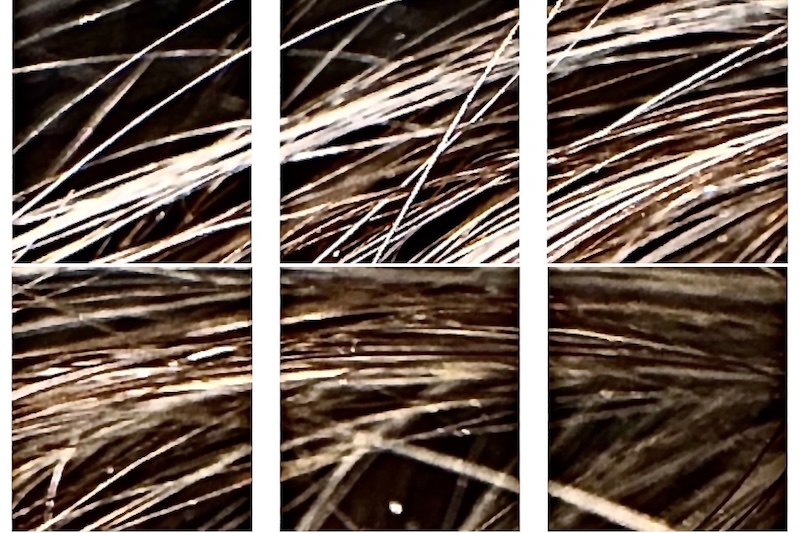
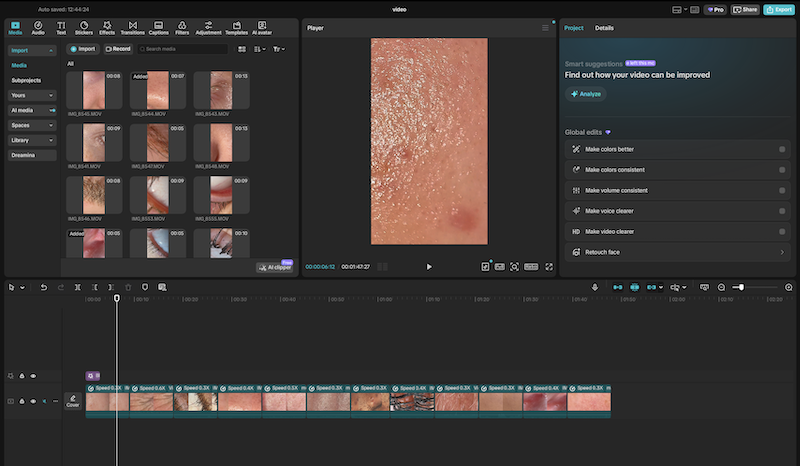
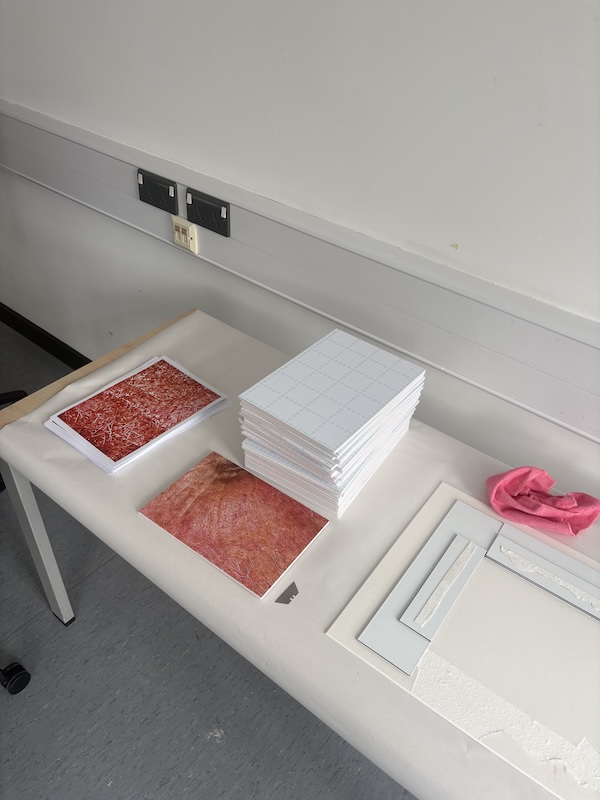
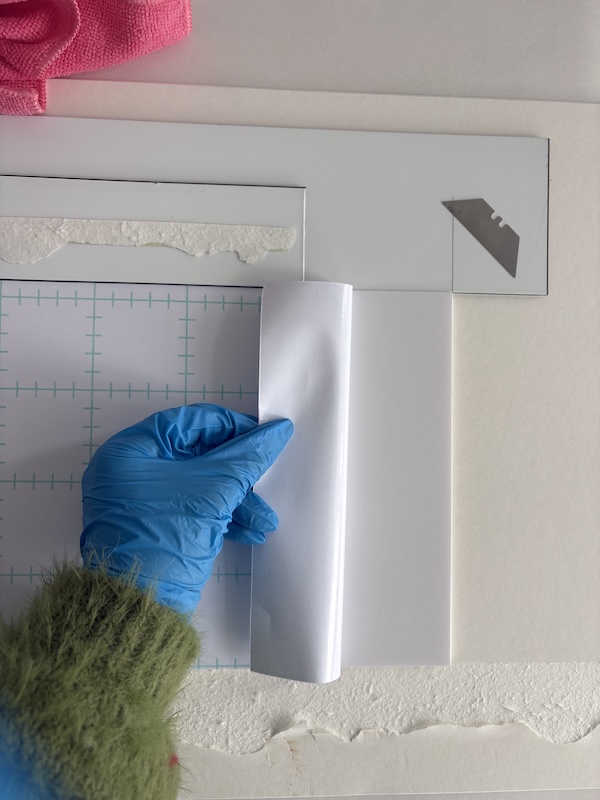
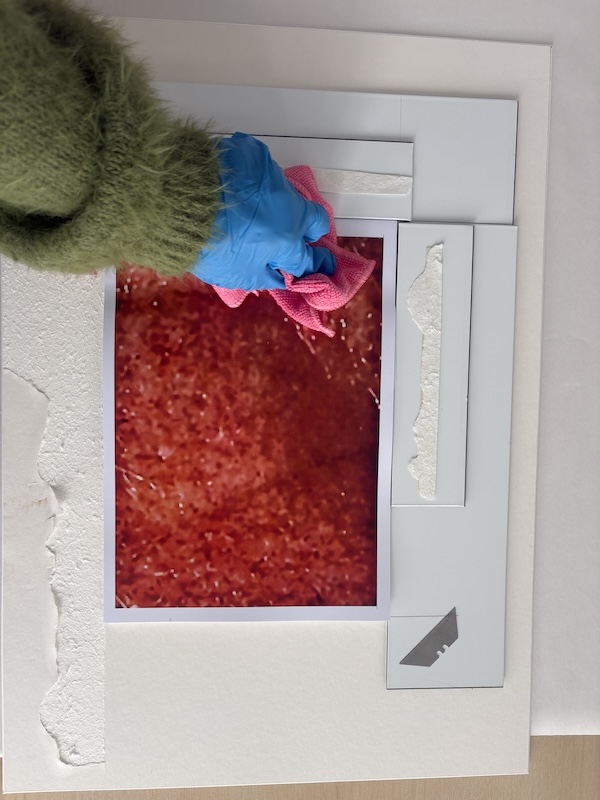
The creative process involved photographing skin in extreme close-up and experimenting with scale, fragmentation, and presentation through gloss prints, grid formations, and looping film. Inspired by billboard imagery and fragmented photographic works, I used repetition, enlargement, and silence to create an unsettling yet intimate viewing experience that shifts between distance and bodily recognition. Without narrative or reassurance, the viewer must rely completely on their own perspective to understand and interpret the work.
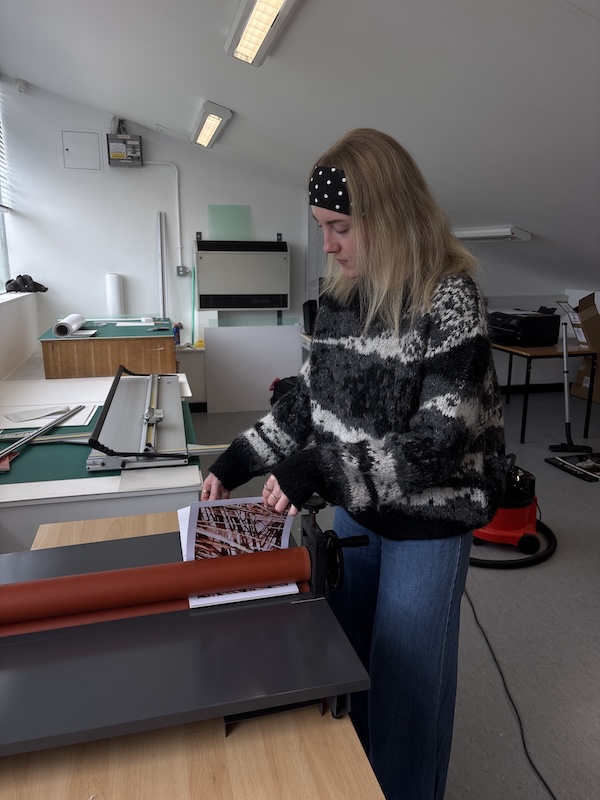
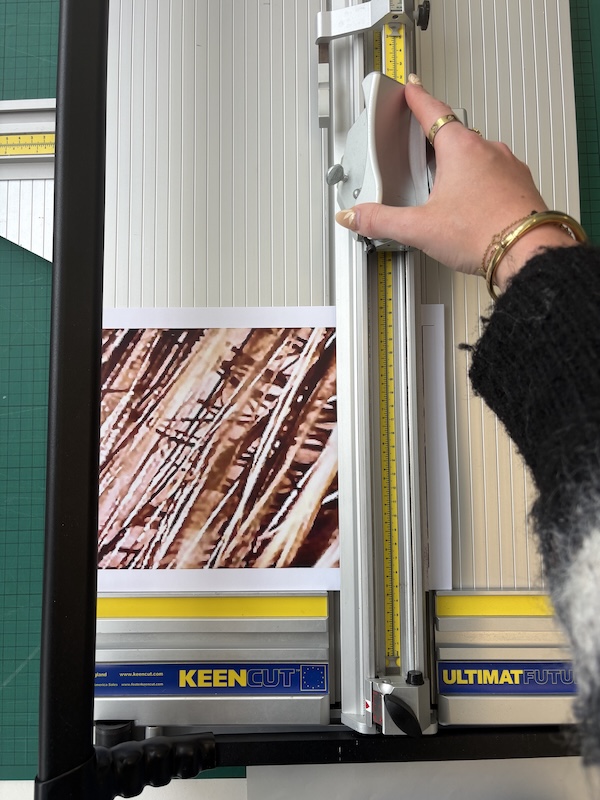
Video in WorkPreparations of PrintsPeeling Foam boardsSticking Prints downRoller for accuracyFinal cutting of PrintsVideo work in ActionExperimentation with other ImagesFirst finalised Print
The act of ‘looking’, both historically and in contemporary culture, has often functioned as a form of power used to examine, categorise, and evaluate the ‘other’. While institutional and cultural structures have shaped this gaze, my work attempts to redefine it through shared human vulnerability and materiality. The ambiguity of the work reflects John Berger’s idea that “the relation between what we see and what we know is never settled.” As Berger writes in Ways of Seeing, “Each evening, we see the sun set. We know the Earth is turning away from it. Yet the knowledge, the explanation, never quite fits the sight” (Berger, p. 7.).