Megan Eccles profile photo
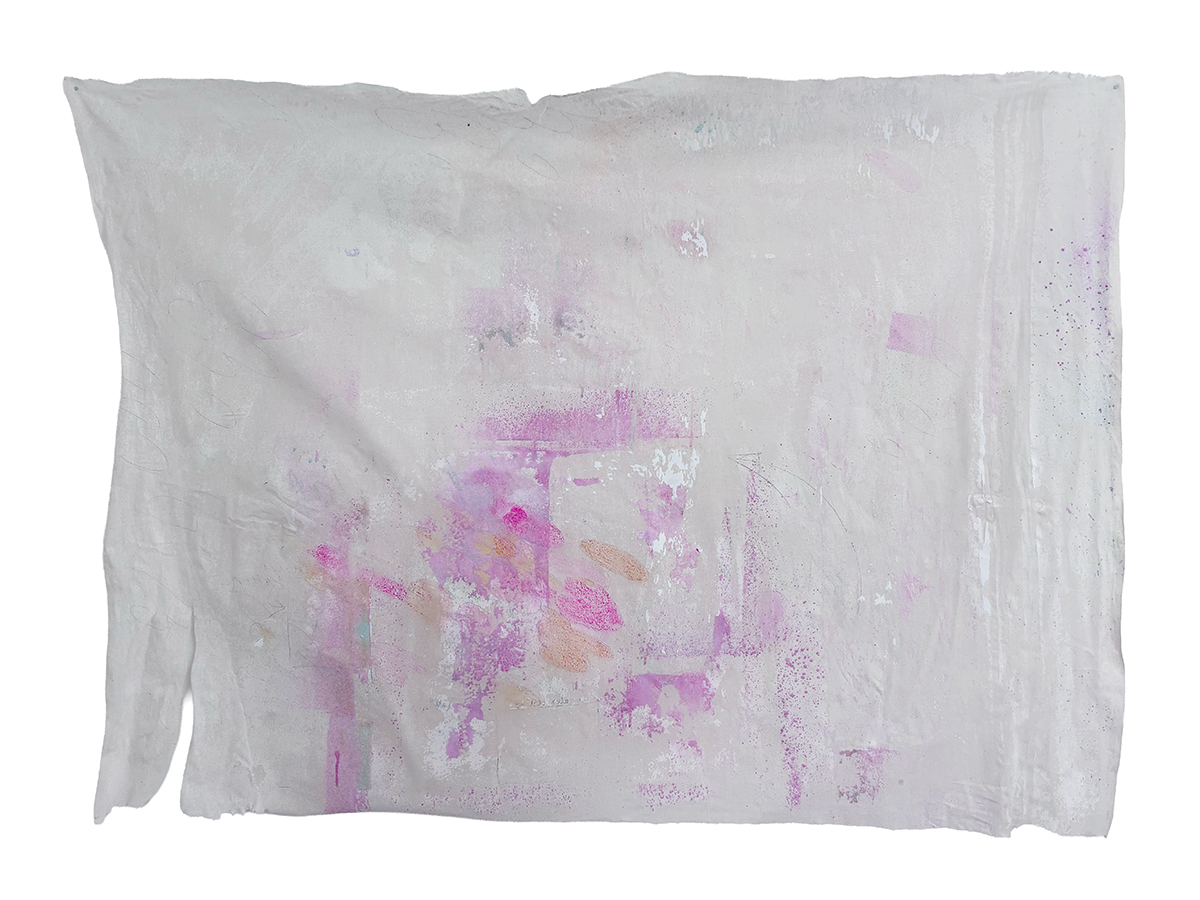
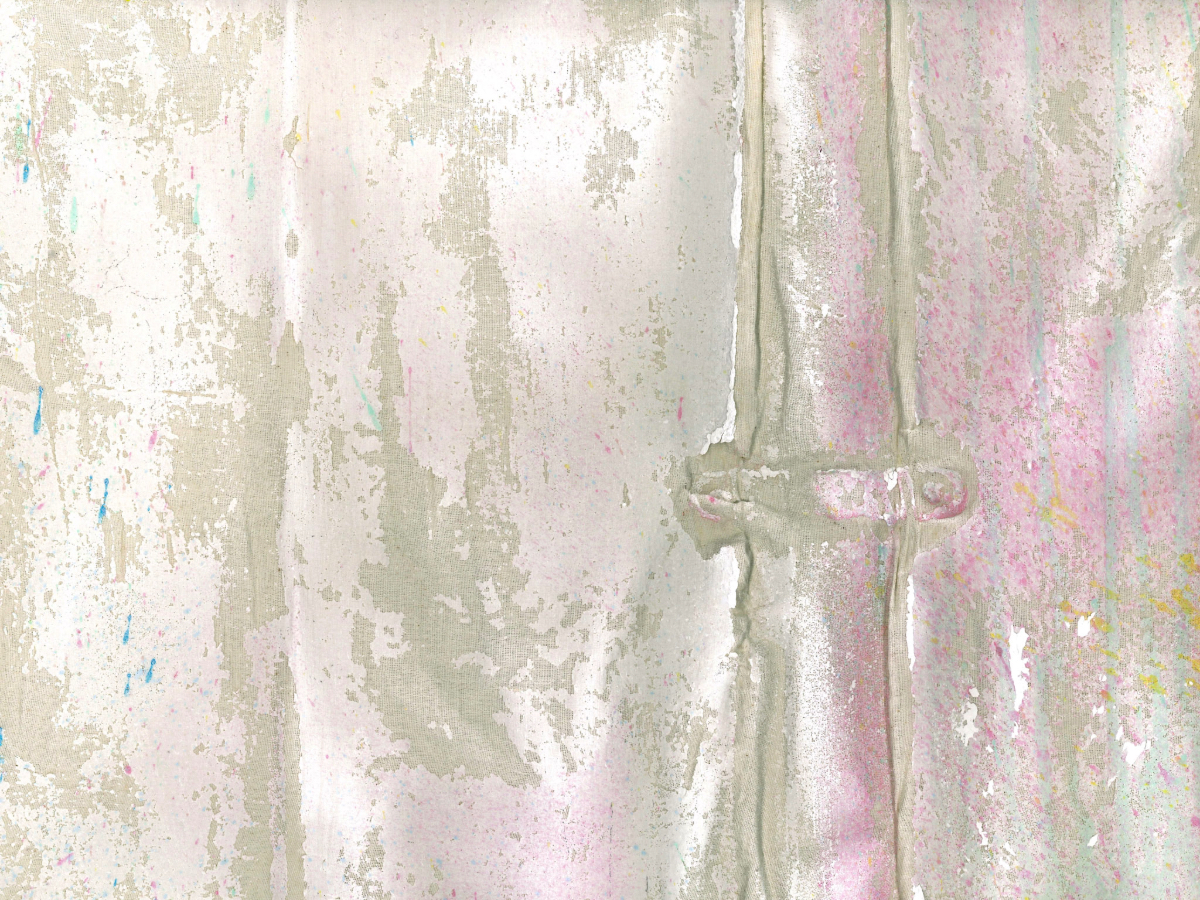
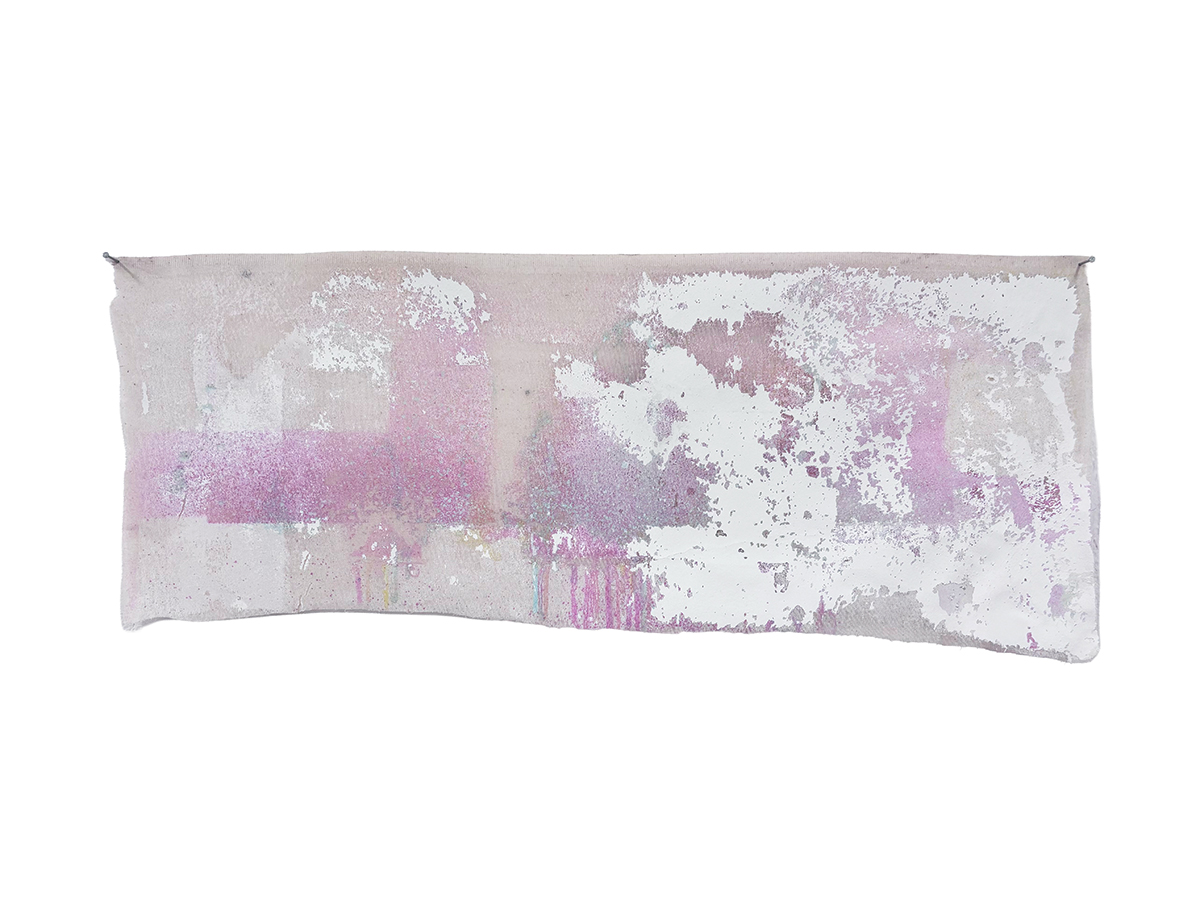
My practice explores liminal conditions through light, surface, and spatial perception. Using translucent textiles and fragile cast surfaces, I create ambiguous paintings that investigate impermanence, instability, and embodied viewing through shifting relationships between space, material, atmosphere, and installation.
“A painting is not a picture of an experience; it is the experience”

– Mark Rothko

In my exploration of liminality, I have been intrigued by instability- not as chaotic disorder, but as a condition of transition. My work attempts to hold fleeting experiences, preserving traces or conditions rather than documenting moments literally. Through gradual tonal shifts, layering, and partially obscured forms, abstraction becomes a way of sustaining perceptual uncertainty and resisting immediate categorisation.

Installation methods further extend these concerns, allowing light, shadow, and spatial relationships to actively shape encounters with the work. Displaced from their original architectural context, the cast surfaces exist between spaces, encouraging attentiveness to tensions between presence and absence, familiarity and estrangement. Rather than documenting a specific site, I am interested in how surfaces retain encounters with light, time, and inhabitation, with meaning unfolding gradually through movement, proximity, and changing conditions.


Process:

Using translucent cotton and muslin, I create fragile cast surfaces that convey a sense of impermanence and instability through their responsiveness to light, gravity, and surrounding space. Many works emerge through direct contact with my studio walls, where accumulated traces of time and gesture are transferred into the material. There is an archaeological quality to this process, as fragments of one space are displaced and reintroduced elsewhere. Material unpredictability is embraced as an essential part of the work, allowing the surfaces to remain delicate, contingent, and unresolved.