I’m Lucas May, a designer passionate about combining sport and design to create meaningful products. My work focuses on improving wellbeing, performance and user experience through thoughtful, functional and engaging product solutions.
HydraBand. Revolutionising endurance safety
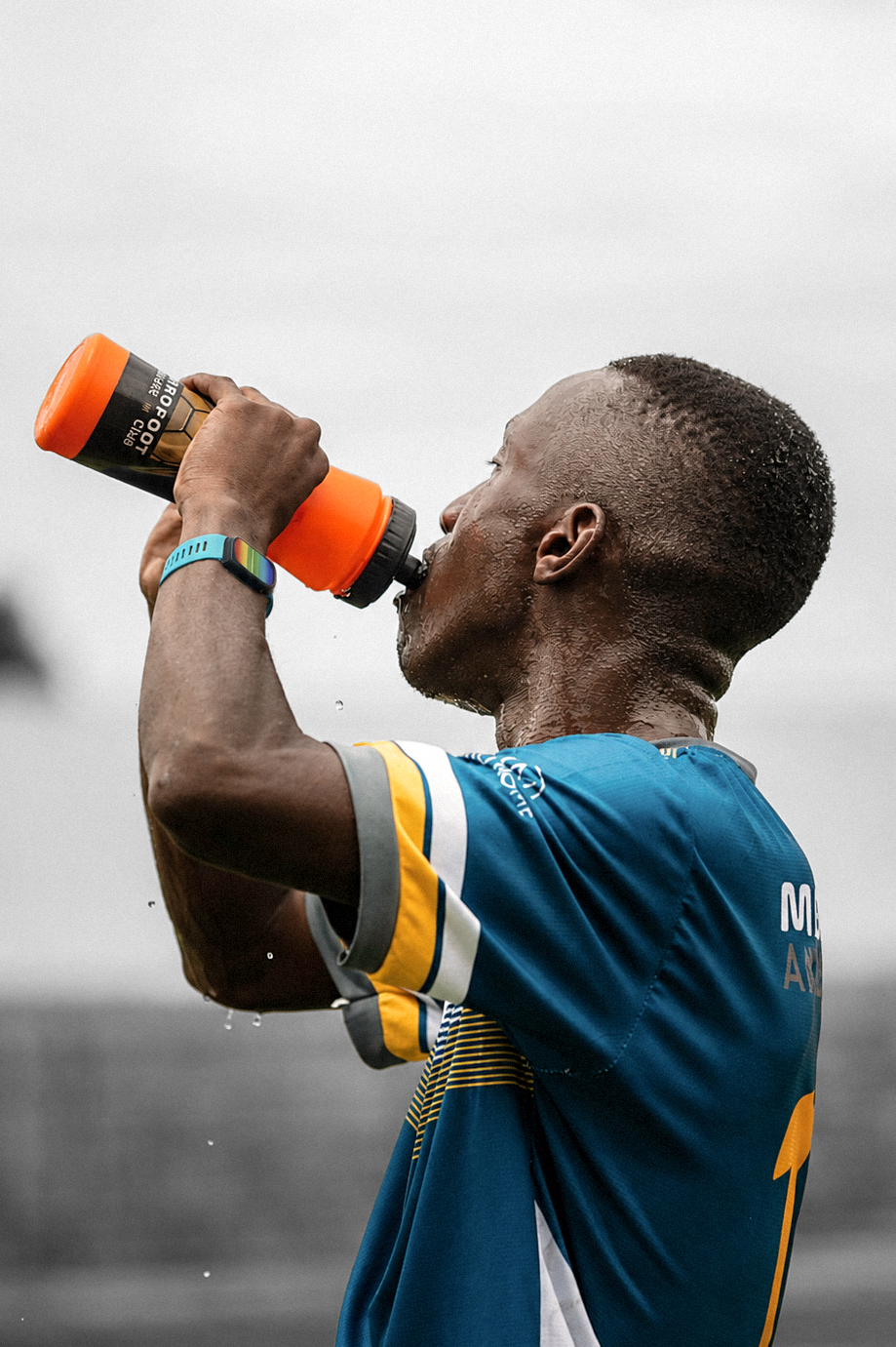
HydraBand upgrades the race-day experience by giving endurance athletes clear, real-time hydration feedback through a familiar event system, helping them make safer and more confident decisions when it matters most.
HydraBand’s belief is that athletes should not have to rely on guesswork for such an important physiological factor during an event when they already have so much to think about. Hydration can directly affect performance, and more importantly athlete safety.
How does it work?
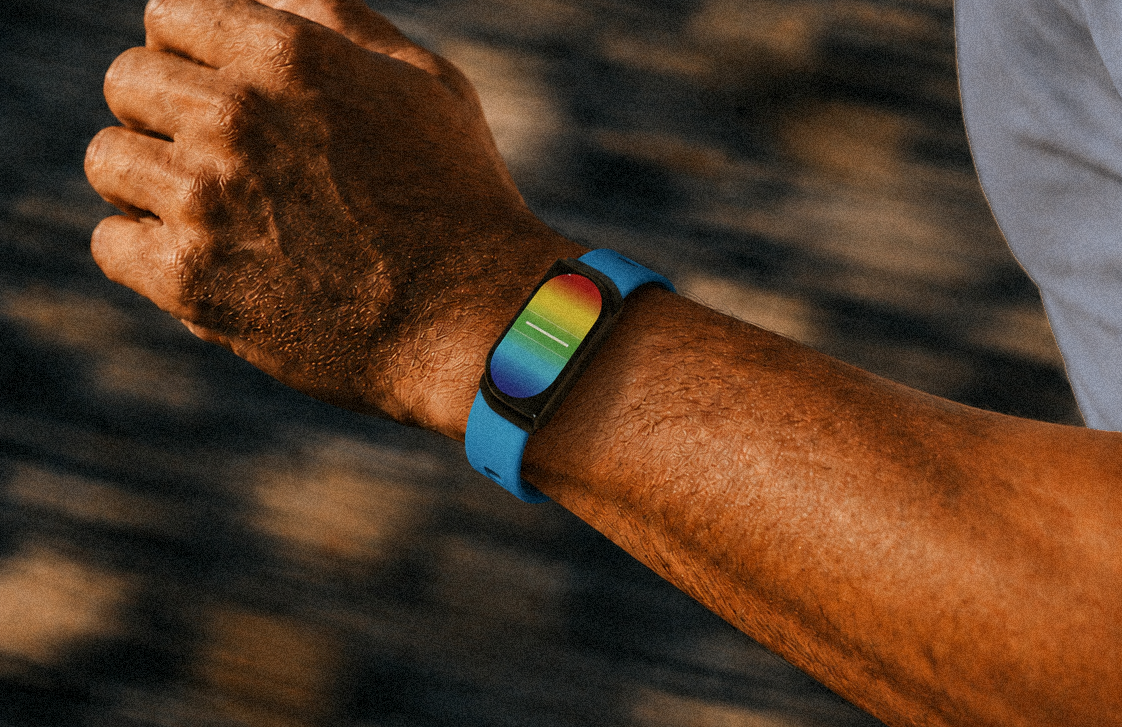
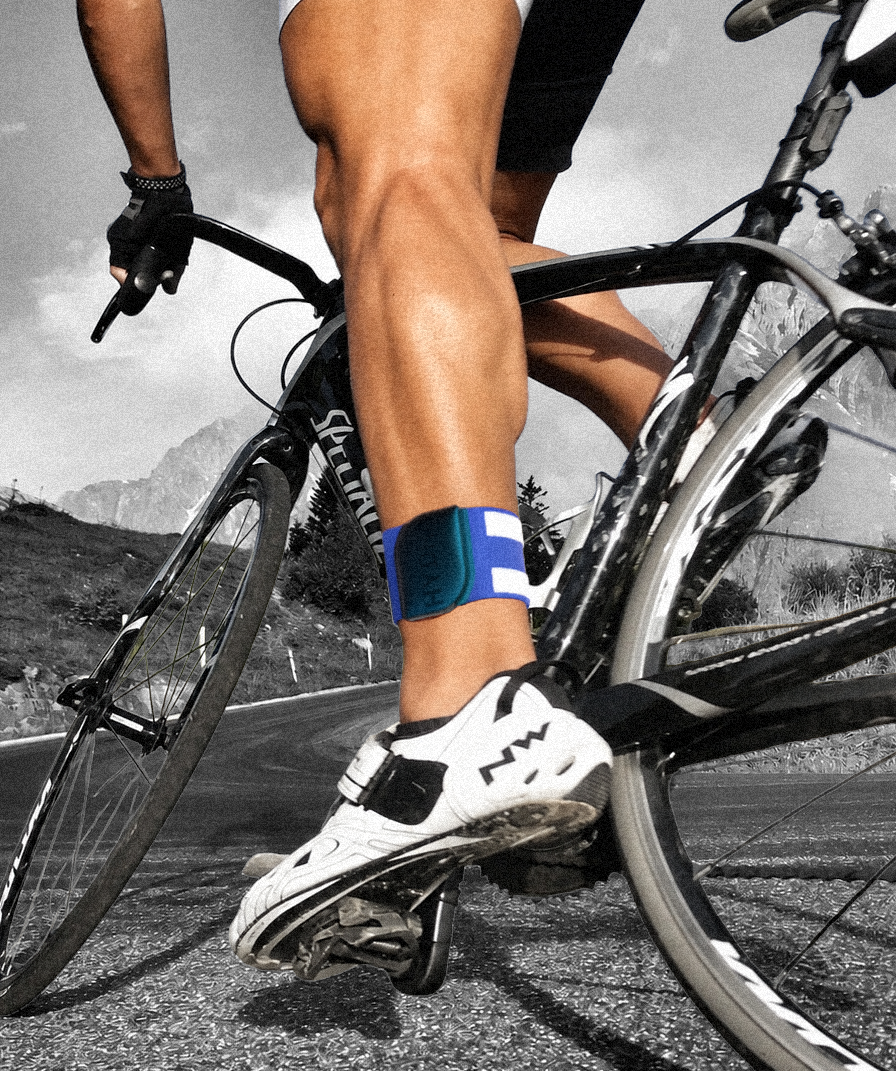
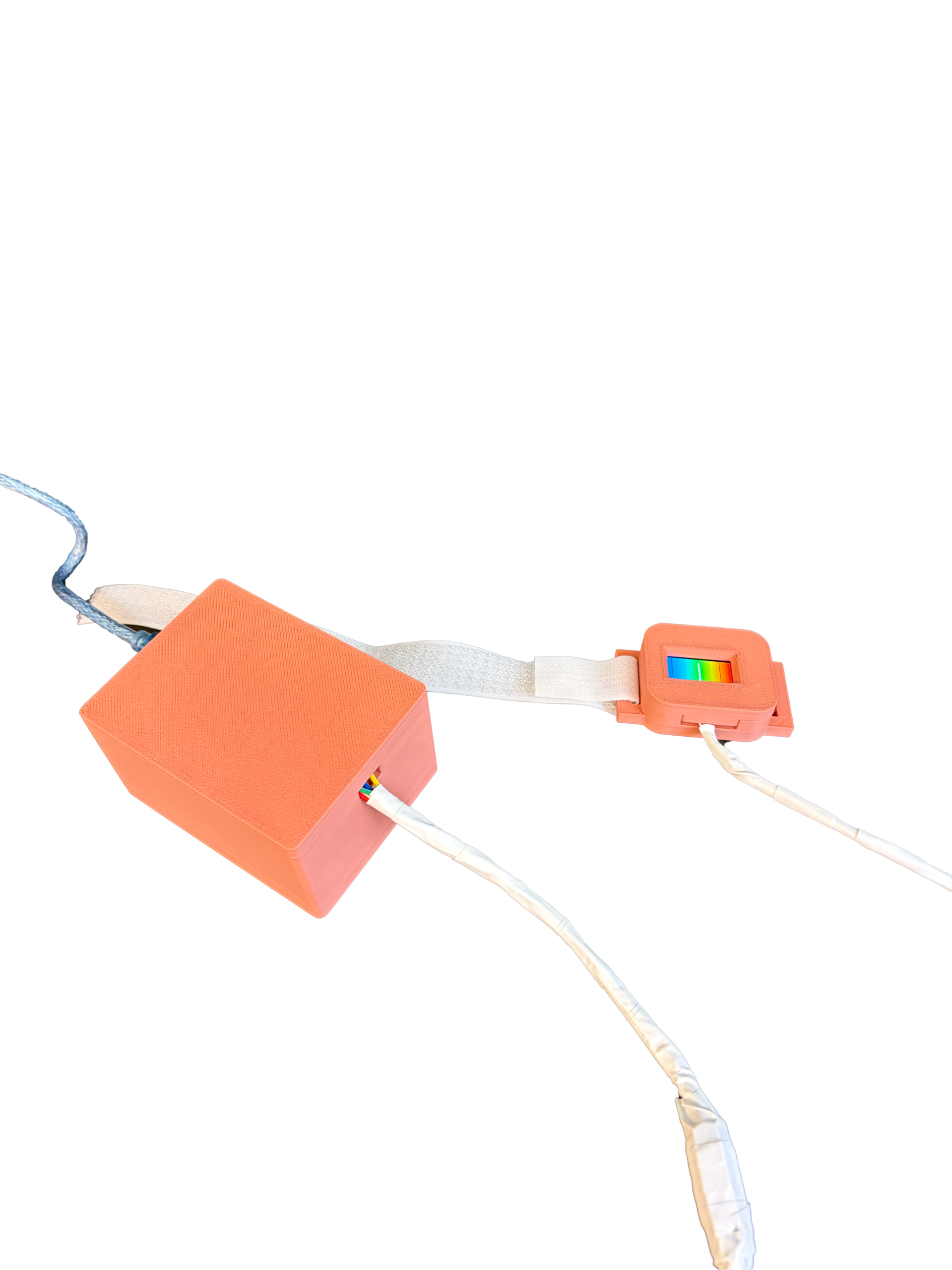
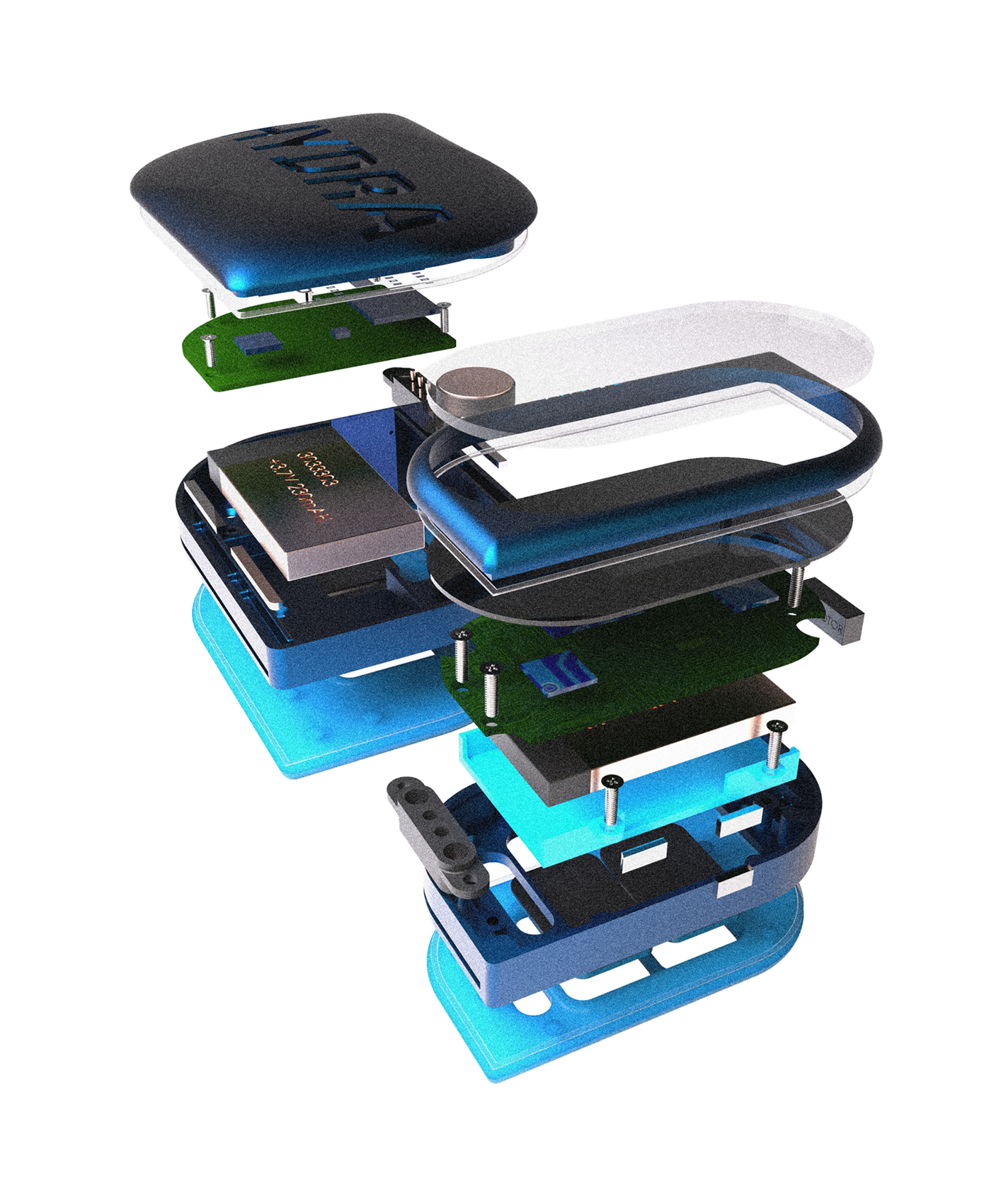
The wrist and ankle modules are both worn during exercise. Through consistent skin contact, the ankle module creates an excitation signal which the wrist module receives and interprets. This is called bioimpedance, and allows the two modules to monitor hydration-related changes in real time, which are displayed clearly on the wrist module interface.
What’s the problem?
Endurance athletes often make hydration decisions during races based on habit, feel, or visible symptoms. However, hydration can be difficult to judge while the body is under sustained physical stress. Athletes may not realise they are becoming dehydrated or overhydrated until discomfort, dizziness, cramping or fatigue begin to affect performance and safety.
How does it solve the problem?
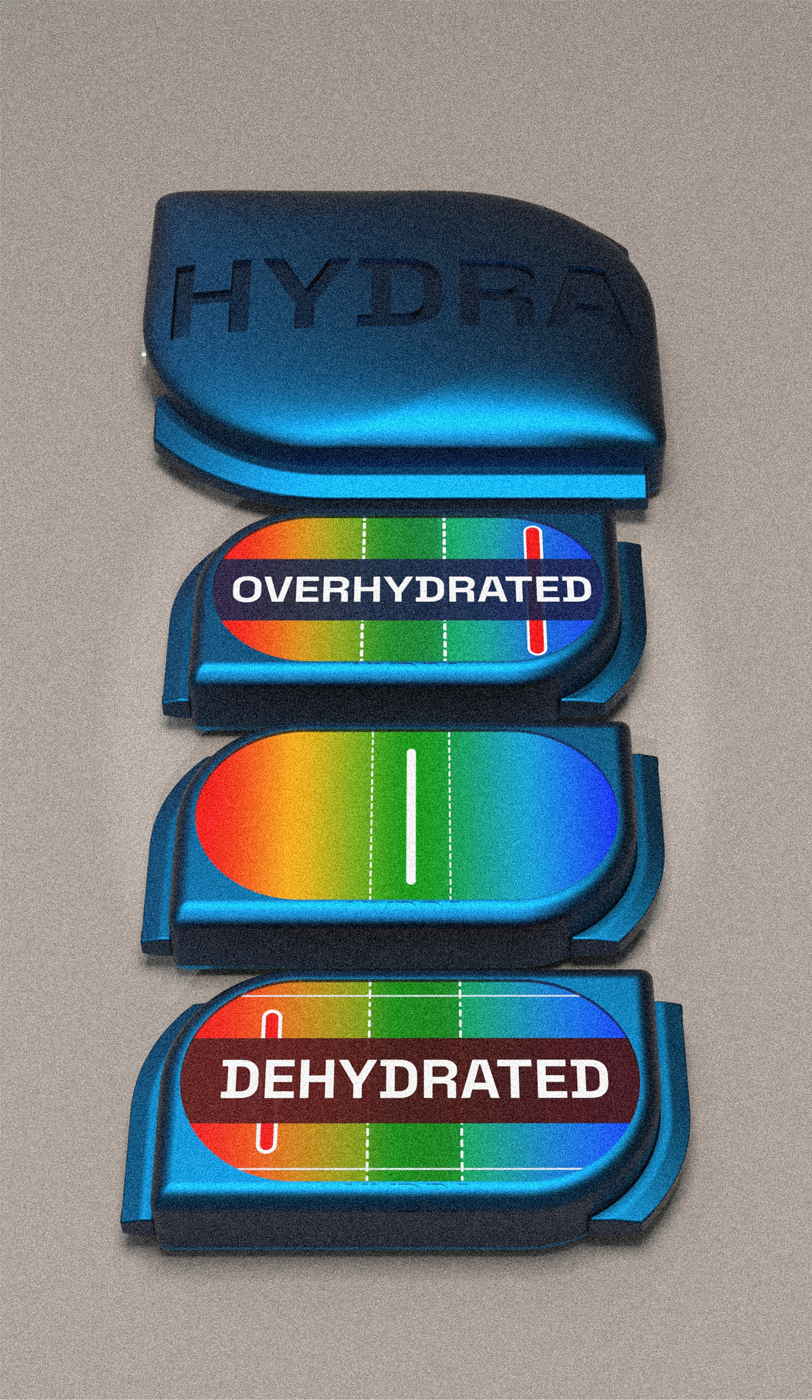
HydraBand solves this by turning hydration uncertainty into simple, real-time feedback. Instead of asking athletes to judge their condition from symptoms, the wrist interface clearly shows whether they are dehydrated, hydrated or overhydrated.
The central marker shows the user’s current position on the hydration scale, while warning states use flashing text and vibration alerts to prompt action. This means athletes can respond to their hydration needs earlier and without stopping, checking an app or interpreting complex data during the race.
How do I get one?
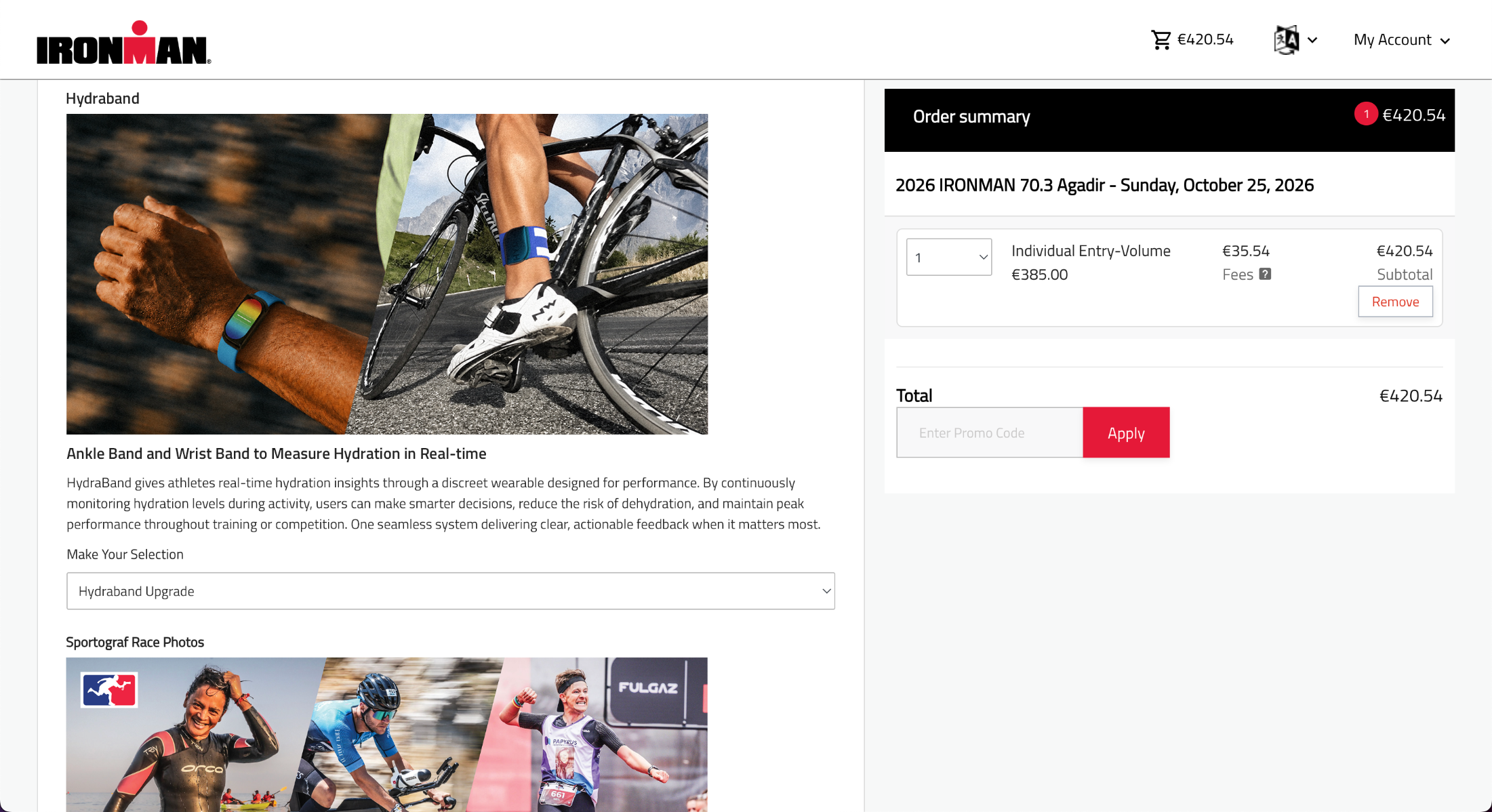
User opts-in to the HydraBand upgrade package.
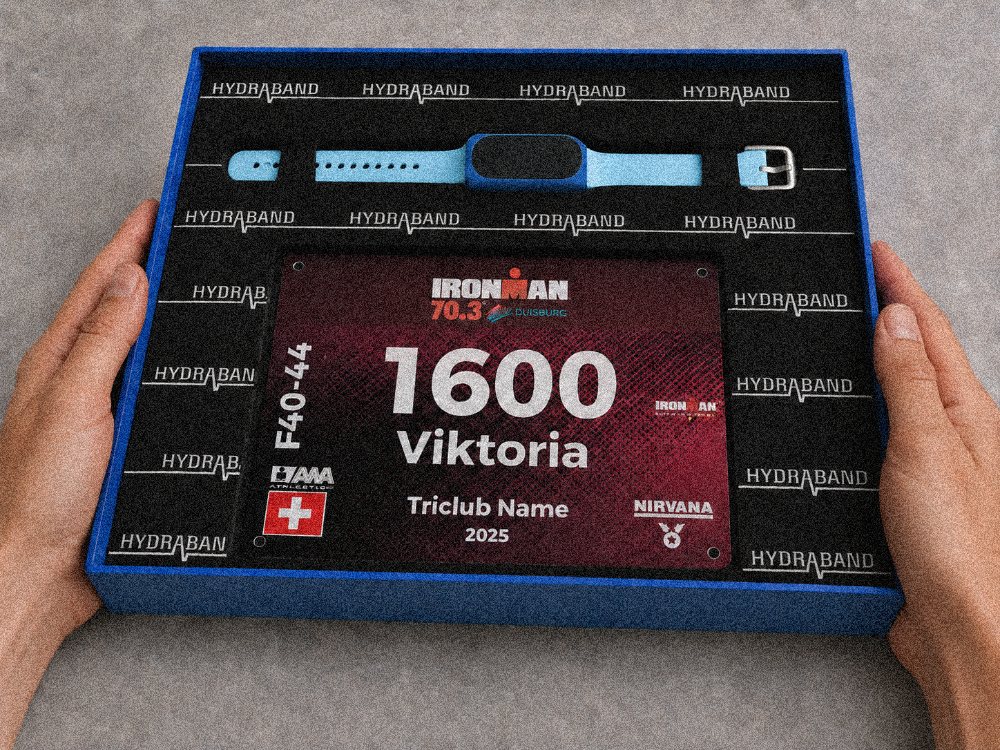
User receives upgraded race-pack with wrist module before race day.
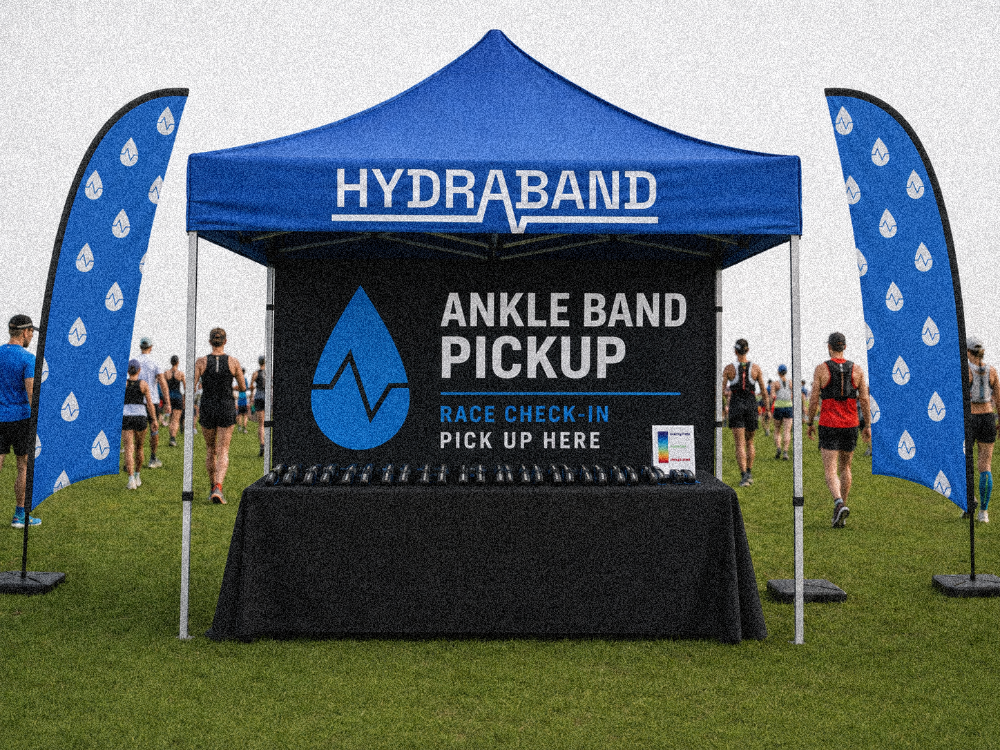
User picks up ankle module from designated HydraBand tent.
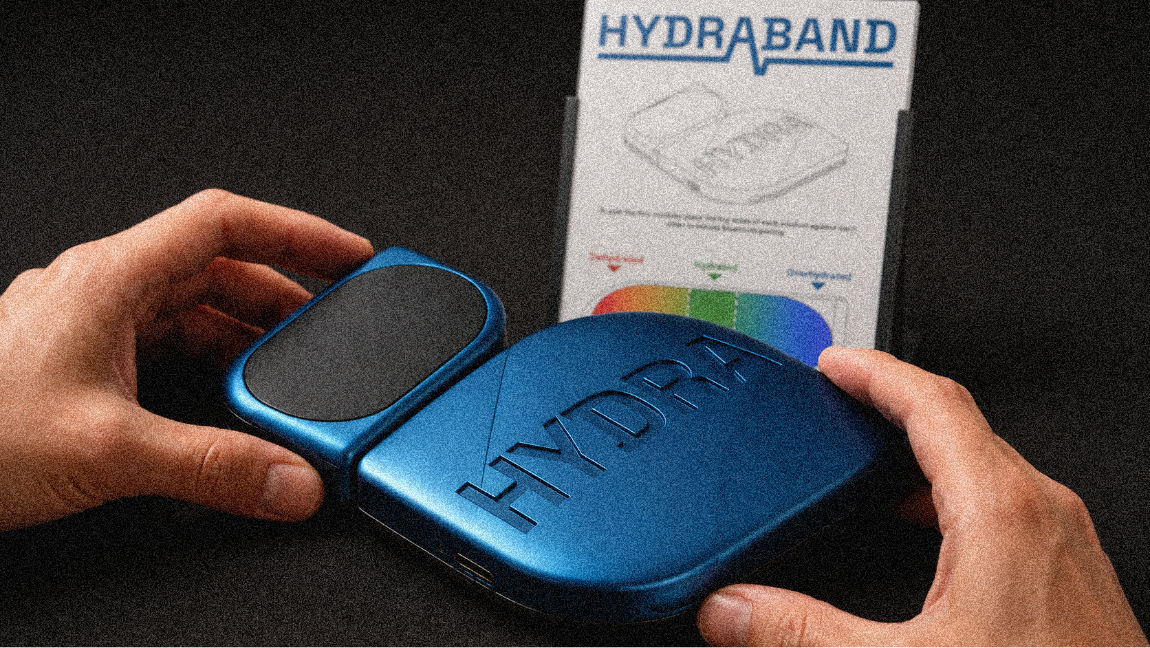
User pairs modules using simple contact point automatic pairing.
User follows guidance given by the band during the race.
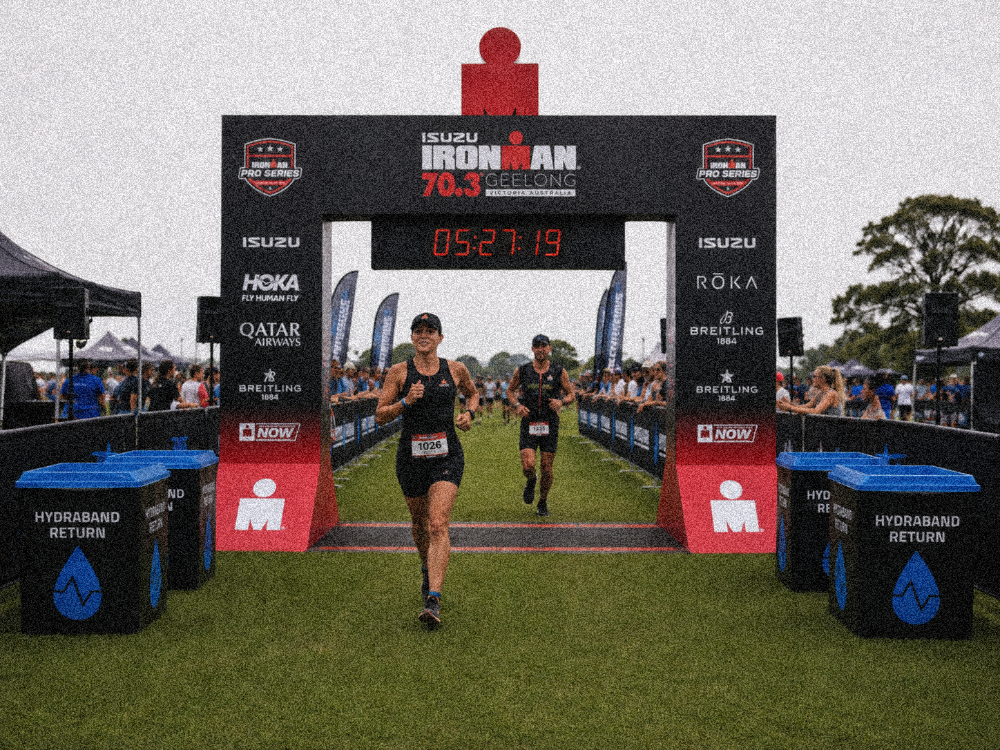
User returns HydraBand to staff or designated return buckets.
Designed by athletes, for athletes
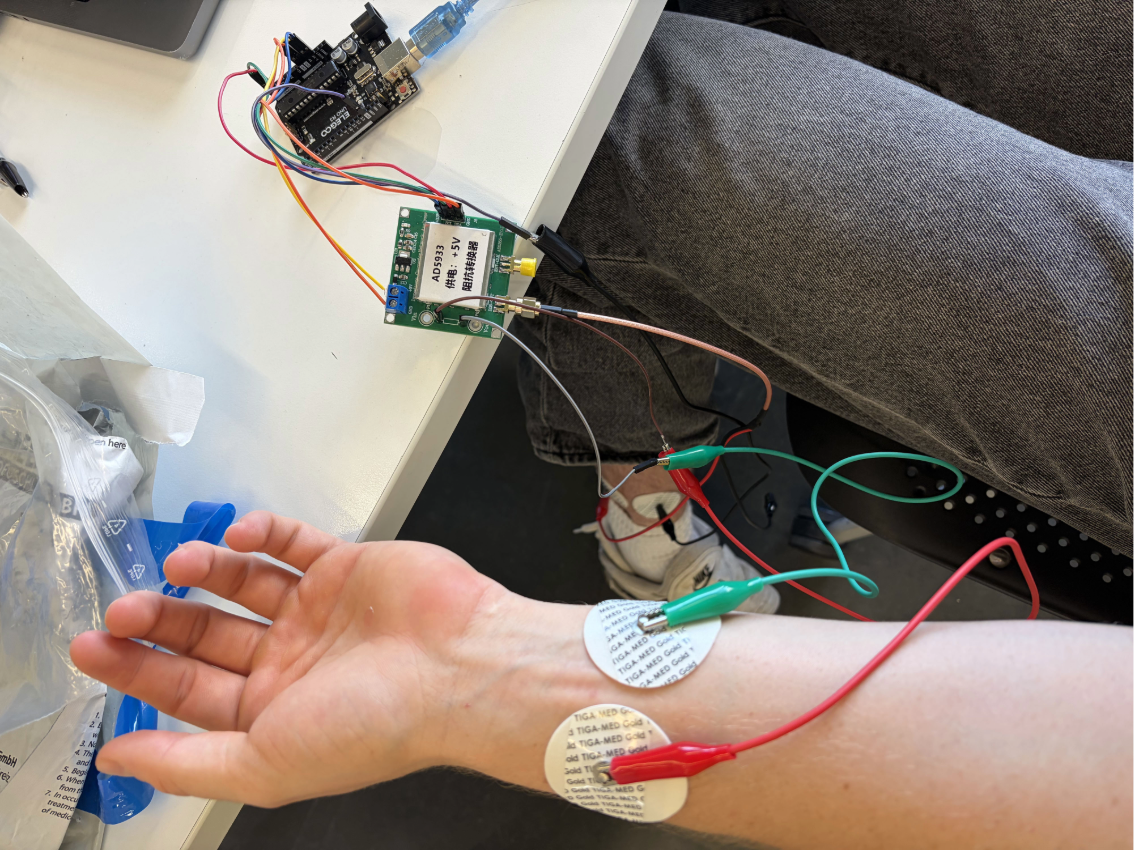
HydraBand was developed through physical and functional prototyping to test how the product would behave during exercise. Interface concepts were tested with users while moving, helping refine the display into simple guidance that could be understood quickly during activity. A separate bioimpedance prototype was also used to test signal acquisition across static, cycling and running conditions, supporting the products feasibility.
Prototype used to display variations of the feedback interface in real-time.
Athlete testing interface while running
Athlete testing interface while cycling
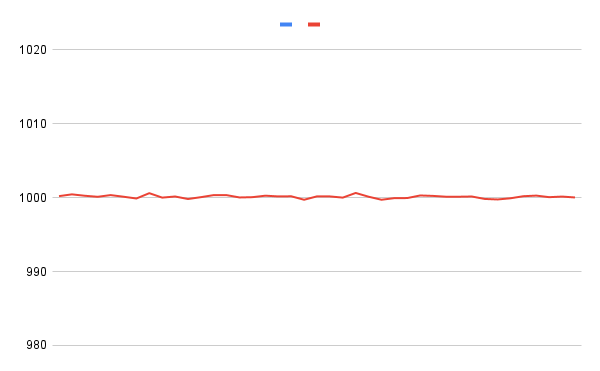
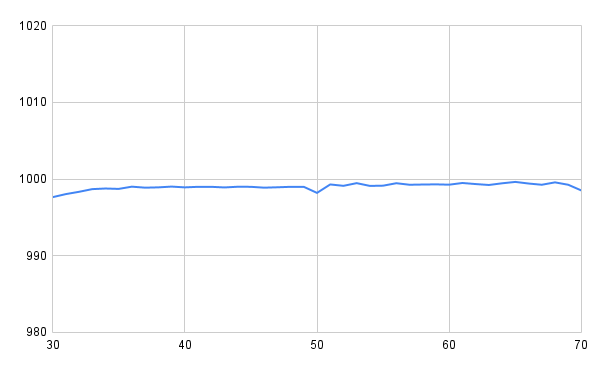
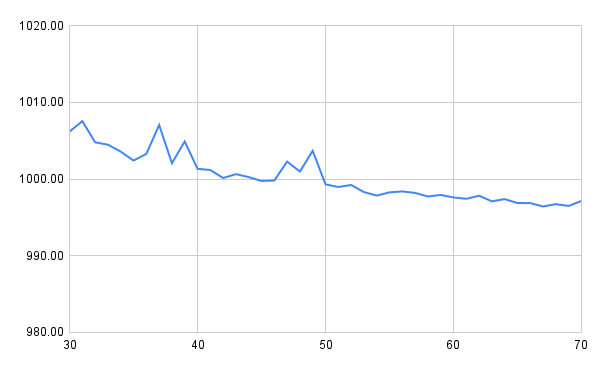
A functional bioimpedance prototype was developed to test whether a consistent signal could be collected from the body during exercise.
Static test – Stable baseline
Cycling test – Remained stable throughout
Running test – More variation, but signal remained within a readable range
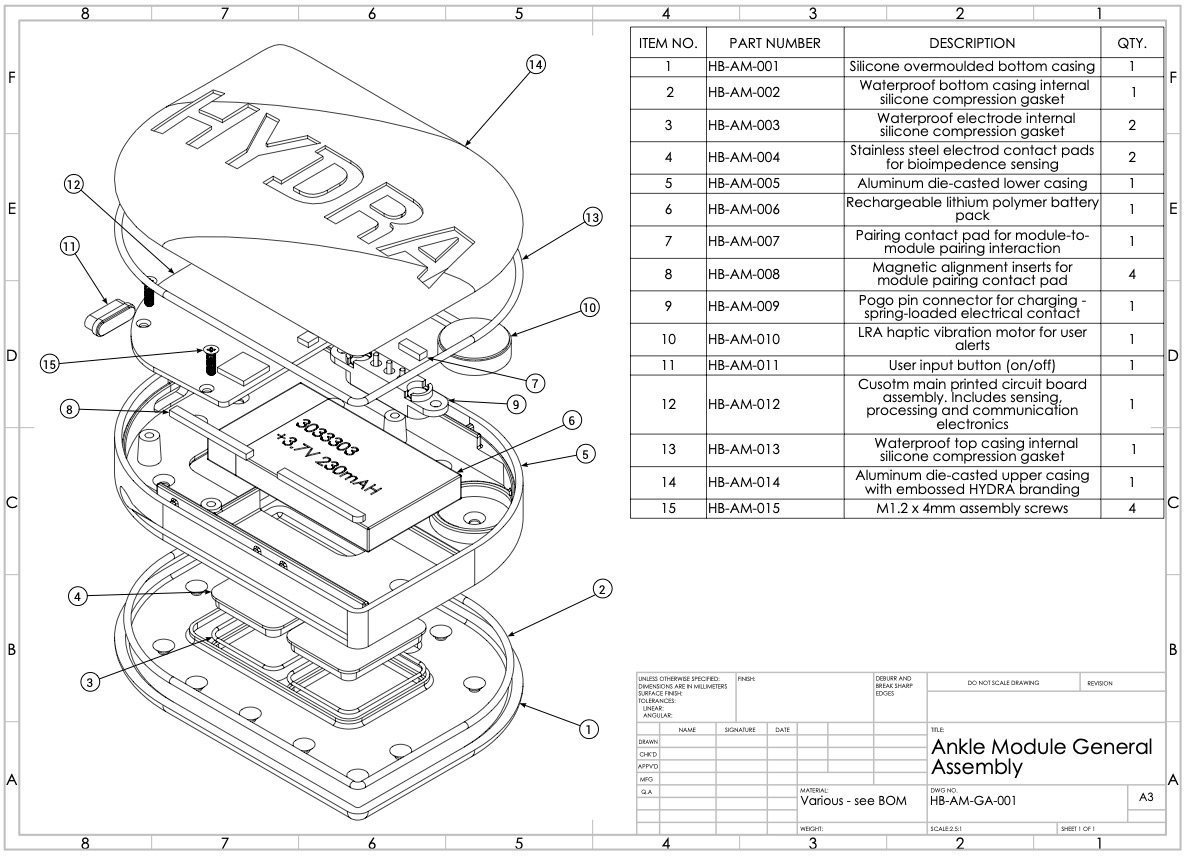
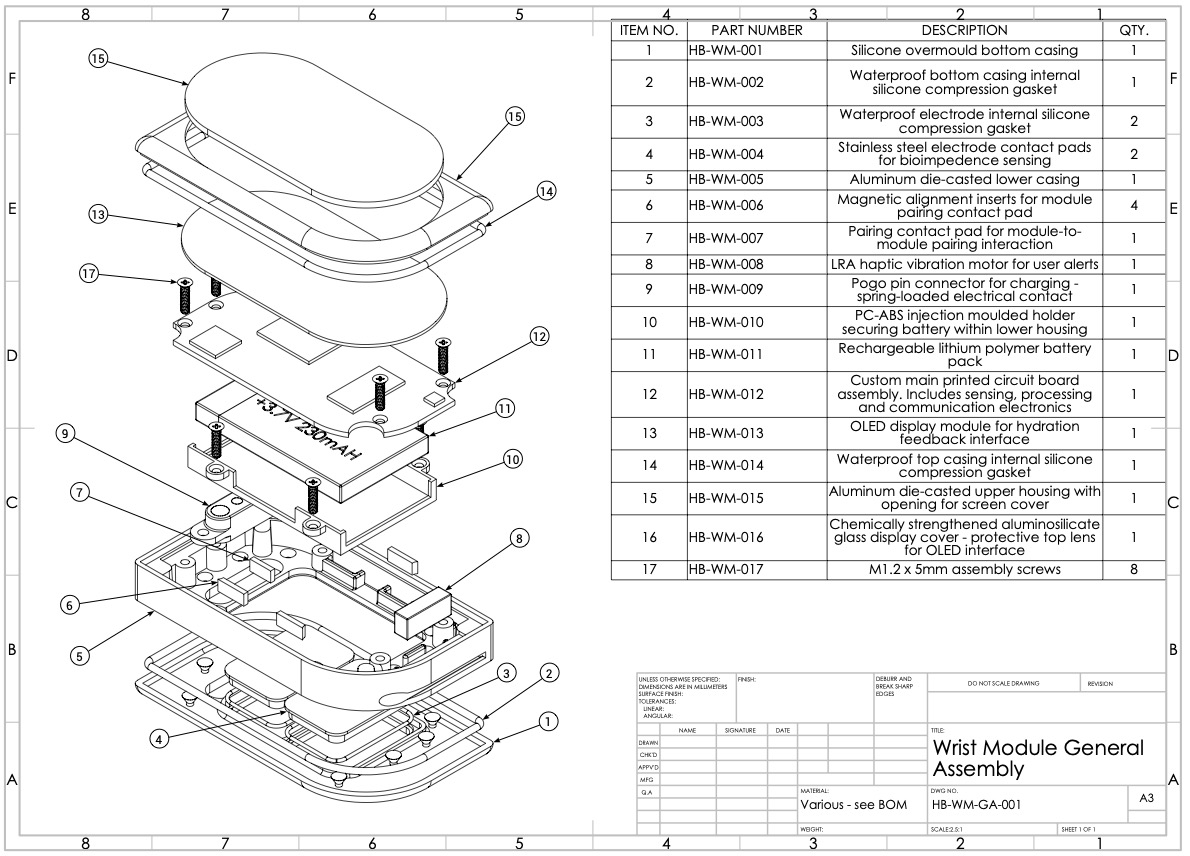
DFM
Thank you for reading. Please feel free to get in touch with any questions or to discuss the project further.