
Jessica Moorfoot
She/Her


My practice explores repression, waste, and consumer culture through testing materiality. I transform discarded materials into unsettling encounters that destabilise familiarity.
She/Her
‘… something which is familar and old-established in the mind and which has become alienated from it only through the process of repression.’
— Sigmund Freud
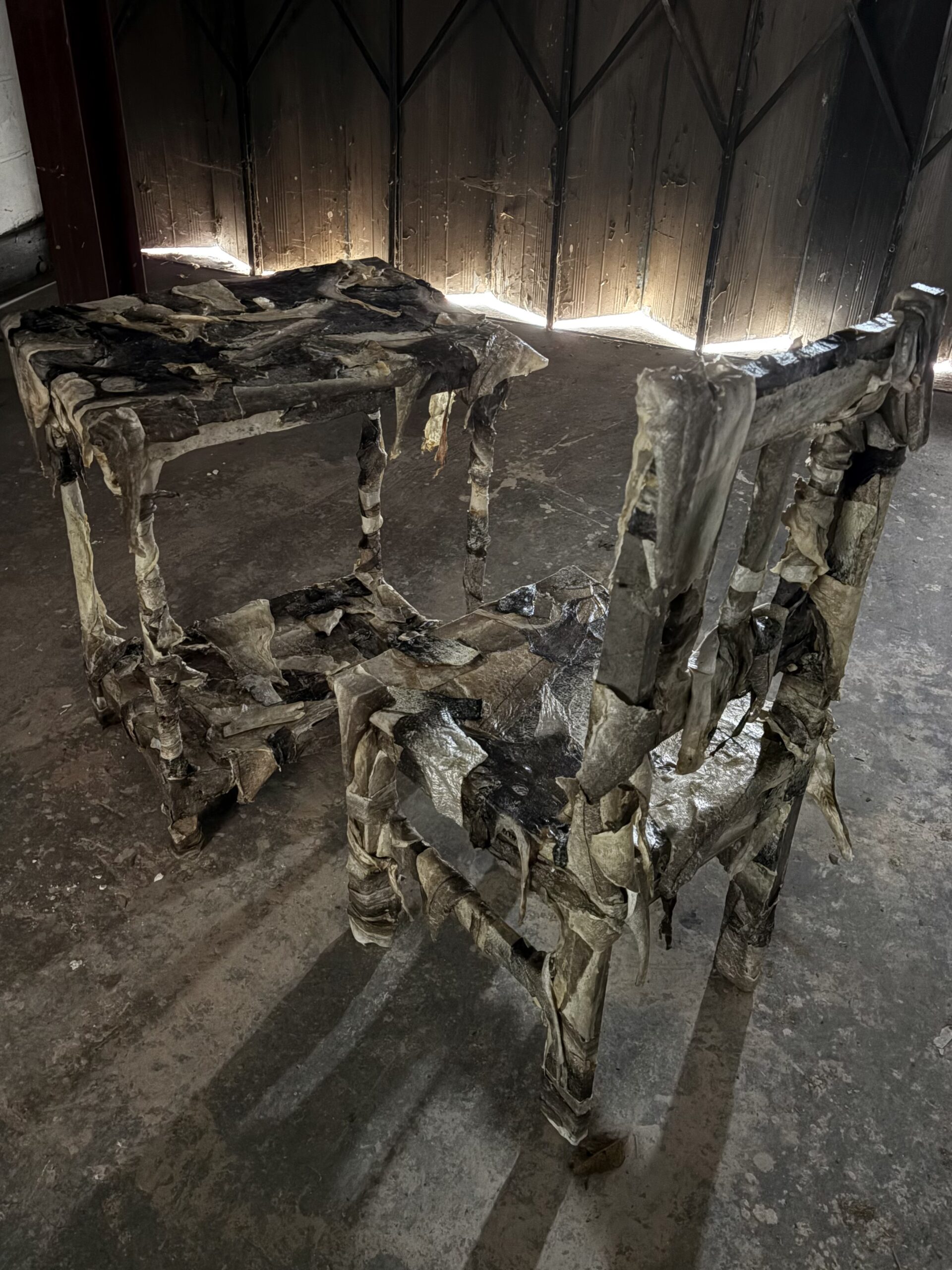
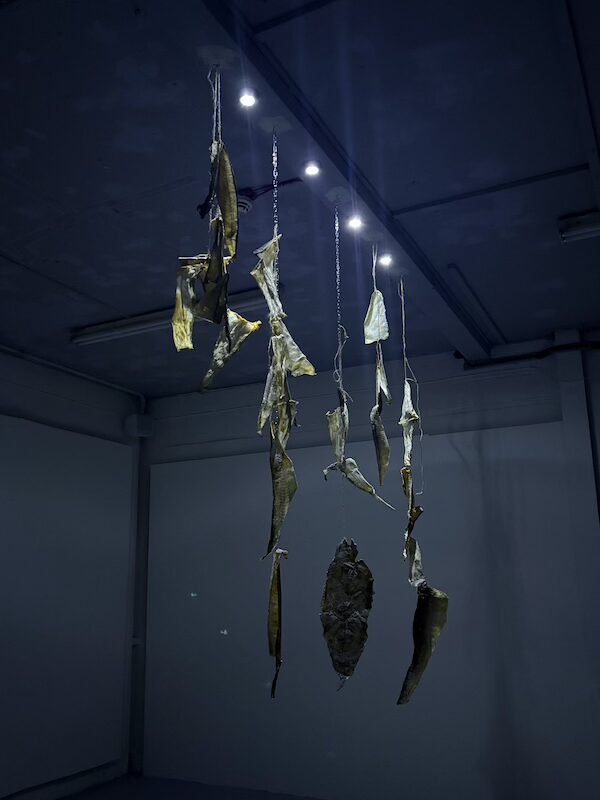
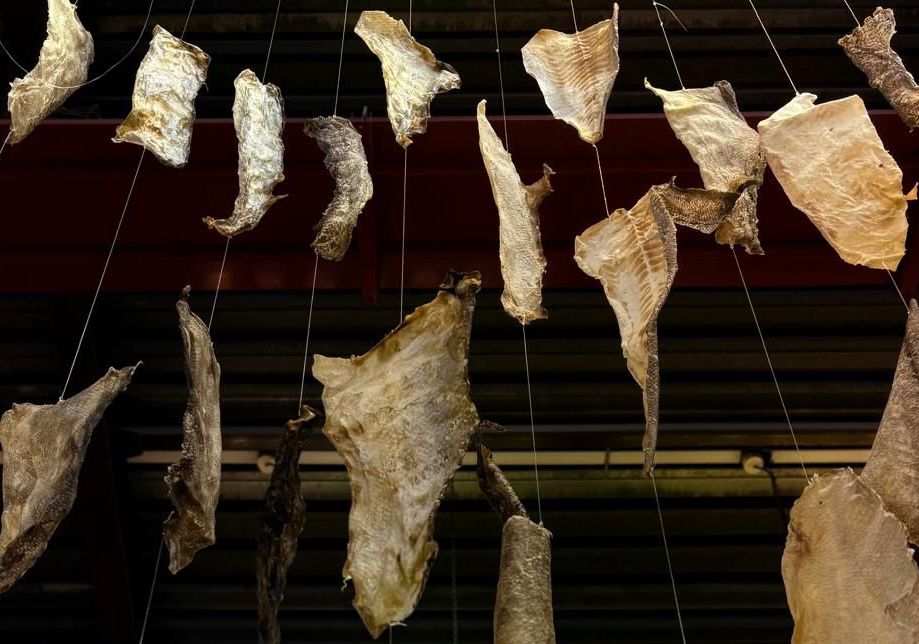
My Degree Show explores the construction of an uncanny environment, composed, in part, of solid, man-made objects. Fish skins envelop these objects and their surroundings. I consider deliberate ignorance – how societal functions depend on the repression or disavowal of material origins, waste, and consumption to maintain an illusion of normality. By challenging the functionality of objects, I interrupt the logic of a human space, transforming recognisable forms into artefacts where organic material collides with industrial permanence.
Suspended strands of fish skin form a curtain that the viewer must pass through to access the space beyond. This threshold creates an immediate sensory and psychological interruption. The act of entry becomes bodily and uncertain, a moment of skin-on-skin contact that is intimate and uncomfortable. The fish skin, once inseparable from a living body, is repurposed and displaced; its physical presence remains while the being it once protected is absent. The ambiguity of the space produces a sense of contaminated sacredness, as though the viewer has entered a vacated private domain, with no indication as to whether its occupant will return. Material origin is not immediately identifiable, producing a moment of delayed recognition that intensifies the tension between attraction and repulsion.
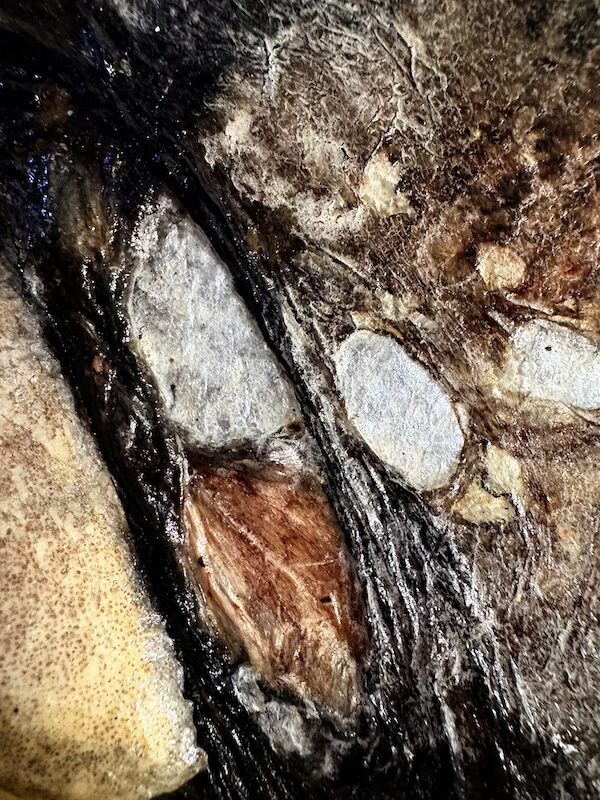
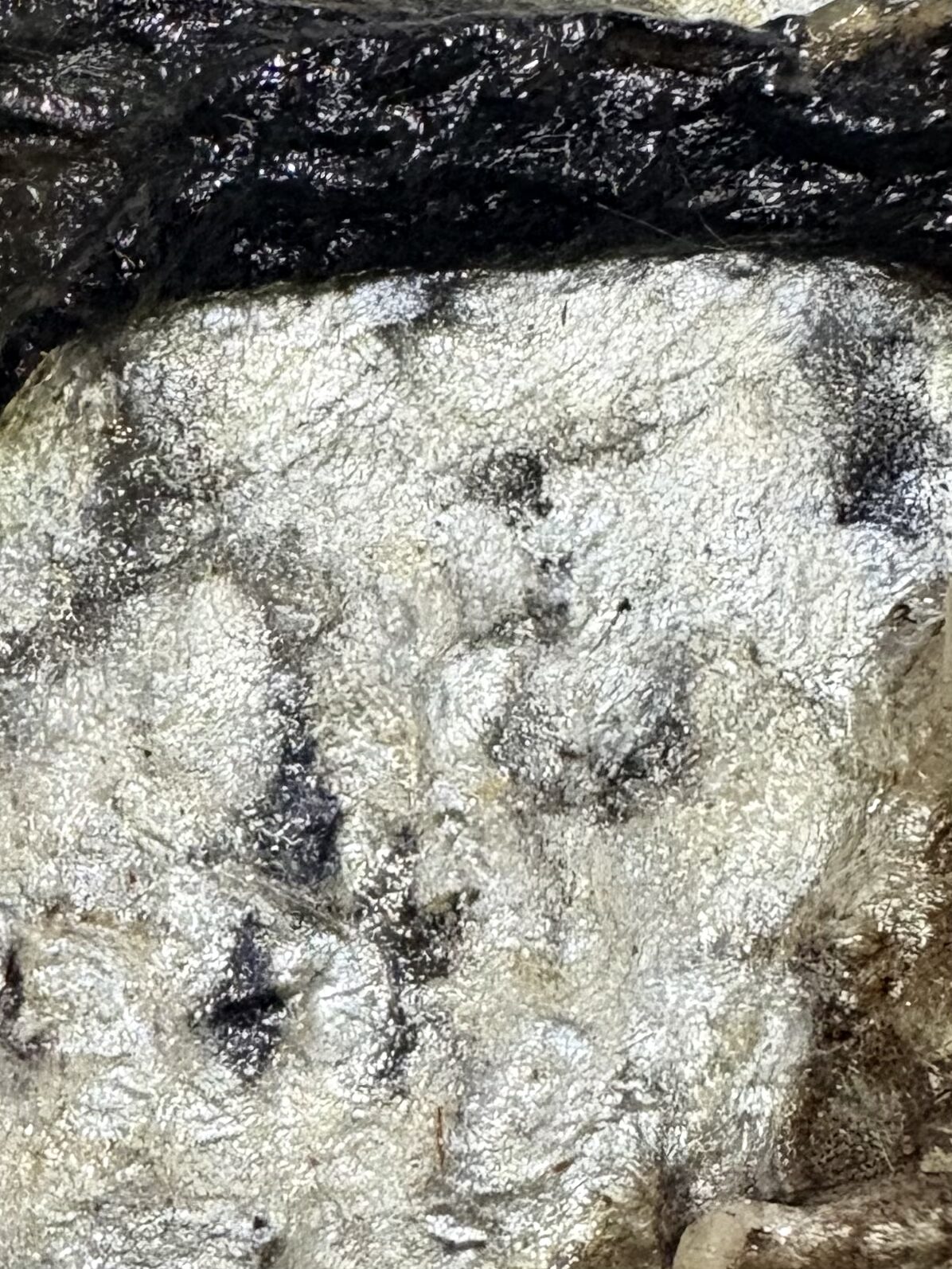
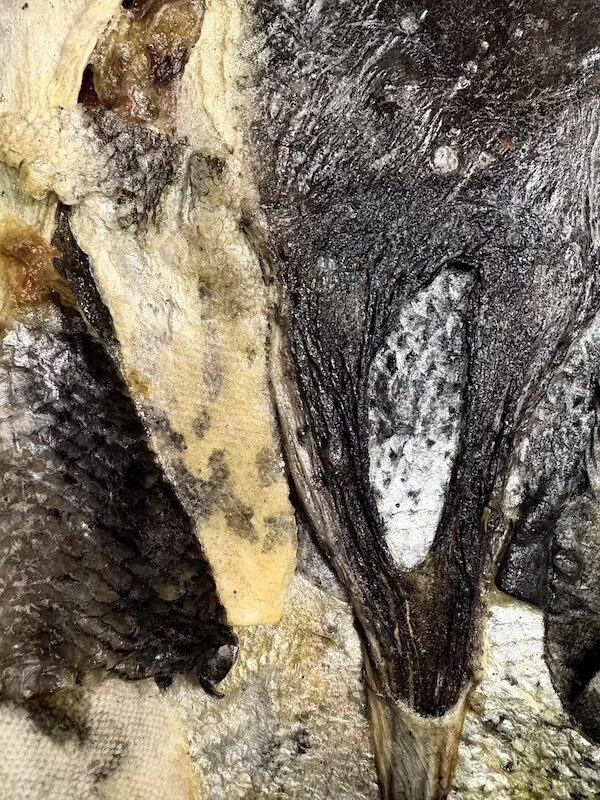
Through using a discarded waste product, I disrupt the expected surface and tactility of domestic form. These surfaces appear sensuous yet resist touch. I regard matter as active rather than inert. Fish skin resists classification as passive waste and instead asserts a persistent material agency that complicates ideas of use, value, and control.
By preserving and recontextualising fish skins onto objects, I question what is considered valuable, what is discarded, and what is rendered invisible. My use of waste material reflects the excesses of contemporary consumer culture and exposes the conditions through which this excess is normalised, sustained by selective perception and deliberate ignorance. These hybrid forms exist in a suspended state between life and lifelessness. Fish skins retain traces of a once-living body, while the objects themselves are impersonal and mass-produced. This contrast confronts viewers with what is typically repressed from visibility in everyday consumption, creating an uneasy dialogue between object and material, surface and structure, and presence and absence.
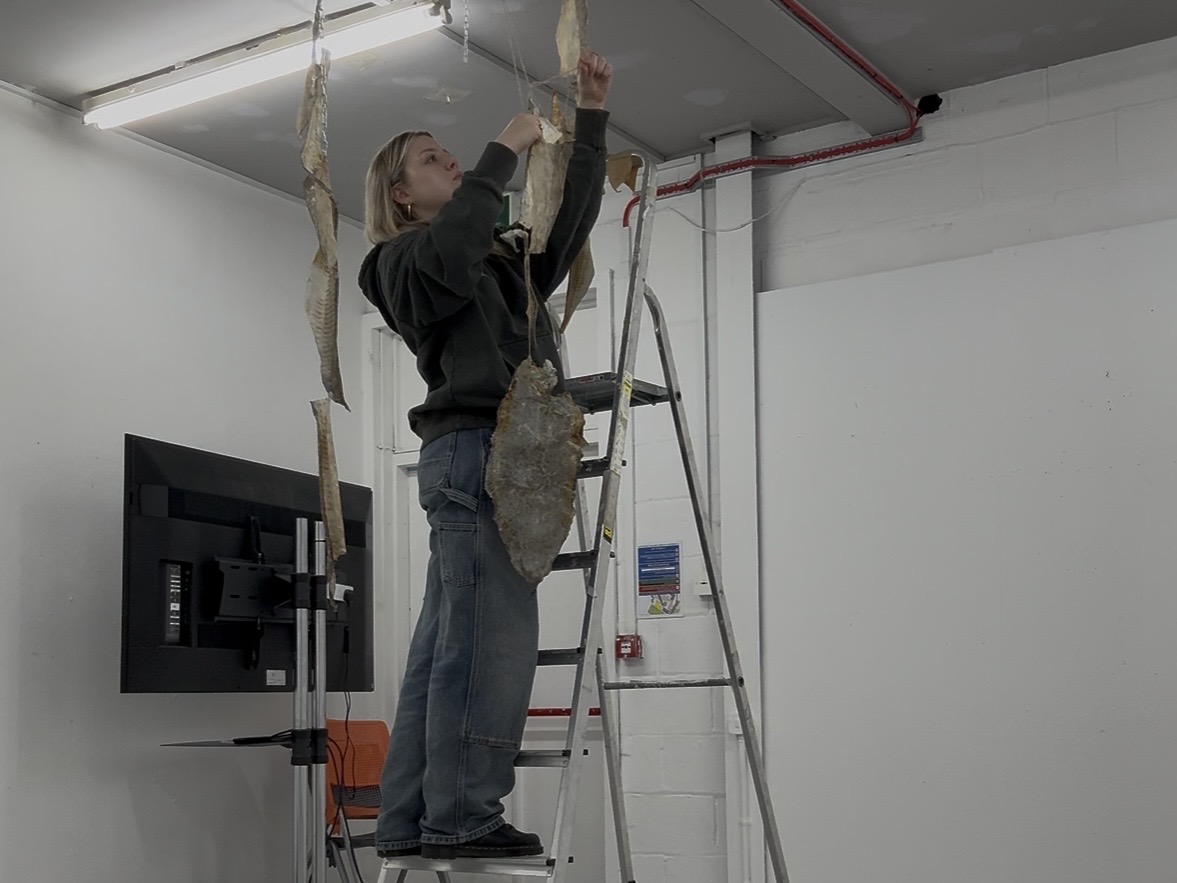
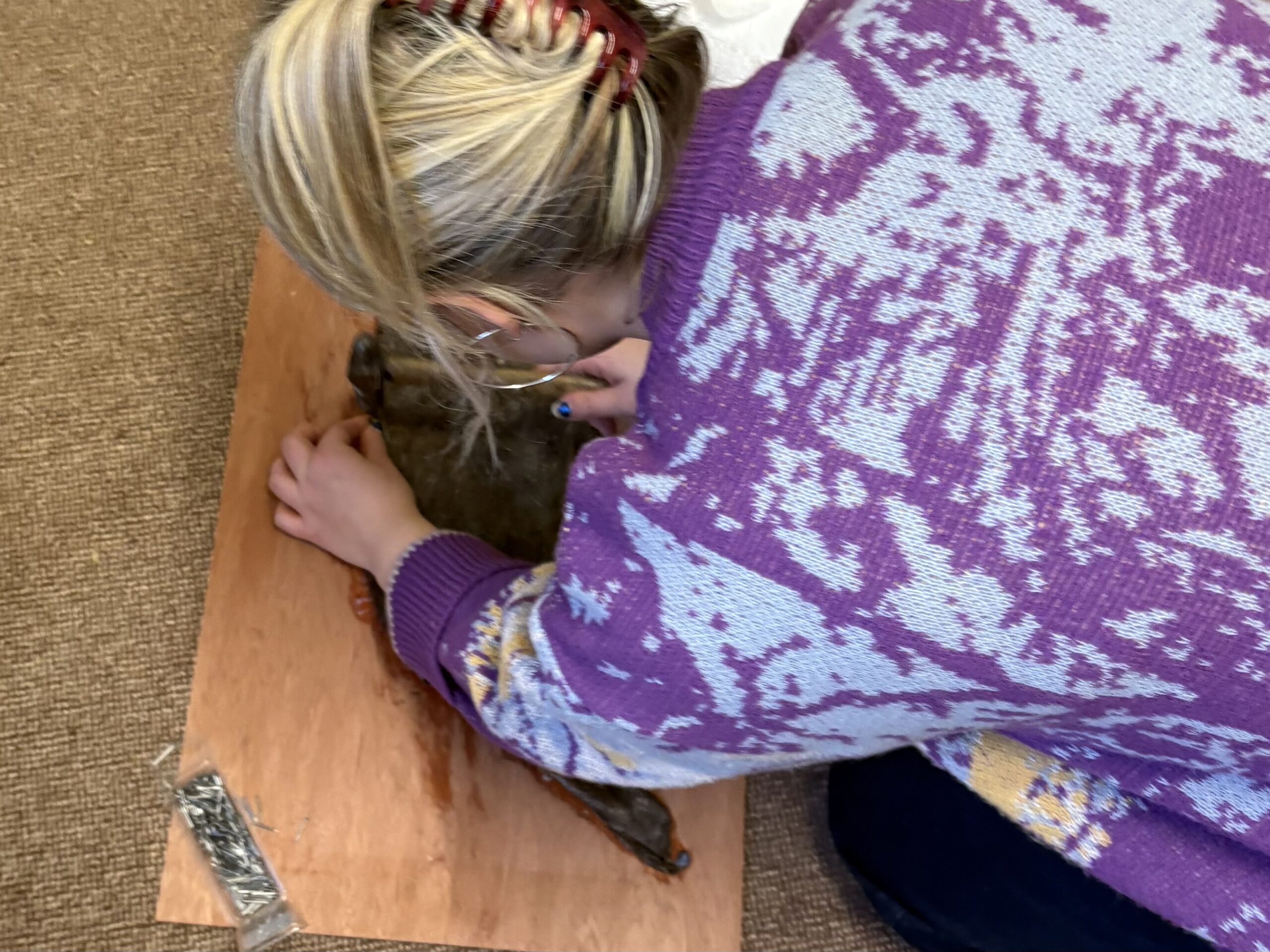
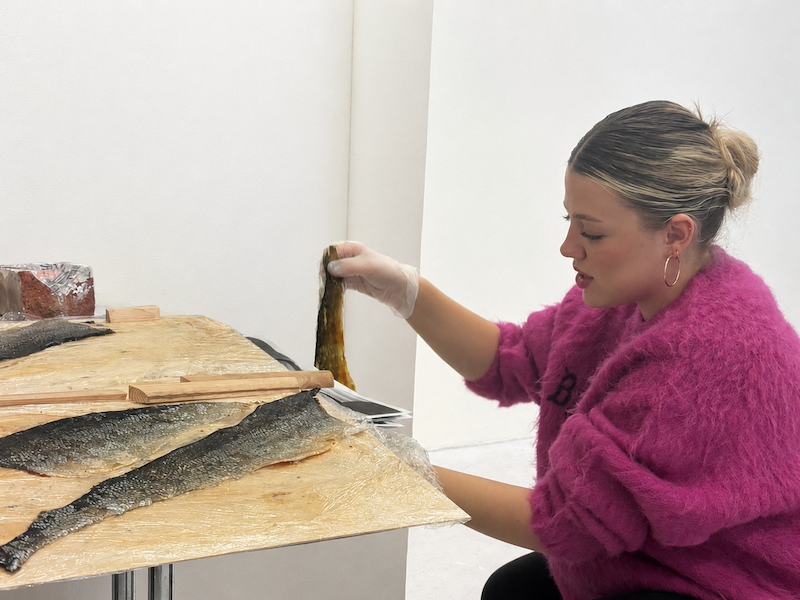
I embrace change as productive, allowing materials to exist in a state of ongoing negotiation. I have led a process-based practice, employing repeated cycles of testing, cleaning, stretching, salting, air-drying, and sealing, as the materials respond to time, temperature, and humidity. The fish skins reveal the limits of preservation and the fragility of acts of care, as environmental exposure and choice of process develop tactile and visual transformations.
Email: jessicalmoorfoot@gmail.com
Instagram: @jessicamoorfoot.art