


A creative and motivated textile designer with a great interest in bright colours and interesting prints. Focused on print design, especially within fashion.


My project aims to create a joyful spring/summer 2027 fashion collection for girls, aged 4-6 years old, with a focus on highlighting positive mental health and the possibilities of boosting it early on in life. Colour becomes very important for aiding visual, creative and confidence development in young children. Brighter shades encourage these skills and traits to develop, where neutrals can stunt them, preventing children from getting effective stimulants as they learn to understand the world around them. Consequently, I have chosen bright colours inspired by nature and have identified motifs inspired by places I found joy in as a child. Sensory tactile elements were also incorporated into the designs. Combined, these elements can help to boost the wearer’s well-being.

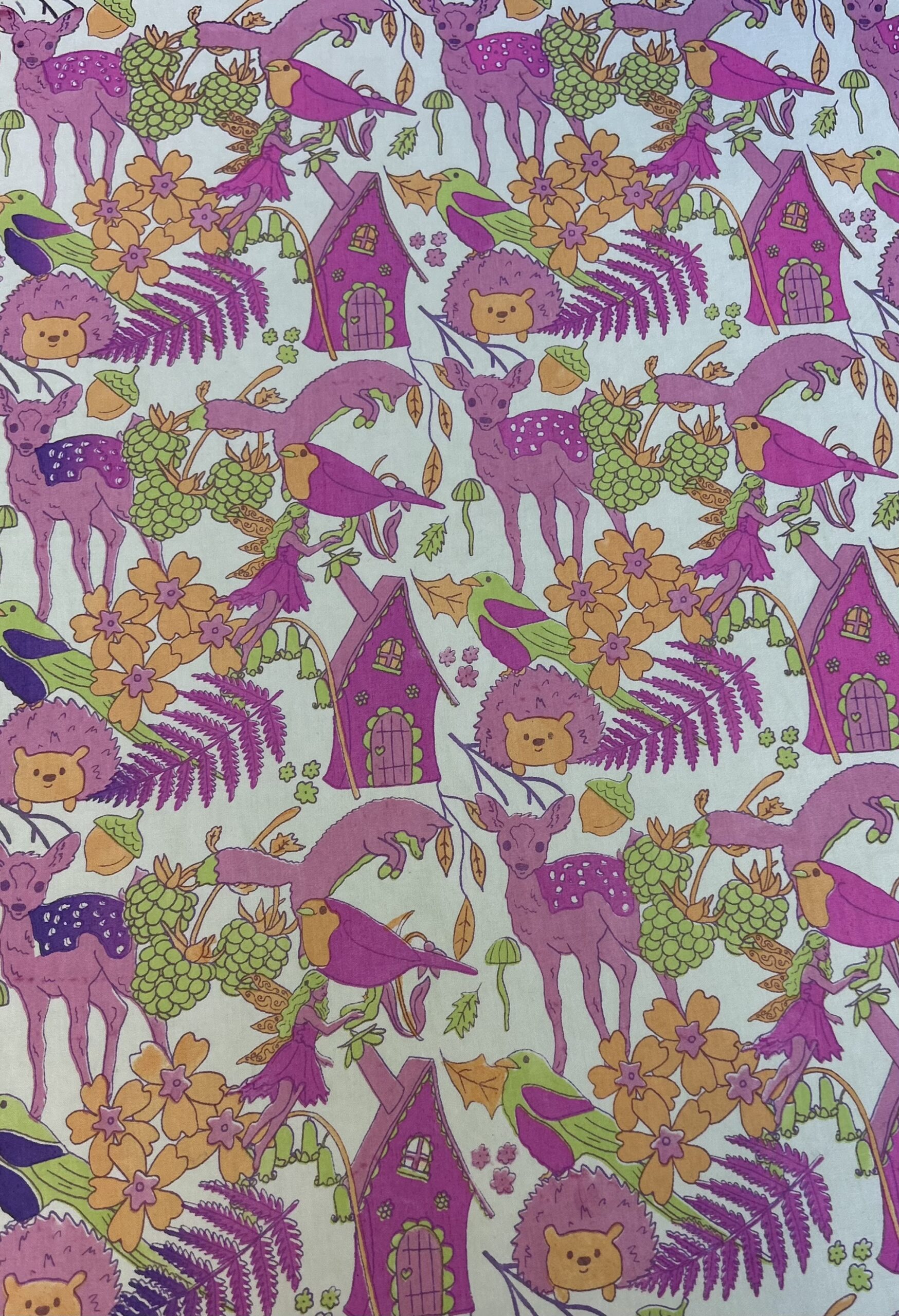
The motifs are influenced by children’s picture and colouring books; typical outlets that are known to induce calm and relaxing moods. Like myself, some children spend time reading and colouring, unaware of the positive benefit that it has on their mental well-being. Through the use of thermochromic dye, one of my designs enables children to ‘colour’ their own clothes, changing the purple areas to a bright pink. If worn in the hot summer sunshine, their clothes would also change colour in and out of the shade, adding interest.
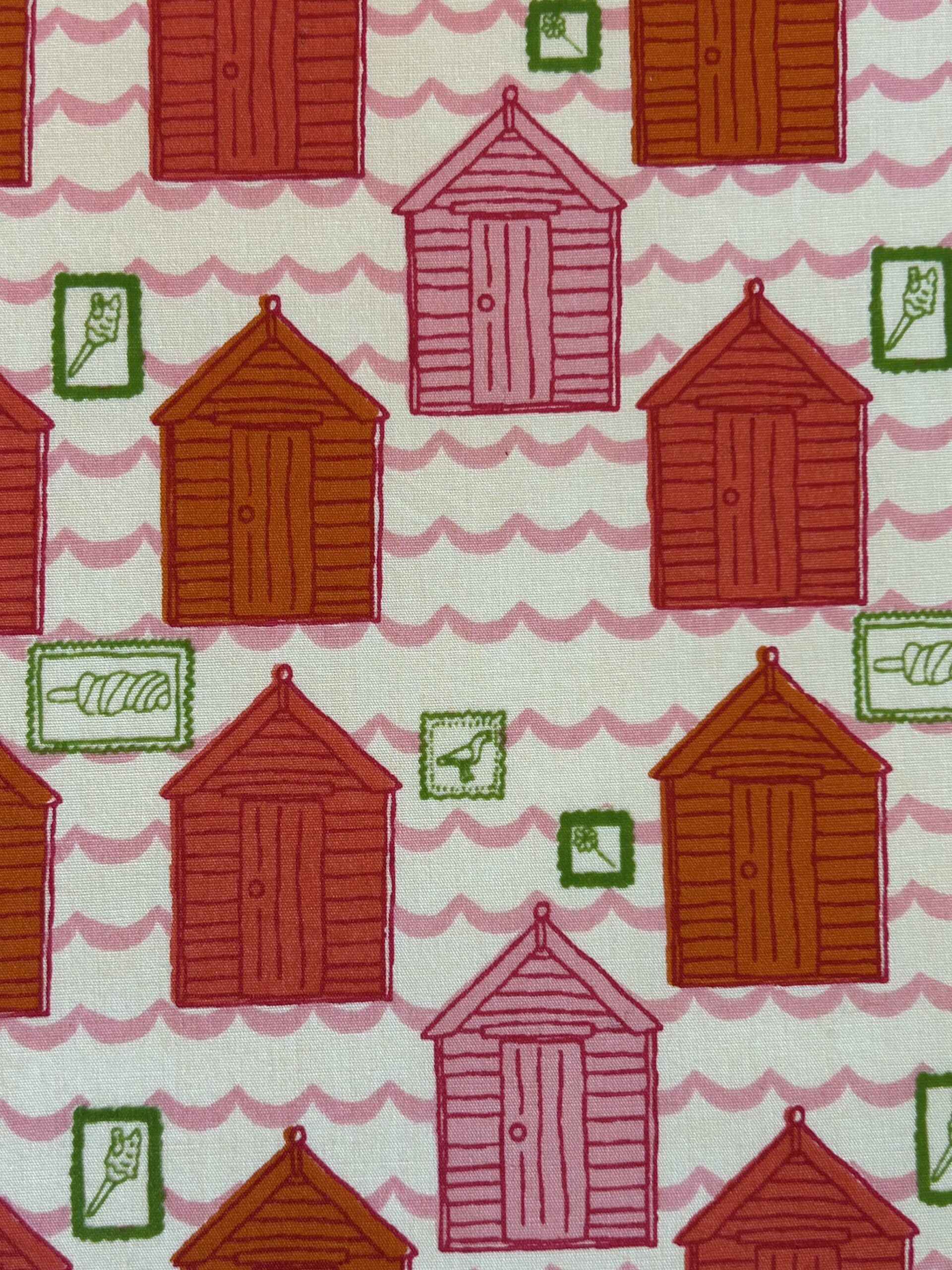
Within the main collection, there are three mini collections: Beach, Woodland and Garden Party. These three scenarios represent places that I found joy in when I was younger, and help to highlight the overlying theme of the benefits of being outside; a simple activity that can be used to boost mood and assist concentration. My Woodland t-shirt design seeks to encourage children to get outside and play a type of I-spy game to find the items on their t-shirt in real life.
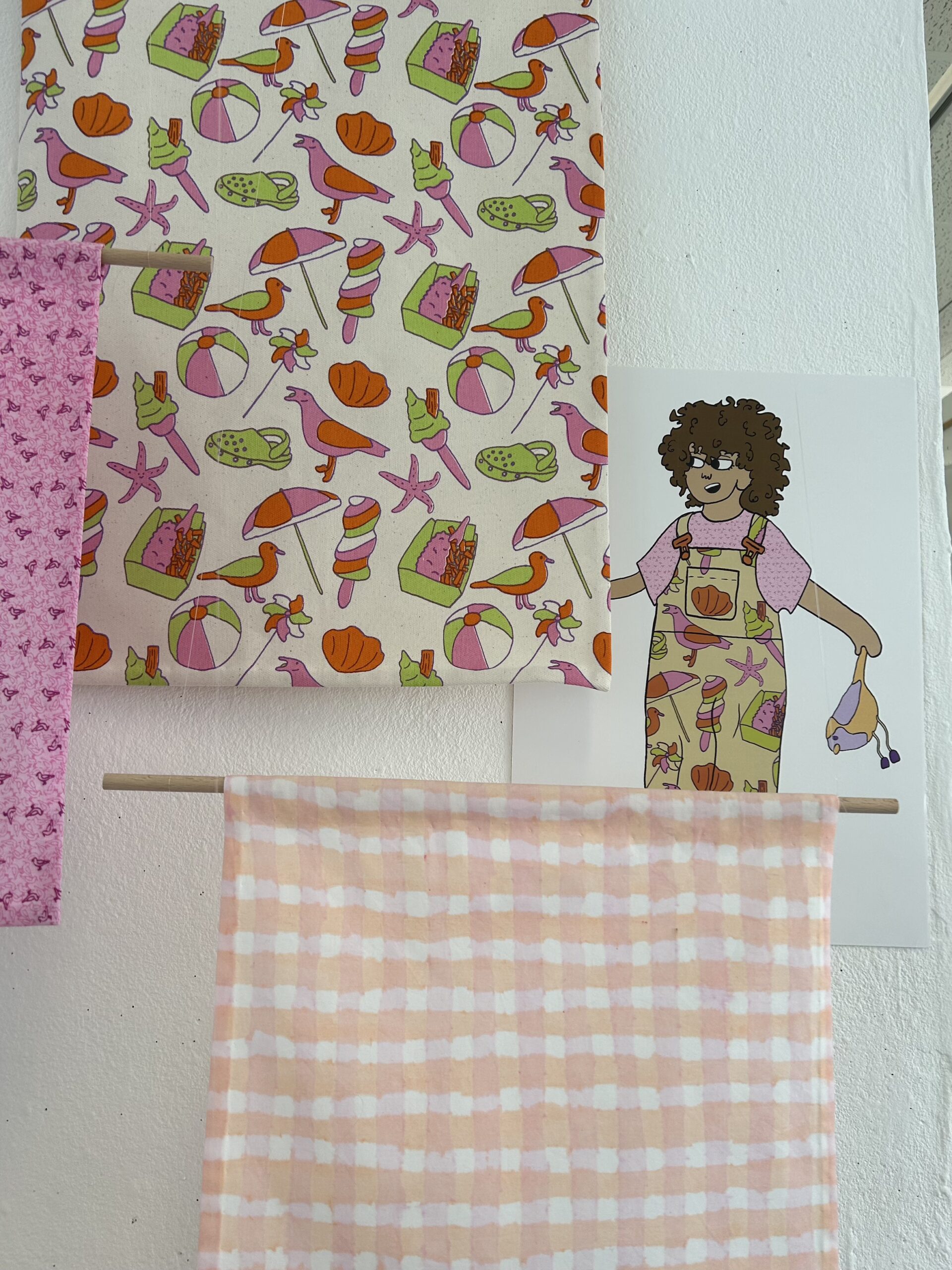
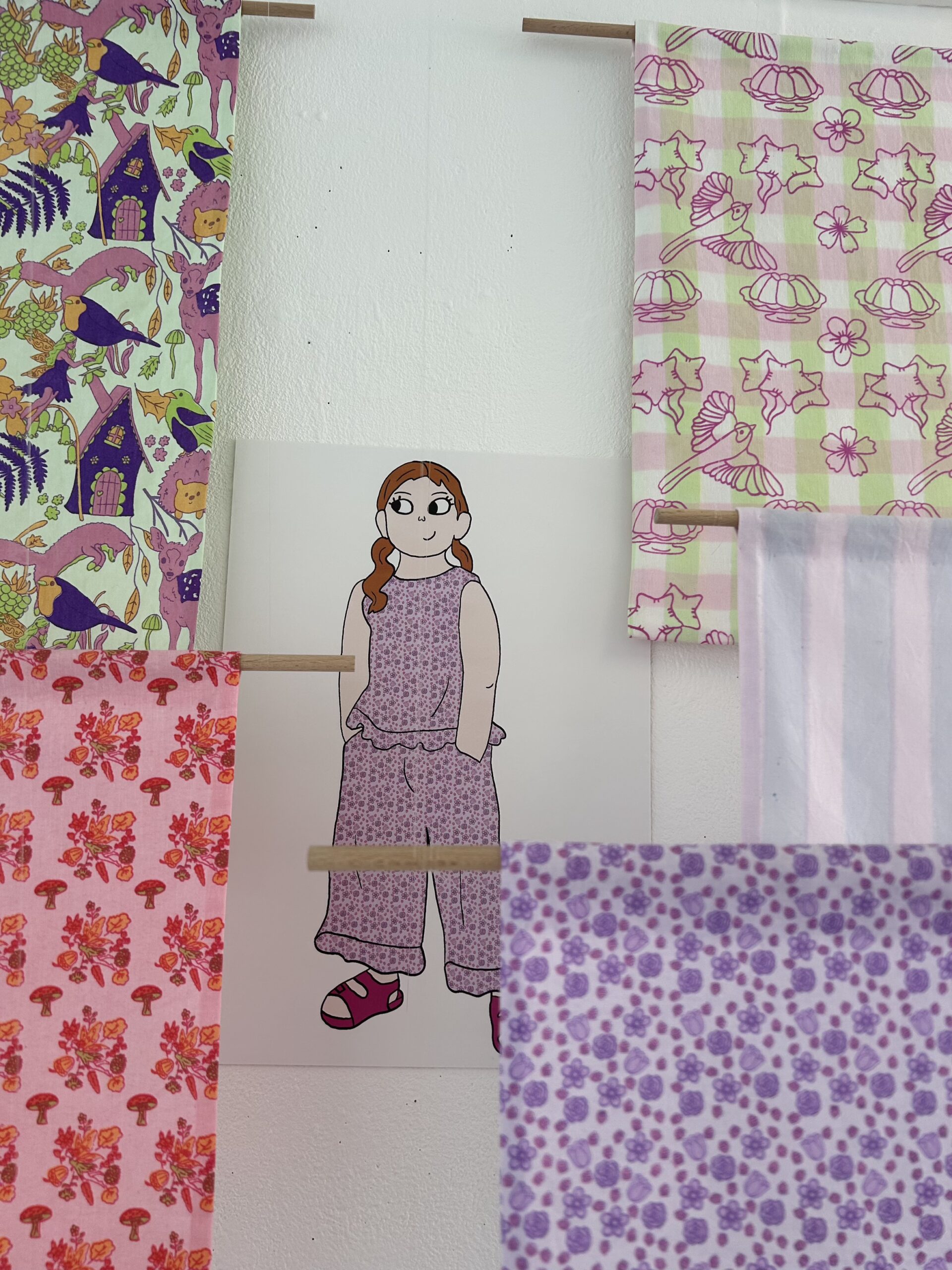

This particular subject matter interests me because of the increase of younger children now suffering with mental health issues without necessarily having the proper means of understanding or helping how they are feeling. My designs aim to encourage young girls to leave their devices behind and partake in activities that can actually improve their mental well-being.

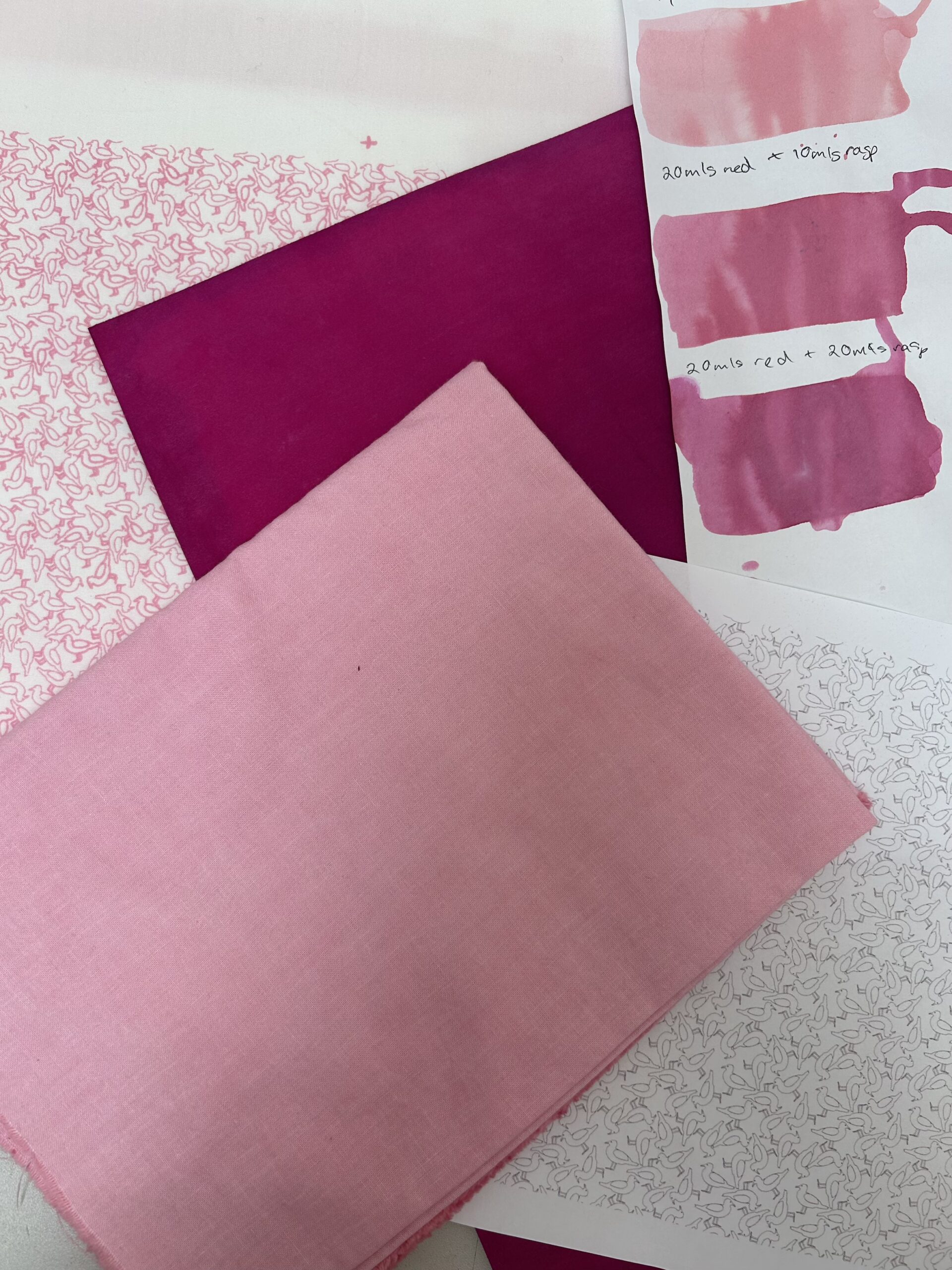
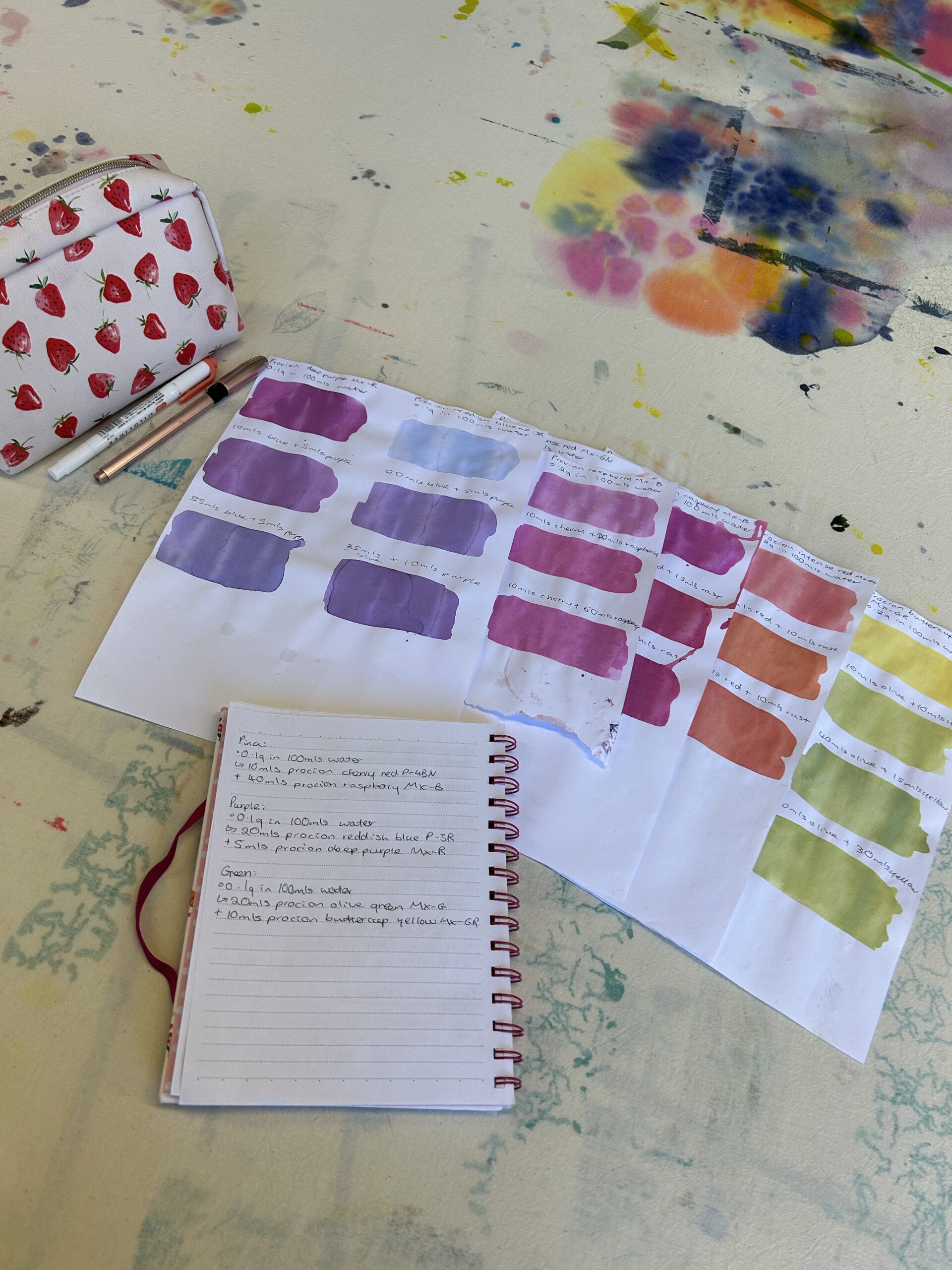
These designs are aimed at a high-street market, allowing them to be accessed by the masses. The high-street context has also influenced my use of cotton fabrics and pigment dyes. Unfortunately, within the high-street industry, many brands opt to use petroleum derived materials, due to the low cost and convenience. However, some high-street brands are seeking to improve their contribution of pollution to the environment, through the use of mixed or recycled fibres, or by budgeting for the use of cotton fabrics. Due to my project creating a collection that would be sold in shops in under a year, my designs do utilise manmade pigments and dyes. However, I have made a conscious decision to use pure cotton fabrics, with one cotton/silk jersey, to highlight the possibilities of short-term changes that can be made to become more sustainably conscious within the future of the fashion market.