Anna Polanowski
she/her


My work is about place, focusing on themes of exploration and psychogeography. Using 35mm film combined with painting and drawing techniques, I project my internal emotional responses onto my external perceptions.
she/her


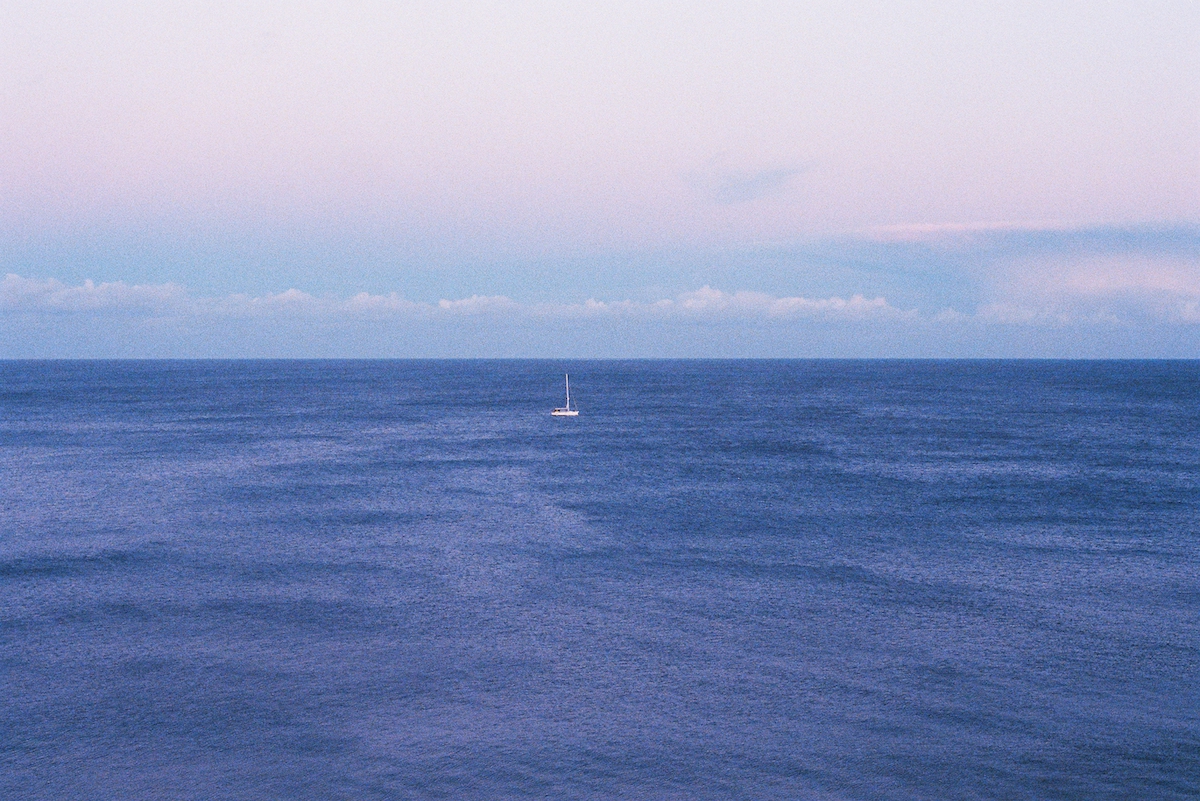


My process begins with film photography because it limits the number of photographs I can take, encouraging me to be purposeful, reflective and engage consciously with my environment. For example, I consider the lives of the people who frequent places, and although there are no figures in my photographs, I am interested in their presence through the things they leave behind, the footprints in the mud, the buildings they inhabit, graffiti etc.
The principles of psychogeography guide this thoughtful and deliberate way of exploring places, whereby I reveal their emotional impact by uncovering hidden connections and experiences. Coined by Guy Debord in 1955, psychogeography involves moving through a space, often taking arbitrary routes to challenge normal perceptions. It is both a method of creative exploration and a way of analysing the psychological effects of a place.
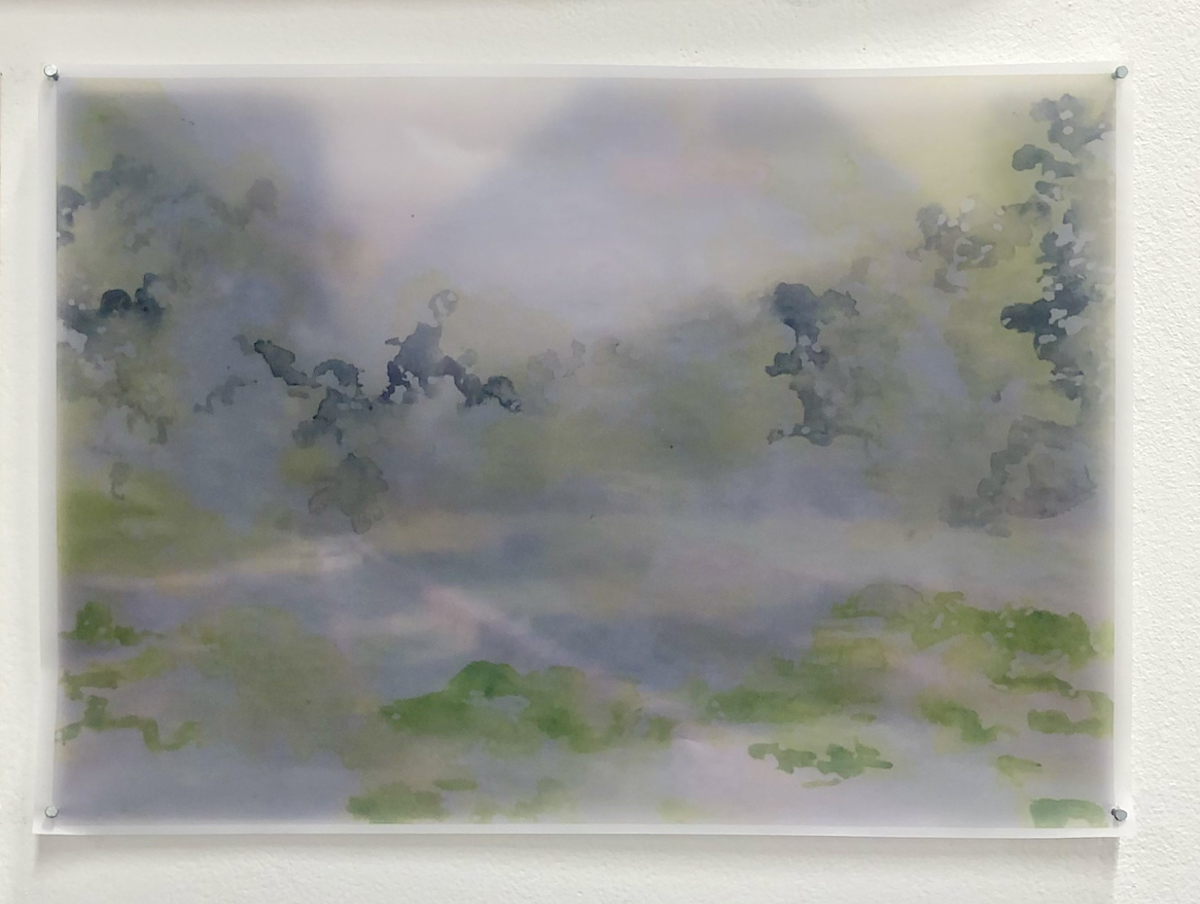
I then combine my photography with painting and drawing techniques, allowing me to project my internal emotional responses onto my external perceptions, creating a dialogue between what is seen and what is felt. The Poetics of Space by Gaston Bachelard discusses the deep emotional connection between humans and the spaces they inhabit, focusing on lived experience, memory and imagination. Much like my practice, Bachelard contrasts the outside and inside, exploring how external structures shape our internal worlds.


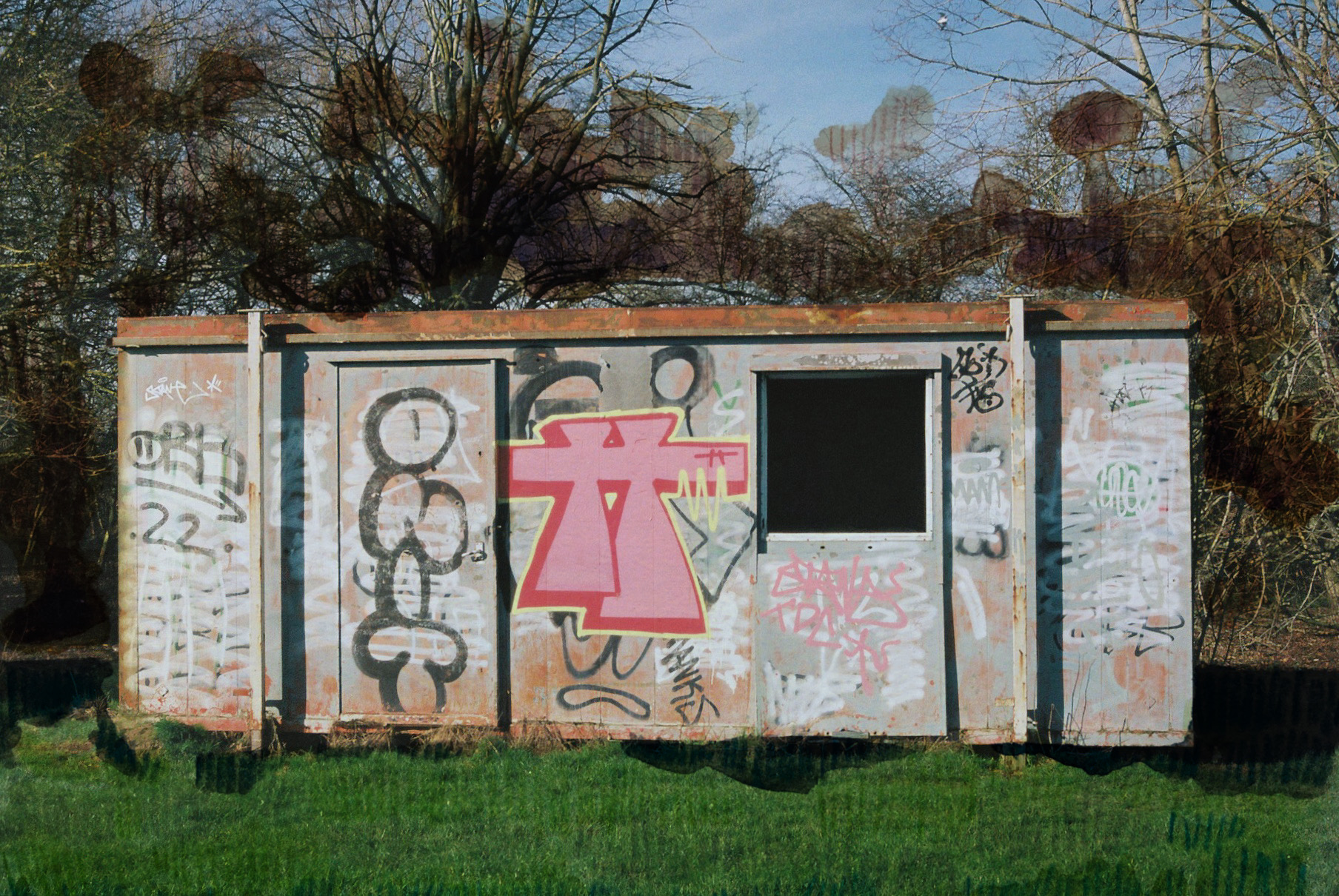

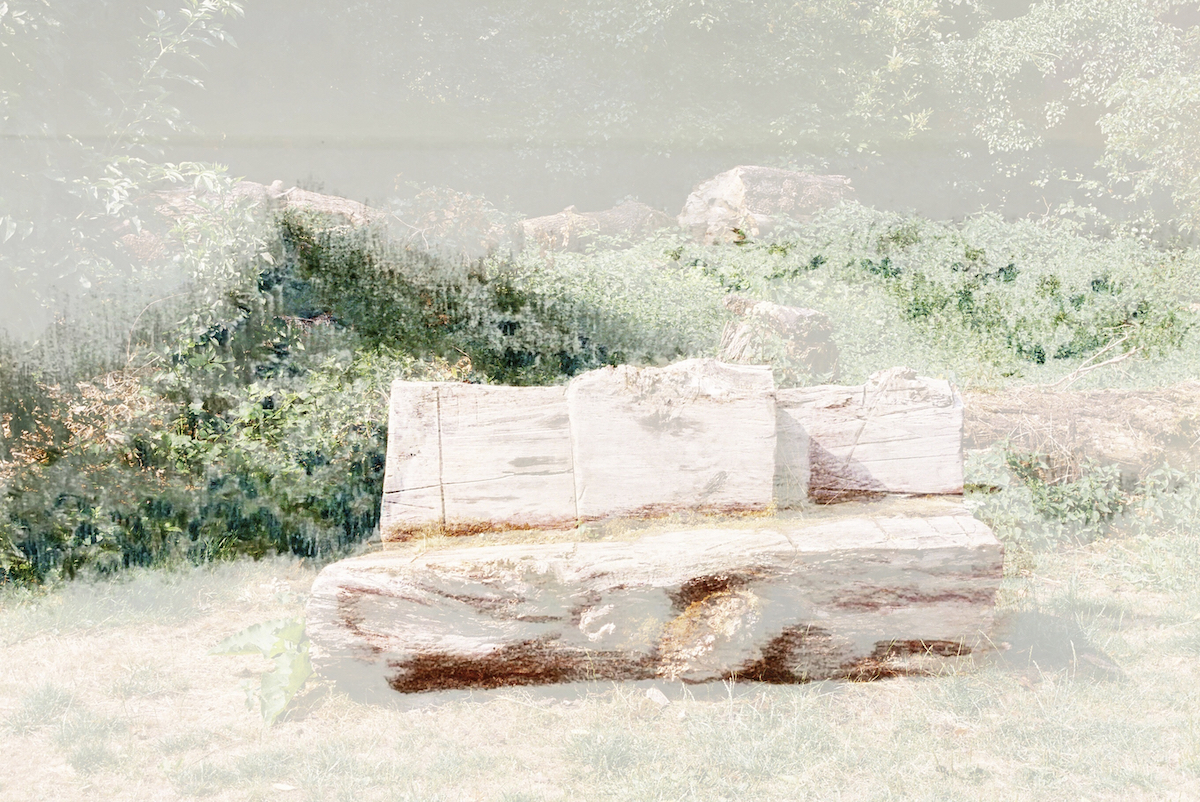


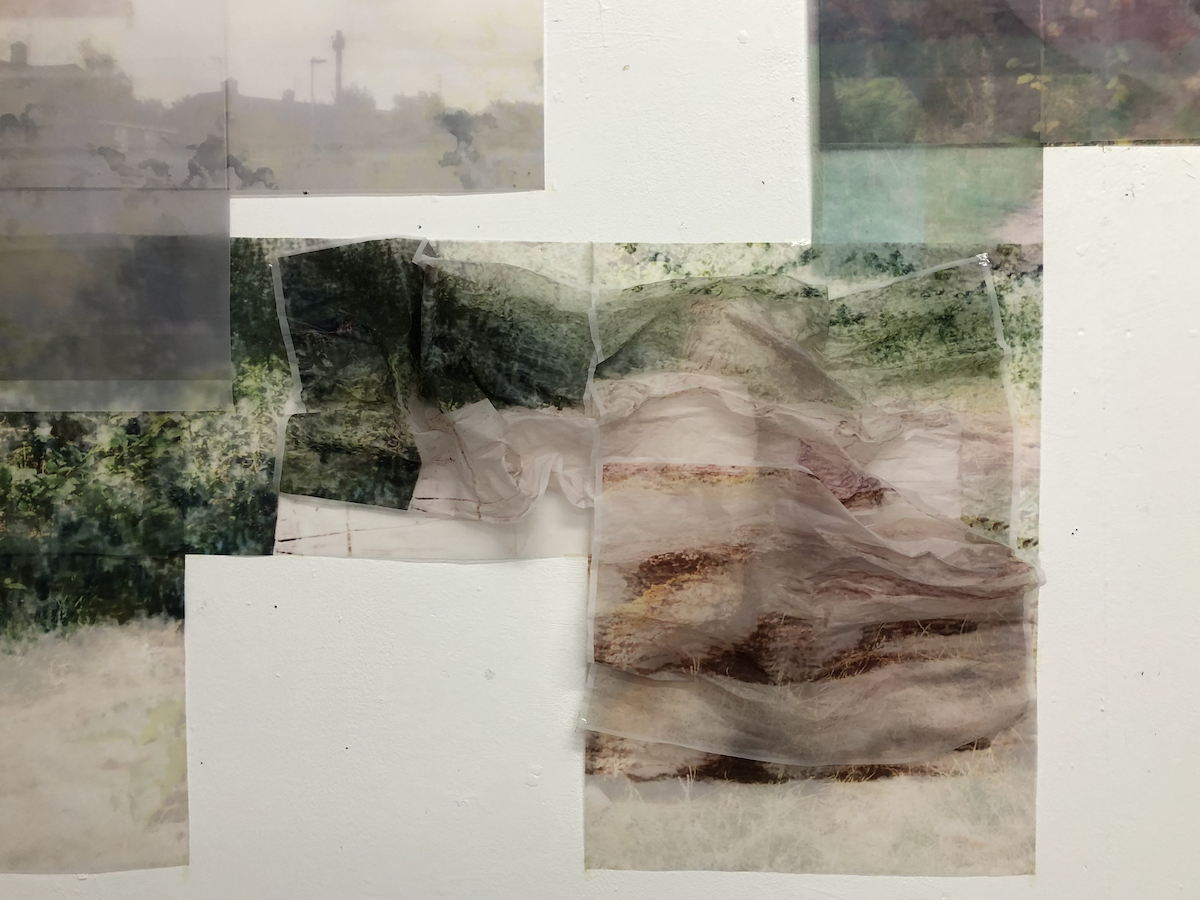
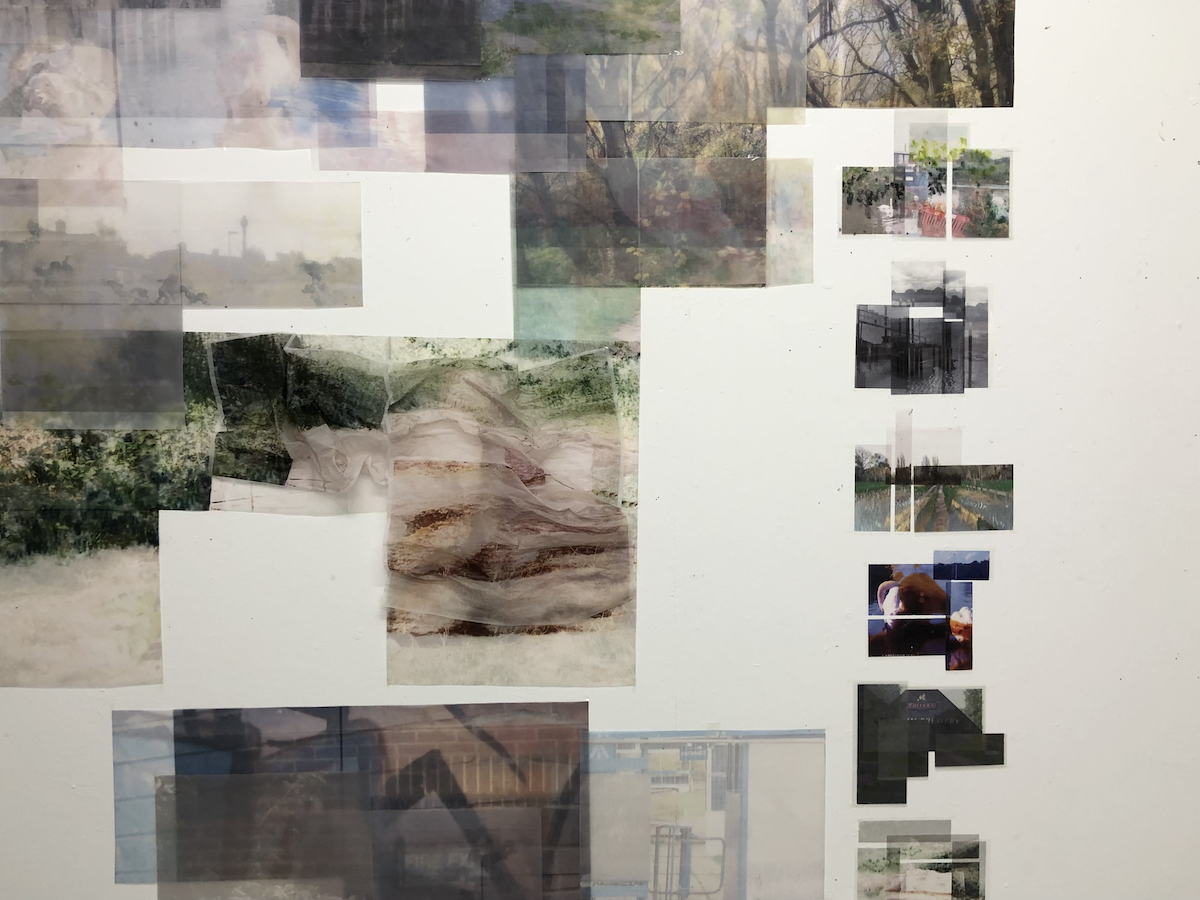
I then print my images onto tracing paper, the translucency of which allows me to create layered mosaics, intuitively arranged into my own personal form of mapping; my work is a record of my experience walking through a space, translated into a visual language for others to interpret.
Henry Bergson’s ideas about the perception of time are integral to the way I present my photographs. He argues that we don’t perceive time as a continuous flow of movement but as a succession of fixed frames or stills, which is reflected in my compositional choices. My work gives a sense of movement to photography, a still medium which captures single second frames.
The way I present these frames relates to the history of cartography, whereby maps were expanded as new territories were explored and documented. In the same way, I add new frames to my composition until it becomes a floor to ceiling installation- an immersive record of my discoveries.