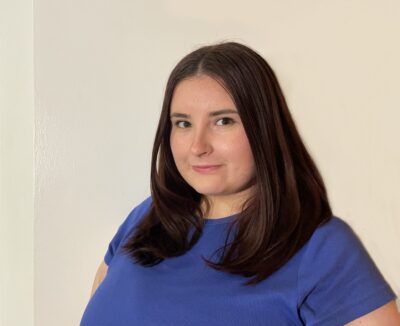


I'm a sculptural textile artist whose art practice reflects a lived experience of neurodivergence and disability.
The techniques I've developed explore pain, bodily distress and the need for authenticity.

My practice is a deeply personal reflection on my life as an autistic and disabled person. Born out of experiences with pain, discrimination and isolation it questions the limitations and barriers I have felt trying to conform to art practice ‘norms’.
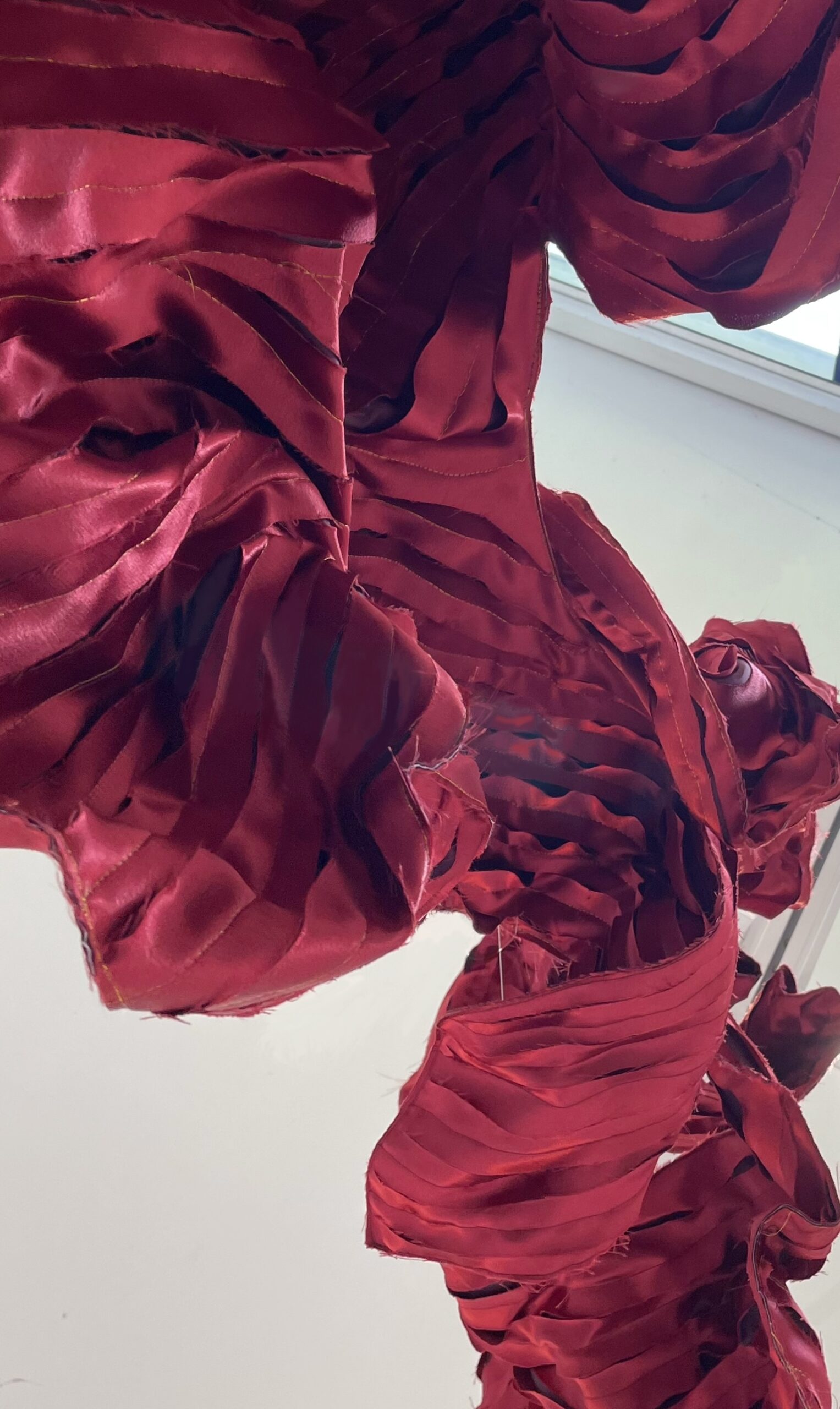
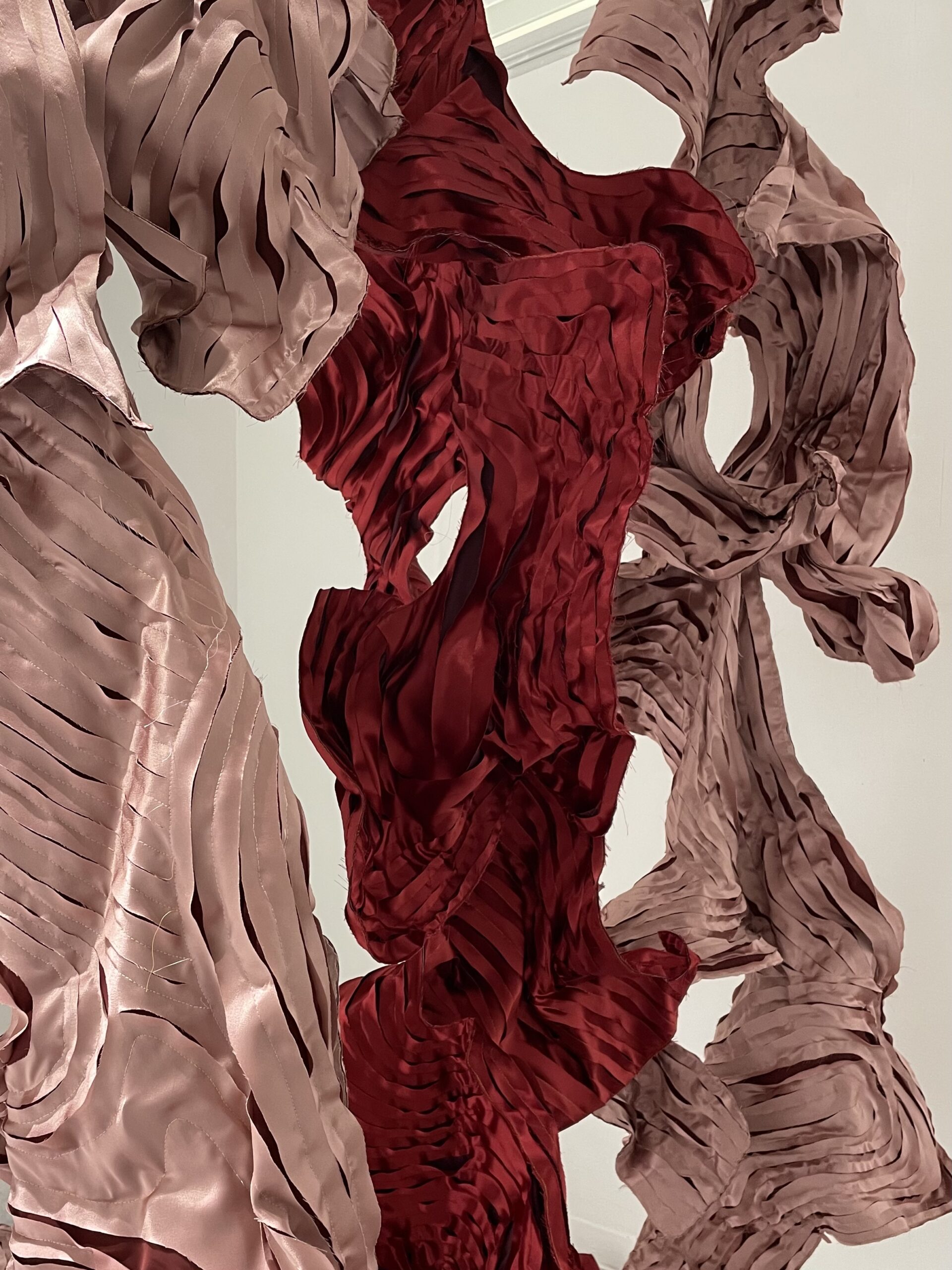
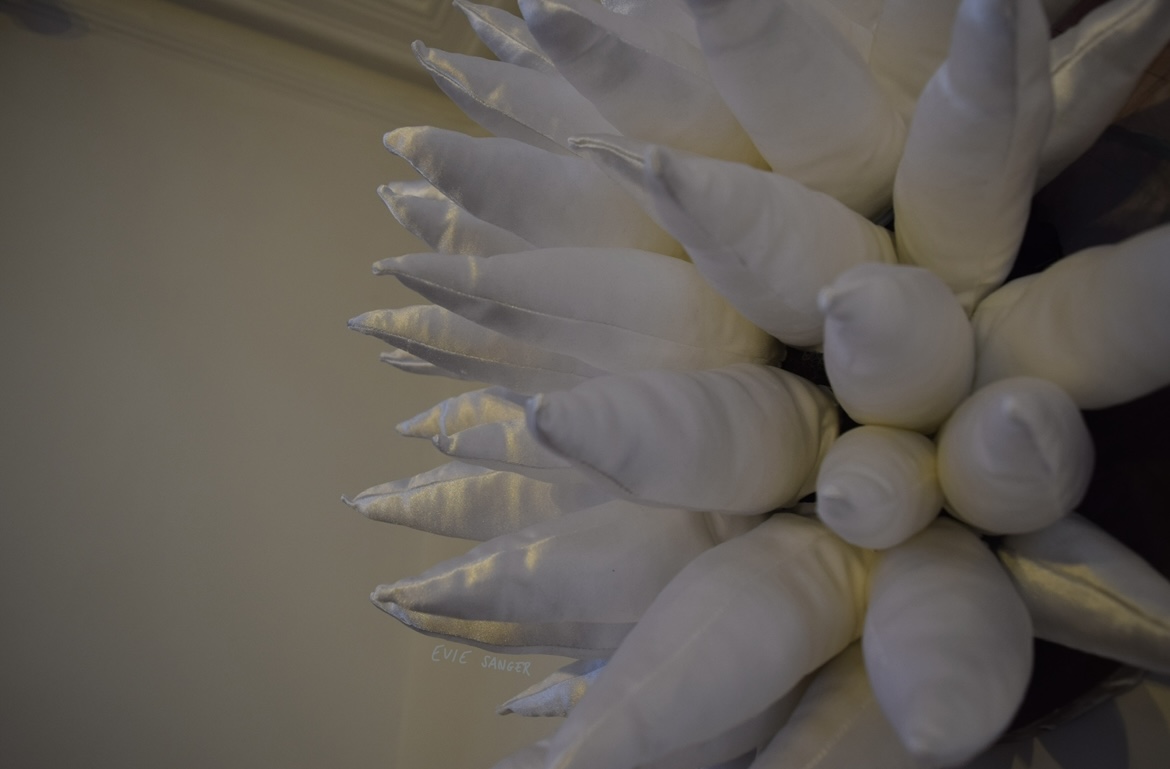
The layered distressing technique I developed expresses the duality of my lived experience: both the challenges of daily life and the creative voice and expression through art. The cuts in the fabric represent the pain and discomfort I experience in my body, but in destroying the surface in part, other colours emerge from within. Sewing and cutting fulfills my autistic need for stimming, which is repetitive back-and-fourth movements of the body which help to regulate the nervous system.
It was important to address accessibility and think of creative ways to include it in my work. I often need to work from home or in quiet spaces so that I can access my autistic hyperfocus and flow. Considering those limitations expanded my work as it encouraged me to think more broadly about accessibility in art spaces.
This stage of my art practice at Loughborough University has been transformative. Rather than repress, deny or mask autistic traits, they inform my work and represent the opportunity to express myself fully within an artistic community.
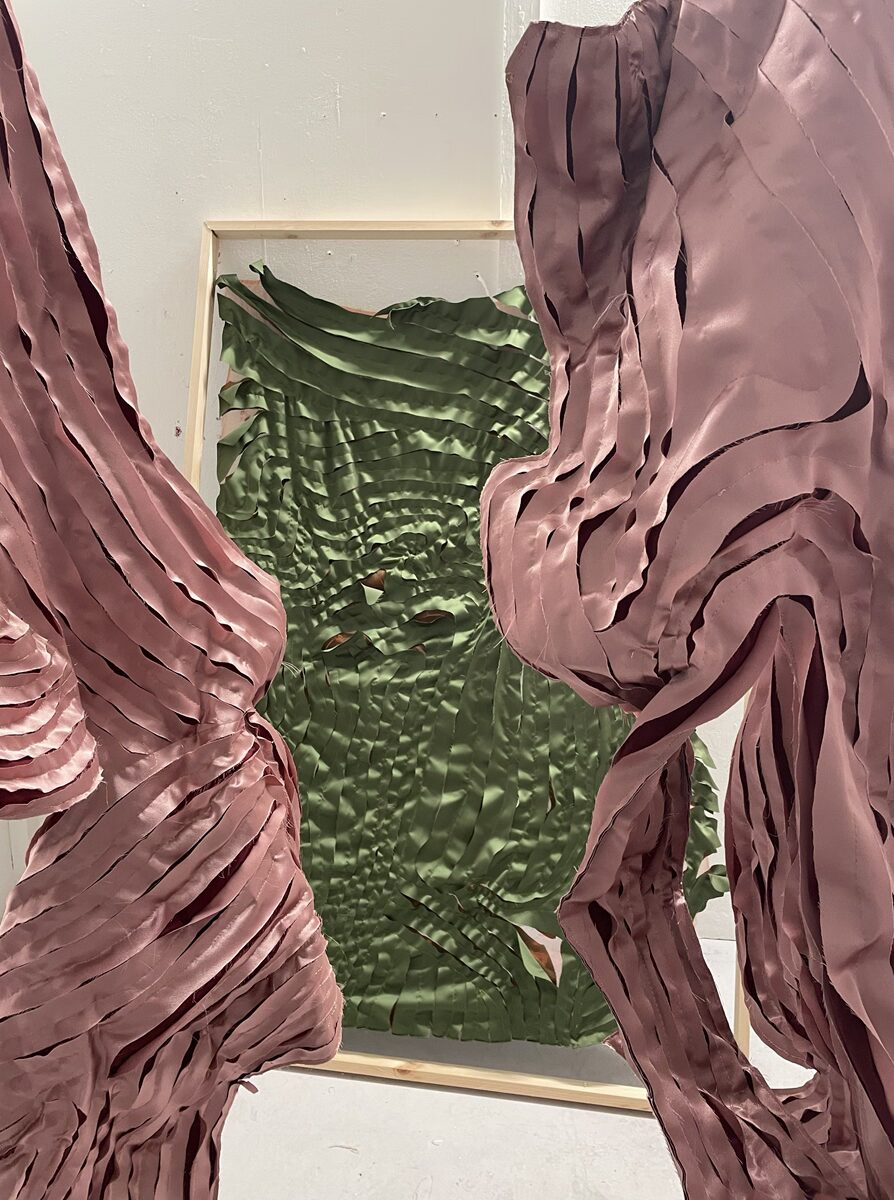
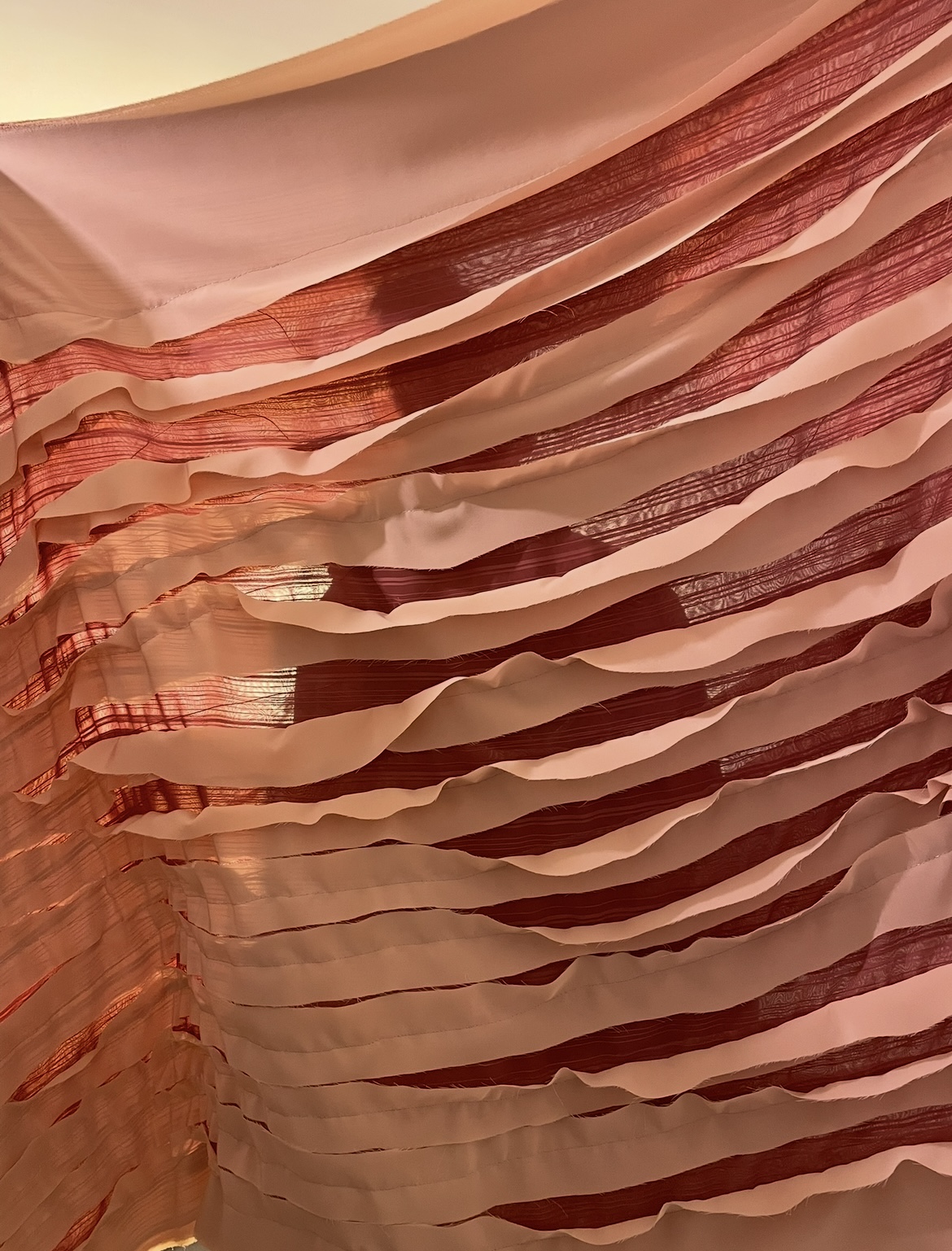
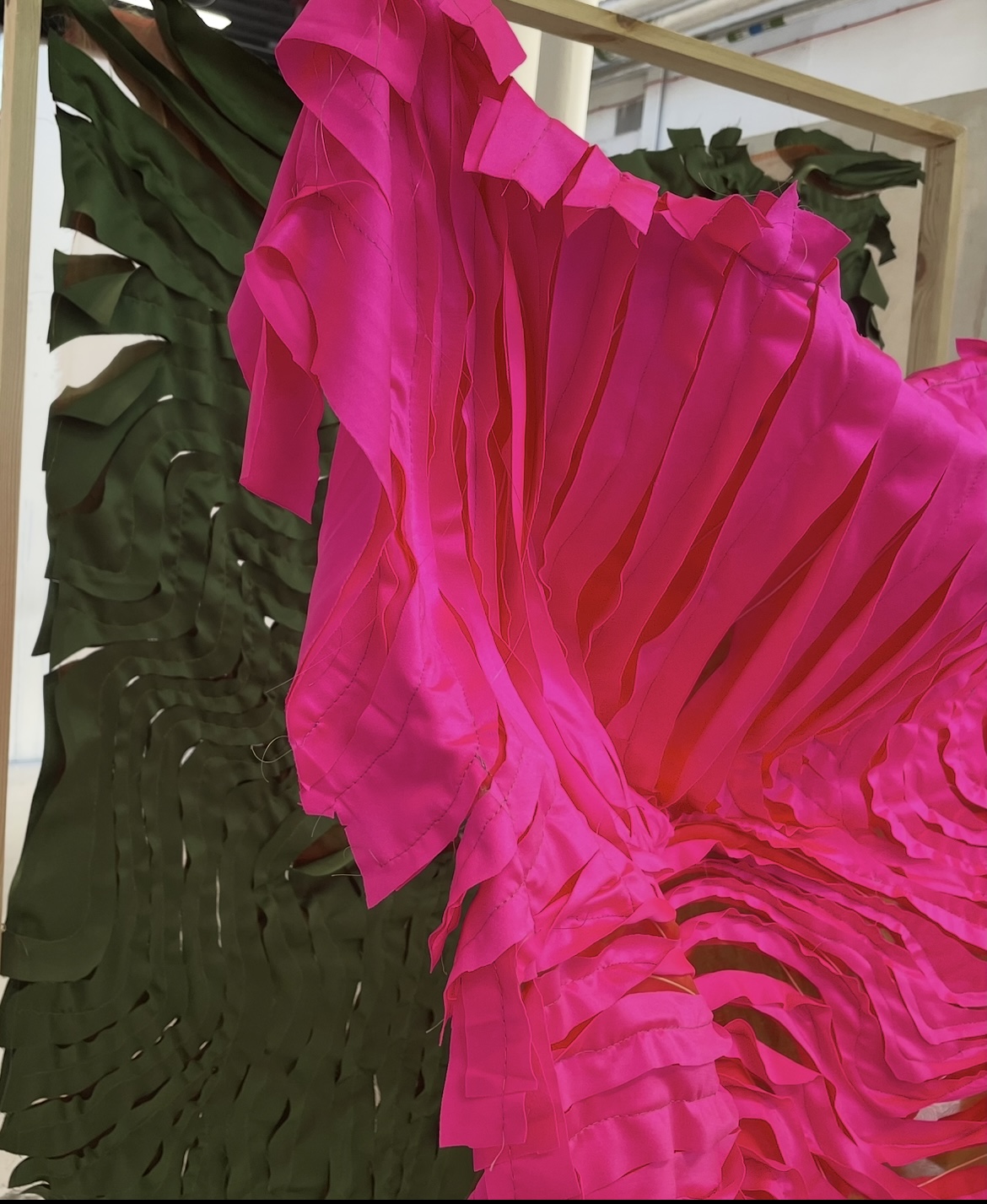
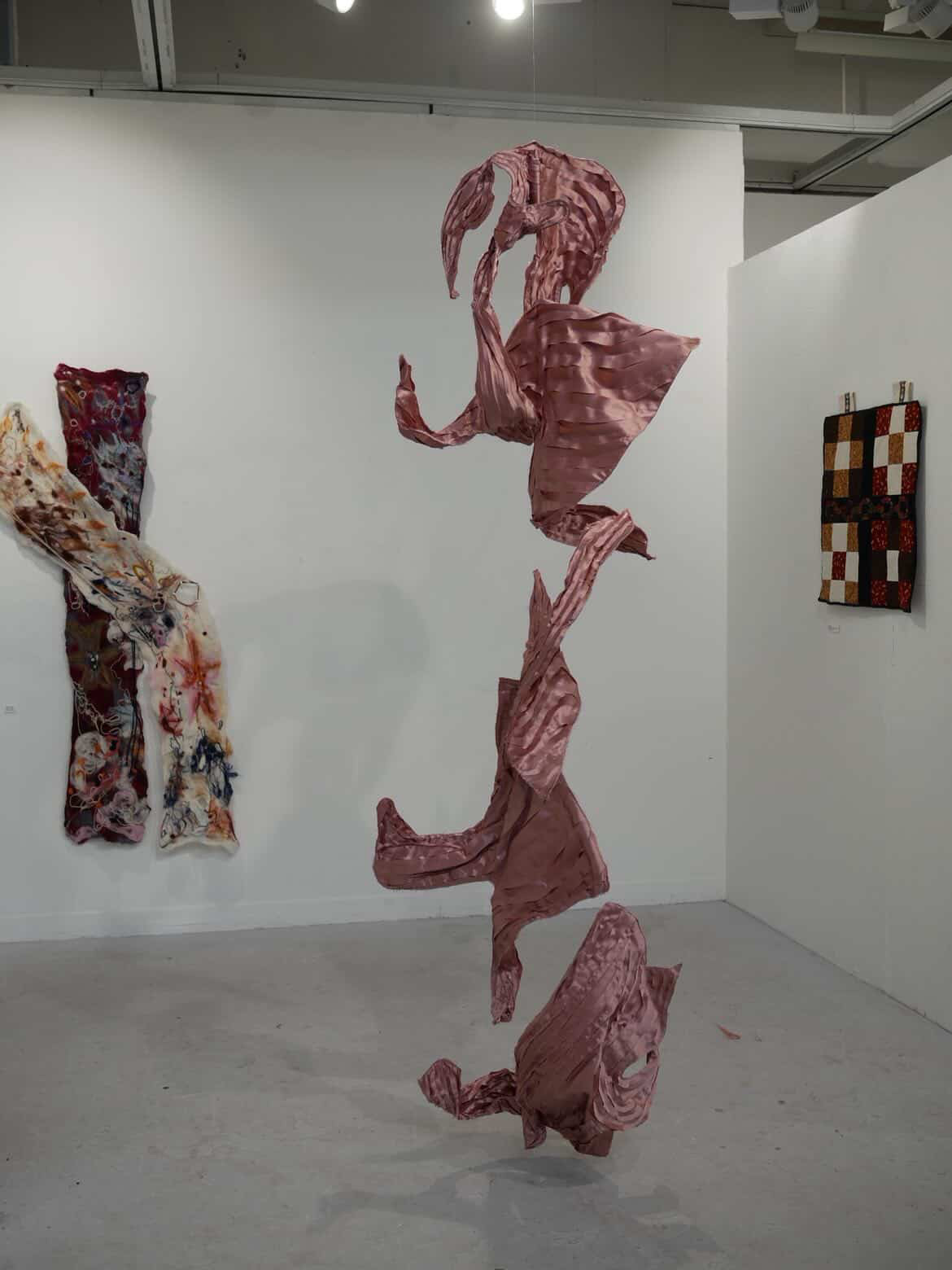
The degree show tryptic Distress symbolically rises above the gallery walls, breaking out of the confines of the defined space and expectations. Mirrors on the floor add further depth and perspective. There’s an almost performative aspect to the reflected movements of the forms extending up to seven metres above.

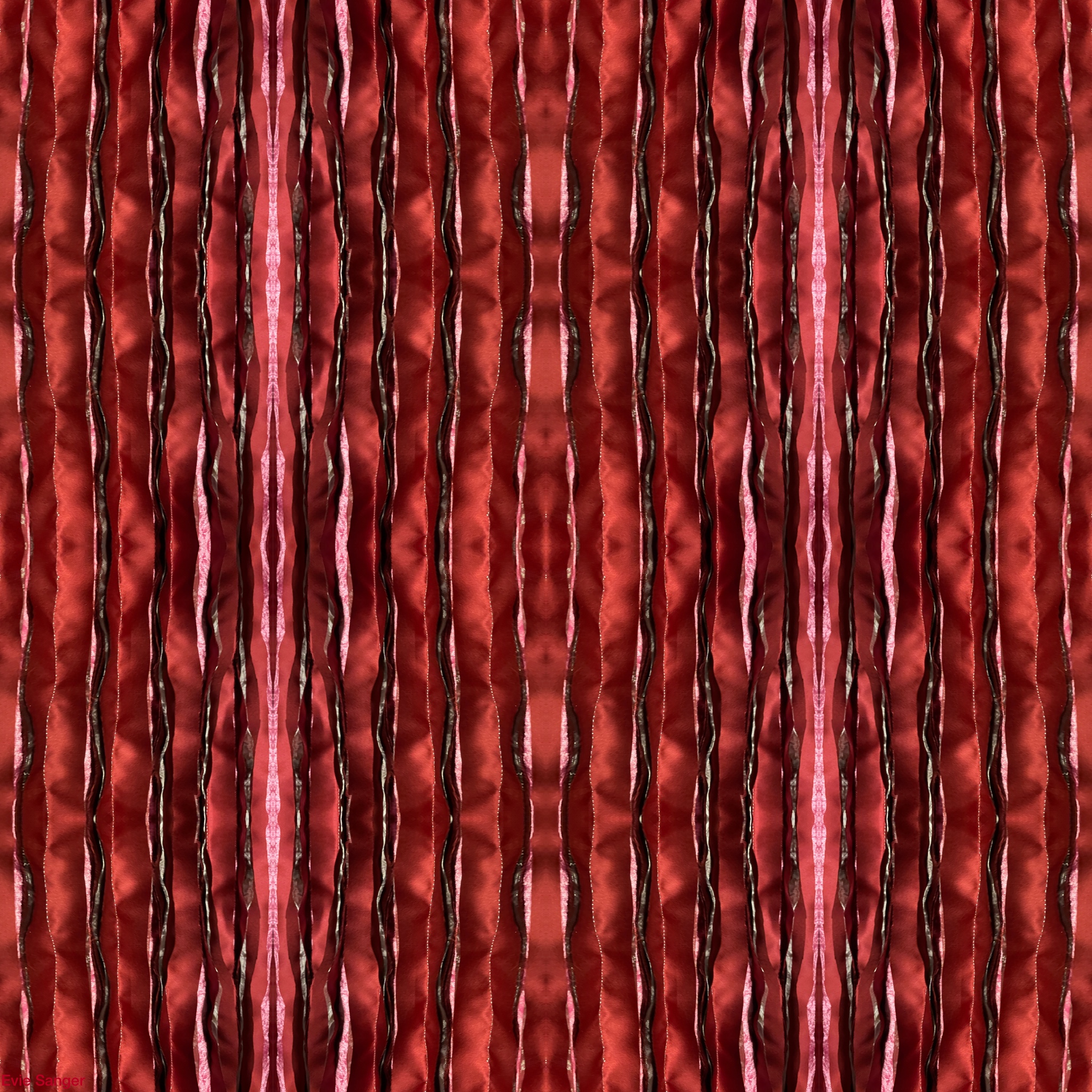
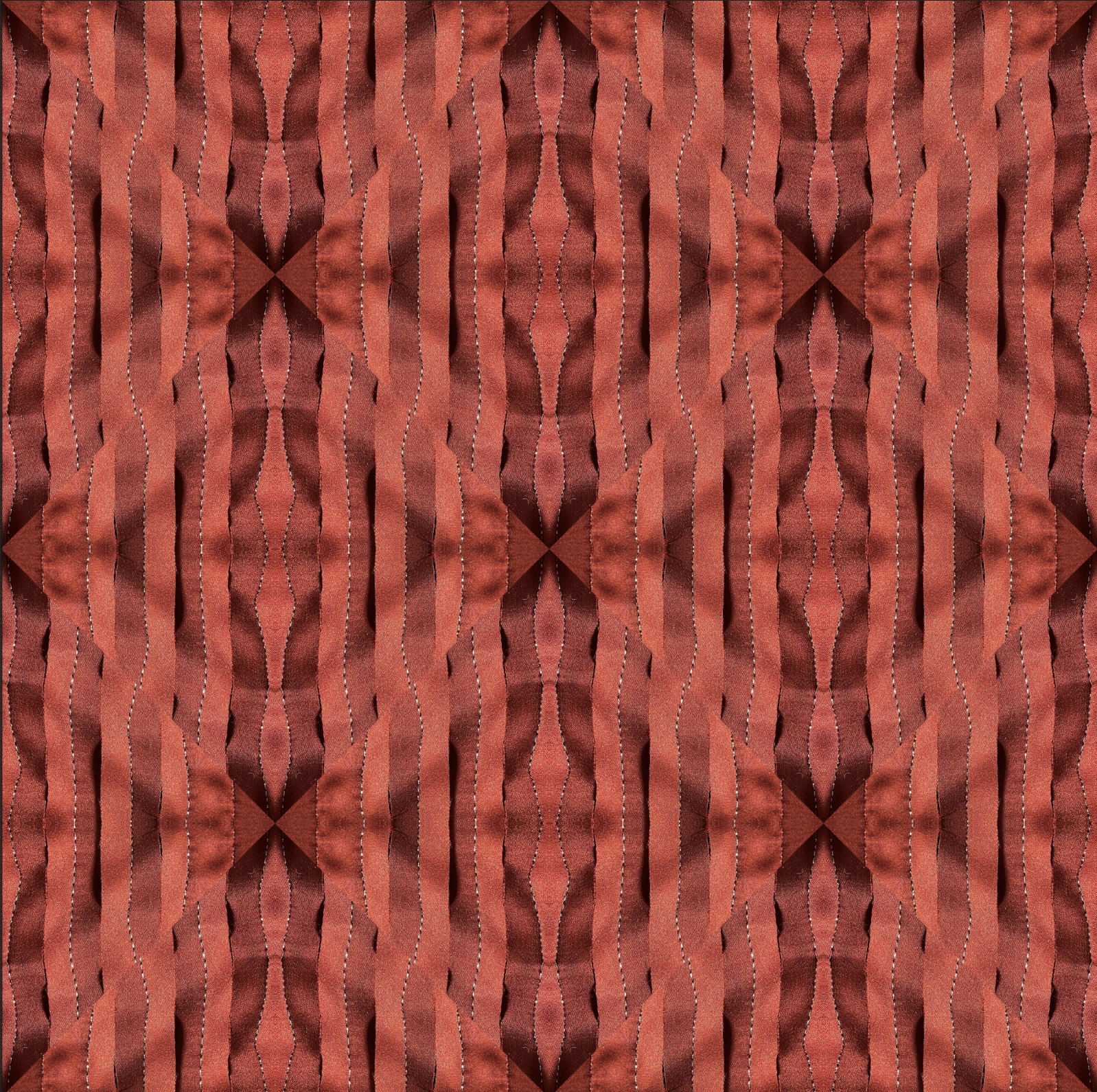
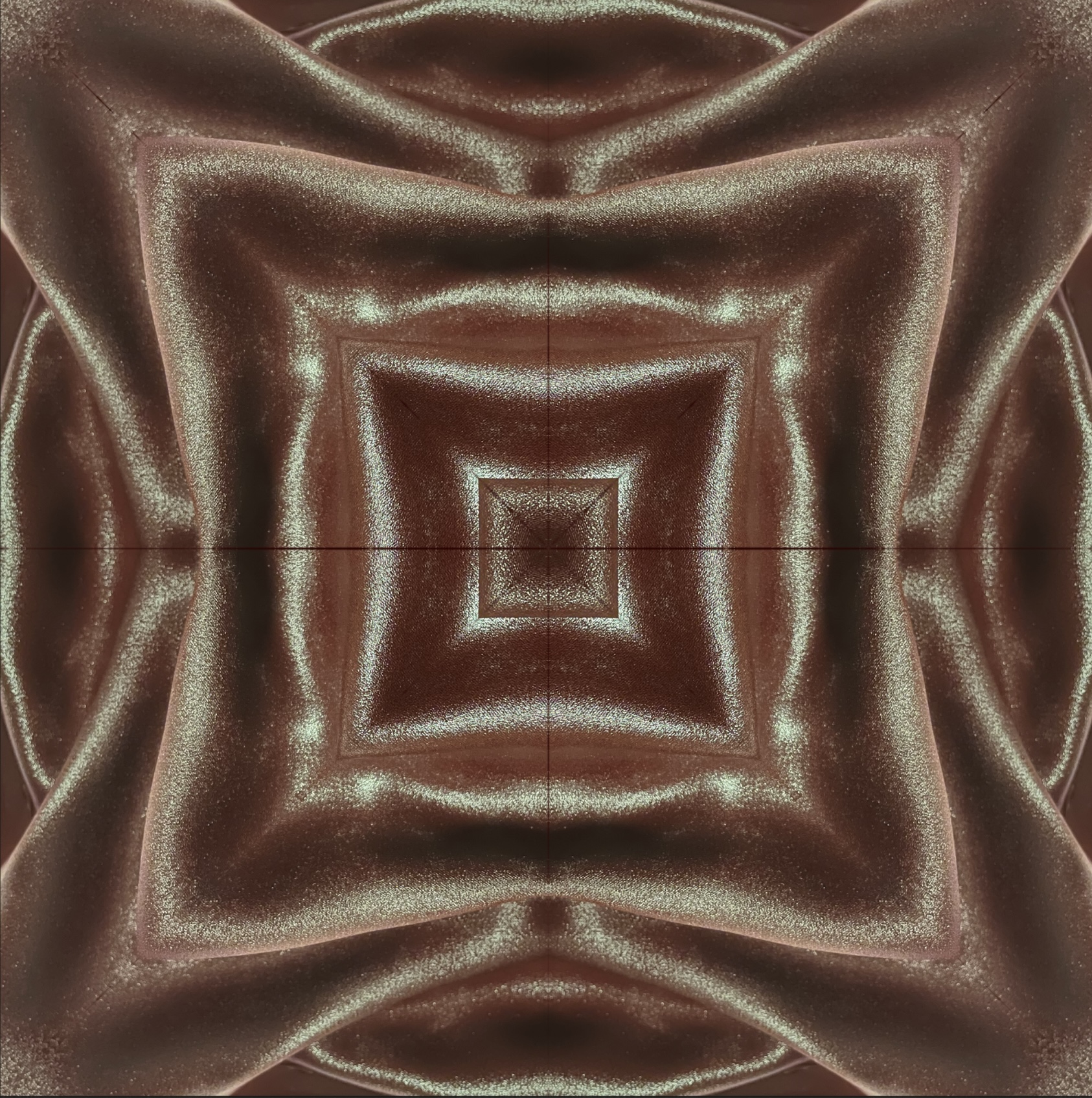
My designs originate through digital manipulation, repetitively combining and editing images of my textile work to create new possibilities that are taken back into textiles.
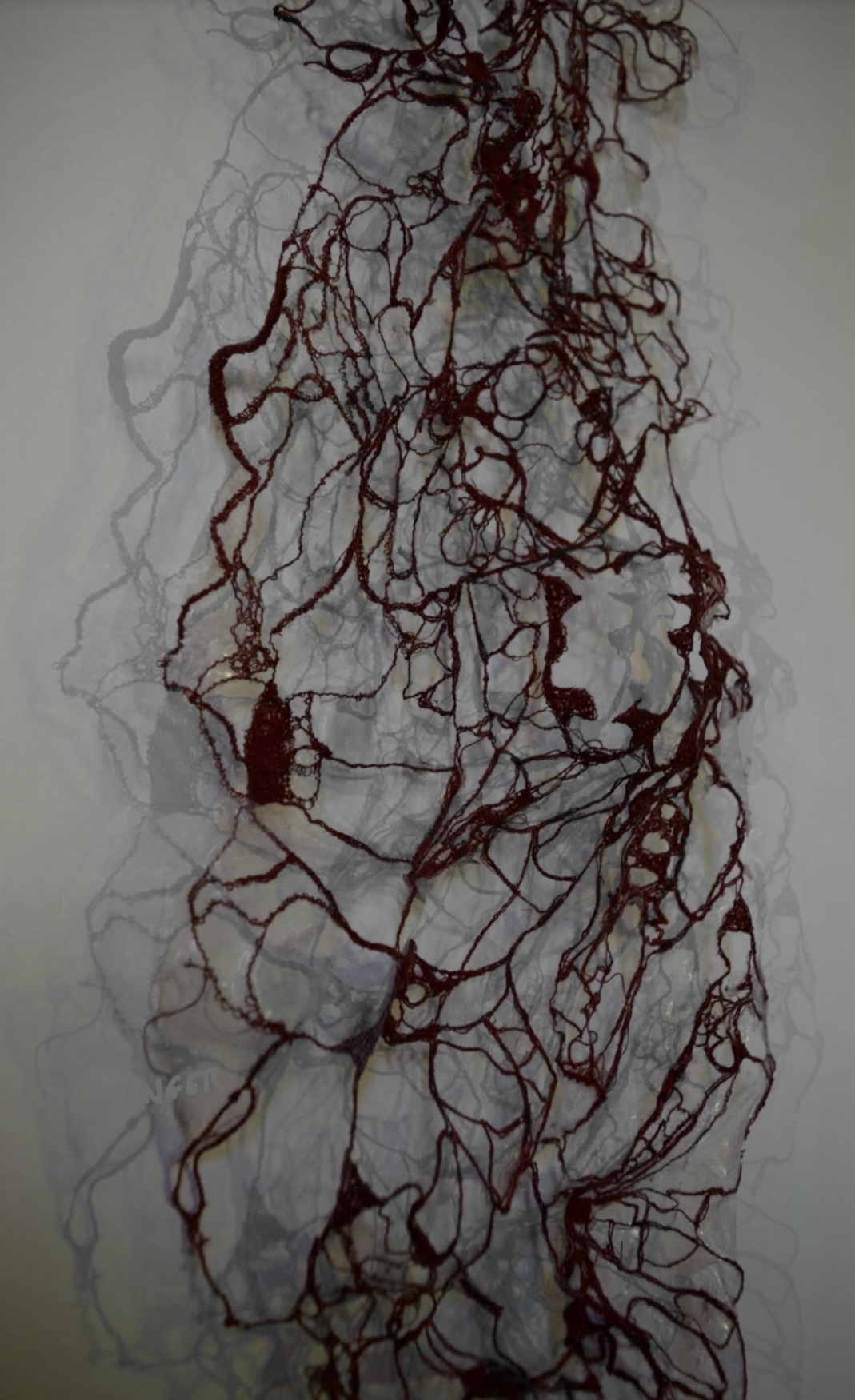
This allows me to access my practice at all times from my ipad. This is an important part of my practice as an artist who experiences long term health issues and flair ups. I often have the need to work from my room or bed. These personal experiences also inform the sensuous and bodily colours, forms and narratives of my artwork. Long periods of bleeding, pain and insomnia and autistic overwhelm inspire abject bodily forms come through in my artwork, specifically the cuts I use in my artwork, and reflect the discomfort, disassociation and distrust I feel in my body in these times, which helps me connect and work through these feelings.

Curation and Exhibition work
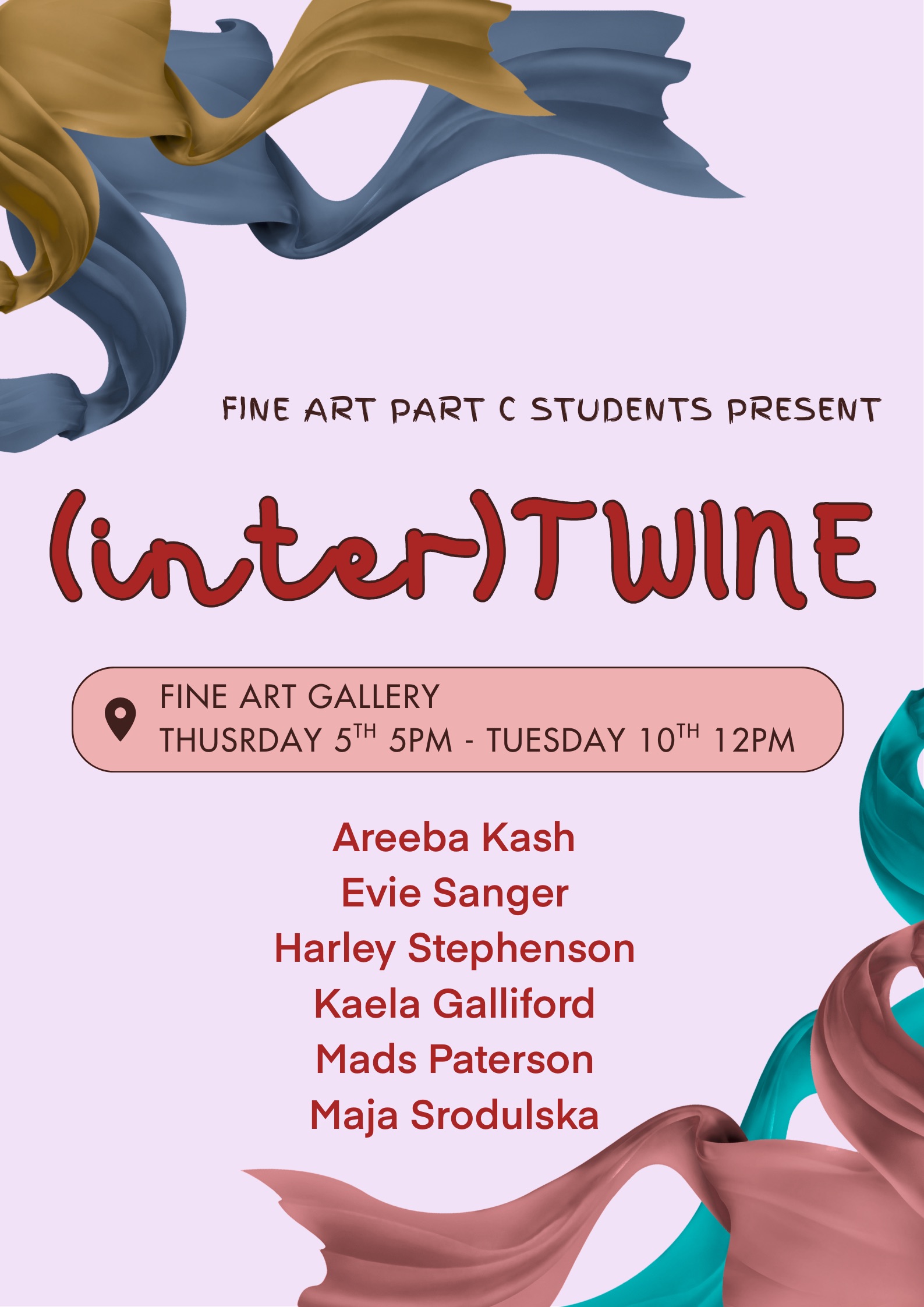
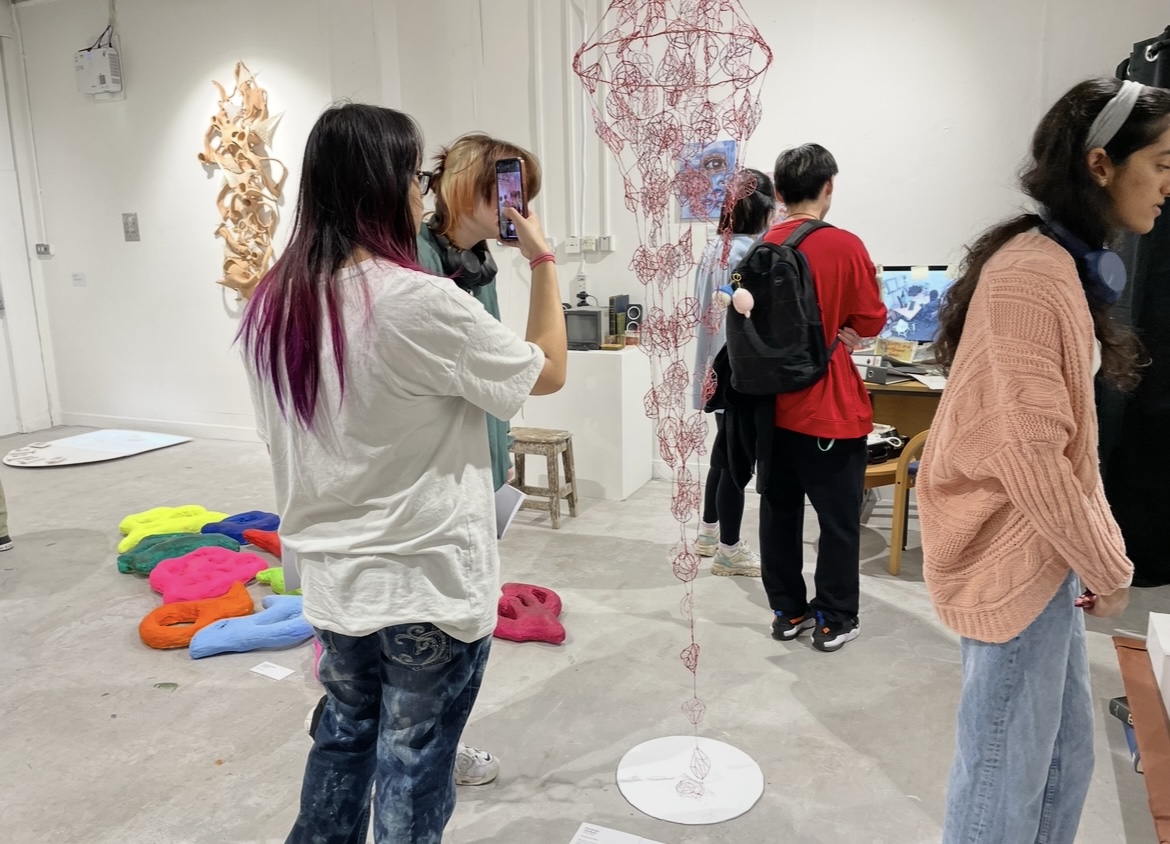
(inter)TWINE was a group exhibition from six final year fine art students whose work is connected by an interest in textile processes.
The artists work spans many different textile techniques, such as quilting, wet felting, applique and machine stitching but all are used in a new contemporary way. The chosen techniques aim to manifest parts of the artists individual identities and how they impact relationships to others and wider society. The individual identities become woven together in a collaborative piece, displaying similarities in our practices and
A group show at Loughborough University Gallery marking our introduction into displaying our work in public.
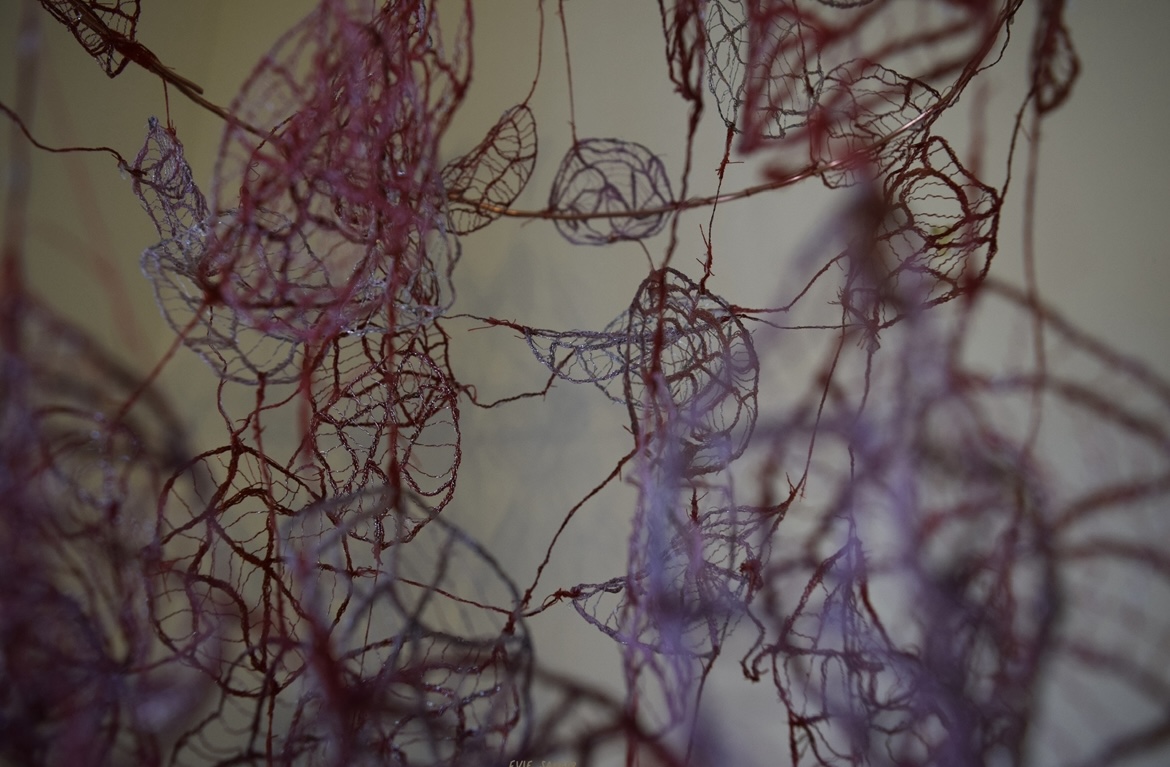
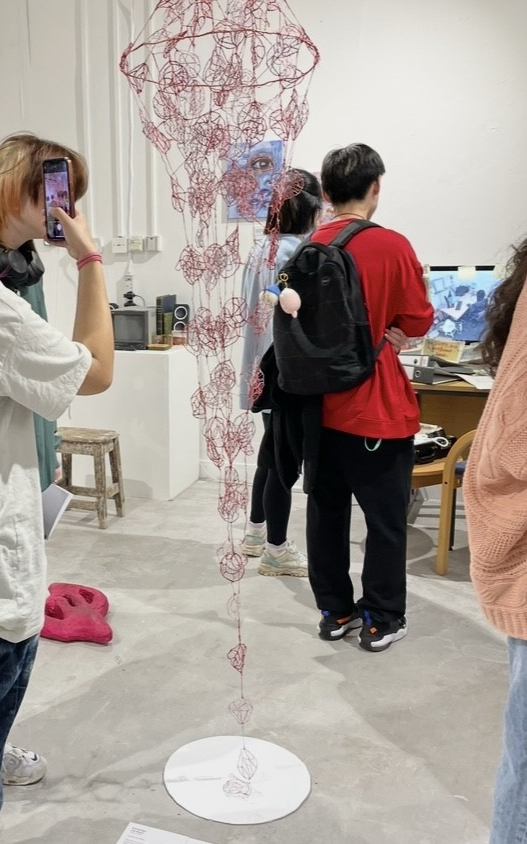
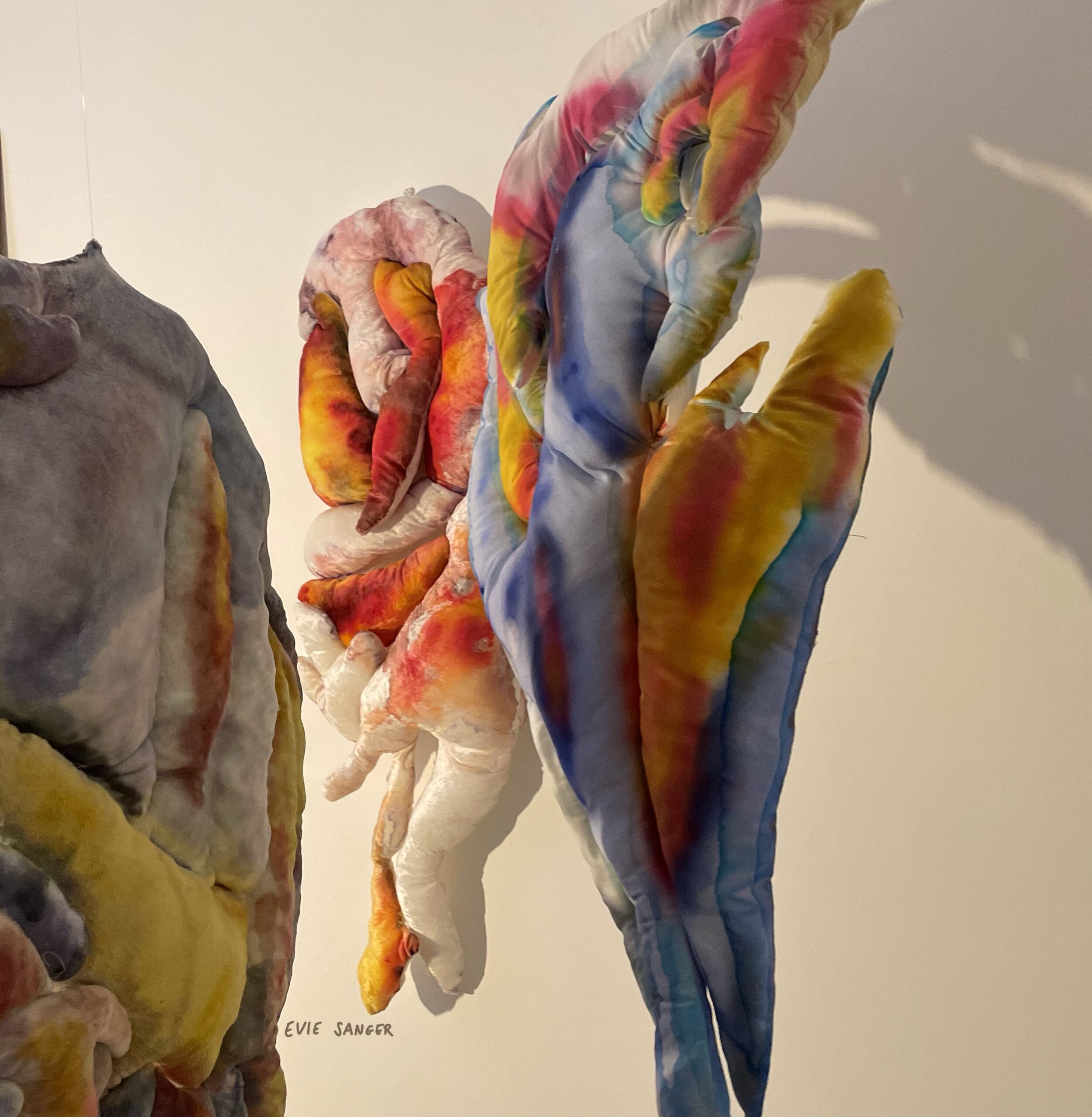
CRUSHED (2026)
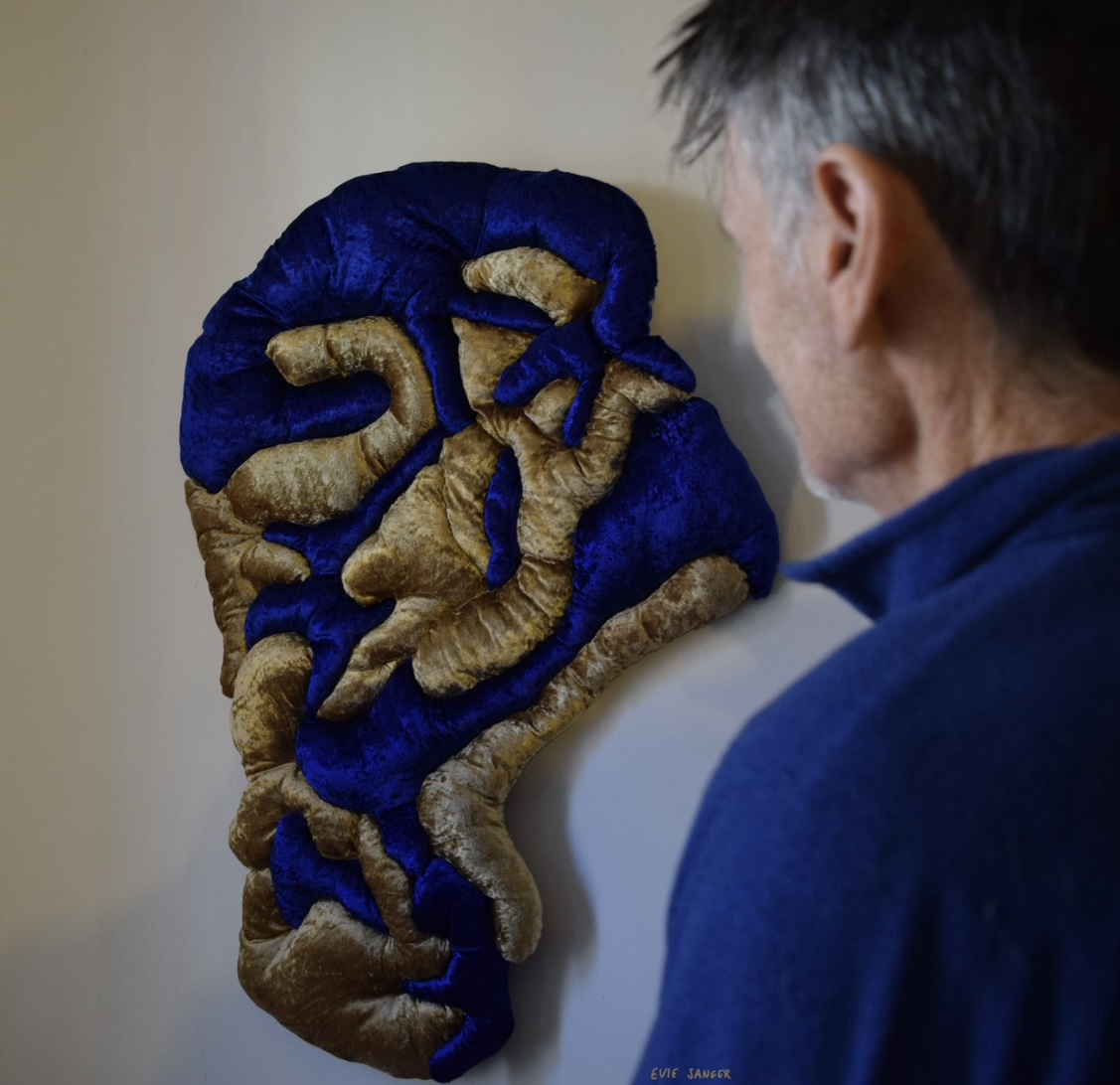
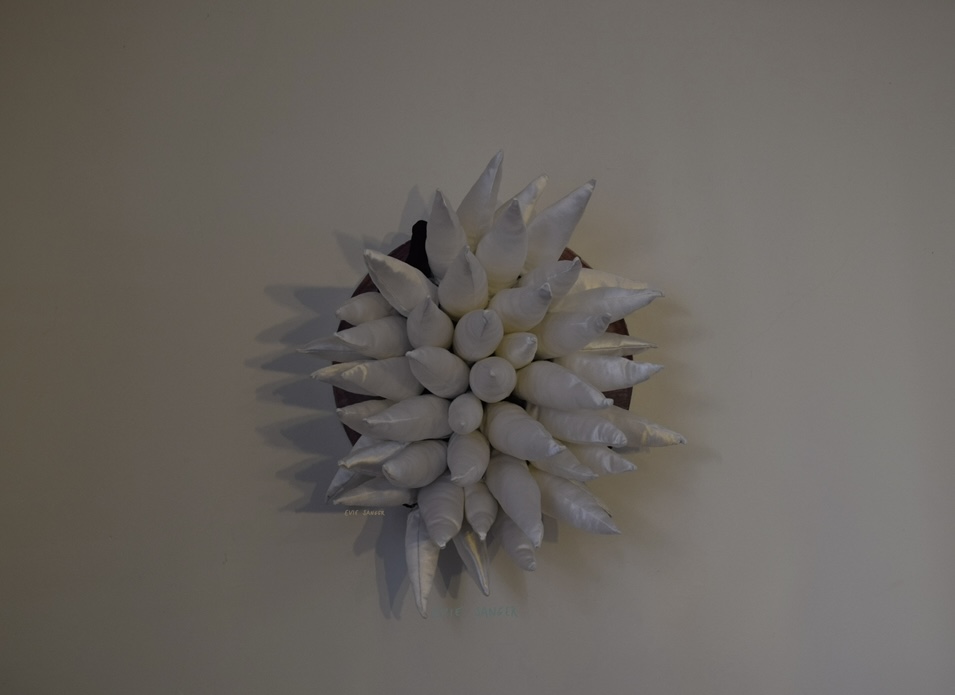
IMMUNITY (2024)
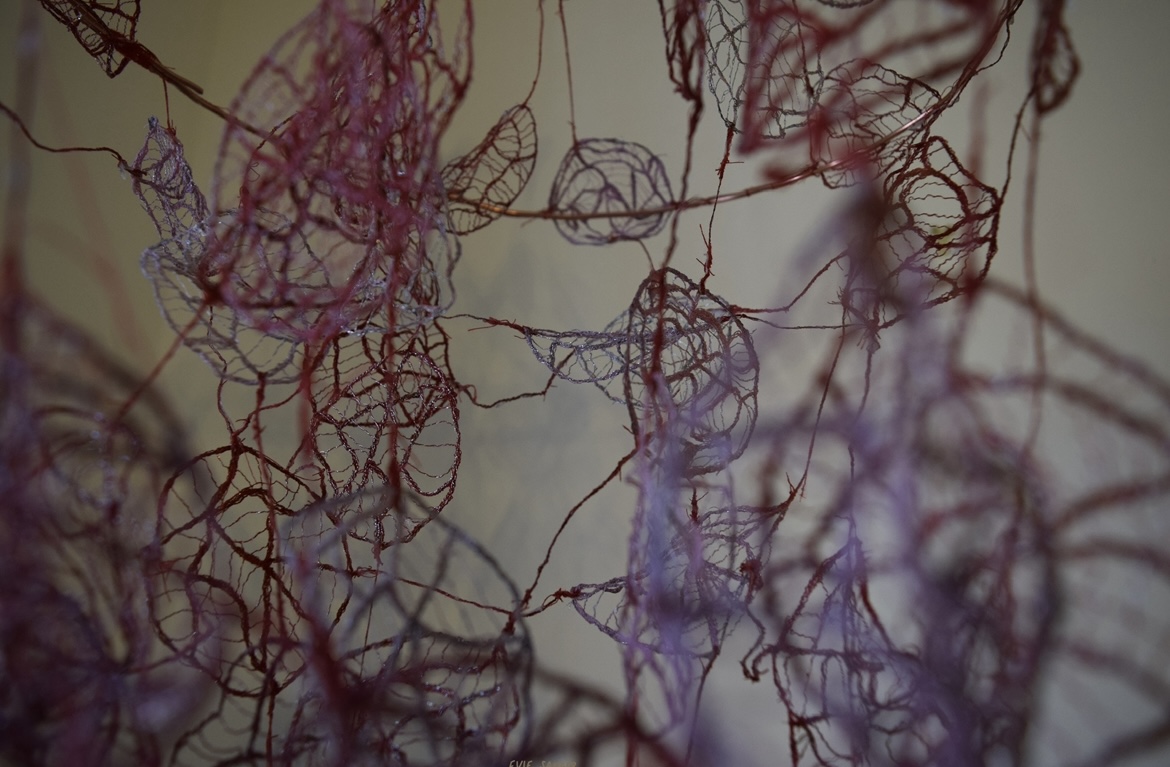
Menorrhagia (2025)
I would like to acknowledge the people who have supported me through my degree.
Lorraine Young, both as my personal tutor and on behalf of the Fine Art department, made key adjustments so I could sustain my studies and art practice.
Hannah Iley, my disability support advisor, who has always gone above and beyond from my first day at Loughborough and been the person I can talk to about any Issues.
Balvir Bains, my study supporter this year, helped in many different ways to keep me on track.
Geraldine Russell who donated fabrics and supplies to enable my practice.
The tutors who adapted to and encouraged my way of working and my art.
Last but not least, my family for always being neuroaffiring and fighting for my education.