Holly Waterhouse
She/Her


I'm a graphic designer who leads with curiosity. Specialising in branding and advertising, I build ideas driven by research, storytelling and real-world impact, finding the most interesting work in unfamiliar spaces.
She/Her
“Use design to reimagine an ordinary household item into something extraordinary.”
I answered it twice. One to fix an industry. One to save lives.
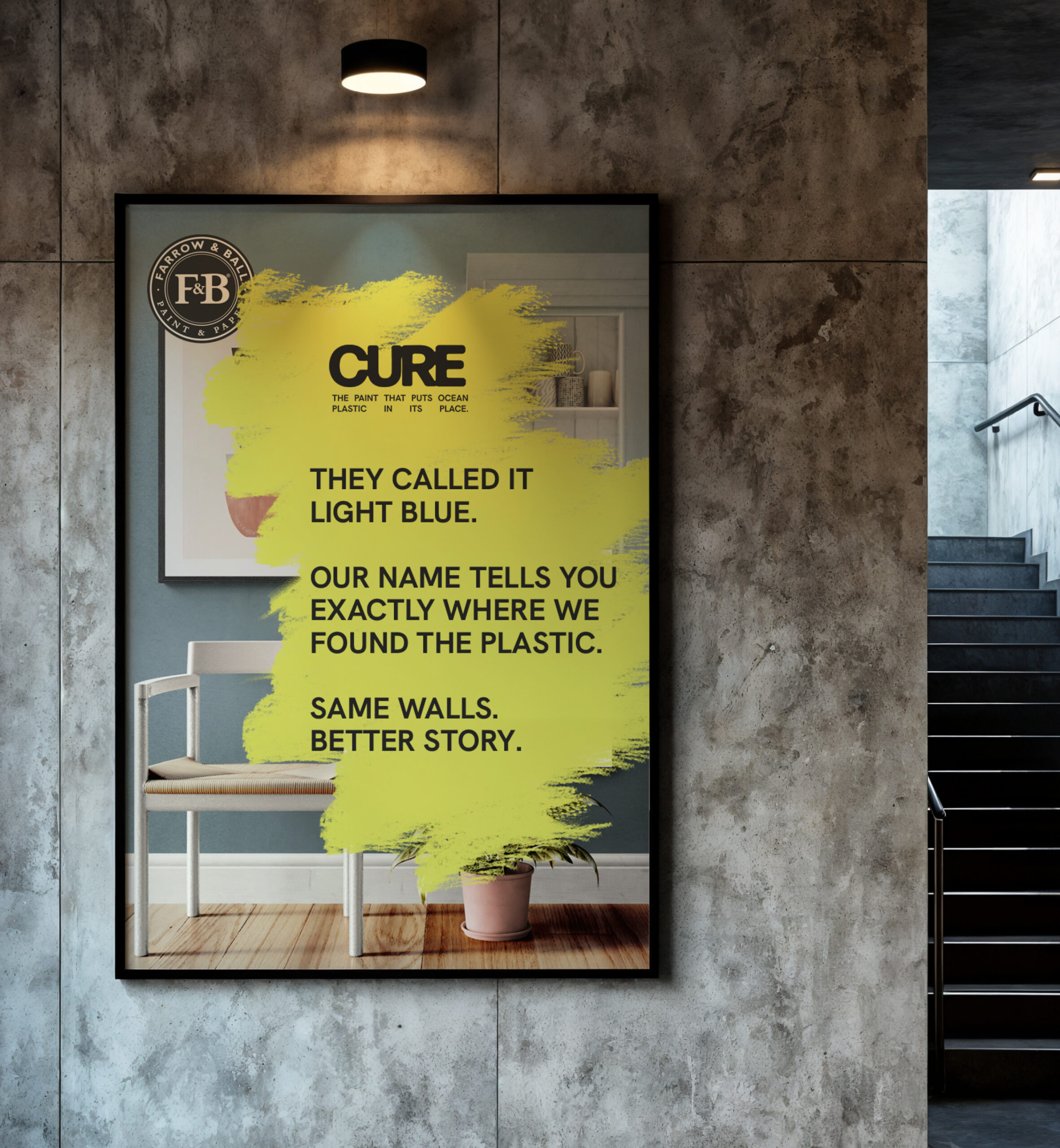
The paint that puts ocean plastic in its place.
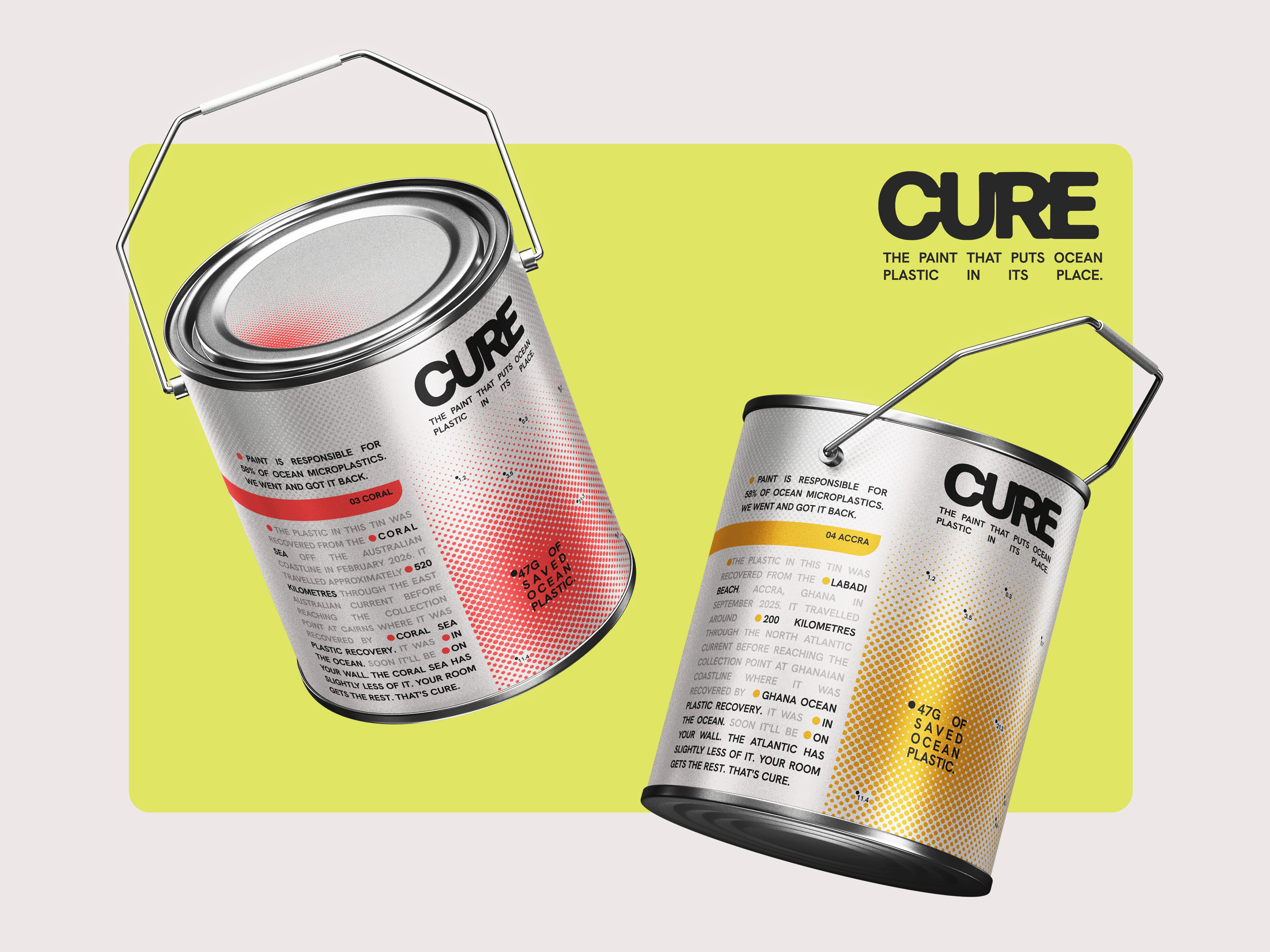
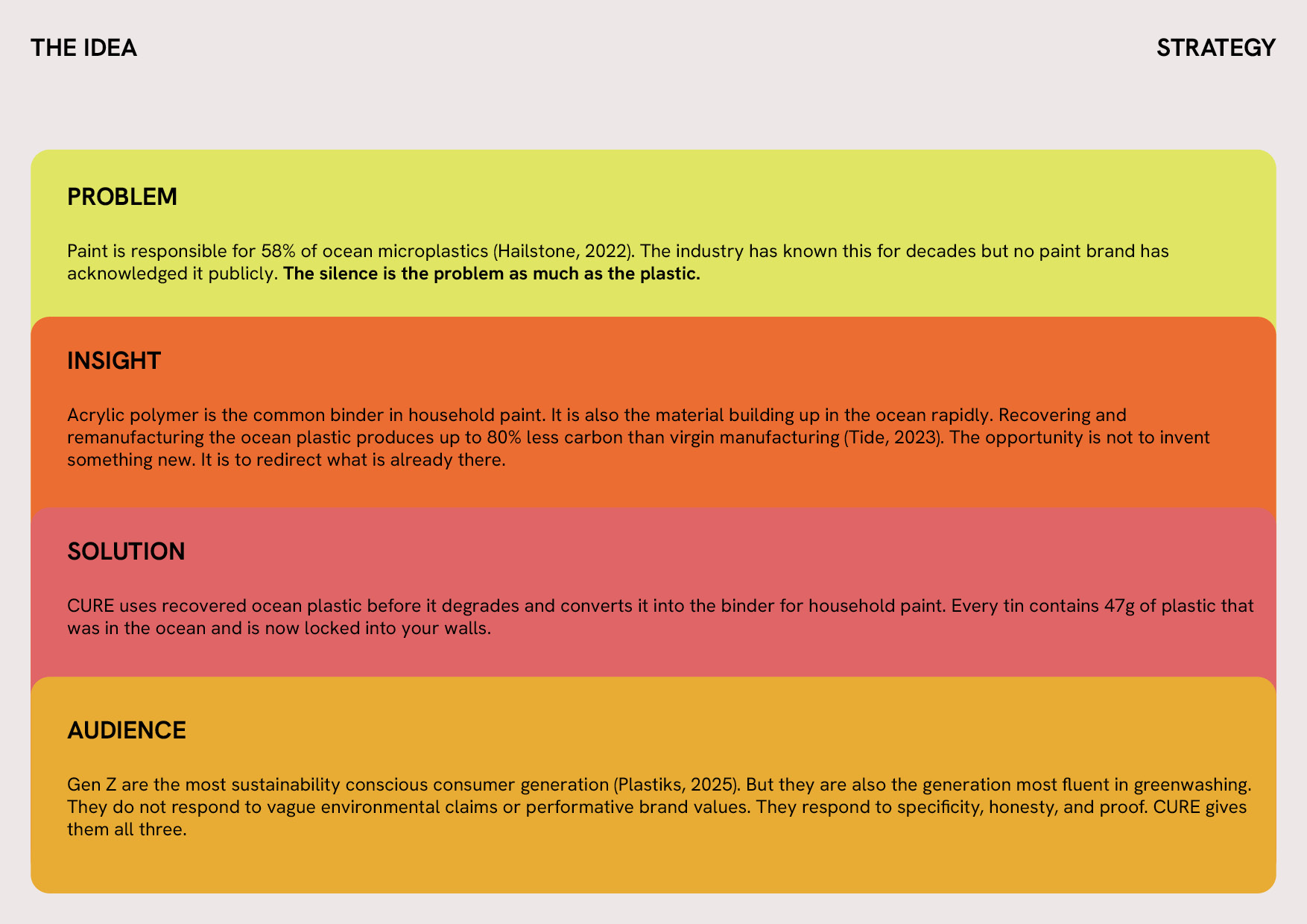
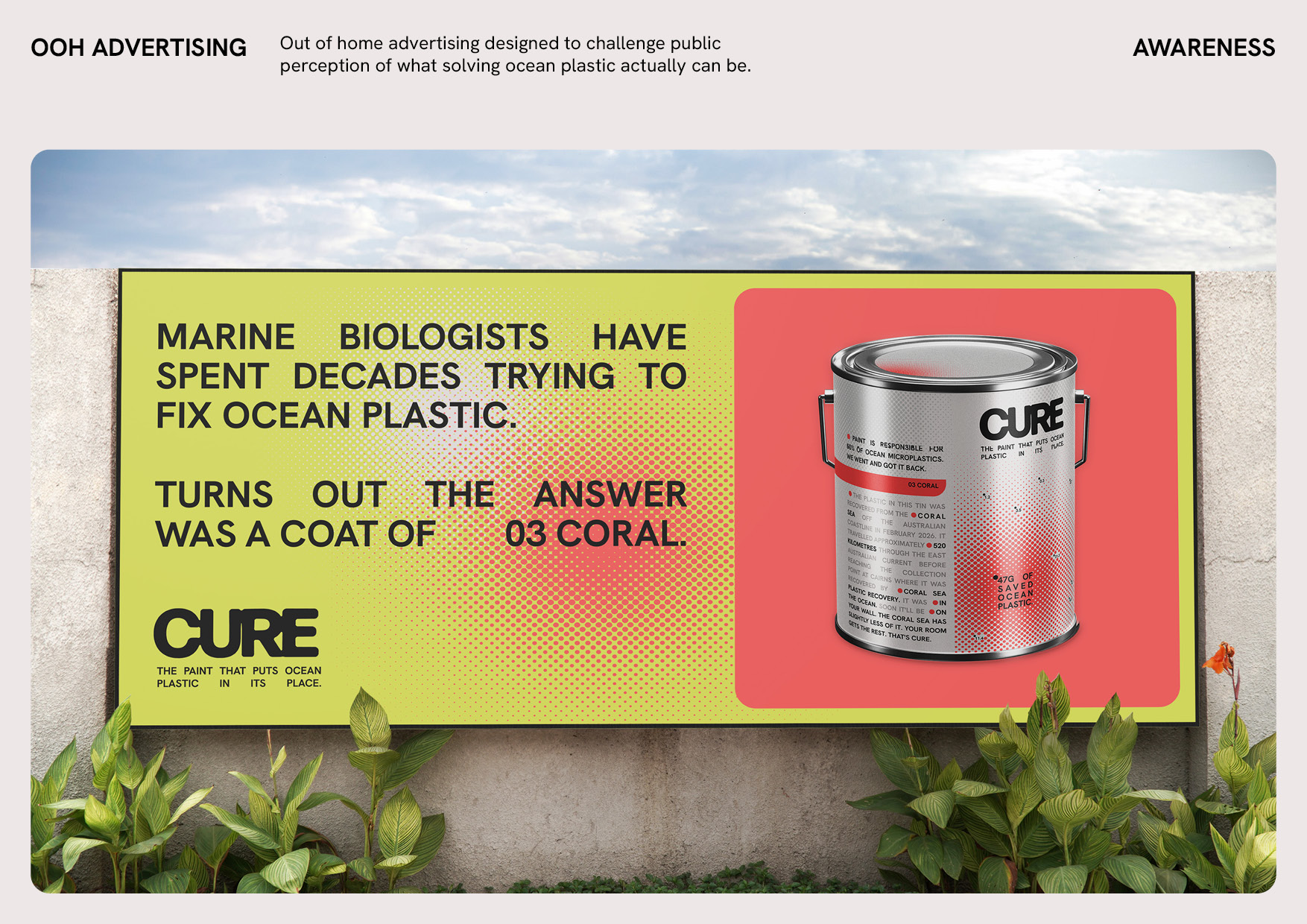
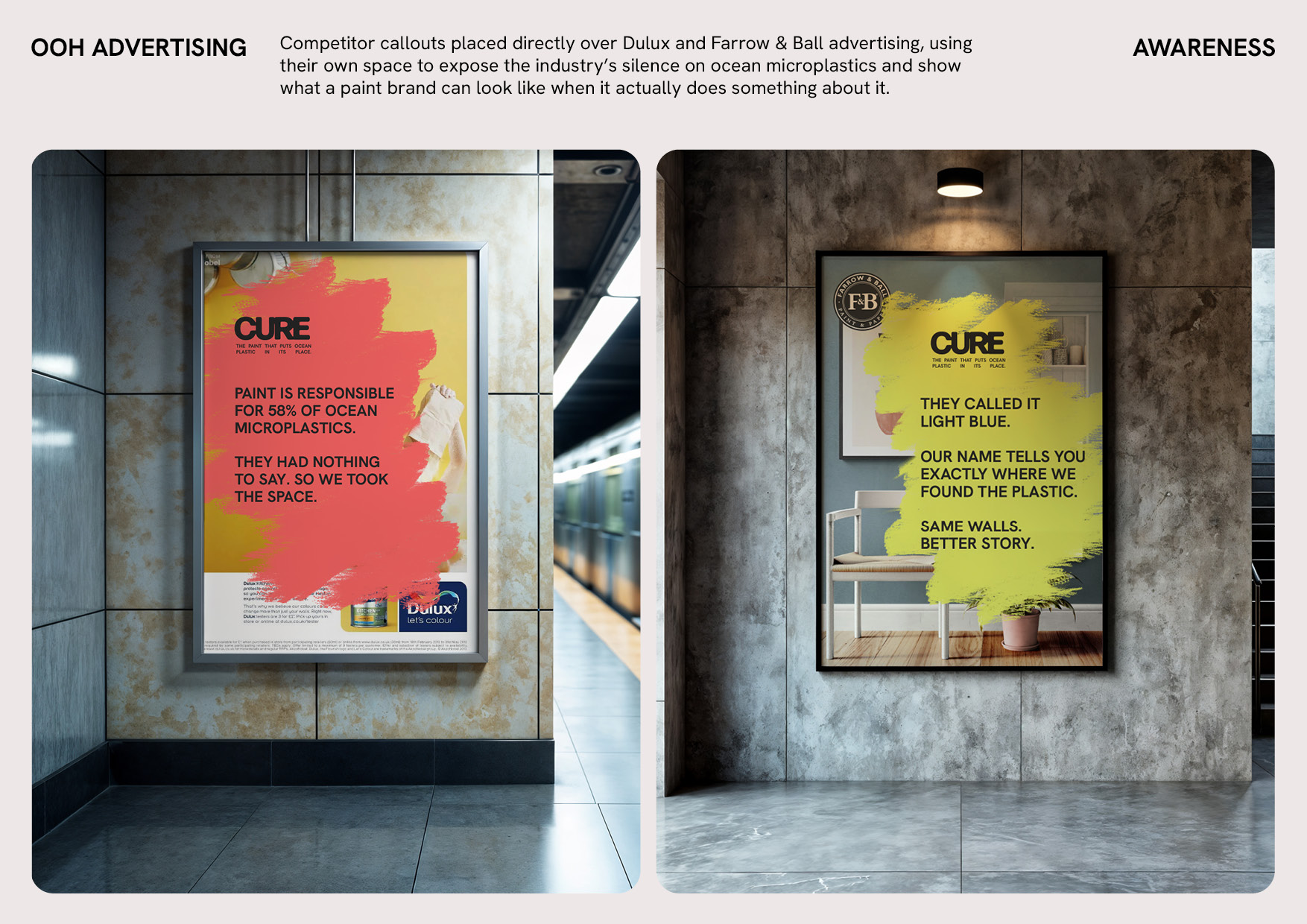
Paint is responsible for the majority of ocean microplastics. The industry has known this for decades and continues to use virgin plastic in their paints.
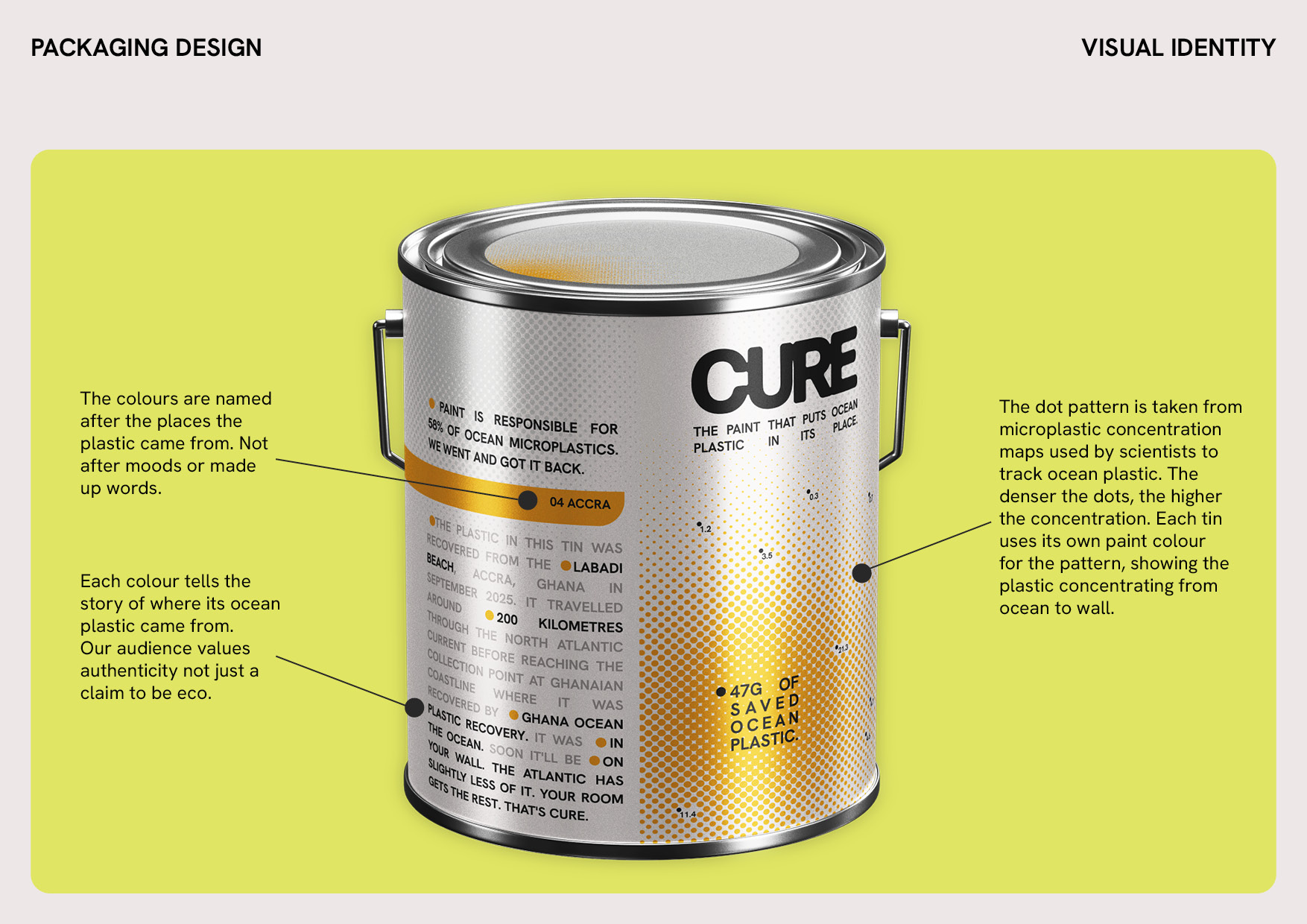
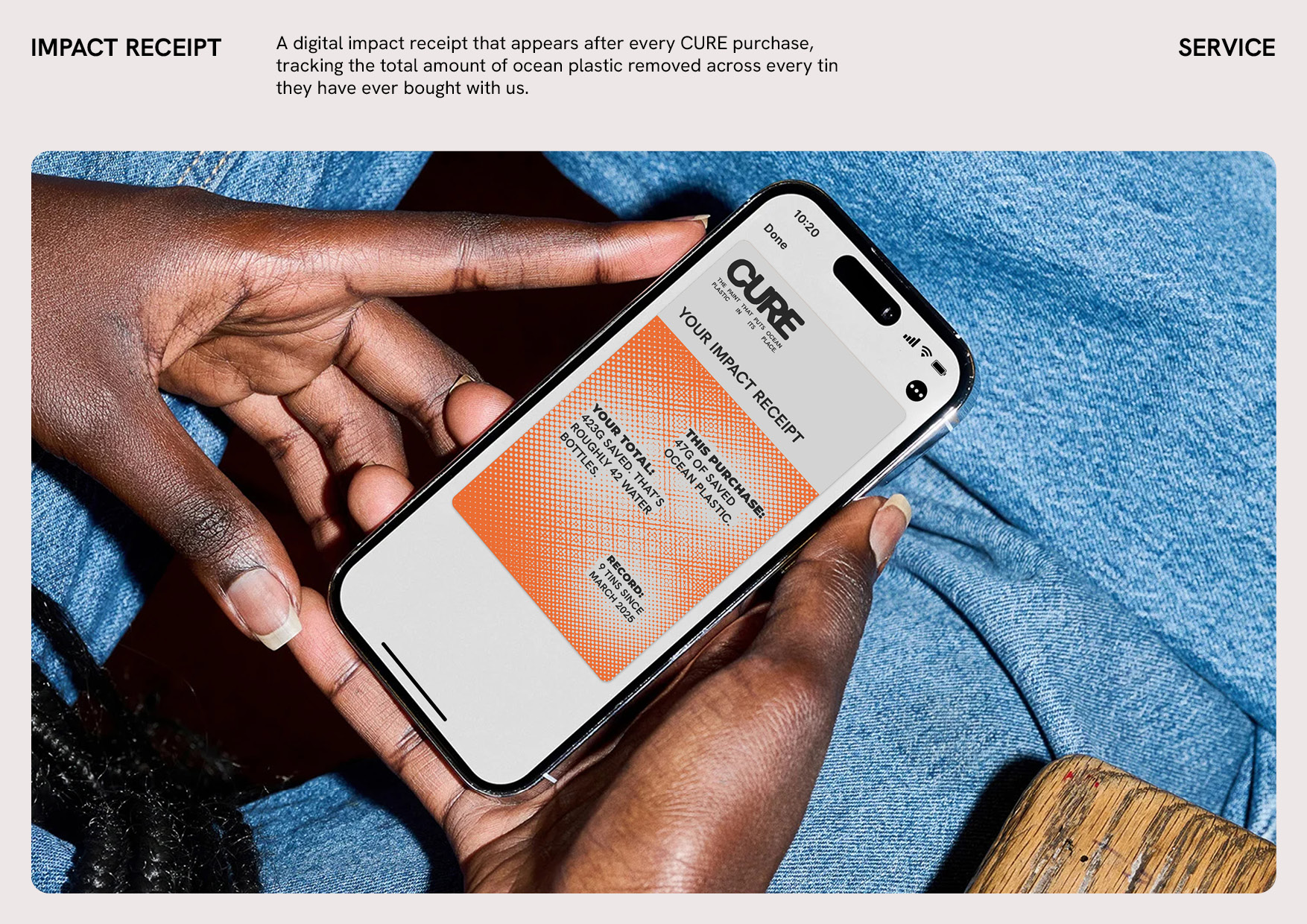
CURE uses recovered ocean plastic as the binder. The plastic is recovered before it degrades and locked permanently into the paint.
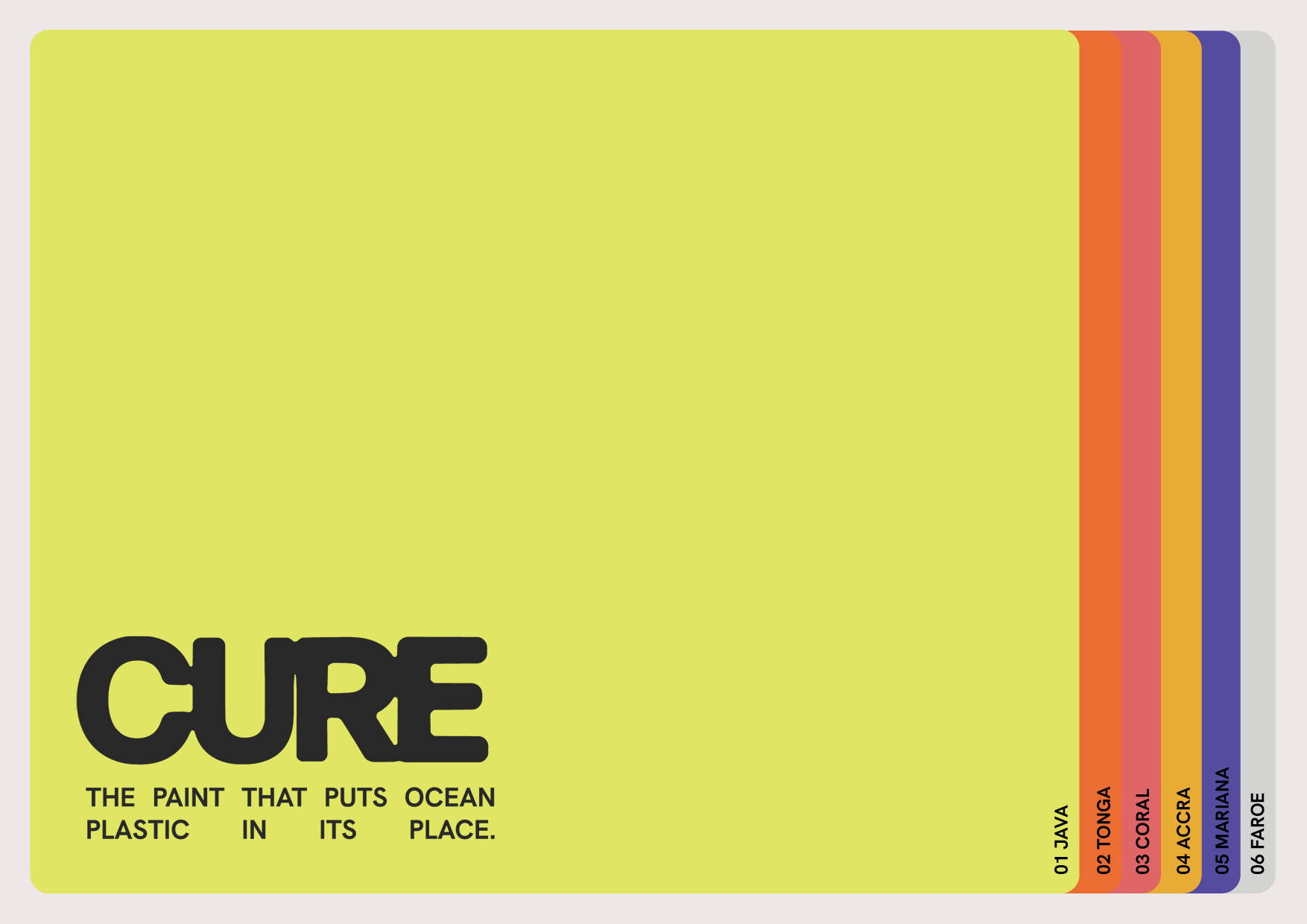
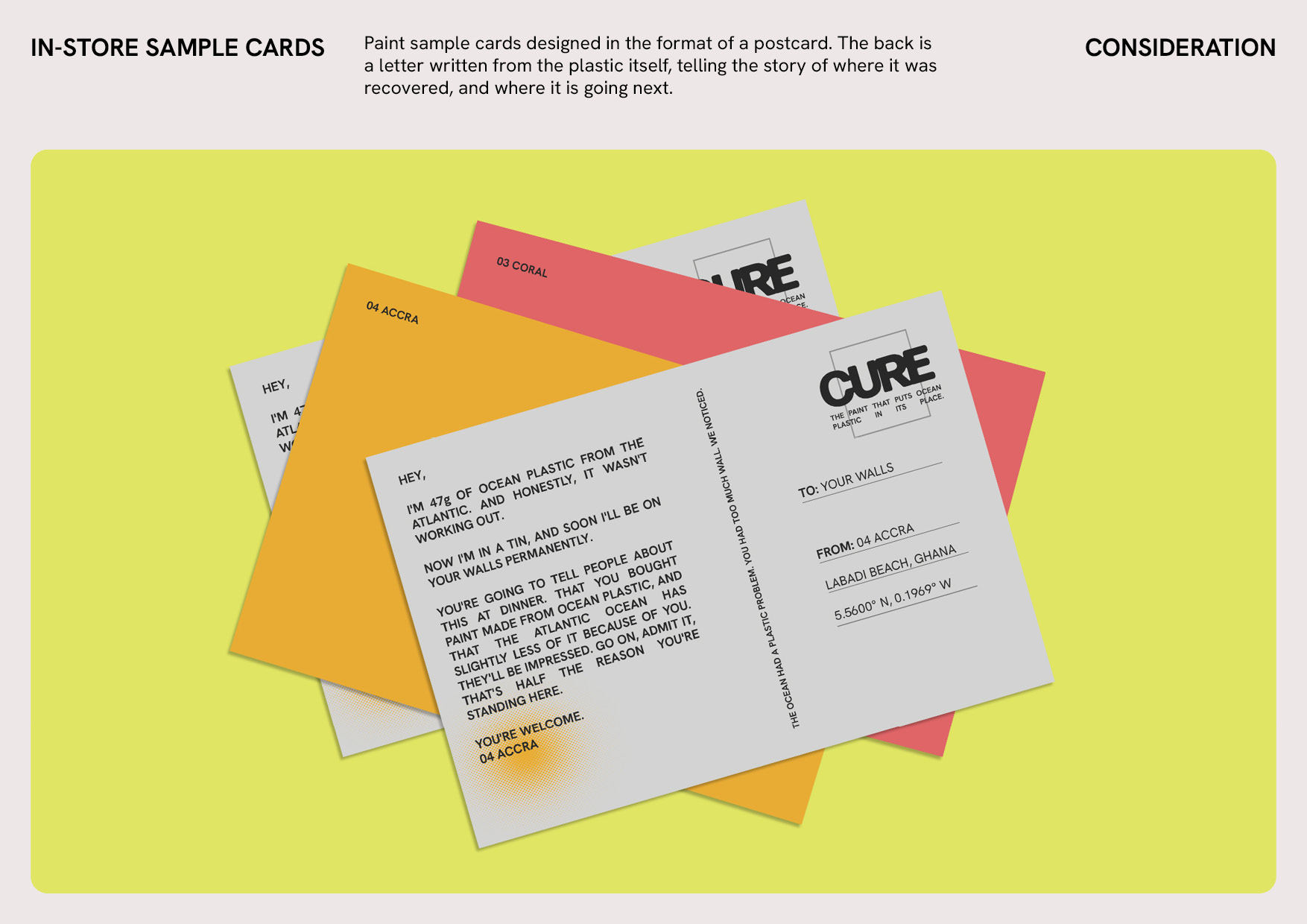
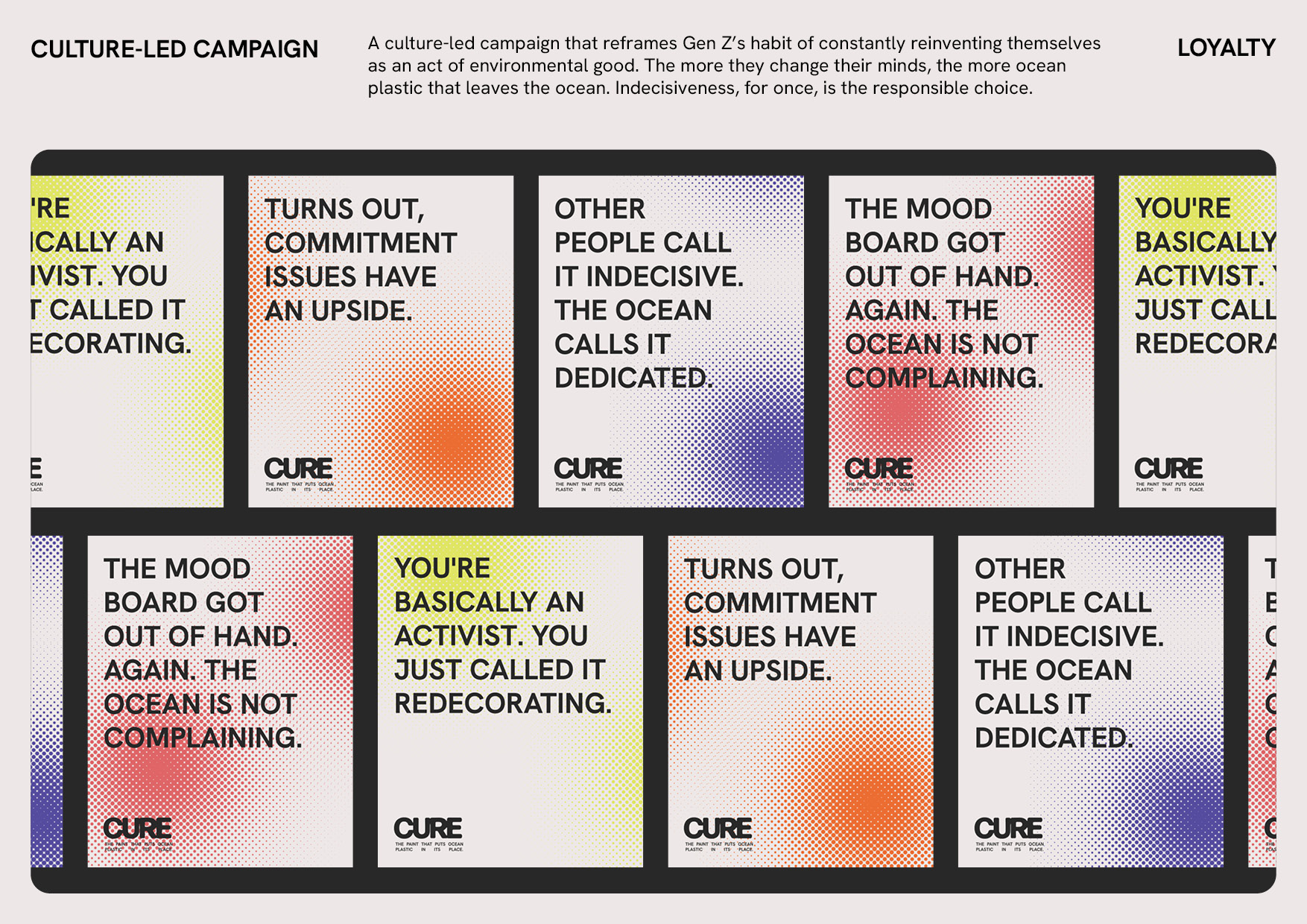
Each colour is named after the place its plastic is recovered from. Not moods or made-up words. Real places. The dot pattern on every tin is inspired by scientific microplastic concentration maps, visualising how that plastic has moved from ocean to wall, reconcentrated within the paint’s own colour.
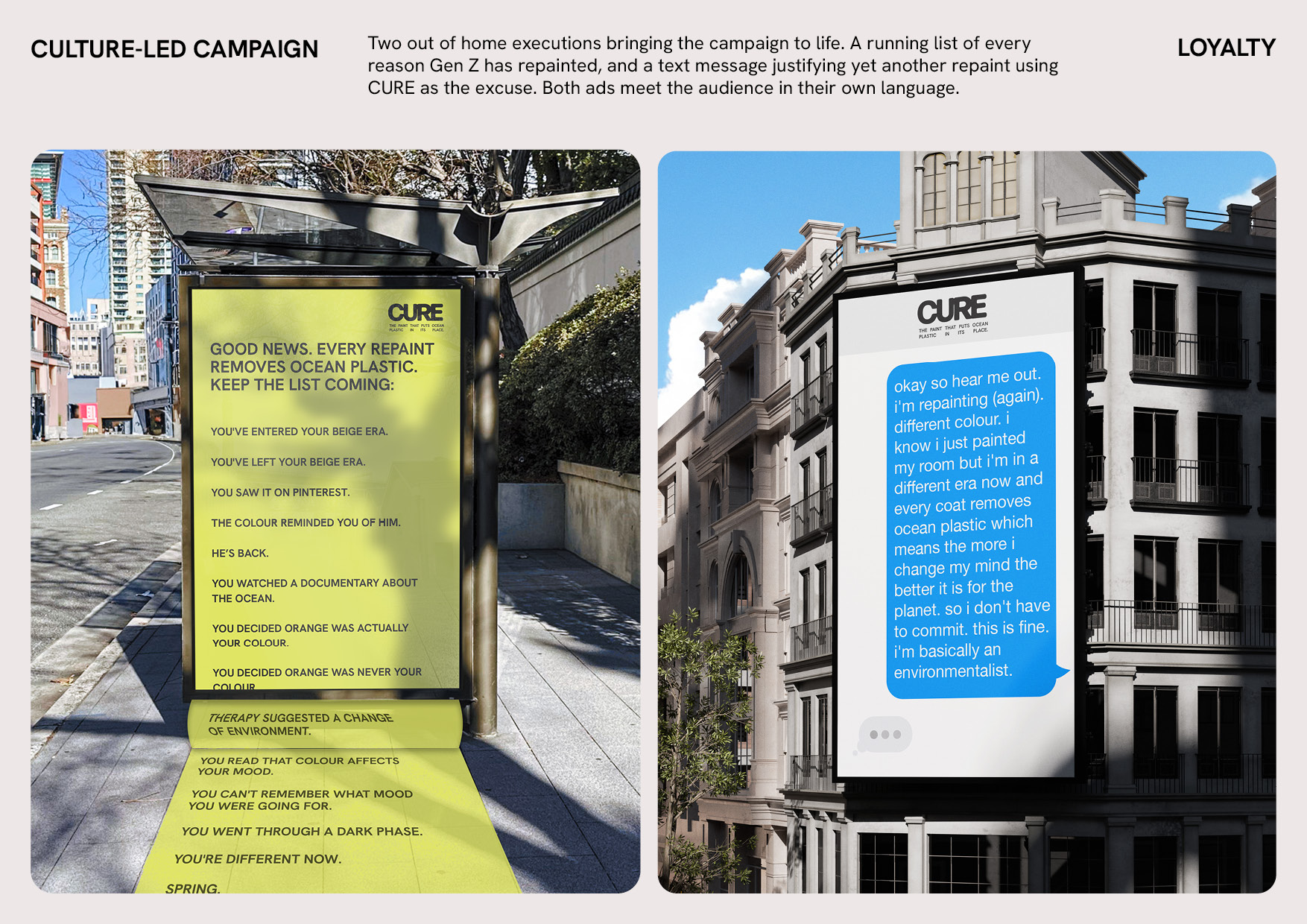
Built for a generation that sees straight through greenwashing.

The last place he thought to look.
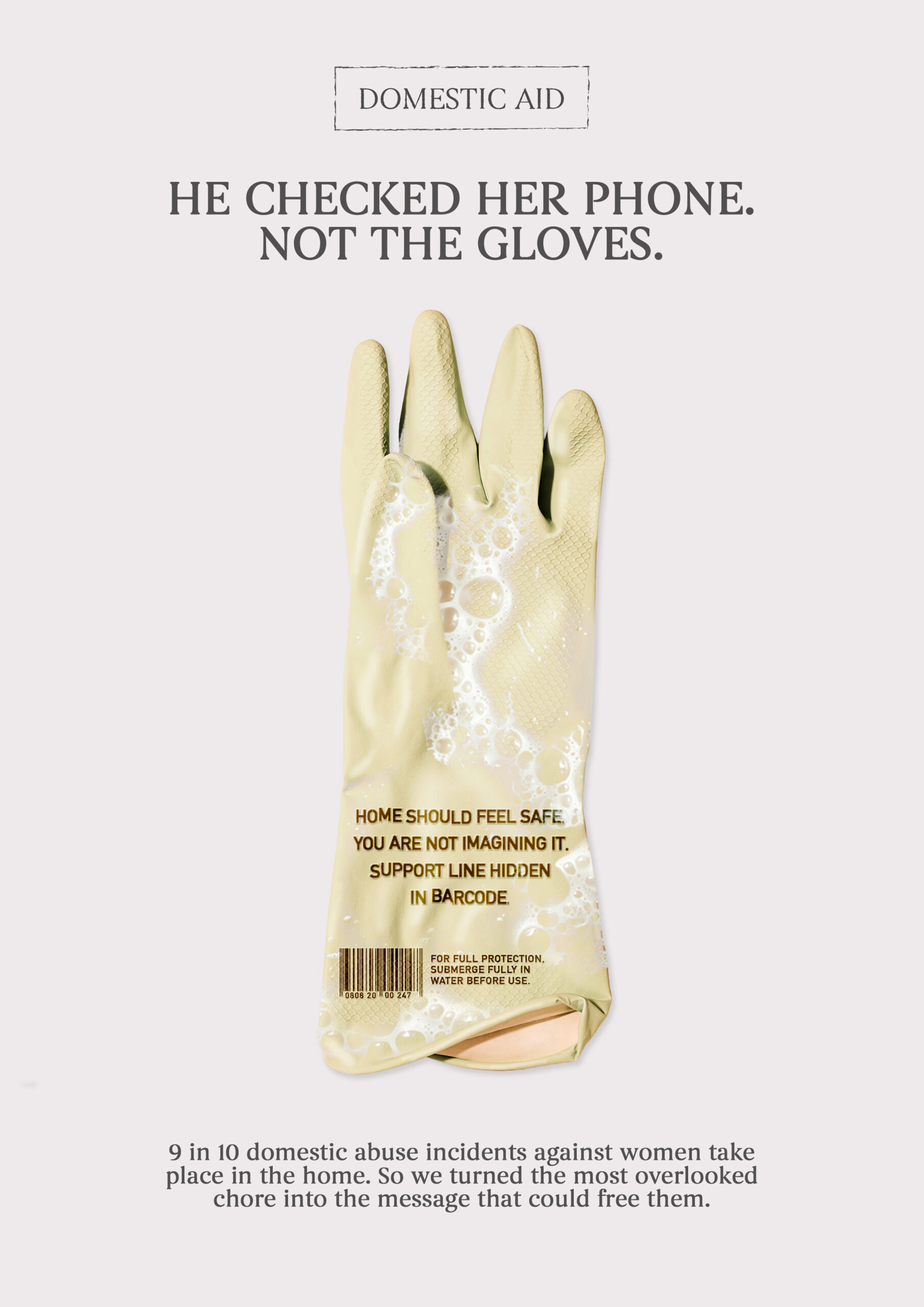
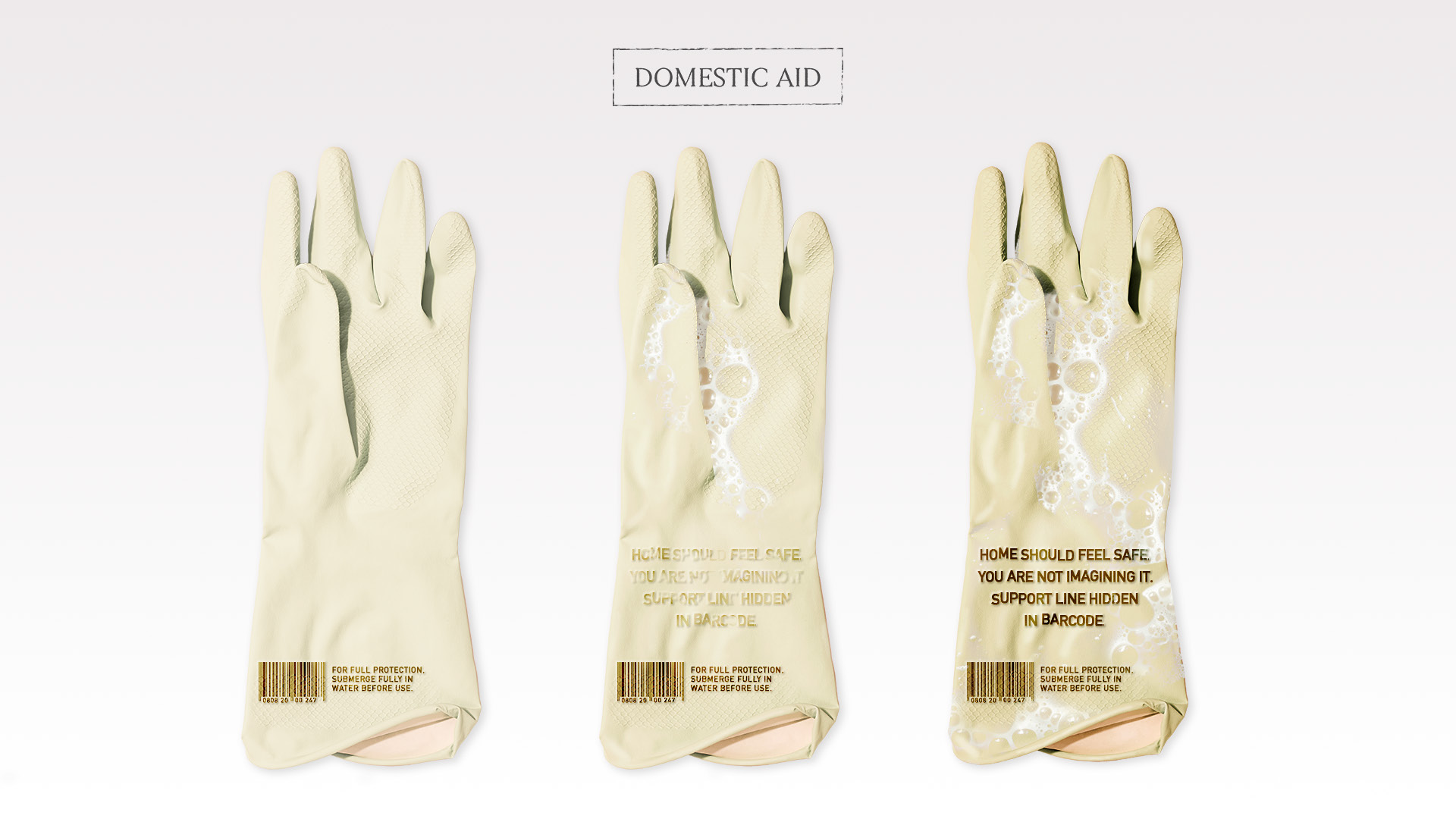
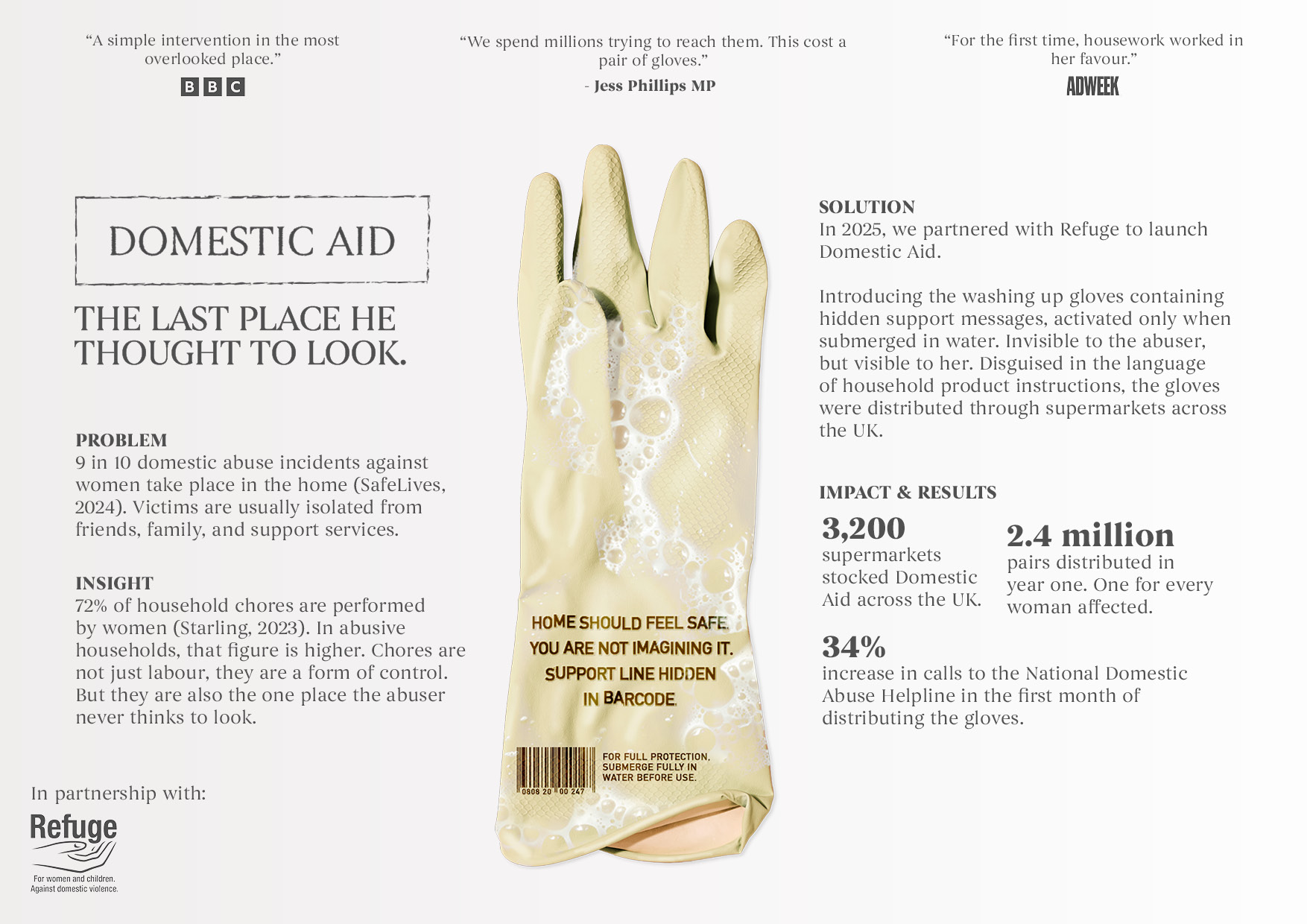
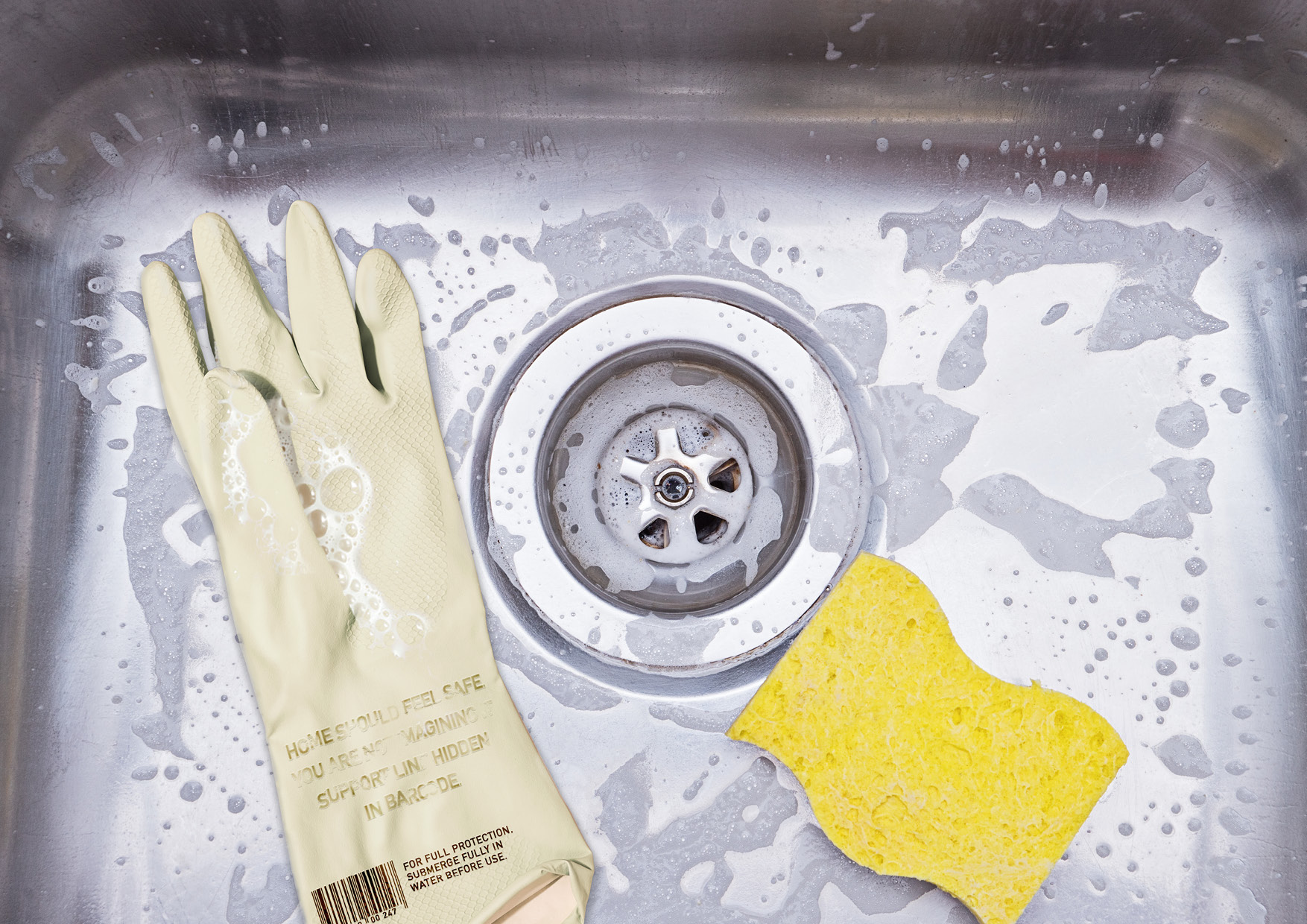
9 in 10 domestic abuse incidents against women take place in the home. Victims are isolated, monitored and cut off from support. But he never thinks to check the washing up gloves.
Domestic Aid is a pair of washing up gloves containing hidden support messages, activated only when submerged in water. Invisible to the abuser but visible to her. Distributed through supermarkets across the UK in partnership with Refuge, disguised in the language of everyday household product instructions.
Whilst women carry out the majority of household chores, in abusive relationships that becomes a form of control. For the first time, it works in her favour.
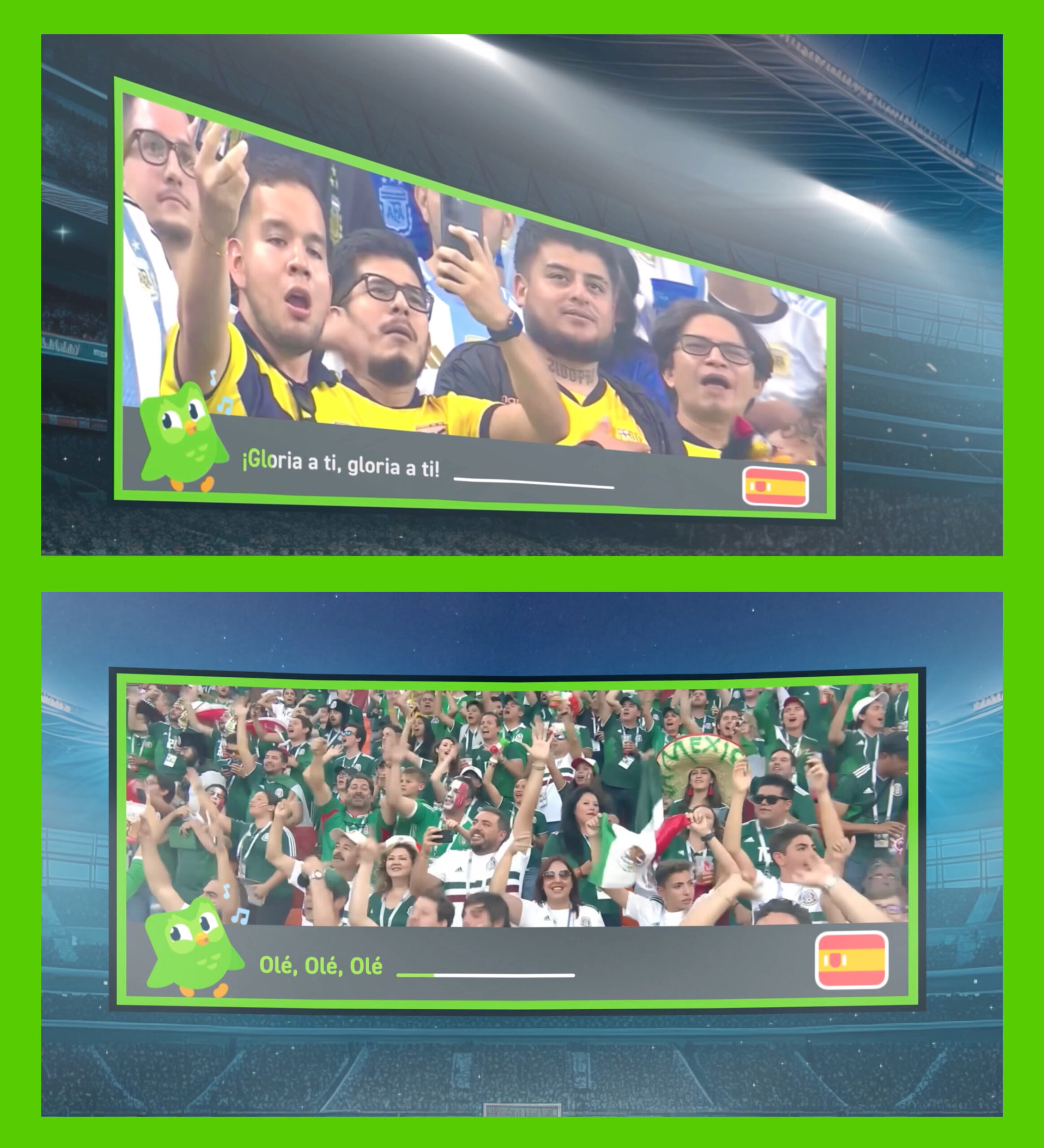
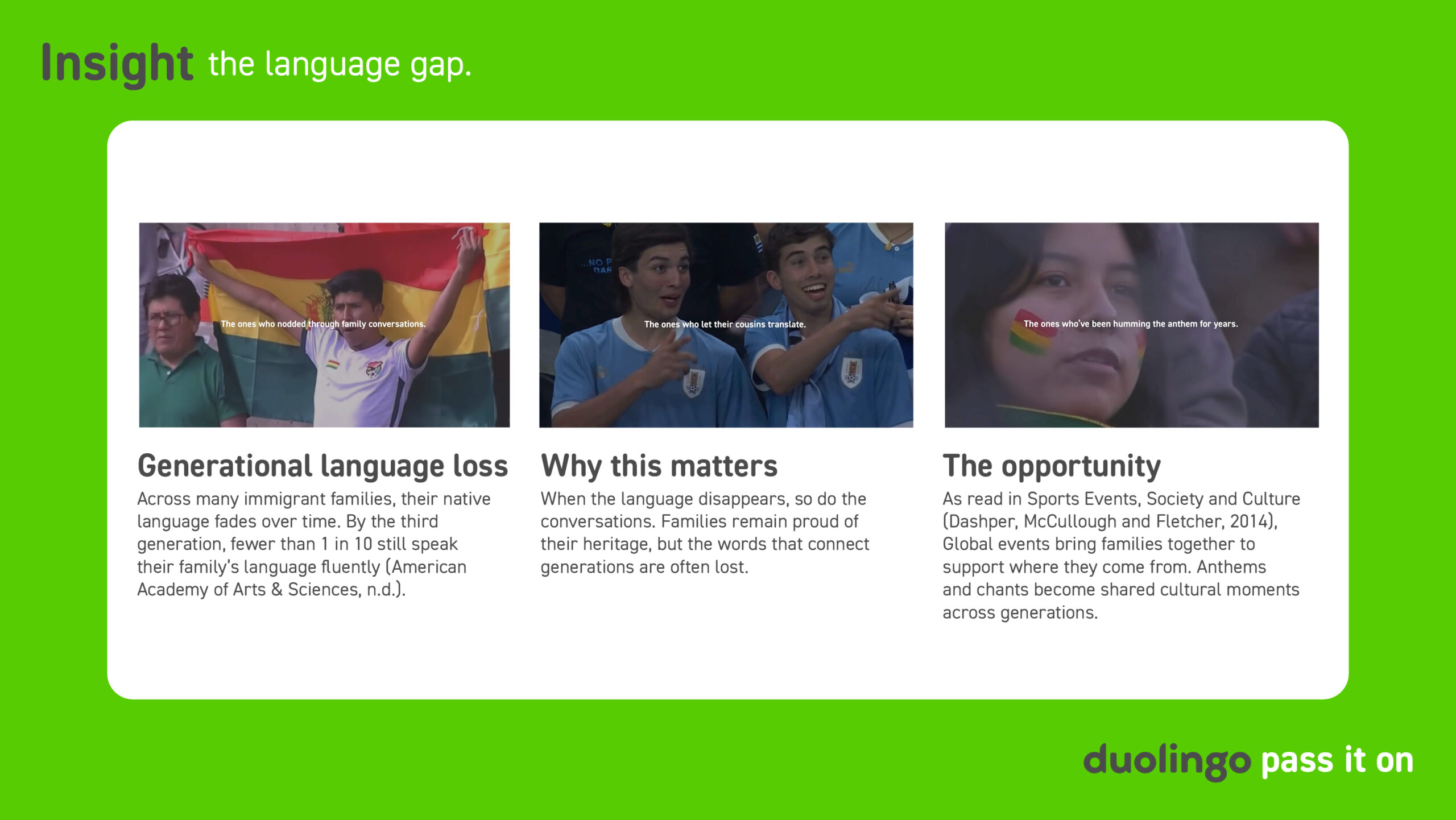
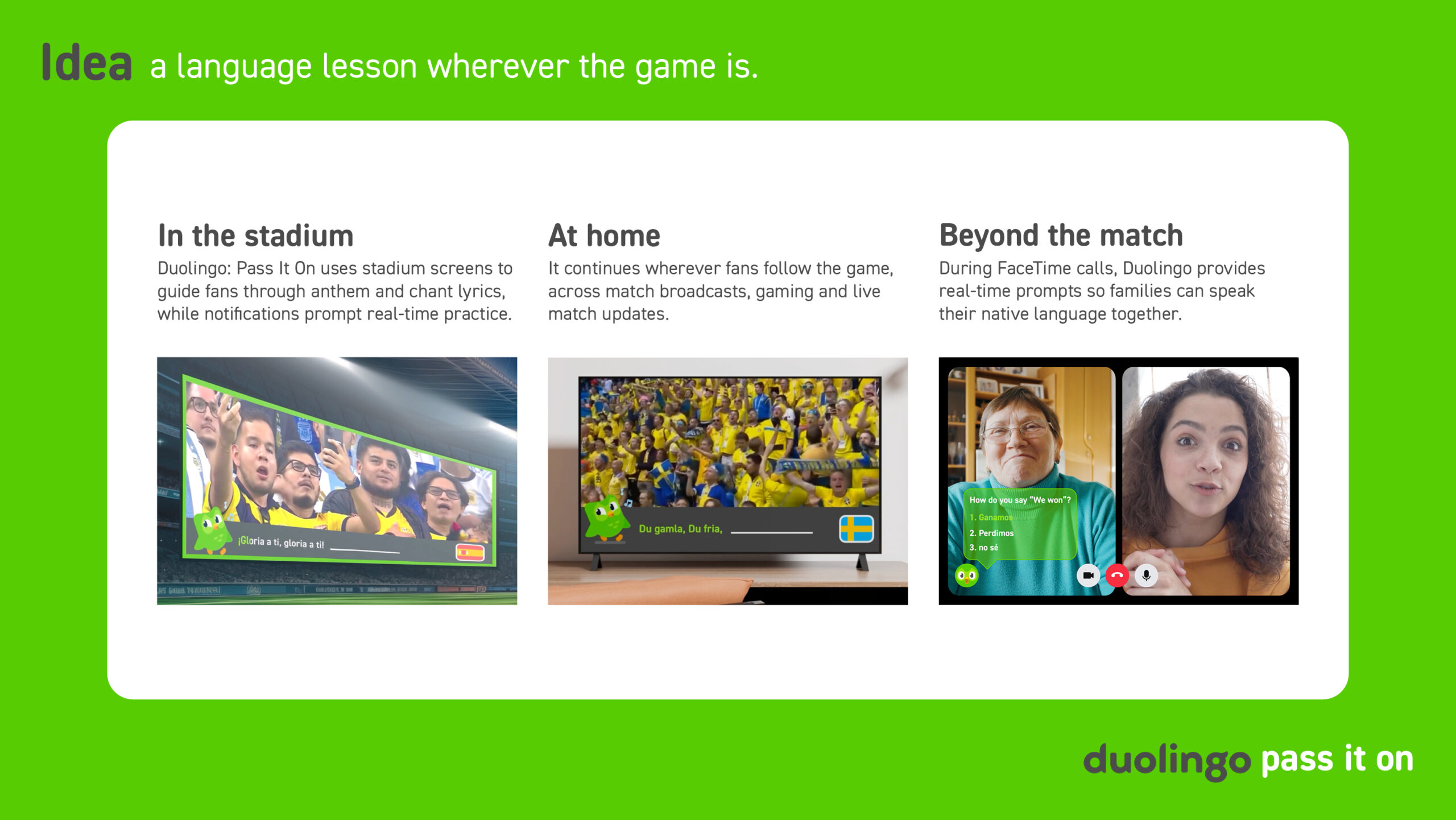
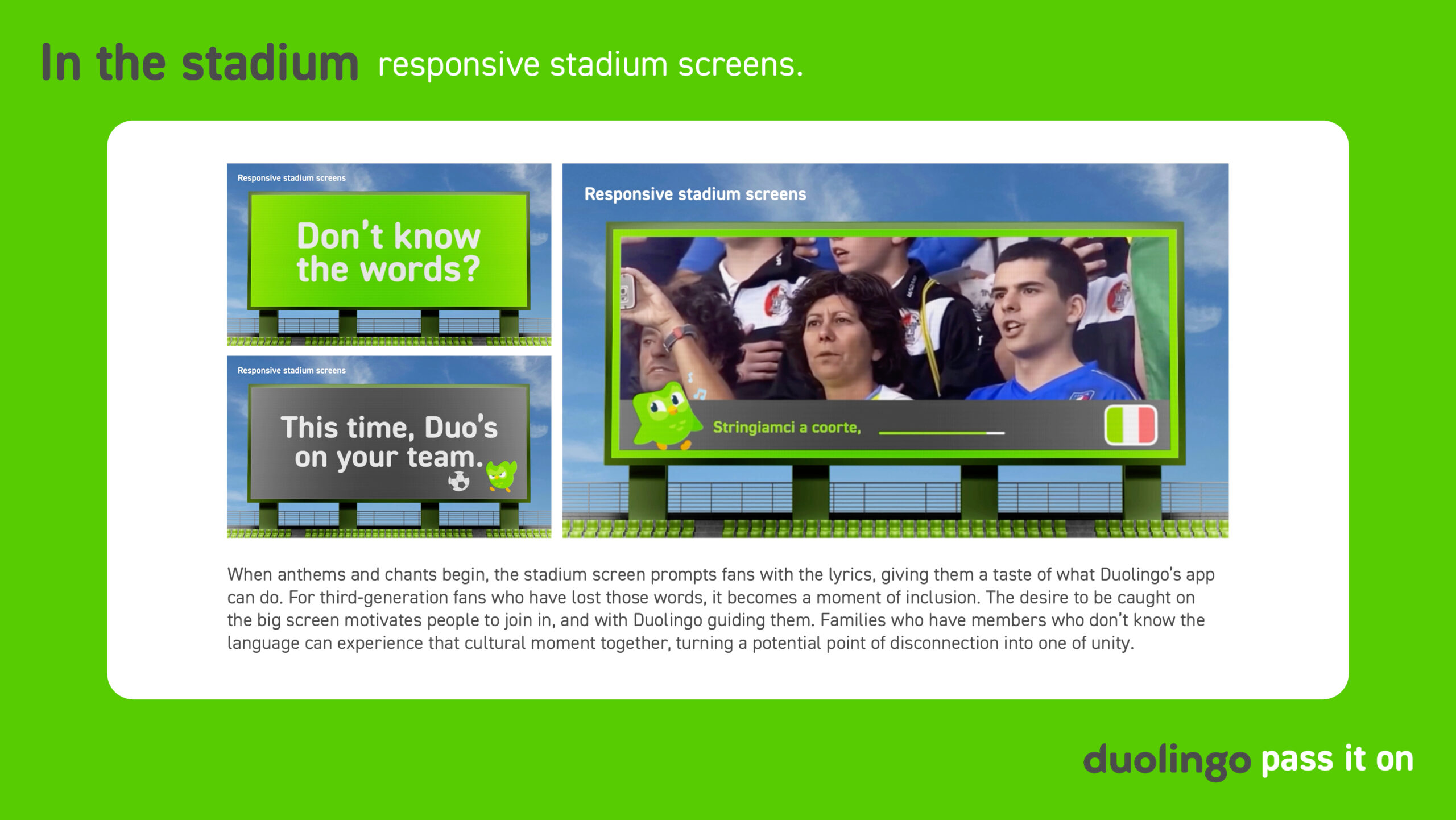
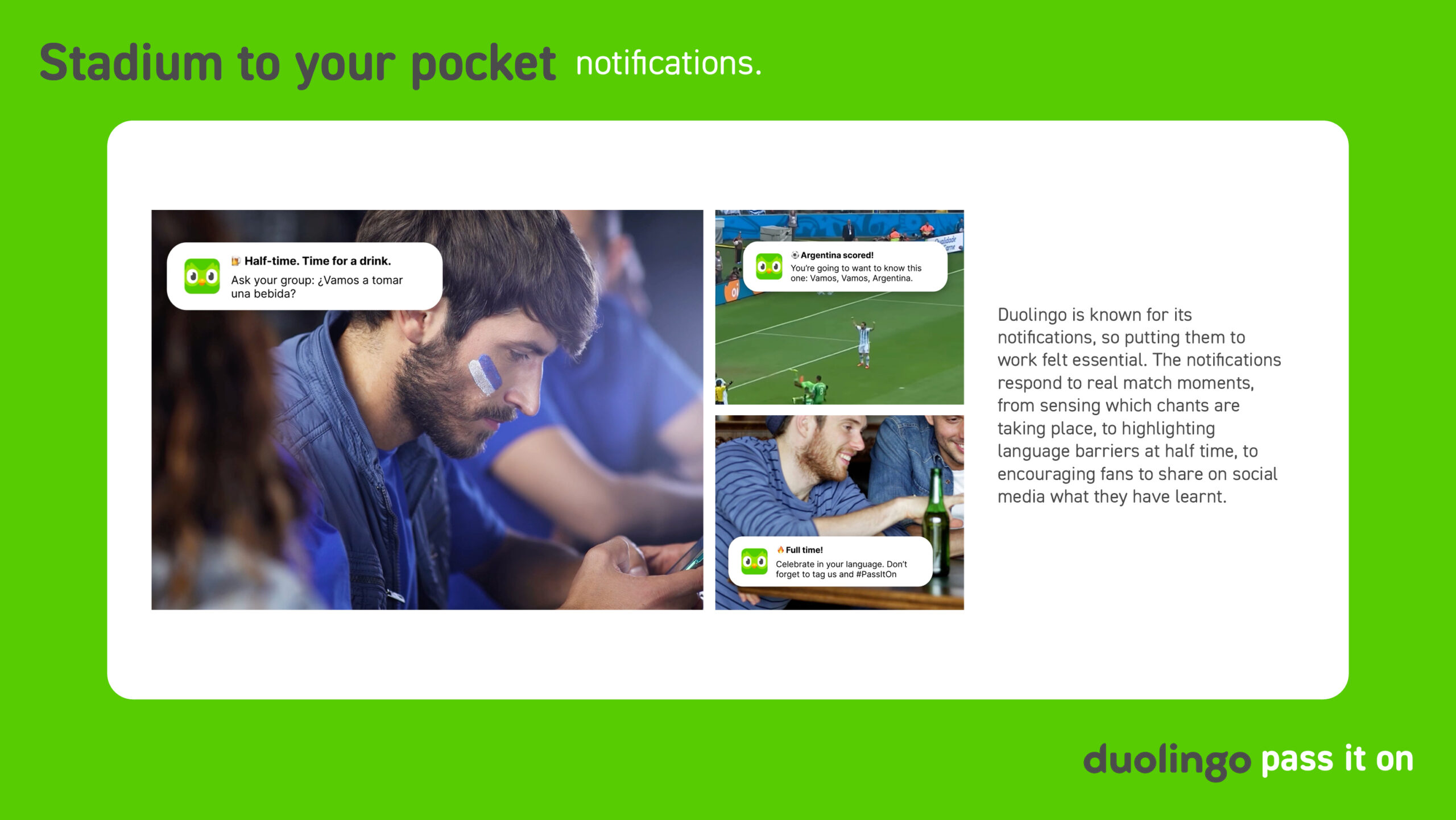
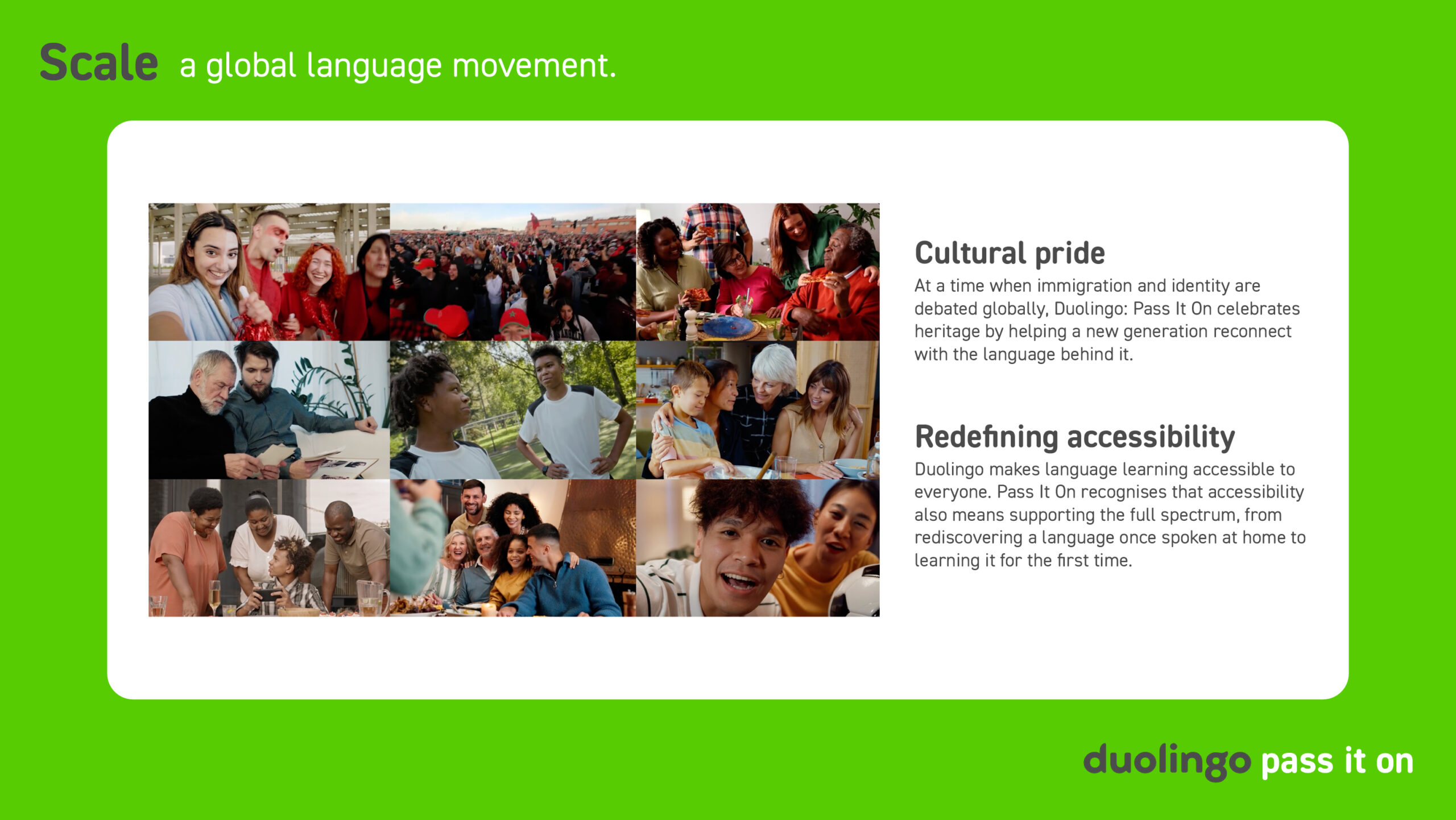
By the third generation, fewer than 1 in 10 immigrant families still speak their native language. Briefed with making 16 to 24 year olds see Duolingo as a force for good, Pass It On uses the 2026 FIFA World Cup to reframe the app not just as a learning tool, but as something that preserves identity and connects generations through a shared moment.
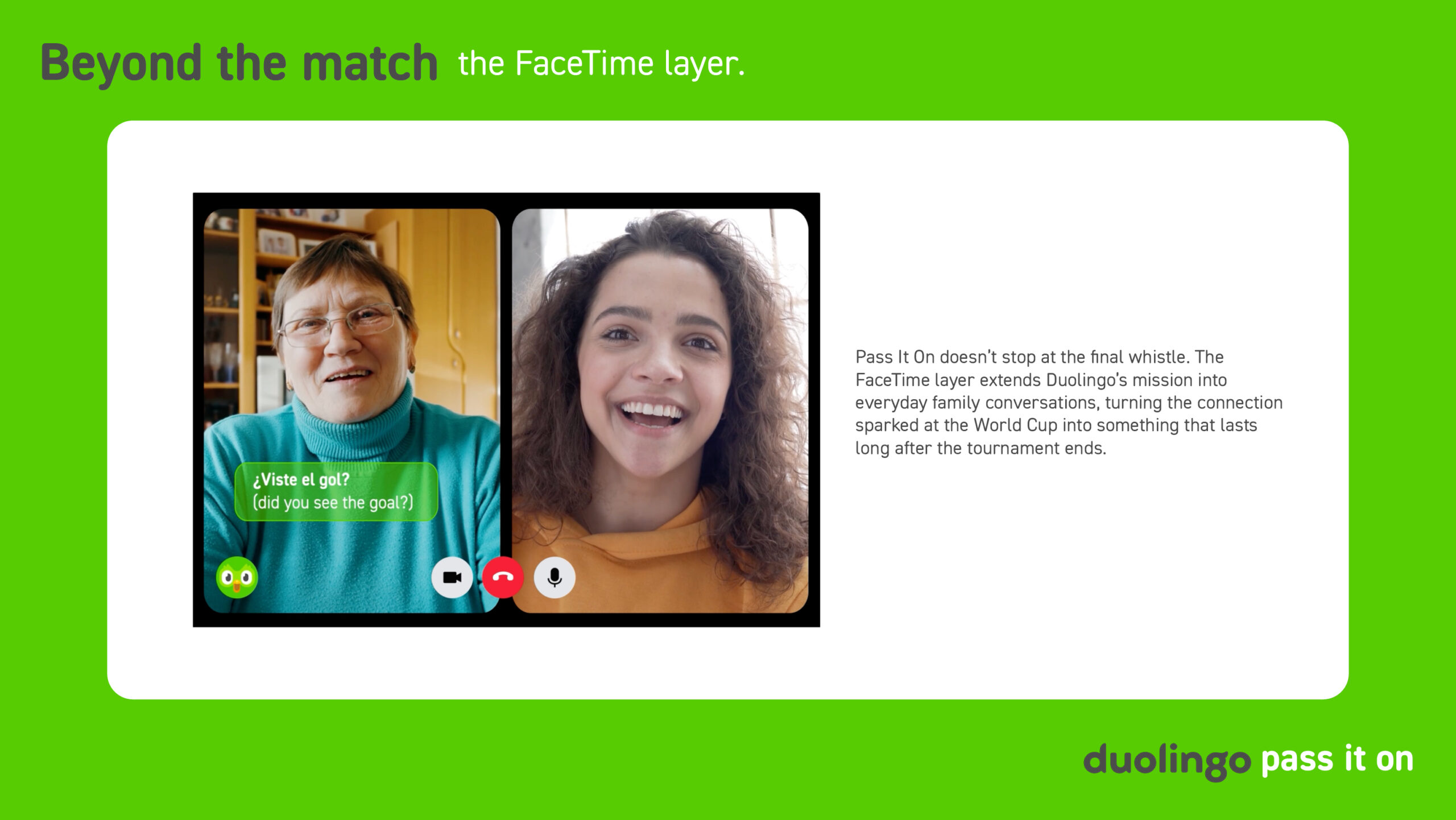
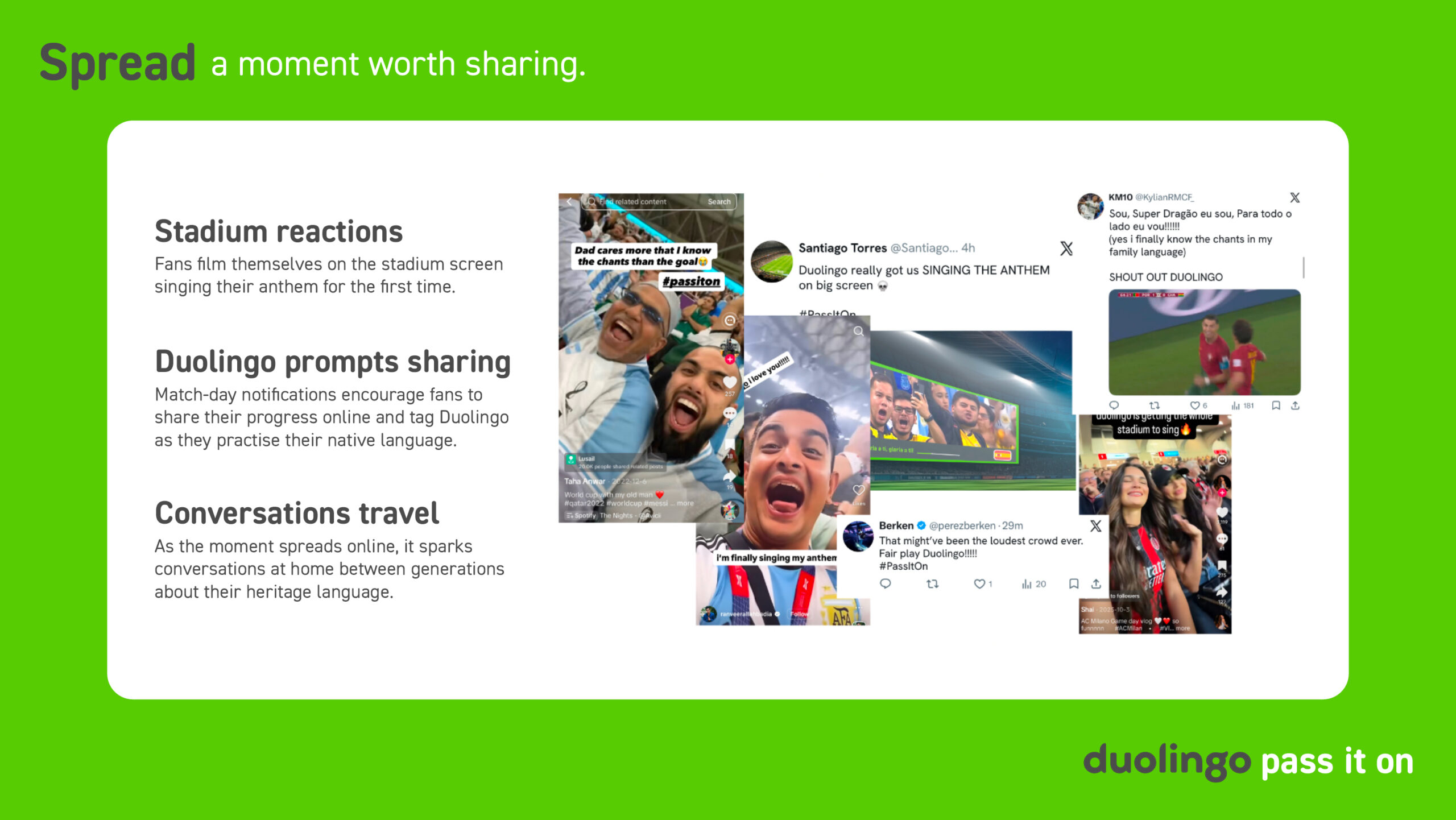
A multi-platform campaign spanning stadium screens, at-home viewing and a Duolingo layer built into FaceTime calls.